

Ever found yourself in a rush, only to have your car refuse to start on a scorching day? It’s frustrating, isn’t it? You’re not alone. Hot weather can take a toll on your car battery, leaving you stranded at the worst possible moment. But fear not, because in this article, we’ve got your back. We’re here to help you understand why your hot battery might be causing your car troubles and what you can do about it. So sit back, relax, and let’s dive into the world of hot batteries and car starting issues together.
The Impact of Hot Weather on Car Batteries
In scorching temperatures, heat accelerates chemical reactions inside your car’s battery.
Excessive heat speeds up water evaporation, leading to decreased electrolyte levels.
High temperatures weaken the battery and reduce its overall lifespan.
Hot weather can cause rapid internal corrosion, affecting the battery’s performance.
Effects of Hot Weather on Car Batteries
Heat can cause battery fluid to evaporate faster, resulting in lead plates being exposed and potentially damaged.
Increased temperature lowers battery capacity, making it harder to start your car.
Severe heat can warp or distort battery plates, leading to internal short circuits.
Tips to Preserve Your Car Battery in Hot Weather
- Park in shaded areas to reduce direct heat exposure.
- Use a battery insulation kit to protect the battery from extreme temperatures.
- Regularly inspect the battery terminals for signs of corrosion.
- Keep your battery clean and dry to prevent overheating.
Signs Your Car Battery is Suffering from Heat
- Slow engine crank when starting your car.
- Illuminated battery warning light on the dashboard.
- Swollen or bloated battery case due to heat exposure.
Proper Car Battery Maintenance
- Schedule regular battery checks with a professional.
- Ensure proper battery fluid levels in hot weather.
- Invest in a quality battery suitable for high-temperature environments.
Remember, proactive maintenance can help you avoid the frustration of a car that won’t start in the heat.
Recommended Products

BATTERY SPECS: 12-Volt, 720 Cold Cranking Amps, Size: 9.38" Long x 6.75" Wide x 7.69" Tall, Weight: 31.7 pounds, SAE Posts, C20 Capacity: 44 AH

✅ Perfect Fit & Compatibility: BCI Group Size 47 (H5), 12V 60Ah, 680CCA, 100RC. Dimensions: 9.52" L x 6.89" W x 7.48" H. Terminal: Tapered terminal (Left negative (-), Right positive (+)). Ensure proper fit by comparing the size, terminal position, and CCA with your original battery. This ensures compatibility and avoids any fitment issues for your vehicle.

BATTERY SPECS: 12-Volt, 720 Cold Cranking Amps, Size: 9.38" Long x 6.81" Wide x 7.75" Tall, Weight: 33.1 pounds, Dual SAE & GM Posts, C20 Capacity: 44 AH
Signs of a Hot Battery Causing Car Starting Issues
When dealing with a hot battery in your car, it’s essential to be aware of the signs that could indicate potential starting issues. Here are some common symptoms to look out for:
- Slow Cranking: If you notice that your engine takes longer to start or cranks more slowly than usual, it could be a sign of a weakened battery due to excessive heat.
- Clicking Sound: Hearing a clicking noise when you turn the key in the ignition may signal that the battery voltage is too low to start the engine effectively.
- Dashboard Warnings: Keep an eye out for warning lights on your dashboard, such as the battery light or check engine light, which could indicate a battery-related issue.
- Electrical Malfunctions: Experience unusual electrical malfunctions, like flickering lights or malfunctioning power windows, could be a result of a struggling battery.
- Frequent Jump Starts: If you find yourself needing to jump-start your car frequently, it may be a sign that your battery is failing due to heat-related stress.
Remember, being proactive and addressing these signs promptly can help prevent further damage to your car’s battery and ensure a reliable start every time you hit the road.
Preventive Measures to Avoid Hot Battery-Related Car Starting Problems
In hot weather, your car battery may struggle to start your vehicle. To avoid issues, consider these preventive measures:
- Park in the shade to keep the battery cool and extend its lifespan.
- Use a battery insulator to protect it from excessive heat.
- Regularly inspect the battery for signs of overheating.
Remember, taking proactive steps can help prevent hot battery-related car starting problems.
Recommended Products

Package Include: You will receive 1pc small insulated car battery blanket, measures about 36x7inch (LxW) suitable for Group 24, Group 25 etc small battery types. WARNING: Anti-conductive battery insulation blanket contains a small amount of fiberglass inside, try to avoid direct contact with the skin as much as possible

Includes 1 pairs (Red and Black) flexible top post battery terminal covers and 1 pairs (Red and Black) washers for military spec battery terminals (NOT standard battery terminals).

Compatibility: Silicone battery terminal protector fits 4-2/0 AWG wire and standard 3/8", 1/2", 5/8" terminal studs; Please confirm the product dimensions before purchasing
Tips for Jumpstarting a Car with a Hot Battery
Jumpstarting a car with a hot battery can be tricky, but with the right approach, you can get back on the road quickly and safely. Here are some tips to help you through the process:
Safety First:
- Park the vehicles close but not touching.
- Turn off both cars and engage the parking brakes.
- Wear safety gear like gloves and safety glasses.
Identify the Terminals:
- Locate the positive and negative terminals on both batteries.
- Ensure there’s no corrosion on the terminals.
Use Jumper Cables:
- Connect the red clamp to the positive terminal of the dead battery.
- Attach the other red clamp to the positive terminal of the working battery.
- Connect the black clamp to the negative terminal of the working battery.
- Ground the final clamp on an unpainted metal surface of the car with the dead battery.
Start the Working Car:
- Let the working car run for a few minutes.
- Try starting the car with the dead battery.
- If it doesn’t start, wait a bit longer before trying again.
Remove Cables Carefully:
- Remove the cables in the reverse order of how you connected them.
Avoid letting the clamps touch each other during this process.
- Consider having a professional check the battery and charging system.
- It’s a good idea to replace an old or unreliable battery.
Remember, jumpstarting a car can be a temporary solution. If you face recurrent issues, it may be time for a more permanent fix.
Recommended Products
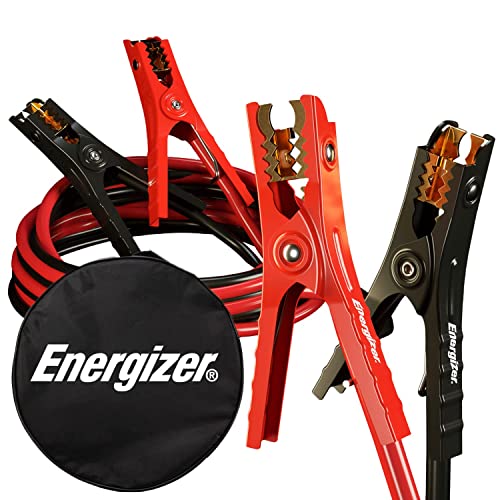
ENERGIZER 16 FEET JUMPER CABLES - 6 Gauge, 16 FT booster battery jumper cables for jump starting a dead or weak battery. Ideal for trucks, SUVs, full-size cars, mid-size cars and small/compact cars
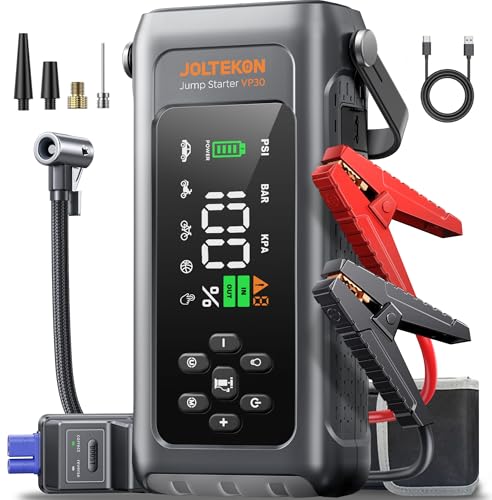
【8-IN-1 CAR BATTERY JUMP STARTER】This 12V Jump Box highlights highly integrated advanced functions but is more portable, transcending general battery booster. It's a portable car jump starter, tire pump, pressure gauge, portable power bank, flashlight, SOS signal, white strobe, red strobe as triangle warning light. Portable, versatile and must-have kit, your ultimate companion for emgencies, adventures and daily use!

【Powerful Battery Starter】The OXILAM car jump starter delivers a powerful peak current of 6000A, capable of quickly reviving a dead car battery in just seconds—even in extreme temperatures. A single full charge provides up to 60 jumpstarts. 2024 upgraded jumper cables can safely start all gas engines and 12L diesel engines, including 12v vehicles, motorcycles, pickups, RVs, tractors, trucks, vans, ATVs, snowmobiles, yachts, and many more. Say goodbye to being stranded due to a dead battery
Conclusion
That’s it! Remember, safety first when jumpstarting a car with a hot battery. By following the correct steps and precautions, you can safely get back on the road in no time. Don’t forget to have a professional inspect your battery and charging system for any underlying issues. And always keep in mind that jumpstarting is just a temporary solution. Stay safe and drive carefully!
Frequently Asked Questions
Q: What safety measures should I take when jumpstarting a car with a hot battery?
A: When jumpstarting a car, ensure both vehicles are parked close but not touching, wear safety gear like gloves and safety glasses, and identify the positive and negative terminals on the battery.
Q: How do I use jumper cables correctly?
A: Start the working car first, connect the red cable to the positive terminal of the dead battery, then the other end to the working battery’s positive terminal. Repeat for the black cable on both negative terminals.
Q: What precautions should I follow when removing the jumper cables?
A: When removing jumper cables, start with the black (negative) cable first, then the red (positive) cable. Avoid letting the cable ends touch each other or any metal surface.
Q: What should I do after jumpstarting a car with a hot battery?
A: Consider having a professional check the battery and charging system, especially if jumpstarting is needed frequently. For old batteries, think about replacement as jumpstarting is a temporary solution.
