

Have you ever wondered what happens to the energy your solar panels generate when the sun isn’t shining? It’s a common question for anyone considering solar power. Many people assume that batteries are the only way to store that energy for later use, but that’s not the whole story.
Imagine a sunny day when your solar panels are working hard, but you’re not home to use that energy. You might think you’re missing out. This article will explore how solar panels can manage energy without relying solely on batteries. You’ll discover practical solutions that can help you maximize your solar investment and keep your home powered efficiently, even when the sun goes down.
Key Takeaways
- Solar Energy Storage Solutions: Energy generated by solar panels can be managed through various methods beyond batteries, including immediate usage, grid-tied systems, net metering, thermal energy storage, and community solar programs.
- Direct Usage Maximizes Efficiency: Consuming solar energy in real-time—such as running appliances during peak sunlight hours—eliminates the need for storage and optimizes system performance.
- Grid-Tied Systems and Net Metering: When excess energy is produced, it can be fed back to the grid, allowing homeowners to earn credits for future use, effectively acting as a form of energy storage without batteries.
- Thermal Energy Storage: This method allows for capturing and storing excess heat generated during the day for later use, such as for heating water or spaces in colder months.
- Cost-Effectiveness and Simplicity: Avoiding batteries reduces upfront investment, maintenance, and management issues while promoting a more sustainable energy model by supporting community energy independence.
- Consider Limitations: Be aware of reliability and capacity constraints associated with non-battery systems, as energy generation depends on sunlight availability, which can impact consistent power supply.
Overview of Solar Energy Storage
Solar energy storage refers to methods used to preserve the energy generated by solar panels for later use. While batteries are a popular choice, other effective storage solutions exist. Understanding these methods can enhance your solar power experience.
Direct Use of Solar Energy
You can use solar energy immediately as it’s generated. Your solar panels produce electricity when sunlight hits them. If you consume this energy in real-time, you maximize your system’s efficiency without the need for storage.
Grid-Tied Systems
Grid-tied systems provide an effective means of managing surplus energy. When your solar panels generate more electricity than you need, the excess electricity goes back to the grid. Utilities may give you credits or compensation for your contribution. This setup enables you to access power from the grid whenever your system lacks enough energy, such as at night.
Net Metering
Net metering allows you to track the energy exchanged with the grid. During sunny days, your solar energy production exceeds your usage, and the excess feeds into the grid. At night, when you consume energy from the grid, you can use your accumulated credits to offset your costs. Familiarize yourself with net metering policies specific to your state for optimal benefits.
Thermal Energy Storage
Thermal energy storage allows you to capture and store heat generated during the day. This process often involves using water or other materials to retain heat. You can then harness this stored thermal energy for heating needs, such as water heating or space heating, after sunset.
Community Solar Programs
Community solar programs present an alternative for individuals who may not have suitable rooftops for solar panels. In these programs, you can invest in a shared solar array with others in your community. You’ll receive shares of the generated energy, allowing for your energy needs to be met without personal storage solutions.
Conclusion
Understanding the various methods of solar energy storage opens up avenues for maximizing your investment in solar technology. By utilizing immediate consumption, grid-tied systems, net metering, thermal storage, and community programs, you can effectively manage your energy usage and costs. This knowledge empowers you to make informed decisions about your solar energy setup.
How Solar Panels Work
Solar panels capture sunlight and convert it into usable energy. The process involves several key components that work together to maximize efficiency and energy production.
Conversion of Solar Energy
Solar panels consist of photovoltaic (PV) cells, which absorb sunlight and convert it into electricity. When sunlight strikes these cells, it excites electrons and creates direct current (DC) electricity. This process relies on the efficiency of the PV cells, typically ranging from 15% to 22%. Higher efficiency means more electricity generated from the same amount of sunlight. Factors like panel orientation, shading, and geographic location affect the overall energy output.
Role of Inverters
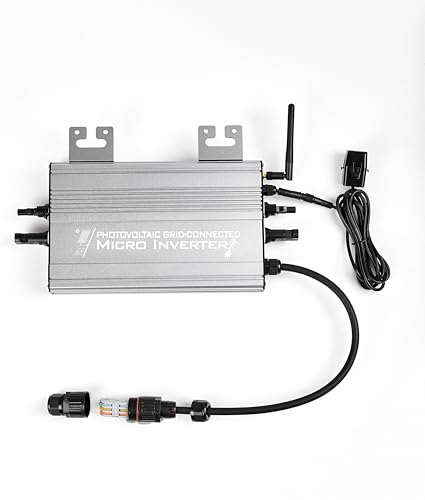
Inverters play a crucial role in transforming the direct current (DC) electricity produced by solar panels into alternating current (AC) electricity, which your home uses. Without an inverter, you wouldn’t be able to use the solar energy generated. Most solar energy systems use string inverters, allowing multiple panels to connect and function as a unit. Microinverters, however, connect to each individual panel, optimizing performance and energy output. This ensures that even if one panel is shaded or malfunctions, the others continue to operate efficiently.
Energy Storage Options
Solar energy management involves several storage options beyond traditional batteries. Understanding these alternatives can help you maximize efficiency and reduce reliance on batteries while ensuring access to solar-generated power.
Recommended Products


ALL IN ONE: Designed to provide grid tie and battery back up solar power management in one product. The AIMS Power Hybrid Inverter’s simple but comprehensive design eliminates the need for extra equipment, providing an efficient solution for users interested in battery backup, net metering, and load sharing all in one product.
Batteries vs. Alternative Methods
Batteries serve as a common energy storage solution, allowing you to store excess solar power for later use. However, several alternative methods exist.
- Grid-Tied Systems: Connect your solar system to the grid. When your solar panels generate more energy than you use, the surplus gets fed back into the grid. This arrangement allows you to earn credits or compensation, offsetting future electricity costs.
- Net Metering: Utilize net metering to track the energy exchanged with the grid. This system ensures you get credits for the power generated during peak sunlight hours, which you can draw down at times when your solar production is low.
- Thermal Energy Storage: Store heat instead of electricity. This method captures excess heat generated by solar thermal systems, allowing you to use it later for heating water or spaces, especially in colder months.
These alternatives can supplement or even reduce your battery needs significantly.
Direct Usage of Solar Energy
Maximizing direct usage of solar energy as it’s generated improves system efficiency.
- Real-Time Consumption: Use appliances during peak sunlight hours. This method maximizes the use of energy generated on sunny days without the need for storage. For example, consider running your washing machine or dishwasher during the day when your solar panels produce the most energy.
- Smart Home Technology: Invest in smart devices and automation systems. They can help optimize energy usage by scheduling high-consumption tasks for sunny periods. Smart thermostats, for example, can adjust heating and cooling when solar energy is available.
By focusing on direct usage and alternative storage solutions, you enhance your solar energy experience, ensuring you get the most from your investment.
The Concept of Energy Storage Without Batteries
Solar panels can store energy without relying solely on batteries. Various mechanisms help maximize energy utility and efficiency.
Recommended Products


Wide Compatibility with Solar Panels and Batteries: Max PV panel input of 2 * 750Wp, compatible with 36V or 48V batteries (24V batteries can work but are not recommended) and supports mainstream PV modules available on the market
Mechanisms Behind Non-Battery Storage
- Immediate Usage: Using solar energy as it’s generated prevents the need for storage. Appliances run directly on solar power during the day, lowering reliance on the grid.
- Grid-Tied Systems: In grid-tied setups, excess energy flows back to the grid. This provides credits or compensation, enabling you to use this energy later without batteries.
- Net Metering: This process tracks electricity exchanged with the grid. It allows you to offset your costs by accumulating credits for the energy your solar panels provide back to the grid.
- Thermal Energy Storage: This method captures excess heat during sunlight hours, storing it in materials like water or concrete. You can then use this heat for home heating or hot water at night.
- Community Solar Programs: If your roof isn’t suitable for solar panels, these programs let you invest in shared solar installations. You benefit from the power generated and offset your energy costs without needing individual storage solutions.
- Cost-Effectiveness: Avoiding batteries reduces upfront costs. Grid-tied systems and net metering eliminate the need for expensive storage systems.
- Simplicity: Non-battery systems require less maintenance. You won’t deal with battery management and replacement issues.
- Environmental Impact: Feeding energy back to the grid supports overall renewable energy use. It helps balance supply and demand in your community.
- Flexible Energy Use: You can still use solar power even when direct sunlight isn’t available, as long as you’ve accumulated credits through net metering or access stored heat.
- Enhanced Energy Efficiency: Running appliances during peak sunlight hours maximizes solar absorption. Using smart home technology can further optimize energy consumption.
By leveraging these mechanisms, you gain efficient energy solutions without the constraints of battery storage.
Limitations of Solar Energy Storage Without Batteries
Solar energy storage without batteries presents several limitations. These can affect how effectively you use solar power, especially when generating excess energy.
Recommended Products

Solar PRO technology – Tenergy engineered solar AA batteries with technology addressing common solar light battery performance problems: leaking due to over-charging from long sunny summer days, dead batteries due to over-discharging from extended rainy or cloudy days. Tenergy is a Silicon Valley based company with over 15 years of experience in batteries.


High-Quality : 36V 35A 10Series Cell Li Ion Batteries PCB Board offers top-rate overcharge for 10 Series Cell Li Ion Batteries. Efficient in shielding your Ternary, Manganese , and Cobalt Batteries from potential damages.
Reliability Issues
Reliability issues arise when relying solely on solar systems without battery storage. You depend on sunlight, which isn’t consistent throughout the day or across seasons. For instance, cloudy weather can significantly reduce energy generation, resulting in insufficient power supply for your needs. Additionally, at night, solar panels produce no electricity, which makes an uninterrupted power source challenging. Without a backup system, you may experience sporadic energy availability, especially during peak consumption hours.
Capacity Constraints
Capacity constraints refer to the limited ability of non-battery solar systems to store energy for future use. Without batteries, any energy generated must be used immediately. When solar production exceeds usage, you lose that surplus energy unless systems like net metering or thermal storage are in place. For example, if your panels produce 10 kWh on a sunny day but your household consumes only 7 kWh, that extra 3 kWh isn’t stored for later use. Instead, it gets fed back into the grid without any compensation, which can limit the financial benefits of your solar setup. Understanding these constraints helps you make more informed decisions about energy management and system design.
Conclusion
Exploring how solar panels can store energy without relying solely on batteries opens up exciting possibilities for you as a homeowner. By understanding the various methods of energy management like grid-tied systems and net metering, you can optimize your solar investment while minimizing costs.
Embracing these alternatives not only enhances your energy efficiency but also contributes positively to the environment. Remember that while there are limitations to these systems, the flexibility and potential savings they offer can make your solar journey rewarding. Stay informed and make choices that best suit your energy needs.
Frequently Asked Questions
What happens to solar energy when the sun isn’t shining?
Solar energy generated by panels during sunny conditions can be used immediately, stored in batteries, or fed back to the grid. If there’s no sunlight, solar systems can rely on grid energy or previously stored energy, depending on the setup.
Are batteries the only way to store solar energy?
No, while batteries are a common storage option, there are alternatives. Methods like thermal energy storage, grid-tied systems, and net metering allow homeowners to manage surplus energy without relying solely on batteries.
What is net metering?
Net metering tracks the energy exchanged between your solar system and the grid. Homeowners receive credits for excess electricity fed back to the grid, which can offset their energy costs, making it an attractive option for managing solar power costs.
How do solar panels convert sunlight into energy?
Solar panels contain photovoltaic (PV) cells that convert sunlight into electricity. When sunlight hits the PV cells, it generates direct current (DC) electricity, which is then converted into alternating current (AC) electricity for home use through inverters.
What are grid-tied systems?
Grid-tied systems connect solar panels to the electrical grid. They allow excess energy generated during sunny periods to be sent back to the grid, providing flexibility in energy management and maximizing the benefits of solar investment.
What is thermal energy storage?
Thermal energy storage captures excess heat generated from solar systems for later use. This method provides an efficient way to utilize renewable energy without relying heavily on batteries, especially for heating applications.
Can I use solar power at night?
Yes, you can utilize solar power at night by implementing energy storage solutions such as batteries or relying on grid-tied systems that allow you to draw energy from the grid when your solar panels aren’t generating electricity.
What factors affect solar panel efficiency?
Solar panel efficiency can be influenced by panel orientation, shading, geographic location, weather conditions, and the technology used in the PV cells. Proper installation and positioning can significantly enhance energy output.
Are there limitations to solar systems without battery storage?
Yes, without battery storage, solar systems may face reliability issues, especially during cloudy conditions or at night. Excess energy must be used immediately or sent back to the grid without guaranteed compensation, limiting financial benefits.
How can homeowners maximize their solar investment?
Homeowners can maximize their solar investment by understanding energy storage options, utilizing net metering, optimizing panel placement, and incorporating alternative methods like thermal storage to manage energy efficiently and reduce costs.
