

Have you ever wondered if your solar lights need rechargeable batteries? You’re not alone. Many people enjoy the convenience of solar lighting but might not realize the role batteries play in making these lights work efficiently.
Key Takeaways
- Rechargeable Batteries are Essential: Solar lights rely on rechargeable batteries to store sunlight energy for nighttime illumination, making them crucial for functionality.
- Battery Types Vary: Common rechargeable battery types for solar lights include Nickel-Cadmium (NiCd), Nickel-Metal Hydride (NiMH), and Lithium-Ion (Li-ion), each with specific advantages and suitability based on use.
- Factors Affecting Battery Needs: Light intensity, duration of use, local climate conditions, and the type of solar light all influence the capacity and need for rechargeable batteries.
- Alternatives Exist: While rechargeable batteries are standard in solar lights, alternatives like non-rechargeable batteries, supercapacitors, and hybrid systems can also be used, though they may not be as efficient.
- Pros and Cons: Rechargeable batteries are cost-effective and eco-friendly but come with potential downsides such as higher initial costs, temperature sensitivity, and maintenance requirements.
- Optimal Battery Choice Matters: Selecting the right type of rechargeable battery is essential for maintaining the performance and longevity of your solar lighting system.
Overview Of Solar Lights
Solar lights harness sunlight to provide illumination, making them an eco-friendly choice for outdoor lighting. They rely on solar panels, rechargeable batteries, and LED bulbs to operate efficiently.
How Solar Lights Work
Solar lights absorb sunlight through photovoltaic cells during the day. These cells convert sunlight into electricity, which charges the rechargeable batteries. At night, the stored energy powers the LED bulb, allowing the light to illuminate your space. Some solar lights include sensors that automatically turn the lights on and off based on surrounding light levels.
- Pathway Lights: Used to light garden paths and walkways. They typically feature a stake for easy installation.
- String Lights: Decorative lights suitable for patios or outdoor gatherings. They add ambiance and come in various designs.
- Spotlights: Focused lights designed to highlight specific features, such as trees or sculptures. Spotlights often have adjustable angles.
- Wall Mount Lights: Fixed lights that attach to walls, providing illumination for entrances or patios.
- Flood Lights: Powerful lights that cover wide areas. Often used for security purposes, they can be motion-sensor activated.
Importance Of Rechargeable Batteries
Rechargeable batteries play a crucial role in the functionality of solar lights. They store solar energy collected during the day, allowing your lights to operate efficiently at night.
Recommended Products

【Reliable Performance】12 X Ni-MH AA 600mAh 1.2v Rechargeable Battery,Ideal for garden solar lights. (This product does not include a charger)

【 Rechargable and Money Saving 】 The rechargeable AAA battery can be constantly recharged 1200 times, saving you money on purchasing one-time use disposable alkaline batteries. Up to 5-year battery life for long-lasting power. Also less harmful to the environment than disposable batteries

【High Capacity&Long Lasting】:1600mah high capacity AA rechargeable battery will lasting much longer time to ensure your outdoor lights always has enough power to light all night. Also can replace 600mAh, 800mAh, 1100mah, etc NiCd or Ni-MH AA cells AA battery. They won't lose the maximum capacity.
Function Of Rechargeable Batteries In Solar Lights
Rechargeable batteries serve as energy storage units in solar lighting systems. When sunlight hits the solar panels, it converts light energy into electrical energy, charging the batteries. This process ensures that your lights have the necessary power to illuminate outdoor spaces once the sun sets. Without these batteries, solar lights wouldn’t function, as they rely on stored energy to operate when there’s no sunlight available.
Types Of Rechargeable Batteries Used
Several types of rechargeable batteries are commonly used in solar lights:
- Nickel-Cadmium (NiCd): NiCd batteries are durable and perform well in various temperatures. They’re resistant to overcharging but can suffer from memory effect if not fully drained regularly.
- Nickel-Metal Hydride (NiMH): NiMH batteries offer higher storage capacity than NiCd batteries. They are more environmentally friendly and perform better in cold weather, making them a popular choice for solar lights.
- Lithium-Ion (Li-ion): Li-ion batteries are lightweight and have a high energy density. They charge quickly and last longer than the other types but typically come at a higher cost.
Each battery type presents unique advantages and may cater to specific requirements based on your solar lighting needs. Choose the right rechargeable battery to ensure optimal performance and longevity for your solar lights.
Do Solar Lights Need Rechargeable Batteries?
Rechargeable batteries play a vital role in the operation of solar lights. They store the energy collected from sunlight during the day, ensuring your lights function properly at night.
Recommended Products

Note: It’s rechargeable Ni-MH AA Battery, 1.2V battery, designed exclusively for use with 1.2V devices. For charging, please use the EBL AA NiMH charger. For safety during transportation, the batteries are not fully charged, pls kindy charge it before first use. 【Perfect Solar Batteries】 Exact size AA batteries designed for solar lights, outdoor garden lights, mouse, keyboards, TV remotes, toys, game controllers, digital camera, will fit all your device perfectly in daily life usage, high quality AA rechargeable batteries supply long lasting power, great convenience and good performance.
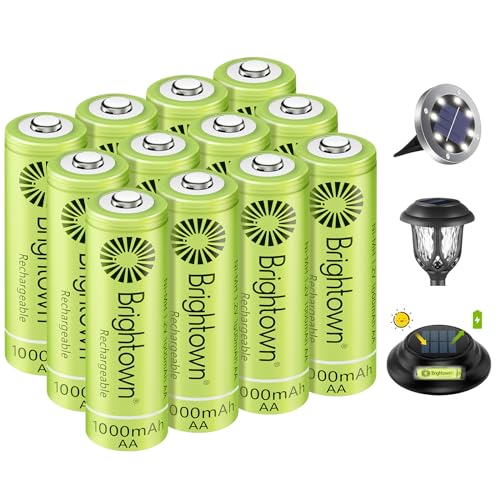
【 30% Precharged for Ready Use 】 For transportation safety purposes, these batteries are only precharged with 30% power, so charge them before use for longer working. In addition, recharging the battery every 3 months can make its lifespan longer

【Attention】This is a 2/3 AAA battery and not a AAA battery, the only difference between them is the height, same diameter but 2/3 height of AAA battery,2/3AAA Battery size is 0.39 x 1.18 inch (10 x 30mm)(Please look carefully before buying)
Factors Influencing Battery Requirement
Several factors determine the need for rechargeable batteries in solar lights:
- Light Intensity: Brighter lights require more energy. Higher capacity batteries provide the necessary power.
- Usage Duration: Longer operating hours at night mean the need for larger battery storage.
- Climate Conditions: Areas with less sunlight may need batteries with greater capacity to ensure reliable lighting on cloudy days.
- Type of Solar Light: Different designs, such as pathway versus flood lights, require varying battery capacities based on their power demands.
Alternatives To Rechargeable Batteries
While rechargeable batteries are common, some alternatives exist for specific applications:
- Non-Rechargeable Batteries: Standard alkaline batteries can power solar lights but lack the efficiency and longevity of rechargeables.
- Supercapacitors: These devices store energy similarly but differ in their discharge rate, making them suitable for high-power applications.
- Hybrid Systems: Some systems combine solar with grid power, enabling them to operate continuously without reliance on rechargeable batteries.
Understanding these factors and alternatives allows you to make informed decisions about the solar lights that best fit your needs.
Pros And Cons Of Using Rechargeable Batteries
Rechargeable batteries play a vital role in solar lights, but they come with both benefits and drawbacks. Here’s a closer look at the advantages and disadvantages.
Advantages
- Cost-Effective: Rechargeable batteries can save money over time. Once you purchase them, you eliminate the need for frequent replacements, reducing overall costs.
- Eco-Friendly: Using rechargeable batteries helps minimize waste. These batteries can be reused multiple times, leading to less environmental impact compared to single-use batteries.
- Versatile Options: You can choose from different types of rechargeable batteries, such as NiCd, NiMH, or Li-ion. Each type meets specific power needs, allowing you to optimize performance in your solar lights.
- Better Performance: Many rechargeable batteries, especially lithium-ion, offer longer runtime and faster charging times. This efficiency means your solar lights can stay illuminated longer throughout the night.
- Reduced Energy Costs: By utilizing sunlight for power, you’re lowering reliance on grid electricity. Rechargeable batteries store this energy, making solar lights a sustainable option for outdoor lighting.
- Initial Cost: Rechargeable batteries tend to have a higher upfront investment compared to regular batteries. This initial cost may deter some users.
- Temperature Sensitivity: Many rechargeable batteries, particularly NiMH and Li-ion, are sensitive to extreme temperatures. High heat or cold can reduce their effectiveness or lifespan.
- Limited Lifespan: Although rechargeable batteries last longer than disposable ones, they don’t last indefinitely. Capacity can diminish after several charge cycles, requiring eventual replacement.
- Charging Time: Some rechargeable batteries can take longer to charge fully. In low sunlight conditions, this can impact the performance of your solar lights.
- Maintenance Requirements: Rechargeable batteries may require periodic maintenance. Ensuring they remain clean and properly charged can take additional time and effort.
Understanding these pros and cons helps you decide whether rechargeable batteries best suit your solar lighting needs.
Conclusion
Choosing the right rechargeable batteries for your solar lights can make a big difference in their performance and longevity. By understanding how these batteries work and their specific advantages, you can ensure your outdoor lighting shines bright when you need it most.
Whether you opt for NiCd, NiMH, or Li-ion batteries, each type offers unique benefits that can enhance your solar lighting experience. Keep in mind the factors that influence battery requirements to find the perfect match for your needs. With the right choices, you’ll enjoy eco-friendly illumination that brightens up your outdoor spaces while being kind to the planet.
Frequently Asked Questions
What are solar lights and how do they work?
Solar lights are outdoor lighting solutions that harness sunlight to generate energy. They consist of solar panels that absorb sunlight during the day, which charges rechargeable batteries. At night, these batteries power LED bulbs, providing illumination without the need for electrical wiring.
Why are rechargeable batteries important in solar lights?
Rechargeable batteries store the solar energy collected during the day, enabling solar lights to operate efficiently at night. They act as energy storage units, allowing for reliable illumination after sunset, making them essential for optimal performance.
What types of rechargeable batteries are used in solar lights?
Common types of rechargeable batteries used in solar lights include Nickel-Cadmium (NiCd), Nickel-Metal Hydride (NiMH), and Lithium-Ion (Li-ion). Each type has unique advantages, such as longer life and quicker charging for lithium-ion batteries, making them suitable for various lighting needs.
What factors influence the choice of rechargeable battery for solar lights?
Factors that influence battery selection include light intensity, usage duration, climate conditions, and the type of solar light. Analyzing these elements helps ensure that the chosen battery meets the specific requirements for performance and longevity.
Are there alternatives to rechargeable batteries in solar lights?
Yes, alternatives to rechargeable batteries include non-rechargeable alkaline batteries, supercapacitors, and hybrid systems that combine solar power with grid electricity. These options can provide additional versatility depending on lighting needs and required performance.
What are the advantages of using rechargeable batteries in solar lights?
The benefits of rechargeable batteries include cost-effectiveness over time, eco-friendliness, versatility, and high performance, especially with lithium-ion batteries that offer longer runtimes and faster charging compared to traditional batteries.
What are the drawbacks of rechargeable batteries in solar lights?
Drawbacks of rechargeable batteries may include higher initial costs, sensitivity to temperature extremes, limited lifespan, longer charging times, and maintenance needs. Understanding these cons helps users evaluate their suitability for specific solar applications.
