

Have you ever wondered if solar lights really need a battery to work? You’re not alone. Many people enjoy the idea of using solar lights but aren’t sure how they operate or if they can rely on them without a battery backup.
Picture this: it’s a warm summer evening, and you want to light up your garden for a cozy gathering. You set up solar lights, but what if they don’t shine as bright as you hoped? Understanding the role of batteries in solar lights can help you make informed choices for your outdoor space.
This article will clarify whether solar lights need a battery and how it impacts their performance. You’ll learn what to look for when choosing solar lights, ensuring your outdoor area stays beautifully lit all night long.
Key Takeaways
- Solar lights require a battery to store energy collected during the day and provide illumination at night.
- Batteries enhance the performance of solar lights, ensuring consistent light output even in low-light or cloudy conditions.
- Common battery types used in solar lights include Nickel-Cadmium (NiCd), Nickel-Metal Hydride (NiMH), and Lithium-Ion, each with its pros and cons.
- Choosing solar lights with reliable batteries can significantly extend their operational time and improve usability for nighttime activities.
- Alternatives to batteries, such as direct wiring to home electrical systems or advanced solar technologies like supercapacitors, offer unique solutions based on specific lighting needs.
Understanding Solar Lights
Solar lights offer an eco-friendly way to illuminate your outdoor spaces. They rely on solar energy for operation, making them a popular choice for homeowners looking to reduce energy costs while enhancing their properties.
What Are Solar Lights?
Solar lights are outdoor lighting devices that harness sunlight to generate power. They typically contain LED bulbs, solar panels, and a battery. The solar panels absorb sunlight during the day and convert it into energy, which powers the LED lights after sunset.
How Do Solar Lights Work?
Solar lights function through a straightforward process:
- Solar Absorption: Solar panels collect sunlight during daylight hours.
- Energy Conversion: Photovoltaic cells within the panels convert sunlight into electrical energy.
- Battery Storage: The generated energy charges a built-in battery, storing excess energy for later use.
- Auto-Illumination: At dusk, a light sensor triggers the lights, drawing power from the battery to illuminate your space.
These components work together, allowing solar lights to shine without direct electrical connections. Choosing solar lights with reliable batteries ensures consistent performance throughout the night.
Do Solar Lights Need a Battery?
Yes, solar lights need a battery to function effectively. The battery stores energy collected from sunlight, allowing the lights to illuminate when it’s dark. Understanding the role of the battery is crucial for choosing the right solar lighting for your space.
Recommended Products

【Widely used】Perfect for solar garden lights, landscape lights, lawn lights, etc. It can replace all disposable alkaline batteries for low power electronic products

【High Capacity&Long Lasting】:1600mah high capacity AA rechargeable battery will lasting much longer time to ensure your outdoor lights always has enough power to light all night. Also can replace 600mAh, 800mAh, 1100mah, etc NiCd or Ni-MH AA cells AA battery. They won't lose the maximum capacity.
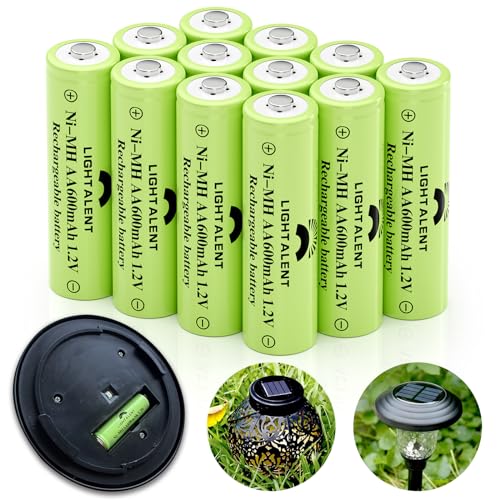
【Strong Performance】1.2-volt 600mAh AA Ni-MH rechargeable batteries,Package included: 12 x solar battery 1.2v ni-mh aa 600mAh
Importance of Batteries in Solar Lights
Batteries play a vital role in solar lights. They store energy generated by the solar panels during the day and release it at night. If your solar lights didn’t have batteries, they couldn’t provide illumination after sunset. Additionally, batteries help maintain a consistent light output since they allow for energy use even on cloudy days.
Types of Batteries Used in Solar Lights
Different types of batteries are used in solar lights. Here are the common options:
- Nickel-Cadmium (NiCd): These batteries are durable and perform well in various temperatures. They charge quickly but may experience memory effect, which can shorten their lifespan.
- Nickel-Metal Hydride (NiMH): These batteries offer higher capacity than NiCd, making them suitable for longer run times. They are more environmentally friendly but can be pricier.
- Lithium-Ion: These batteries are lightweight and efficient. They charge quickly and maintain their performance even in colder climates. Their longevity makes them a popular choice for premium solar lights.
Select the battery type that fits your needs, factoring in aspects like cost, environmental conditions, and desired run time.
Benefits of Using Batteries in Solar Lights
Batteries play a crucial role in the functionality of solar lights, enhancing their performance and usability during various conditions. Here are key benefits of incorporating batteries into solar lights:
Extended Operational Time
Batteries provide solar lights with the ability to operate for longer periods after the sun sets. When fully charged, a battery can store ample energy, allowing the lights to shine throughout the night. For example, a fully charged solar light can illuminate an area for up to 12 hours, depending on the battery capacity and solar panel efficiency. This extended operational time is especially beneficial for nighttime gatherings or security lighting.
Improved Performance in Low Light Conditions
Batteries enhance the performance of solar lights in low light or cloudy conditions. On less sunny days, solar panels may not absorb enough sunlight to generate energy efficiently. In such cases, the stored energy in the battery comes into play. With a reliable battery, solar lights can still provide adequate illumination, ensuring that your outdoor space remains lit even during overcast weather. For instance, a quality Lithium-Ion battery can retain higher charge levels than other battery types, ensuring optimal performance when the sun doesn’t shine.
Alternatives to Batteries in Solar Lights
You might explore various alternatives to batteries in solar lights, which can enhance functionality. These options provide unique benefits for different lighting needs.
Direct Wiring Options
Direct wiring serves as a reliable choice for solar lights, removing the dependency on batteries. You can connect solar lights directly to your home’s electrical system. This setup allows for consistent power supply regardless of weather conditions. For instance, outdoor fixtures like pathway lights or floodlights work well with direct wiring. When wiring solar lights directly, ensure you follow local electrical codes and guidelines for safety.
Advanced Solar Technologies
Advanced solar technologies offer innovative solutions to battery reliance. Some solar lighting systems utilize supercapacitors instead of traditional batteries. Supercapacitors charge quickly and provide instant power, making them ideal for short bursts of light. Technologies like this are particularly effective for motion sensor lights, which only need energy for brief periods. Moreover, solar lights featuring integrated smart technology can optimize energy use based on environmental conditions, further reducing the need for batteries.
Conclusion
Understanding the role of batteries in solar lights is crucial for making informed decisions about outdoor lighting. With a reliable battery, your solar lights can shine bright even when the sun isn’t out.
Whether you’re hosting a summer gathering or simply want to enhance your yard’s ambiance, knowing that your solar lights can operate efficiently with a good battery gives you peace of mind.
As you explore your options, consider the type of battery that best suits your needs. This way, you can enjoy beautifully lit spaces while benefiting from the eco-friendly advantages of solar energy. Happy lighting!
Frequently Asked Questions
Do solar lights need a battery to work?
Yes, solar lights require a battery to function effectively. The battery stores energy absorbed from sunlight during the day, allowing the lights to illuminate outdoors at night.
How do solar lights generate power?
Solar lights generate power through solar panels that absorb sunlight, converting it into electrical energy. This energy charges a built-in battery, which then powers the lights after dark.
What types of batteries are used in solar lights?
Common battery types in solar lights include Nickel-Cadmium (NiCd), Nickel-Metal Hydride (NiMH), and Lithium-Ion. Each type offers different benefits, such as longer life or faster charging times.
How long can solar lights last on a full charge?
When fully charged, solar lights can illuminate areas for up to 12 hours. This duration may vary depending on the battery’s capacity and the light’s energy consumption.
Are there alternatives to batteries for solar lights?
Yes, alternatives include direct wiring options, which connect solar lights to a home’s electrical system, and advanced solar technologies like supercapacitors for quick charging and instant power.
