

Have you ever wondered if your new solar battery needs a charge before you start using it? You’re not alone. Many people face this question when investing in solar energy solutions. It can be frustrating to figure out what’s necessary to get everything running smoothly.
Understanding whether your solar battery requires charging before use can save you time and ensure optimal performance. This article will walk you through the essentials, helping you make informed decisions about your solar setup. You’ll learn the best practices for battery care and how to maximize your energy storage, making your transition to solar energy even easier.
Key Takeaways
- Pre-Charging Not Required: Solar batteries, especially lithium-ion types, often come pre-charged to 30-50%, allowing immediate use without a full initial charge.
- Enhance Performance: Fully charging your solar battery initially helps calibrate its management system, leading to better efficiency and energy storage.
- Monitor Maintenance: Regular checks for fluid levels (for lead-acid batteries) and adherence to manufacturer guidelines are crucial for maintaining battery health.
- Avoid Deep Discharge: Ensuring lead-acid batteries do not drop below 50% charge can significantly prolong their lifespan and efficiency.
- Understand Battery Types: Each battery type—lithium-ion, lead-acid, flow—offers distinct advantages per application, influencing your choice based on energy needs.
- Follow Best Practices: Adhering to recommended charging procedures, including monitoring charging cycles and using smart monitoring apps, enhances battery performance and reliability.
Overview of Solar Batteries
Solar batteries store energy generated from solar panels for later use. These batteries can charge during sunlight hours and discharge energy when the sun isn’t shining, providing a reliable energy supply. Different types of solar batteries include lithium-ion, lead-acid, and flow batteries, each with unique characteristics.
Types of Solar Batteries
- Lithium-Ion Batteries:
- Known for high energy density and long lifespan.
- Versatile; often used in residential and commercial solar systems.
- Typically require less maintenance than other types.
- Lead-Acid Batteries:
- More affordable upfront, widely used in solar applications.
- Heavier and bulkier compared to lithium-ion options.
- Shorter lifespan and requires regular maintenance.
- Flow Batteries:
- Store energy in liquid electrolyte solutions.
- Ideal for larger scale applications due to a long life cycle.
- Benefits from deep cycling capabilities without damage.
Charging Requirements
You don’t need to fully charge solar batteries before use, but understanding the charging process enhances performance. Lithium-ion batteries typically come pre-charged to about 30-50%. You can use them immediately, but for optimal life, fully charging and discharging a few times helps calibrate the battery management system.
Maintenance Tips
To maintain your solar batteries, follow these guidelines:
- Check Fluid Levels: For lead-acid batteries, ensure water levels remain adequate.
- Monitor Charge Cycles: Keep track of how often you charge and discharge.
- Look for Temperature: Ensure batteries operate within manufacturer-recommended temperature ranges.
Benefits of Proper Charging
Proper charging enhances batteries’ lifespan, performance, and safety. By following guidelines, you can maximize energy storage and reliability. Investing time in understanding solar battery charging pays off in the long run.
Importance of Charging Before Use
Charging your solar battery before use plays a crucial role in its performance and longevity. Ensuring the battery has enough charge optimizes energy storage efficiency and extends battery life.
Recommended Products
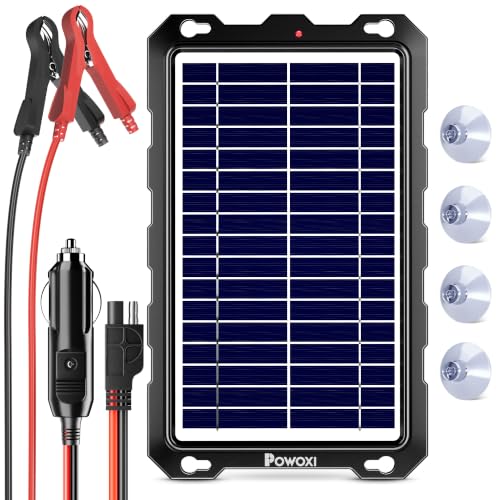
Upgrade Intelligent Charge Controller: Built-in internal protection system and smart fast charging Cooperate with Quality solar silicon material ensures high conversion and stable output the solar panel's energy conversion efficiency to 25-30%

【High Conversion Rate】This 20W solar panel with monocrystalline A+ solar cell has an excellent cell efficiency of 21%-30%. Designed to charge and maintain 12V rechargeable batteries like LiFePO₄, Lithium Ion, AGM, SLA, GEL, EFB, MF, etc. Keep batteries in charged for trailer, tractor, truck, boat, motorcycle, RV, car, lawn mower, water pump, gate opener, electric fence, etc

Upgraded MPPT Controller: This latest solar battery charger is engineered with eight advanced safety protections to safeguard your batteries. It includes crucial safeguards against over charge, discharge, reverse polarity, over current, over voltage, backflow, short circuits, and high temperatures, giving you complete peace of mind during use
Benefits of Proper Charging
- Enhanced Performance: Charging the battery fully enables it to store energy more effectively. Full charge ensures that you maximize available power for your needs.
- Extended Lifespan: Regular charging and discharging cycles can contribute to a longer battery life. Consistently maintaining the battery within its optimal operating range prevents premature wear and tear.
- Increased Safety: Ensuring your battery is charged properly reduces the risk of malfunctions. Well-charged batteries are less likely to overheat or experience electrical failures.
- Improved Calibration: Fully charging lithium-ion batteries a few times helps calibrate the battery management system. Proper calibration enhances overall efficiency and emphasizes optimal energy usage.
- Decreased Efficiency: Using a battery with insufficient charge leads to inefficiencies. The system can’t deliver the expected power, affecting everything from appliances to grid connectivity.
- Shortened Lifespan: Frequently discharging a battery without proper charging can damage it. This misuse results in a loss of capacity, causing the battery to wear out faster.
- Safety Hazards: Neglecting to charge batteries can lead to potential safety issues. Undercharged batteries might overheat or even fail, posing risks to both equipment and your home.
- Compromised Functionality: A solar battery that isn’t charged adequately can’t perform its role effectively. You might face interruptions in power supply, impacting daily activities and relying on renewable energy.
Types of Solar Batteries
Different types of solar batteries cater to various needs and applications. Understanding these options helps you choose the best battery for your solar energy system.
Recommended Products


UL 1973 Certified for Safety & Reliability: The Powermega 48V 314Ah is UL 1973 certified and backed by a 10-year warranty, providing added confidence for long-term energy storage and demanding off-grid applications

100A ACTIVE BALANCING BMS FOR LITHIUM BATTERY PACKS: JK-B1A8S10P supports up to 100A continuous charge and discharge current with 1A energy-transfer active balancing to help improve cell consistency
Lithium-Ion Batteries
Lithium-ion batteries stand out for their high energy density and efficiency. They charge quickly and discharge slowly, making them ideal for residential solar energy systems. Since they require minimal maintenance, you won’t spend much time on upkeep. Most lithium-ion batteries come pre-charged, meaning you can use them without waiting. For optimal performance, charge and discharge them a few times to ensure proper calibration.
Lead-Acid Batteries
Lead-acid batteries are a more economical choice. While they require regular maintenance, such as checking fluid levels and ensuring terminals are clean, they generally provide reliable energy storage. These batteries come in two varieties: flooded and sealed. Flooded lead-acid batteries need topping off with distilled water and must remain upright. In contrast, sealed lead-acid batteries are maintenance-free but might have a shorter lifespan compared to lithium-ion options. If you choose lead-acid, design your charging routine to accommodate regular checks and balances.
Best Practices for Charging
Properly charging your solar batteries ensures optimal performance and longevity. Follow these best practices for effective charging.
Recommended Products
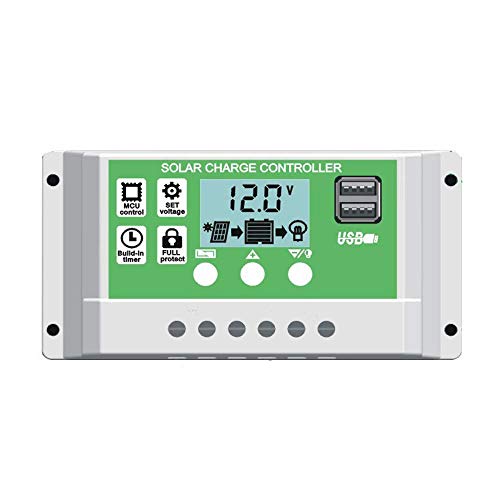
【Upgraded Solar Panel Controller】This 30a solar charge controller compatibility with 12V 24V system.Fully 4-Stage PWM charge (Boost, ABS, Equalization,Float),the power MOSFET is used as and electronic switch without any mechanical switches and equipped with industrial-grade STM 8 microprocessor to prolong your battery life cycle.

✔️【Waterproof Solar Charge Controller】IP67 waterproof, suitable for outdoor use. Automatically identify voltage, 12V Max power: 150W, 24V Max power: 300W. The maximum current is 10A. Compatible with various 12V/24V deep-cycle batteries, such as AGM, GEL, Flooded. Adopting brand MCU chips to realize fast intelligent control and ultra-low standby power consumption.
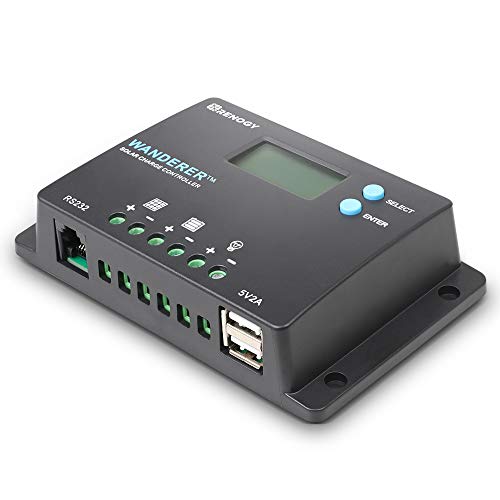
𝐒𝐦𝐚𝐫𝐭 𝟒-𝐒𝐭𝐚𝐠𝐞 12V/24V Solar Charge Controller: Renogy charge controller 𝐦𝐚𝐱𝐢𝐦𝐢𝐳𝐞𝐬 𝐁𝐚𝐭𝐭𝐞𝐫𝐲 𝐋𝐢𝐟𝐞 & 𝐒𝐨𝐥𝐚𝐫 𝐄𝐟𝐟𝐢𝐜𝐢𝐞𝐧𝐜𝐲, this advanced pwm solar charge controller utilizes intelligent 4-stage charging (Bulk/Boost/ Float/Equalization) to optimize power delivery for AGM, Gel, Flooded and Lithium batteries. RV solar charge controller prevents overcharging and gas buildup while 𝐚𝐜𝐡𝐢𝐞𝐯𝐢𝐧𝐠 𝟑𝟎% 𝐥𝐨𝐧𝐠𝐞𝐫 𝐛𝐚𝐭𝐭𝐞𝐫𝐲 𝐥𝐢𝐟𝐞𝐬𝐩𝐚𝐧 compared to basic charge controllers.
Recommended Charging Procedures
- Charge Fully Initially
Charge your lithium-ion batteries to 100% when first introduced to the system. This initial charge helps calibrate the battery management system for accurate readings. - Avoid Deep Discharge
Do not let lead-acid batteries drop below 50% state of charge. Keeping them partially charged maximizes lifespan and efficiency. - Monitor Charging Cycles
Use a charge controller that tracks cycles. Aim for a full cycle—charging from 0% to 100%—once every month for optimal calibration, especially for lithium-ion batteries. - Use Manufacturer Guidelines
Refer to the manufacturer’s instructions for specific charging requirements for your battery type. They often contain vital information about voltage, current levels, and safety. - Regular Maintenance
For lead-acid batteries, check fluid levels monthly and top off with distilled water as needed. Clean terminals to prevent corrosion.
- Indicator Light
Most solar battery systems feature an indicator light. A green light usually signifies a fully charged state. - Smart Monitoring App
Use a monitoring app if your system supports it. It provides real-time data about energy storage and battery status, often displaying charge levels. - Voltage Readings
Check voltage levels. A fully charged lithium-ion battery typically shows around 4.2 volts per cell, while lead-acid models will read 12.7 volts or higher. - Temperature Stabilization
After charging, the battery temperature should stabilize. Excessive heat can indicate overcharging, while low temperature suggests undercharging. - Manufacturer’s Specifications
Consult the specifications for your battery brand. They usually include exact voltage readings that indicate a full charge.
Incorporating these best practices enhances your solar battery performance and extends its longevity, ultimately leading to a more efficient solar energy system.
Conclusion
Understanding how to charge your solar battery can make a big difference in its performance and lifespan. You don’t need to fully charge it before use but taking the time to calibrate it properly will yield better results.
By following the best practices outlined, like fully charging lithium-ion batteries initially and maintaining lead-acid batteries, you can ensure your system runs smoothly.
With a little care and attention, you’ll get the most out of your solar energy setup and enjoy the benefits of renewable energy for years to come. Happy solar powering!
Frequently Asked Questions
Do solar batteries need to be charged before use?
Yes, solar batteries should be charged before use to ensure optimal performance. While lithium-ion batteries often come pre-charged, fully charging them at the beginning helps calibrate their battery management system for better efficiency.
How do solar batteries work?
Solar batteries store energy generated from solar panels during sunlight hours, allowing users to access that energy when sunlight is not available, enhancing energy reliability and efficiency.
What are the different types of solar batteries?
The main types of solar batteries are lithium-ion, lead-acid, and flow batteries. Lithium-ion batteries are known for their efficiency and low maintenance, while lead-acid batteries are more affordable but require regular upkeep. Flow batteries are typically used in larger applications due to their longevity.
How can I maintain my solar battery?
To maintain your solar battery, regularly check fluid levels for lead-acid batteries, monitor charge cycles, and keep terminals clean. For lithium-ion batteries, follow manufacturer guidelines for charging and avoid letting the battery discharge completely.
What are the benefits of proper charging for solar batteries?
Proper charging enhances performance, extends battery life, increases safety, and improves calibration of the battery management system. Insufficient charging can lead to reduced efficiency and issues with functionality.
How often should I check my solar battery?
It’s advisable to check your solar battery regularly. Monitor charge cycles, inspect fluid levels (for lead-acid), and follow maintenance schedules outlined by the manufacturer to ensure optimal performance.
What should I do if my solar battery isn’t charging?
If your solar battery isn’t charging, first check connections and cables for damage. Ensure the solar panels are clean and unobstructed, and consult the manufacturer’s guidelines for troubleshooting steps. If issues persist, seek professional assistance.
