

Have you ever wondered if your solar batteries could lose their effectiveness over time? You’re not alone. Many homeowners are curious about the lifespan of their solar energy systems and whether they’ll need to replace those batteries sooner than expected.
Imagine investing in a solar setup only to find out that your batteries aren’t holding a charge like they used to. This concern can be frustrating, especially when you’re trying to save on energy costs. In this article, you’ll learn about the factors that affect solar battery performance and what you can do to maximize their lifespan. Understanding these aspects can help you make informed decisions and ensure your solar investment continues to pay off.
Key Takeaways
- Understanding Solar Batteries: Solar batteries store energy generated from solar panels and are essential for maximizing solar energy use, especially during non-sunny periods.
- Types of Batteries: Lithium-ion batteries offer longevity (10-15 years) and efficiency, while lead-acid batteries are cheaper but last only 3-5 years. Flow and nickel-cadmium batteries have distinct uses based on project size and temperature resilience.
- Factors Influencing Lifespan: Battery longevity is affected by temperature, charge and discharge cycles. High temperatures can shorten battery life, while regular partial discharges can help prolong it.
- Signs of Failure: Common indicators of failing batteries include decreased capacity, physical damage, and signs like swelling or corrosion. Monitoring these can help maintain battery health.
- Maintenance Tips: Regular inspections and proper storage conditions (ideally between 32°F to 77°F) are crucial for optimizing solar battery performance and extending their life.
- Informed Decision Making: Understanding your solar battery’s specifications and maintenance needs can lead to better performance and investment longevity in your solar energy systems.
Understanding Solar Batteries
Solar batteries store energy generated from solar panels for later use. They play a crucial role in maximizing the benefits of your solar energy system, allowing you to use that energy when you need it most.
What Are Solar Batteries?
Solar batteries are rechargeable energy storage systems designed to hold electricity produced by solar panels. They enable homeowners to utilize solar power during the night or cloudy days. They’re essential for off-grid systems and enhance energy independence for grid-tied systems. Common types include lithium-ion batteries and lead-acid batteries, each offering distinct advantages.
- Lithium-Ion Batteries
- Lithium-ion batteries offer high energy density, longer lifespan, and greater efficiency.
- These batteries can last around 10-15 years, making them a popular choice for modern solar systems.
- Lead-Acid Batteries
- Lead-acid batteries are a traditional option with a lower initial cost but shorter lifespan.
- They generally last 3-5 years and are more suited for budget-conscious homeowners.
- Flow Batteries
- Flow batteries provide scalability and longevity, ideal for larger installations.
- They can last over 10 years and are useful for commercial applications.
- Nickel-Cadmium Batteries
- Nickel-cadmium batteries withstand extreme temperatures and have a long discharge cycle.
- However, they are less common due to environmental concerns related to cadmium.
Understanding these types helps you choose the right solar battery based on your needs.
Factors Affecting Longevity
Several factors influence how long solar batteries last. Understanding these elements can help you optimize the performance and lifespan of your solar energy system.
Temperature Effects
Temperature plays a crucial role in battery longevity. High temperatures can cause reduced efficiency and shorten battery life. For lithium-ion batteries, sustained temperatures above 95°F can lead to chemical breakdowns, decreasing capacity. Conversely, extremely low temperatures can freeze electrolyte solutions, impeding performance. Aim to install your solar battery in a temperature-controlled environment to maintain optimal performance.
Charge and Discharge Cycles
The frequency and depth of charge and discharge cycles directly impact battery health. Each cycle generates wear on the battery. For example, lithium-ion batteries typically support between 3,000 to 5,000 cycles, while lead-acid batteries offer about 1,000-1,500 cycles. Avoid deep discharges, which can significantly reduce a battery’s lifecycle. Maintaining a regular routine of partial discharges and recharges can extend battery longevity.
Signs That Solar Batteries Are Failing
Identifying signs of failing solar batteries helps you address potential issues before they escalate. Here’s what to look for:
Recommended Products
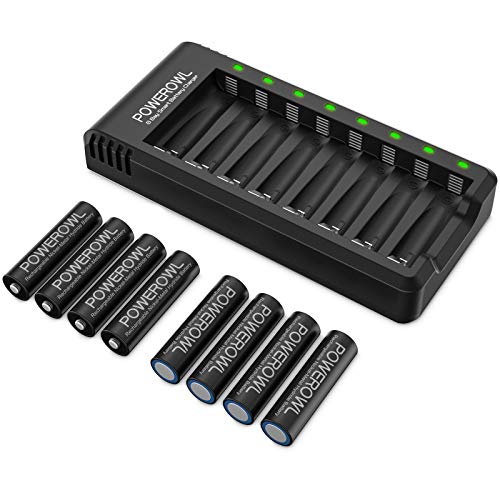
High Capacity 1.2V Ni-MH Batteries, Pack of 8 AA rechargeable batteries 2800mAh with a 8 bay smart charger

【High Conversion Rate】This 20W solar panel with monocrystalline A+ solar cell has an excellent cell efficiency of 21%-30%. Designed to charge and maintain 12V rechargeable batteries like LiFePO₄, Lithium Ion, AGM, SLA, GEL, EFB, MF, etc. Keep batteries in charged for trailer, tractor, truck, boat, motorcycle, RV, car, lawn mower, water pump, gate opener, electric fence, etc

High Capacity NIMH Battery Package: 8 Pack 2800mAh AA rechargeable batteries and 8 Pack 1000mAh AAA rechargeable batteries.Batteries will reach top performance after 3-5 times fully charge cycles
Decreased Capacity
Decreased capacity indicates a battery’s ability to store energy is diminishing. If your solar battery no longer holds a charge like it used to, consider these factors:
- Charge Duration: Notice if the battery takes longer to charge or discharges faster than before.
- Output Levels: Monitor the energy output; it should match its specifications. A significant drop signals a potential problem.
- Battery Age: Aging batteries naturally lose capacity. Most lithium-ion batteries last approximately 10-15 years, while lead-acid batteries typically last 3-5 years.
Physical Damage
Physical damage can directly affect battery performance. Look for these signs:
- Cracks or Dents: Inspect the battery’s casing. Any visible damage may lead to leaks or internal failures.
- Corrosion: Check for corrosion on terminals or connectors, which can impede energy flow.
- Swelling: Swollen batteries often indicate internal issues, such as overheating or chemical reactions. This can pose safety hazards.
Pay attention to these signs for timely intervention. Addressing issues quickly may enhance battery lifespan and maintain your solar system’s efficiency.
Maintenance Tips for Solar Batteries
Maintaining solar batteries enhances their performance and prolongs their lifespan. Follow these tips to keep your batteries in optimal condition.
Recommended Products
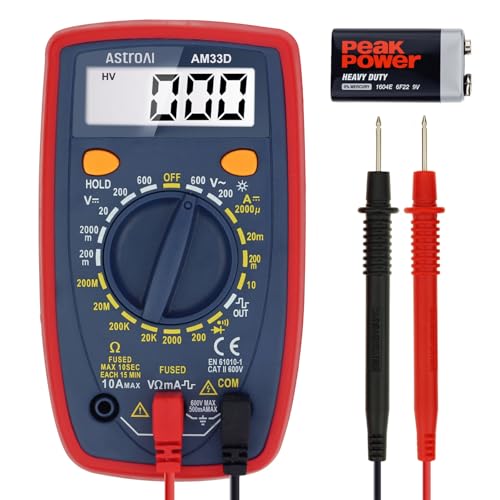
Additional Tips - The following incorrect operations may cause the multimeter not to show results: Firstly, the plugs of test leads are not fully inserted or not inserted into the correct sockets. Secondly, the manual rotary switch is not placed in the correct position. In addition, this meter can not test all AC Current and below 100mV AC Voltage. Please check the user manual carefully before measurement.
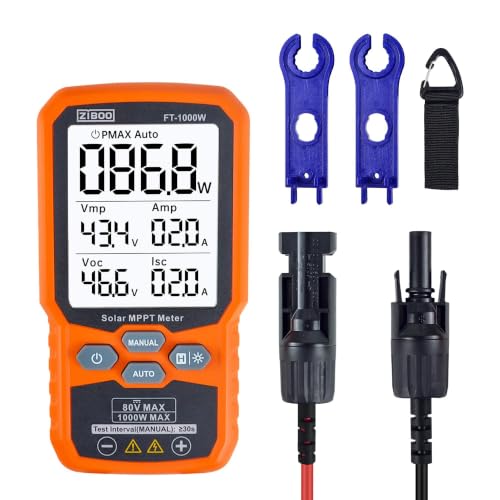
⚡ Professional-Grade PV Testing Measures maximum power (Pmax) up to 1000W, open-circuit voltage (Voc: 12-80V), and short-circuit current (Isc: 35A) with ±0.8% accuracy, ideal for validating solar panel performance in R&D, manufacturing, and field maintenance.

Accurately Test Full Features: Accurately measures AC/DC voltage, DC current, resistance, continuity test, diode and batteries.
Regular Inspections
Inspect your solar batteries at least every six months. Look for any signs of corrosion, leakage, or physical damage. Pay attention to battery connections; ensure they are tight and clean. Utilize a multimeter to check voltage levels. Consistent monitoring helps catch issues early, preventing costly replacements later.
Proper Storage Conditions
Store your solar batteries in a cool, dry place. Ideal temperatures range from 32°F to 77°F (0°C to 25°C). Excessive heat accelerates wear and can significantly shorten lifespan. If storing for an extended period, charge the battery to about 50% capacity. This level minimizes capacity loss during inactivity. Always avoid placing batteries directly on concrete floors; instead, use a wooden platform or mat for insulation.
Conclusion
Taking care of your solar batteries can make a big difference in their performance and lifespan. By understanding the types of batteries available and the factors that affect their health you can make smarter choices for your home.
Regular maintenance and monitoring for signs of wear will help you catch any issues early on. Keeping your batteries in a temperature-controlled environment and following the storage tips can also extend their life.
With the right approach you can enjoy the benefits of solar energy without worrying about battery failure. Your investment in solar can truly pay off if you stay proactive about battery care.
Frequently Asked Questions
What are solar batteries, and how do they work?
Solar batteries store energy generated by solar panels for later use, allowing homeowners to access power when the sun isn’t shining. They play a crucial role in optimizing solar energy systems by ensuring a constant energy supply, even during cloudy days or nighttime.
What types of solar batteries are available?
The main types of solar batteries include lithium-ion, lead-acid, flow, and nickel-cadmium. Lithium-ion batteries offer high energy density and long lifespans (10-15 years), while lead-acid batteries are more affordable but last only 3-5 years. Flow batteries are best for large setups, and nickel-cadmium batteries perform well in extreme temperatures but have environmental concerns.
What factors influence solar battery longevity?
Temperature is a significant factor affecting solar battery life. High temperatures can reduce efficiency and lifespan, especially in lithium-ion batteries. Additionally, the frequency and depth of charge and discharge cycles also impact battery health, so proper usage and conditions are essential for maximum longevity.
How can I tell if my solar battery is failing?
Signs of failing solar batteries include decreased capacity, where they take longer to charge or discharge faster than usual, and physical damage like cracks, corrosion, or swelling. Monitoring these indicators can help identify problems early and enable timely maintenance.
What maintenance tips can help prolong my solar battery’s lifespan?
Regularly inspect your solar batteries every six months for corrosion, leakage, or physical damage. Ensure that connections are tight and clean. Store batteries in a cool, dry place at ideal temperatures (32°F to 77°F), charge them to 50% capacity for extended storage, and avoid placing them directly on concrete floors to minimize insulation issues.
