

Are you considering solar panels for your home but wondering if you really need a battery? You’re not alone. Many homeowners face this question as they explore ways to harness solar energy efficiently.
Imagine enjoying the benefits of solar power during the day but losing access to it when the sun goes down. This is where batteries come into play. Understanding whether a battery is essential for your solar setup can help you maximize your energy savings and ensure a reliable power supply.
In this article, you’ll discover the key factors to consider when deciding on a battery for your solar panels. By the end, you’ll have a clearer idea of what works best for your energy needs.
Key Takeaways
- Understanding Solar Panels: Solar panels convert sunlight into usable electricity, offering cost savings, environmental benefits, and energy independence.
- Battery Storage Benefits: Utilizing batteries with solar panels enhances energy independence, allowing electricity use during nights and cloudy days, while also contributing to long-term cost savings.
- Key Considerations: Assess sunlight exposure, local regulations, and your energy consumption patterns to make informed decisions about incorporating battery storage with your solar system.
- Off-Grid vs. Grid-Tied Systems: Off-grid systems typically require batteries for energy storage, while grid-tied systems can benefit from grid access, potentially reducing the need for batteries.
- Alternatives to Battery Storage: Directly utilizing solar energy during the day and engaging in grid connection options like net metering can offer flexibility and minimize reliance on battery solutions.
Understanding Solar Panels
Solar panels convert sunlight into electricity, providing a sustainable energy source for your home. Understanding their operation and benefits helps you make informed decisions about your energy needs.
How Solar Panels Work
Solar panels contain photovoltaic (PV) cells that capture sunlight. When sunlight hits the cells, it generates direct current (DC) electricity. An inverter converts this DC electricity into alternating current (AC) electricity, which powers your home.
Benefits of Solar Panels
- Cost Savings: Reducing your electricity bills is a primary advantage. Depending on sunlight exposure, savings can range from 20% to 50% or more.
- Environmental Impact: Solar energy reduces your carbon footprint. Using solar power lowers greenhouse gas emissions, benefiting the environment.
- Energy Independence: Generating your own electricity offers freedom from fluctuating utility rates. This independence ensures access to power even during outages.
Types of Solar Panels
- Monocrystalline Panels: Known for high efficiency and space efficiency, they’re ideal for limited roof space.
- Polycrystalline Panels: Typically more affordable, these panels require more surface area for similar efficiency compared to monocrystalline panels.
- Thin-Film Panels: Lightweight and flexible, these are suitable for non-traditional spaces and provide aesthetic options.
Key Considerations
- Sunlight Exposure: Assess your roof’s sunlight access throughout the day. Areas with less sunlight might require more panels.
- Local Regulations: Understand local regulations and incentives. Many areas offer tax credits and rebates for solar installations.
- Battery Storage: Consider if you want battery storage. Integrating batteries allows you to store excess energy for use at night or during cloudy days.
In Summary
By grasping the fundamentals of solar panels, you can better evaluate your energy needs. Recognizing their workings, benefits, types, and considerations empowers you to make choices that align with your energy goals.
Benefits of Using Battery Storage
Using battery storage with solar panels offers significant advantages that enhance your energy setup. These benefits include increased energy independence and potential cost savings.
Recommended Products


Rugged Construction: Featuring Absorbed Glass Mat (AGM) Technology and a durable construction, this battery provides consistent, reliable performance across a wide range of temperatures, making it ideal for many standby systems.

32kWh Home Backup Solution: Equipped with six 590W N-type panels, a 10kW hybrid inverter, two 48V 314Ah LiFePO4 batteries and necessary cables, this integrated system delivers 30kWh+ of usable energy for whole-home backup, solar energy storage, off-grid living, and emergency power.
Energy Independence
You gain energy independence by storing solar energy for use during cloudy days or at night. For example, with a fully charged battery, your home can run on solar energy even when the sun isn’t shining. This capability reduces reliance on the grid. In many areas, having this independence can become vital during power outages, ensuring you maintain access to essential power sources. If your area experiences frequent outages, a battery can provide peace of mind by keeping your home energized and operational during blackouts.
Cost Savings
Investing in battery storage can lead to substantial long-term savings. By storing excess solar energy generated during the day, you can avoid purchasing electricity from the grid during peak hours when rates are highest. This strategy helps reduce monthly energy bills. Additionally, some utility companies offer incentive programs for homeowners who store energy and feed it back into the grid. This allows you to earn credits, further lowering costs. Over time, the savings on your energy bills can often offset the initial investment in a solar battery, making it a financially savvy choice.
Factors to Consider
When deciding whether to invest in a battery for your solar panels, evaluate several key factors. Understanding how these elements interact with your energy needs helps determine the best approach for your home.
Recommended Products

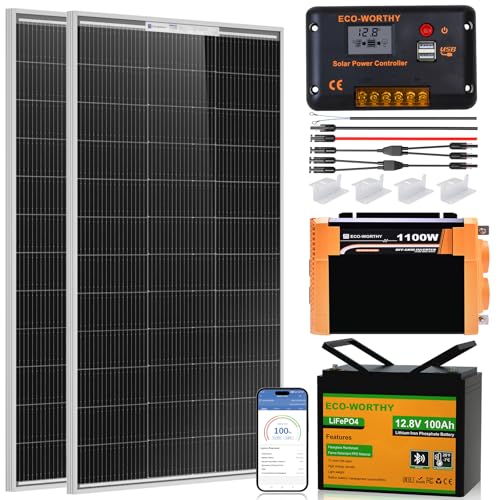
One-Stop Solar Solution: This complete 200W solar complete system generates 800Wh of power daily and stores 1.28Kwh of power, making it the essential kit for your RV trip. This system comes with everything you need to build an off-grid solar system, no additional purchases required. It includes 2pcs 100W solar panel, 12.8V 100Ah lithium battery, 1100W inverter, a 30A PWM charge controller, and all necessary cables.

Off-Grid vs. Grid-Tied Systems
Off-grid systems operate independently from the utility grid. They typically require batteries to store energy for use during nights or cloudy periods. If you’re in a remote area, an off-grid system provides full energy independence.
Grid-tied systems connect to the utility grid, allowing you to draw power when solar energy isn’t available. With a grid-tied system, you might opt for a smaller battery or none at all, as the grid serves as a reliable backup. Research local incentives and utility rates since these can influence your battery decision.
Energy Consumption Patterns
Analyze your household’s energy consumption patterns. Determine peak usage times and average daily energy needs. If you consume more energy during the day, you might rely more on solar power and less on batteries.
If your energy use spikes in the evening, a battery ensures you tap into stored solar energy after sunset. For instance, if your home relies on electricity for heating or cooking during those hours, a battery can significantly reduce costs. Consider a detailed energy audit to assess your consumption and identify opportunities for energy savings.
Alternatives to Battery Storage
You can explore several alternatives to battery storage when utilizing solar panels. These options allow you to optimize energy use and minimize costs without relying solely on batteries.
Recommended Products

Efficient Solar Power Conversion: Designed for 120V grid-connected solar systems, this 800W micro inverter delivers up to 96% peak efficiency with a power factor above 0.99, helping convert available solar energy into stable AC power for everyday home solar applications

High-Efficiency Solar Power Conversion: Designed for grid-connected solar systems, this 800W micro inverter delivers up to 96% peak efficiency with a power factor above 0.99. Converts DC power from compatible solar panels into 120V AC power for residential grid-tie applications

Turn Sunlight into Power for Your Home: Put solar energy to work with up to 96% peak conversion efficiency and pure sine wave output matched to your 120V AC utility grid. This micro inverter delivers up to 1200W continuous AC output to help offset electricity drawn from the grid. Actual output varies with solar panel capacity, sunlight, temperature, and installation conditions
Direct Usage of Solar Energy
Directly using solar energy provides an efficient way to power your home. When your solar panel system generates electricity during daylight hours, you can use that energy for immediate needs like running appliances or lighting. This usage eliminates the need for storage, as you consume energy as it’s produced. For example, if your solar panels generate 6 kilowatt-hours (kWh) on a sunny day, you can use that energy to power your washing machine, reducing reliance on the grid. Setting timers on heavy appliances to run during daylight aligns usage with solar production, maximizing the benefits of solar energy.
Grid Connection Options
Grid connection options enable you to harness solar energy without battery storage. If you choose a grid-tied system, your home remains connected to the utility grid. You can draw power from the grid when solar production is low, such as during nighttime or cloudy days. Additionally, net metering allows you to sell excess energy back to the grid, offsetting costs. For instance, if your system generates 10 kWh more than you use in a month, that amount can earn you credits on your electricity bill. This setup provides flexibility and ensures access to electricity even without a battery system in place.
Leveraging these alternatives, you can efficiently manage energy use while enjoying the benefits of solar panels.
Conclusion
Deciding whether to invest in a battery for your solar panels ultimately comes down to your individual needs and energy habits. If you want to maximize your energy independence and ensure a reliable power supply during outages or at night a battery might be the way to go.
On the other hand if you’re mostly using solar energy during the day and have a good connection to the grid you might find that you can get by without one.
Take some time to analyze your energy consumption patterns and consider your long-term goals. With the right approach you can make a choice that fits your lifestyle and helps you enjoy the benefits of solar energy to the fullest.
Frequently Asked Questions
Should I invest in a battery for my solar panels?
Investing in a battery depends on your energy needs and lifestyle. If you want to store excess solar energy for nighttime use or as backup during outages, a battery can be beneficial. However, if you primarily use solar energy when it’s produced and remain connected to the grid, a battery may not be necessary.
How do solar panels work?
Solar panels convert sunlight into electricity using photovoltaic (PV) cells. These cells absorb sunlight and generate direct current (DC) electricity, which is then converted to alternating current (AC) electricity by inverters for household use.
What are the benefits of solar panels?
Solar panels offer various benefits, including significant cost savings on electricity bills, reduced environmental impact by lowering carbon emissions, and increased energy independence. They can also enhance property value and provide long-term energy security.
What types of solar panels are available?
The main types of solar panels are monocrystalline, polycrystalline, and thin-film. Monocrystalline panels are known for their high efficiency and space-saving design, while polycrystalline panels are more affordable. Thin-film panels are lightweight and flexible, making them suitable for specific applications but generally less efficient.
How do battery systems enhance solar energy usage?
Battery systems store excess solar energy generated during the day for later use at night or during low production periods. This helps homeowners reduce their dependence on the grid, avoid peak electricity rates, and provides a reliable power source during outages.
What factors should I consider before investing in a battery?
Consider your household energy consumption patterns, the type of solar system (grid-tied or off-grid), and whether you frequently need power during non-sunny periods. Analyze peak usage times and potential benefits, such as savings from avoiding high utility rates.
Are there alternatives to battery storage?
Yes, alternatives include directly using solar energy as it’s produced, remaining connected to the grid for backup, and utilizing net metering to sell excess energy back to the grid. These options can help optimize energy use without the need for battery storage.
Can I use my solar energy immediately instead of storing it?
Absolutely! Consuming solar energy as it’s produced is an effective way to maximize efficiency and reduce reliance on storage. Just ensure your energy consumption aligns with solar production times to effectively lower your electricity bills.
