

Ever swapped out your car battery only to find that your starter suddenly refuses to cooperate? It’s like your car decided to throw a tantrum at the worst possible moment. We’ve all been there – the frustration is real. But fear not, because in this article, we’ve got your back. We’ll guide you through troubleshooting why your car starter is acting up post-battery swap.
Imagine being all set to hit the road, only to be met with a silent engine when you turn the key. It’s a scenario that can make anyone’s blood pressure skyrocket. Don’t worry, though – we’re here to unravel the mystery behind your car’s uncooperative starter. By the end of this read, you’ll be armed with the knowledge to tackle this issue head-on, getting you back on the road in no time.
In this article, we’ll break down the common reasons why your car starter might be playing hard to get after a battery change. No need to panic – we’ve got the solutions you need to troubleshoot and resolve this pesky problem. Get ready to say goodbye to starter struggles and hello to smooth, hassle-free starts every time you turn the key.
Checking Battery Connections
When dealing with a car starter issue after a battery change, it’s crucial to start by checking the battery connections. Poorly connected or dirty terminals can often be the root cause of the problem. Here’s how to approach this:
- Inspect the terminals: Ensure the cables are securely attached to the battery terminals. Look out for any corrosion or buildup that could hinder a solid connection.
- Tighten connections: If the terminals seem loose, use a wrench to tighten them carefully. A snug connection is key to proper functionality.
- Clean terminals: Wipe off any dirt, corrosion, or residue using a mixture of water and baking soda. This helps establish a clean, conductive contact point.
Remember, properly connected and clean battery terminals are essential for your car starter to work efficiently.
Testing the Starter Relay
When troubleshooting a car starter issue after a battery change, it’s essential to consider the starter relay. The starter relay plays a crucial role in transferring electrical power from the battery to the starter motor.
Recommended Products

Reliable Starting Power: The Starter Relay 28300-10020 is designed to provide reliable starting power to your vehicles, it is compatible for Toyota, Lexus, Camry, or Corolla vehicle. It ensures smooth ignition sequence and consistent starting performance.

Brand new Car Relay 4 Pin 12v 40amp Model No : JD2912-1H-12VDC 40A 14VDC

Quality Assured: Made in the USA, top-quality starter relays constructed of high-quality materials for long-lasting durability and reliability, meeting or exceeding OEM standards
Signs of a faulty starter relay:
- Engine does not crank: If you turn the key and the engine doesn’t crank, the starter relay may be at fault.
- Clicking noise: A rapid clicking noise when you try to start the car can indicate a problem with the starter relay.
- Intermittent starting: If your car starts some days and not others, it could be due to a faulty starter relay.
How to test the starter relay:
- Locate the starter relay: The starter relay is usually found in the engine bay fuse box or near the battery.
- Visual inspection: Check for any visible signs of damage, such as melted components or a burnt smell.
- Testing with a multimeter: Use a multimeter to check for continuity between the relay terminals when the ignition is turned. No continuity indicates a faulty relay.
- Swapping relays: You can also swap the starter relay with a similar one from another system in your car to see if the issue persists.
- Replacement: If the starter relay is faulty, replacing it with a new one should resolve the issue.
- Consult a professional: If you’re unsure about testing or replacing the starter relay, it’s best to seek help from a mechanic to avoid further complications.
Stay tuned for more tips on resolving car starter issues after a battery replacement.
Inspecting the Starter Solenoid
When your car’s starter isn’t working after a battery change, Inspecting the Starter Solenoid may help pinpoint the issue. Here’s how to do it:
- Locate the Starter Solenoid: Find the starter solenoid in your vehicle. It’s usually connected to the starter motor or on the firewall.
- Visual Inspection: Look for any signs of physical damage like corrosion, loose connections, or frayed wires. These can indicate a problem with the starter solenoid.
- Testing with a Multimeter: Use a multimeter to check the continuity of the solenoid coil. A reading of zero ohms indicates good continuity, while a high reading points to a faulty solenoid coil.
- Checking for Power: Test for power at the solenoid terminals while someone else turns the ignition key. If there’s power but the solenoid isn’t clicking or engaging, it could be a sign of a defective solenoid.
- Inspecting the Starter Contacts: Examine the starter contacts for wear or burning. Worn contacts can prevent the starter solenoid from functioning correctly.
Keep in mind that a malfunctioning starter solenoid can mimic symptoms of a bad starter, so accurate diagnosis is crucial.
Recommended Products
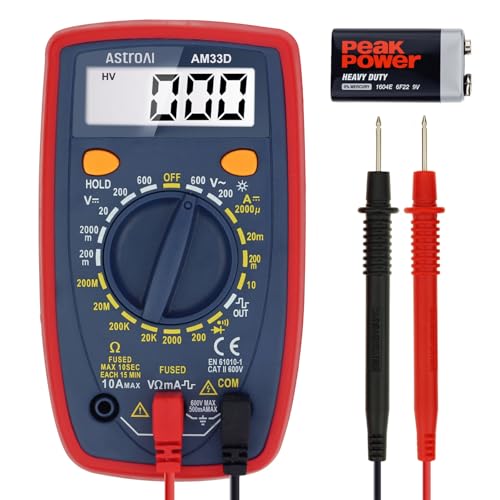
Additional Tips - The following incorrect operations may cause the multimeter not to show results: Firstly, the plugs of test leads are not fully inserted or not inserted into the correct sockets. Secondly, the manual rotary switch is not placed in the correct position. In addition, this meter can not test all AC Current and below 100mV AC Voltage. Please check the user manual carefully before measurement.
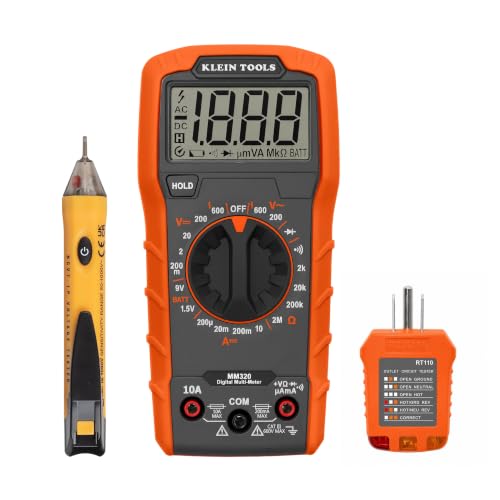
VERSATILE MULTIMETER: Measures up to 600V AC/DC voltage, 10A DC current, and 2MOhms resistance

Ford Style Solenoid Rated to 200 Amps Starting Power at 12V
Additional Information
Stay informed about your vehicle’s intricate parts to ensure a smoother driving experience.
Examining the Ignition Switch
When troubleshooting a car starter that’s acting up after a battery replacement, Examining the Ignition Switch is another critical step. The ignition switch plays a key role in the starting process, and issues here can often be mistaken for starter problems. Here’s what you need to know:
- Understanding the Ignition Switch: The ignition switch is responsible for sending power to the starter solenoid when you turn the key. A faulty switch can prevent the flow of electricity, leading to starting issues.
- Visual Inspection: Start by visually inspecting the ignition switch for any signs of wear, corrosion, or loose connections. These issues can disrupt the electrical connection needed to start the car.
- Testing Continuity: Use a multimeter to check for continuity in the ignition switch. Continuity ensures that electricity can flow smoothly through the switch, enabling the starting process.
- Checking for Power: Verify that the ignition switch is receiving power when the key is turned. A lack of power can indicate a problem with the switch or its connections.
- Seeking Professional Help: If you’re unsure about Examining the Ignition Switch, consider consulting a mechanic or auto technician for further diagnosis and assistance.
By Examining the Ignition Switch alongside the starter solenoid and other components, you can pinpoint the root cause of your car starter issues more accurately.
Remember, a thorough inspection and understanding of your vehicle’s key components are essential for a smoother driving experience.
Recommended Products

Accurately Test Full Features: Accurately measures AC/DC voltage, DC current, resistance, continuity test, diode and batteries.
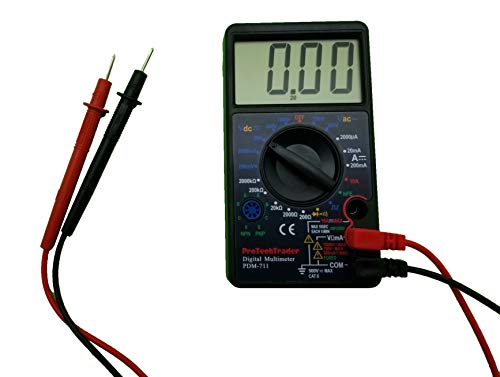
PDM-711 is a black digital multimeter with a large 1.15-inch LCD screen. Its compact body measures 6.9 x 12.5 x 2.3 cm for bench or field measurements.

Wide Kailh Variety: Discover 35 curated Kailh mechanical switches arranged in a plate. This comprehensive sampler lets you instantly compare classics like Box Red, White, Brown, and Jade alongside performance variants like Super Speed Silver, Box Heavy, and Silent series in one compact kit.
Conclusion
Now that you’ve learned about the importance of checking the ignition switch when dealing with car starter issues after changing the battery, you’re equipped with valuable knowledge to troubleshoot effectively. Remember to visually inspect the switch for any signs of wear or loose connections. Testing continuity and ensuring power flow during ignition are crucial steps in diagnosing the problem. If you’re uncertain at any point, don’t hesitate to seek professional assistance. Understanding the ignition switch and its role in conjunction with other components will not only lead to accurate diagnosis but also contribute to a smoother driving experience. Stay informed and proactive when it comes to maintaining your vehicle’s functionality.
Frequently Asked Questions
How important is the ignition switch when troubleshooting car starter issues after replacing the battery?
The ignition switch plays a crucial role in supplying power to the starter solenoid. It is recommended to inspect it for wear and loose connections post-battery replacement.
What are the suggested steps for checking the ignition switch?
Use a multimeter to test the continuity of the ignition switch. Additionally, verify for power supply during ignition to ensure its proper functionality.
What should I do if I am uncertain about diagnosing the ignition switch?
If you are unsure about the diagnosis, it is advisable to seek assistance from a professional to accurately assess the ignition switch and other related components.
Why is understanding the ignition switch important for a smoother driving experience?
Comprehending the ignition switch along with other components is crucial for precise troubleshooting, ensuring a smoother driving experience and preventing potential issues in the future.
