

Ever found yourself stuck with a car that just won’t start? Picture this: you’re running late, you hop in your car, turn the key, and… nothing. Frustrating, right? If your car battery isn’t taking a charge, you’re not alone. But fear not! In this article, we’ve got your back with practical tips to get you back on the road in no time.
So, why should you keep reading? Well, imagine the relief of knowing how to troubleshoot and fix your car battery issue without breaking a sweat. Say goodbye to the stress of unexpected breakdowns and hello to a smoother driving experience. Let’s dive in and unravel the mystery of why your car battery is acting up.
Common Signs of a Car Battery Not Taking a Charge
When your car battery is not taking a charge, there are some clear signs to watch out for that indicate a potential issue. Here are some common signals that your car battery may not be holding or accepting a charge properly:
- Dimming Headlights: If you notice your headlights are unusually dim, it could be a sign that your battery is not taking a charge effectively.
- Slow Engine Crank: When you try to start your car and the engine cranks slowly, it may indicate a struggling battery.
- Frequent Jump Starts: If you find yourself needing to jump-start your car frequently, it could be a sign of a battery that’s not retaining a charge.
- Dashboard Warning Lights: Pay attention to any dashboard warning lights related to the battery, as they can provide early indications of charging issues.
- Electrical Component Malfunctions: Issues with power windows, locks, or other electrical components can be a sign of a battery struggling to hold a charge.
- Old Battery: If your car battery is several years old, it may naturally have difficulty holding a charge and require replacement.
- Corroded Terminals: Visibly corroded or dirty battery terminals can interfere with the charging process and contribute to charging problems.
Regularly checking for these signs can help you identify and address car battery charging issues promptly, ensuring a reliable and hassle-free driving experience.
Causes of a Car Battery Not Holding a Charge
If you’re experiencing a car battery not holding a charge, several factors might be at play. Here are some common causes to watch out for:
- Aging Battery: Over time, batteries naturally lose their ability to hold a charge effectively.
- Short Trips: Frequently taking short trips may not give your battery enough time to recharge fully.
- Faulty Charging System: Issues with the alternator, regulator, or charging cables can prevent the battery from charging correctly.
- Parasitic Drain: Electronics like clocks or stereo systems can drain the battery when the car is off.
- Extreme Temperatures: Hot summers or cold winters can impact the battery’s performance.
- Corrosion: Build-up on the battery terminals can interfere with the charging process.
Identifying the root cause of your battery issues can help you take appropriate steps to resolve them and keep your car running smoothly.
How to Test Your Car Battery for Charging Issues
To determine if your car battery is the source of charging problems, perform a few simple tests. By following these steps, you can pinpoint issues and take appropriate action to address them effectively.
- Check the Battery Voltage: Use a multimeter to measure the voltage of your car battery. A healthy battery should have a charge of around 12.6 volts. Anything significantly lower could signal a problem.
- Inspect the Battery for Physical Signs: Look for any signs of damage, corrosion, or leaks on the battery terminals. These issues can hinder the battery’s ability to hold a charge.
- Test the Alternator: Start your vehicle and use the multimeter to check the voltage while the engine is running. The voltage should read between 13.8 to 14.4 volts, indicating that the alternator is functioning correctly.
- Perform a Load Test: Consider taking your battery to a professional for a load test. This test assesses how well the battery can maintain a charge under a load, providing insight into its overall health.
- Assess for Parasitic Draw: If your battery continues to lose charge, there may be a parasitic draw from electronic components. Consult a mechanic to identify and resolve this issue.
By conducting these tests, you can diagnose charging problems and take proactive steps to ensure your car battery functions optimally. Your vehicle’s performance and reliability depend on a well-maintained battery.
Recommended Products
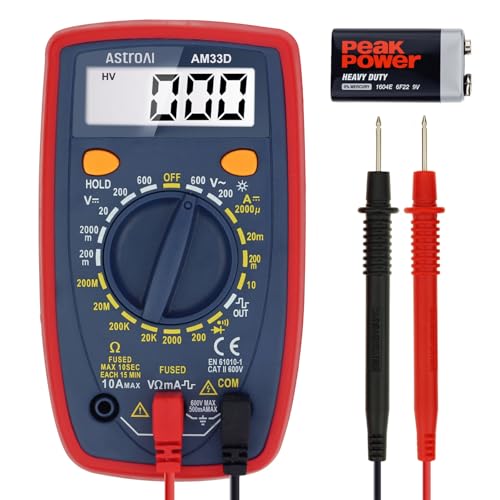
Additional Tips - The following incorrect operations may cause the multimeter not to show results: Firstly, the plugs of test leads are not fully inserted or not inserted into the correct sockets. Secondly, the manual rotary switch is not placed in the correct position. In addition, this meter can not test all AC Current and below 100mV AC Voltage. Please check the user manual carefully before measurement.

Accurately Test Full Features: Accurately measures AC/DC voltage, DC current, resistance, continuity test, diode and batteries.

✅【Car Battery Tester】 BR502 can test all 6V/12V/24V 100-2000CCA batteries including regular flooded, AGM flat plate, AGM spiral, or gel batteries, compatible with cars, SUVs, Pickups, Boats, Motorcycles and etc. Provide overall analysis of batteries’ health and help you know its status in advance before it dies.
Steps to Fix a Car Battery That Won’t Charge
When your car battery refuses to take a charge, it can be frustrating. Here are some steps to help you address this issue and get your battery back in shape:
- Check Battery Connections: Ensure that the battery terminals are clean and securely connected to the cables. Corrosion can hinder the charging process.
- Inspect Battery Health: Test the battery voltage with a multimeter. A healthy 12-volt battery should read around 12.6 volts when fully charged.
- Test the Alternator: Verify the alternator’s voltage output to see if it is charging the battery properly. The voltage should typically be between 13.8 and 14.2 volts when the engine is running.
- Perform a Load Test: Conduct a load test to evaluate the battery’s health under load. A fully charged battery should maintain a voltage of above 9.6 volts during the test.
- Address Parasitic Draws: Identify and eliminate parasitic draws that can drain the battery when the car is off. Common culprits include faulty components like interior lights or aftermarket accessories.
These steps can help you troubleshoot and fix common issues that prevent your car battery from charging effectively. Remember, a well-maintained battery is key to ensuring your vehicle’s reliable performance.
Recommended Products

3 Tests with 1 Device - Battery analysis, charging system test, and starter motor test

【Reliable Automotive Car Battery Tester】 KW208 is the most cost-effective battery load tester compared to other brands, it has all the functions you need and the lowest cost that you can afford. KW208 can test all 12V batteries(100-2000CCA) including regular flooded, AGM flat plate, AGM spiral or gel batteries. Provide overall analysis of batteries’ condition and help you know their status in advance before it dies. KW208 battery analyzer supports cranking and charging system tests also alternator and starter test. Conveniently store this car battery tester for batteries in your glove box or garage, ready for use whenever needed.

Versatile Battery Load Tester & Voltage Tester: Effectively check the battery and voltage of various vehicles including cars, trucks, RVs, and golf carts. This powerful diagnostic tool ensures accurate results for both 6V and 12V batteries.
Preventive Measures for Future Car Battery Issues
- Regular Maintenance: Make it a habit to inspect your battery terminals for corrosion and ensure they are clean to promote optimal contact.
- Driving Habits: Try to take your car for regular drives to keep the battery charged. Short trips may not give your battery enough time to fully recharge.
- Battery Testing: Periodically check your battery voltage to catch any potential issues early on. An ideal reading for a 12-volt battery is around 12.6 volts.
- Electrical System Check: Routinely inspect your vehicle’s charging system to identify any irregularities before they affect your battery.
- Parasitic Drain Detection: Be vigilant about identifying any parasitic draws that may be draining your battery even when the car is not in use.
- Extreme Temperatures: Protect your battery from extreme temperatures, as both cold and heat can affect its performance.
- Battery Age: Monitor your battery’s age and consider replacement if it is reaching the end of its lifespan.
| Key Points | Data/Statistics |
|---|---|
| Regular Maintenance | Inspect battery terminals for corrosion |
| Driving Habits | Take regular drives to keep the battery charged |
| Battery Testing | Aim for a battery voltage reading around 12.6 volts |
| Electrical System | Check for any irregularities in the charging system |
| Parasitic Drain | Identify and eliminate parasitic draws |
| Extreme Temperatures | Protect battery from extreme cold and heat |
| Battery Age | Monitor age and consider replacement if needed |
Recommended Products

Catch Battery Problems Early: Featured in two videos by Project Farm, a popular YouTube channel with millions of subscribers, the ANCEL BA101 helps you quickly spot battery issues before they leave you stranded. It provides easy-to-understand readings for State of Health (SOH), State of Charge (SOC), voltage, current, CCA, plus cranking and charging system tests, so you can better understand your battery and help avoid unexpected breakdowns
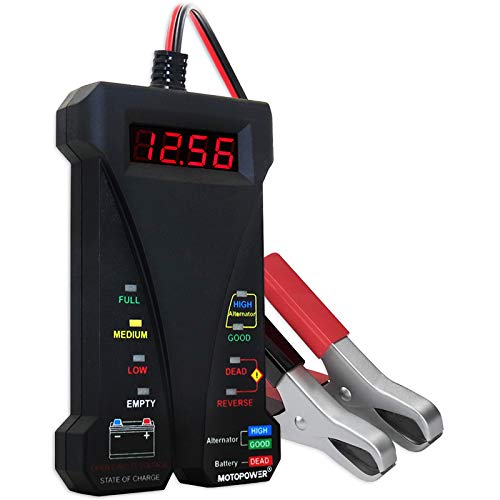
Effortless Operation - Boasting a “plug-and-test” design, there's no need for complex set-up procedures. Just connect it to the battery following simple steps. Without starting the vehicle, you can read the battery status, and after starting, quickly obtain the alternator status. Whether you're a professional mechanic or an ordinary car owner, you can easily use it to quickly determine if the battery needs jump - starting, replacement, or if the alternator output is normal.

Easy To Use - The battery load tester is easy to use and read of 6V and 12V batteries for cars, trucks, RVs, motorcycle, boats and so on. Portable and quick to operate at home or garage instead of going to the shop for battery reading.
Conclusion
Keeping these tips in mind can help you avoid the frustration of dealing with a car battery that won’t charge. By following simple maintenance practices and being mindful of your driving habits, you can extend the life of your battery and keep your vehicle running smoothly. Remember, a little proactive care can go a long way in ensuring your car’s electrical system stays in top condition. Stay informed, stay vigilant, and enjoy hassle-free driving!
Frequently Asked Questions
How can I troubleshoot a car battery that won’t charge?
To troubleshoot a car battery that won’t charge, start by checking the battery connections for corrosion or looseness. Test the battery voltage with a multimeter to ensure it’s above 12.4 volts. If the voltage is low, try jump-starting the car or charging the battery with a battery charger. If the battery still won’t charge, it may need to be replaced.
What preventive measures can I take to avoid future car battery issues?
To prevent future car battery issues, practice good driving habits that reduce strain on the battery, such as avoiding frequent short trips. Perform regular maintenance like cleaning battery terminals and ensuring proper fluid levels. Test the battery periodically and inspect the electrical system for any issues. Be vigilant in detecting parasitic drains and protect the battery from extreme temperatures. Monitor the battery’s age and replace it if needed for optimal performance.
