

Ever wondered why your car battery filament just won’t stick to the bed? Picture this: you’re all set to start a new 3D printing project, only to find the filament peeling off the bed like a stubborn sticker. Frustrating, right? But fret not, because in this article, you’ll discover practical tips and tricks to troubleshoot this common issue.
Have you ever faced the struggle of wasted time and resources due to a simple yet vexing problem like this? You’re not alone! Many makers and creators have encountered the same challenge of ensuring their 3D prints stick firmly to the bed. But fear not, as we’re here to guide you through the process of achieving that perfect adhesion for successful printing sessions.
Understanding the Importance of Adhesion in 3D Printing
In 3D printing, adhesion refers to how well the printed layers stick together and adhere to the print bed. This is a crucial aspect because poor adhesion can result in failed prints. Understanding the importance of adhesion can help you troubleshoot issues and achieve successful prints consistently.
Adhesion affects the success of your prints in multiple ways:
- First Layer Adhesion: A strong first layer adhesion ensures the print stays in place throughout the printing process.
- Print Quality: Proper adhesion leads to cleaner and more accurate prints.
- Print Stability: Good adhesion prevents warping and distortion during printing.
Factors that Influence Adhesion:
- Filament Type: Different filaments have varying adhesion requirements.
- Bed Surface: The choice of bed material and surface treatment impacts adhesion.
- Bed Temperature: Maintaining the correct bed temperature is essential for proper adhesion.
- Leveling: Proper bed leveling ensures uniform adhesion across the print surface.
Achieving Optimal Adhesion:
- Clean the Print Bed: Ensure the bed is clean and free from debris or oils.
- Use Adhesive Aids: Consider using adhesives like glue sticks or specialized bed adhesives.
- Adjust Bed Temperature: Experiment with different bed temperatures to find the optimal setting.
- Check Bed Leveling: Regularly check and adjust the bed leveling for consistent adhesion.
Tips for Troubleshooting Adhesion Issues:
- Warped Prints: Increase bed temperature or adjust cooling settings.
- First Layer Not Sticking: Try adjusting the initial layer height or the bed leveling.
- Adhesion to Specific Filaments: Experiment with different bed adhesion methods based on the filament type.
**Remember, proper adhesion is key to successful 3D prints. By understanding its importance and implementing best practices, you can enhance your printing experience and achieve satisfactory results consistently.
Common Reasons Why Filament May Not Stick to the Bed
If you’re facing issues with your car battery filament not sticking to the bed, several factors could be at play. Here are some common reasons behind this frustrating problem:
- Incorrect Bed Leveling: Ensuring your print bed is properly leveled is crucial for adhesion. A bed that’s not leveled will cause uneven gaps between the nozzle and bed surface, leading to poor filament adhesion.
- Inadequate Bed Temperature: Filament relies on a sufficiently heated bed for proper adhesion. If the bed temperature is too low, the filament may not melt and adhere correctly, resulting in poor layer adhesion.
- Poor Bed Adhesion Surface: The type of bed surface you have can significantly impact your print’s adhesion. Different filament types may require specific bed surfaces such as glass, BuildTak, PEI, or painter’s tape for optimal adhesion.
- Dirty or Greasy Bed Surface: A dirty bed surface can prevent filament from sticking properly. Make sure to regularly clean the bed surface with isopropyl alcohol to remove any dust, debris, or oils that can hinder adhesion.
- Incorrect Printing Speed or Nozzle Height: Printing too fast or having the nozzle too far from the bed can affect adhesion. Adjusting your printing speed and ensuring the proper nozzle height can help improve filament adhesion.
- Moisture in Filament: Moisture absorbed by filament can lead to poor adhesion. Store filament in a dry environment and consider using a filament dryer to remove excess moisture before printing.
| Important Data |
|---|
| Bed Leveling: ☑️ |
| Bed Temperature: ☑️ |
| Bed Surface: ☑️ |
| Cleaning: ☑️ |
| Nozzle Height: ☑️ |
| Filament Moisture: ☑️ |
Tips for Preparing the Printing Surface to Improve Adhesion
When facing issues with your car battery filament not sticking to the bed, it’s crucial to focus on preparing your printing surface adequately. Here are some essential tips to enhance adhesion and optimize your 3D printing results:
- Clean the Printing Surface: Ensure the bed surface is free of any dust, debris, or residue that could hinder adhesion.
- Use Adhesion Aids: Consider applying adhesive materials such as glue sticks, hairspray, or specialized bed adhesives to improve filament grip.
- Adjust Bed Leveling: Properly level the bed to create a uniform surface for consistent filament adhesion across the print.
- Optimize Bed Temperature: Maintain the recommended bed temperature based on the filament material to promote adhesion during printing.
Implementing these tips can significantly enhance the adhesion of your car battery filament to the printing bed, leading to more successful 3D printing projects.
Recommended Products

Quality Assurance: Produced by Creality, our 3D printer glue sticks guarantee reliability and consistent performance

WORKS ON MULTIPLE FILAMENTS: This versatile 3D printer glue is ideal for securing prints made with ABS, PLA, PETG, HIPS, and TPU filaments. This PLA glue's reliable bonding ensures your creations stay in place throughout all printing processes, making this adhesive glue an essential addition to your 3D printing supplies. Whether you are a professional or looking for gifts for 3D printer lovers, our adhesive glue guarantees smooth results across various filament types of all 3D printing projects. It is also compatible with TPU Flex filament.

Packaging upgrade: In order to more reflect the sense of design, have optimized and upgraded the appearance of the product. The outer packaging of the product purchased may be blue. promise that the quality of the products be the same as before, but with Upgraded packaging
Troubleshooting Techniques for Better Bed Filament Adhesion
Facing issues with your car battery filament not sticking to the bed can be frustrating. To resolve this, consider the following troubleshooting techniques:
- Check Bed Leveling: Ensure the bed is properly leveled, as uneven surfaces can lead to poor adhesion.
- Clean the Bed: A clean printing surface is essential for filament adhesion. Residue or dirt can hinder the bonding process.
- Adjust Bed Temperature: Depending on the filament material, optimal bed temperatures can improve adhesion.
- Use Adhesion Aids: Consider using glue sticks or specialized adhesion sprays to enhance bed adhesion.
Implementing these troubleshooting techniques can help improve the adhesion of your car battery filament to the bed, leading to more successful 3D printing outcomes.
Testing and Optimizing Bed Adhesion for Successful 3D Printing
When struggling with car battery filament not sticking to the bed, optimizing bed adhesion is crucial for successful 3D printing. Here’s how you can test and enhance bed adhesion effectively:
- Clean Your Printing Surface: Before each print, ensure your bed is spotless. Grease and dust can hinder adhesion, causing print failures.
- Adjust Bed Temperature: Different filament materials require varying bed temperatures for optimal adhesion. Consult material guidelines for the correct temperatures.
- Use Adhesion Aids: Consider applying glue sticks or adhesive sprays to improve bed adhesion. These aids create an extra layer of stickiness for your prints to adhere to.
- Check Bed Leveling: Correct bed leveling ensures an even distance between the nozzle and bed, promoting proper adhesion across the entire print.
By following these steps, you’ll significantly increase the adhesion of your car battery filament to the bed, leading to more successful 3D printing outcomes.
| Tips for Testing and Optimizing Bed Adhesion |
|---|
| Clean Your Printing Surface |
| Adjust Bed Temperature |
| Use Adhesion Aids |
| Check Bed Leveling |
Recommended Products
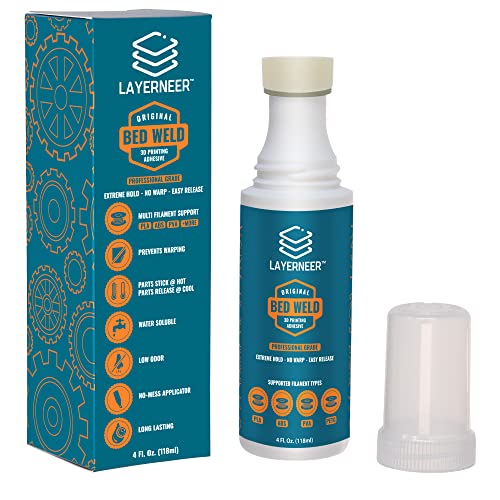
THERMAL DYNAMIC COATING: Based on science, works like magic; Parts stick at hot and release when cooled; CHECK COMPATIBILITY IMAGE FOR YOUR SURFACE TYPE

Strong Adhesion:This bambu liquid glue is an adhesive specially developed for 3D printing,keeps your prints locked down even during high-speed printing, stopping warping and lifting dead in their tracks. nailing that perfect first layer every time. Say goodbye to failed prints—this stuff boosts success rates while saving filament and time.

【Improved Adhesion】TEQStone JT16 3D printer glue stick provides stronger adhesion to the print bed surface, reduces printing errors and deformation, and makes it easier to remove prints from the bed
Conclusion
Optimizing bed adhesion is key to successful 3D printing with car battery filament. By keeping your printing surface clean, adjusting bed temperature, using adhesion aids, and ensuring proper bed leveling, you can enhance filament adhesion and achieve better printing results. Remember, a few simple adjustments can make a big difference in your 3D printing experience. Happy printing!
Frequently Asked Questions
How important is bed adhesion in 3D printing car battery filament?
Bed adhesion is crucial as it directly impacts the success of 3D printing car battery filament by ensuring the model sticks securely to the print bed throughout the printing process.
What are some key tips for optimizing bed adhesion when 3D printing car battery filament?
Maintain a clean printing surface, adjust bed temperature according to the filament material requirements, use adhesion aids like glue sticks or sprays, and ensure proper bed leveling for improved adhesion results.
How can users enhance the adhesion of car battery filament to the bed?
By following best practices such as cleanliness, temperature adjustments, adhesion aids, and bed leveling, users can significantly improve adhesion and achieve more successful 3D printing results.
