

Have you ever wondered if you can use rechargeable batteries in your solar lights? It’s a common question for anyone looking to brighten up their outdoor spaces while being eco-friendly. You might find yourself frustrated when your solar lights don’t shine as brightly as they should, and the thought of replacing batteries can feel overwhelming.
Key Takeaways
- Rechargeable Battery Compatibility: You can use rechargeable batteries in solar lights, significantly enhancing their performance and sustainability.
- Battery Types: Common options for solar lights include Nickel-Metal Hydride (NiMH) and Lithium-ion batteries, both of which offer better longevity and efficiency over alkaline batteries.
- Environmental Benefits: Opting for rechargeable batteries reduces waste and is more eco-friendly compared to disposable options, promoting sustainable outdoor lighting.
- Cost Efficiency: Although rechargeable batteries may have a higher initial cost, their longer lifespan leads to significant savings over time compared to frequently replacing alkaline batteries.
- Performance Factors: When selecting rechargeable batteries, consider voltage requirements, capacity ratings, temperature tolerance, and brand quality to ensure optimal functionality of your solar lights.
- Maintenance Awareness: Regularly monitor rechargeable batteries for health and performance, as they have a limited lifespan and will need eventual replacement for continued efficiency.
Understanding Solar Lights
Solar lights harness sunlight to illuminate outdoor spaces efficiently. They consist of several key elements that work together to provide light without relying on traditional power sources.
How Solar Lights Work
Solar lights rely on photovoltaic cells to convert sunlight into electrical energy. During daylight, these cells absorb sunlight and convert it into electricity, which charges the internal rechargeable batteries. When it becomes dark, the system uses this stored energy to power LED bulbs, illuminating your pathway, garden, or patio. Many solar lights also feature sensors that detect ambient light levels, ensuring they turn on automatically at dusk and off at dawn.
Components of Solar Lights
Solar lights comprise several essential components:
- Solar Panel: Captures sunlight and converts it into electricity.
- Rechargeable Battery: Stores energy for use during the night. Various battery types, such as NiMH and Lithium-ion, are commonly used.
- LED Bulb: Provides bright and energy-efficient lighting.
- Light Sensor: Detects darkness and triggers the light.
- Circuit: Manages the flow of electricity between components.
Understanding these components helps appreciate how solar lights function and why the choice of batteries is crucial for optimal performance. Using high-quality rechargeable batteries can enhance efficiency and extend the lifespan of your solar lighting system.
Types of Batteries Used in Solar Lights
Understanding the types of batteries used in solar lights helps you choose the right options for optimal performance. Here’s a breakdown of the most common battery types.
Recommended Products

Note: It’s rechargeable Ni-MH AA Battery, 1.2V battery, designed exclusively for use with 1.2V devices. For charging, please use the EBL AA NiMH charger. For safety during transportation, the batteries are not fully charged, pls kindy charge it before first use. 【Perfect Solar Batteries】 Exact size AA batteries designed for solar lights, outdoor garden lights, mouse, keyboards, TV remotes, toys, game controllers, digital camera, will fit all your device perfectly in daily life usage, high quality AA rechargeable batteries supply long lasting power, great convenience and good performance.

1.Attention: 2/3AAA 600mAh Rechargeable Battery,2/3AAA Battery size is 0.39 x 1.18 inch (10 x 30mm), Not Standard aaa size batteries, Please Check Your Solar Lights First

RELIABLE PERFORMANCE: 8-pack of AA rechargeable NiMH batteries (2,000 mAh)
Alkaline Batteries
Alkaline batteries are often found in standard solar lights. They offer decent energy capacity and are readily available. However, they aren’t rechargeable, which leads to the need for frequent replacements. This can become costly and less environmentally friendly over time. In climates with significant temperature fluctuations, their performance may decrease quickly. For outdoor solar lights, alkaline batteries work but may not provide the best longevity or efficiency.
Nickel-Metal Hydride (NiMH) Batteries
NiMH batteries are a popular choice for solar lights. They feature higher energy density and are rechargeable, making them more cost-effective over time. These batteries perform well in various temperatures and hold a charge longer compared to alkaline options. When using NiMH batteries, ensure they’re compatible with your solar light system. They produce less waste than disposable batteries, aligning with sustainability goals. Additionally, it’s wise to replace them every 1-3 years, depending on usage.
Lithium-Ion Batteries
Lithium-ion batteries are becoming an increasingly common option for solar lights. They offer the highest energy density and efficiency, providing longer runtime and faster charging. These batteries are lightweight and perform well in extreme temperatures. They can last up to 5 years with proper care and maintenance. While initial costs might be higher, the long-term savings and performance benefits often outweigh the investment. Ensure your solar light system supports lithium-ion batteries to take full advantage of their benefits.
Can You Use Rechargeable Batteries for Solar Lights?
Yes, you can use rechargeable batteries for solar lights. Doing so promotes sustainability and enhances performance. Choosing the right type of rechargeable battery significantly impacts how well your solar lights function.
Recommended Products

【Reliable Performance】12 X Ni-MH AA 600mAh 1.2v Rechargeable Battery,Ideal for garden solar lights. (This product does not include a charger)

【Included products】4*AA 600mAh 1.2v Ni-MH rechargeable batteries, AA 600mAh battery is 1.97 inches long and 0.55 inches wide. (Batteries only)

【High Capacity&Long Lasting】:1600mah high capacity AA rechargeable battery will lasting much longer time to ensure your outdoor lights always has enough power to light all night. Also can replace 600mAh, 800mAh, 1100mah, etc NiCd or Ni-MH AA cells AA battery. They won't lose the maximum capacity.
Benefits of Using Rechargeable Batteries
- Environmentally Friendly: Rechargeable batteries reduce waste compared to single-use options. This makes them more eco-conscious and cost-effective over time.
- Cost Savings: Although rechargeable batteries have a higher initial cost, they last longer. You save money by not frequently replacing alkaline batteries.
- Better Performance: Rechargeable batteries, especially NiMH and Lithium-ion types, operate better in varying temperatures. This ensures your solar lights stay bright even in cooler or hotter weather conditions.
- Higher Energy Density: Lithium-ion batteries offer superior energy capacity and efficiency. More energy translates to longer runtimes for your solar lights.
- Initial Cost: Upfront costs for rechargeable batteries can be higher than their disposable counterparts. However, consider this an investment that pays off in the long run.
- Compatibility Issues: Not all solar lights are designed for rechargeable batteries. Check your manufacturer’s specifications to avoid performance issues.
- Charging Time: Some rechargeable batteries may take longer to charge. This can affect how quickly your solar lights provide illumination after sunset.
- Battery Lifespan: Rechargeable batteries do have a limited lifespan, often requiring replacement after several cycles. Regular maintenance and monitoring of battery health are essential.
By understanding these factors, you can make informed decisions about using rechargeable batteries in your solar lights, optimizing your outdoor lighting solutions effectively.
Choosing the Right Rechargeable Battery
Selecting the right rechargeable battery for your solar lights enhances performance and lifespan. Pay attention to specific factors and recommended battery types for optimal results.
Recommended Products

NiMH AAA 600mAh 1.2V rechargeable batteries,Height 1.69inch,Diameter 0.39inch,Package included:8 x solar aaa 600mah ni-mh 1.2v batteries
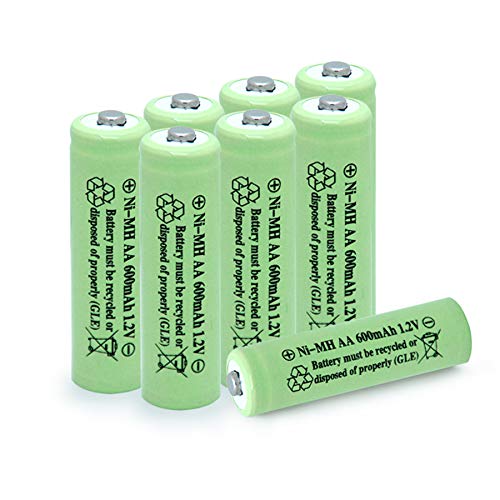
1.2-volt 600mAh AA Ni-MH rechargeable batteries

Notice:(NOT FULL SIZED AAA BATTERIE,Not AAA battery, same diameter but 2/3 height of AAA battery) Size:10 x 30mm,please make sure the size before buying
Factors to Consider
- Voltage Requirements: Check the voltage compatibility of your solar lights. Most systems operate on 1.2 volts. Choose batteries that match this specification to ensure efficient operation.
- Capacity Rating: Look at the milliamp-hour (mAh) rating to understand how long the battery can store energy. Higher mAh ratings provide longer runtimes. Aim for batteries with a rating that meets your lighting needs.
- Temperature Tolerance: Consider the typical climate in your area. Some batteries perform better in extreme temperatures than others. Nickel-Metal Hydride (NiMH) batteries generally excel in colder environments, while Lithium-ion batteries handle heat well.
- Cycle Life: Examine the number of charge and discharge cycles a battery can endure before losing capacity. Longer cycle lives translate to fewer replacements and cost savings over time.
- Brand Quality: Opt for reputable brands with positive reviews. Quality batteries often offer better performance and safety features, reducing risks of overheating or leakage.
- Nickel-Metal Hydride (NiMH): These batteries are popular for solar lights. They provide good performance, higher energy density, and efficient charging. Choose NiMH batteries when durability and temperature resilience are priorities.
- Lithium-ion: Known for high energy density and fast charging, Lithium-ion batteries are gaining traction in solar lighting systems. They offer longer runtimes and perform well in varied weather conditions, making them an excellent option for reliability.
- Nickel-Cadmium (NiCd): Although older technology, NiCd batteries can still be found in some solar lights. They offer durability but contain toxic materials, so consider the environmental impact before choosing this option.
Using the right rechargeable batteries for your solar lights ensures they function effectively while contributing to eco-friendly practices. Evaluate your requirements and select accordingly for the best results.
Conclusion
Using rechargeable batteries in your solar lights is a smart choice that benefits both the environment and your wallet. By selecting the right type of battery you can enhance the performance of your solar lighting system and enjoy brighter nights.
Remember to consider factors like voltage requirements and temperature tolerance to ensure compatibility. While there may be some initial costs and maintenance involved it’s worth it for the long-term savings and sustainability.
With the right rechargeable batteries in place your outdoor spaces can shine brightly while you contribute to a greener planet. So go ahead and make that switch—you’ll love the results!
Frequently Asked Questions
Can I use rechargeable batteries in solar lights?
Yes, you can use rechargeable batteries in solar lights. They are designed to be charged by the solar panel during the day and power the lights at night, making them an eco-friendly choice for outdoor lighting.
What types of rechargeable batteries are best for solar lights?
The best types of rechargeable batteries for solar lights are Nickel-Metal Hydride (NiMH) and Lithium-ion. NiMH batteries offer good performance in varied temperatures, while Lithium-ion batteries provide high energy density and faster charging.
Why are alkaline batteries not recommended for solar lights?
Alkaline batteries are not recommended for solar lights because they are not rechargeable, leading to frequent replacements and environmental waste. Rechargeable options are more sustainable and cost-effective over time.
What should I consider when choosing rechargeable batteries for solar lights?
When choosing rechargeable batteries for solar lights, consider factors like voltage requirements, capacity rating, temperature tolerance, cycle life, and brand quality. Selecting the right battery type enhances performance and lifespan.
Are there any drawbacks to using rechargeable batteries in solar lights?
Yes, potential drawbacks include higher initial costs, compatibility issues with some solar lights, longer charging times, and limited lifespan that requires regular maintenance. It’s essential to weigh these factors before making a choice.
