

Have you ever found yourself in the dark, wondering if you can just pop in regular batteries into your solar lights? You’re not alone. Many people face this dilemma when their solar lights stop working. It’s frustrating when you want to enjoy your outdoor space, but those lights just won’t shine.
In this article, you’ll learn whether using standard batteries is a viable option for your solar lights. We’ll explore the pros and cons, helping you make the best choice for your lighting needs. By the end, you’ll have a clearer understanding of how to keep your outdoor areas bright and inviting without the hassle.
Key Takeaways
- Regular Batteries Are Not Recommended: Using regular alkaline batteries in solar lights can lead to performance issues, including leakage and damage to the light’s components.
- Rechargeable Battery Types: Solar lights typically use rechargeable batteries like Nickel-Cadmium (NiCd), Nickel-Metal Hydride (NiMH), and Lithium-Ion, which are designed for repeated charging and optimal performance.
- Proper Maintenance is Key: Regularly replacing rechargeable batteries, cleaning solar panels, and ensuring direct sunlight exposure are essential for maintaining the efficiency of solar lights.
- Battery Lifespan Management: Check and replace batteries every 1-2 years and monitor for signs of wear or corrosion to prolong the lifespan of your solar lights.
- Avoid Leakage Risks: Regular batteries can leak if used in solar lights, negatively impacting the device’s functionality and safety, making rechargeable options far superior.
Understanding Solar Lights
Solar lights use solar panels to absorb sunlight and convert it into electricity. This electricity charges a rechargeable battery, allowing the light to function after dark. Understanding how these systems work helps you make better maintenance decisions and ensures your lights function reliably.
Components of Solar Lights
- Solar Panel: Collects sunlight and converts it into electrical energy during the day.
- Rechargeable Battery: Stores energy for use when the sun is not shining, typically designed for optimal compatibility with solar technology.
- LED Bulb: Emits light usually powered by the stored energy from the battery.
- Controller: Regulates the charging process and manages when the light turns on and off.
Battery Types Used in Solar Lights
Common battery types found in solar lights include:
- Nickel-Cadmium (NiCd): Often used for their durability and ability to perform well in various temperatures.
- Nickel-Metal Hydride (NiMH): More efficient than NiCd, these batteries have a higher capacity, but they can be more costly.
- Lithium-Ion: Preferred for their lightweight and long lifespan, yet they may be less compatible with certain solar light models.
Using regular batteries in solar lights can cause performance issues. Regular alkaline batteries are not rechargeable and may leak, damaging your solar light.
Best Practices for Solar Light Maintenance
- Replace Batteries Regularly: Check and replace rechargeable batteries every 1-2 years, depending on usage and brand.
- Clean Solar Panels: Dust or debris can block sunlight. Clean the panels every few months to ensure maximum efficiency.
- Positioning: Place solar lights where they receive direct sunlight for several hours during the day.
- If your solar light isn’t working, start by checking the solar panel for obstructions.
- Next, inspect the rechargeable battery for wear or corrosion.
- If issues persist, consider consulting the manufacturer’s guidelines for further troubleshooting steps.
Maintaining an understanding of solar lights can empower you to keep your outdoor spaces bright and welcoming.
Types Of Batteries Used In Solar Lights
Understanding the types of batteries in solar lights helps maintain their functionality and efficiency. Solar lights typically use rechargeable batteries designed for repeated charging cycles. Here’s a breakdown of the common types.
Recommended Products

Note: It’s rechargeable Ni-MH AA Battery, 1.2V battery, designed exclusively for use with 1.2V devices. For charging, please use the EBL AA NiMH charger. For safety during transportation, the batteries are not fully charged, pls kindy charge it before first use. 【Perfect Solar Batteries】 Exact size AA batteries designed for solar lights, outdoor garden lights, mouse, keyboards, TV remotes, toys, game controllers, digital camera, will fit all your device perfectly in daily life usage, high quality AA rechargeable batteries supply long lasting power, great convenience and good performance.

【 Rechargable and Money Saving 】 The rechargeable AAA battery can be constantly recharged 1200 times, saving you money on purchasing one-time use disposable alkaline batteries. Up to 5-year battery life for long-lasting power. Also less harmful to the environment than disposable batteries

【Reliable Performance】12 X Ni-MH AA 600mAh 1.2v Rechargeable Battery,Ideal for garden solar lights. (This product does not include a charger)
Rechargeable Batteries
Rechargeable batteries are essential for solar lights due to their ability to store energy generated by solar panels.
- Nickel-Cadmium (NiCd): These batteries are cost-effective and durable. NiCd batteries perform well in low temperatures but may suffer from memory effect, which can reduce their capacity over time.
- Nickel-Metal Hydride (NiMH): More eco-friendly than NiCd, NiMH batteries offer higher capacity and better discharge efficiency. They handle higher temperatures well but may be sensitive to overcharging.
- Lithium-Ion: Known for their longevity, Lithium-Ion batteries charge quickly and offer consistent performance. They are lightweight and have a higher energy density but can be pricier than NiCd and NiMH batteries.
Regular (Non-Rechargeable) Batteries
Regular batteries, such as alkaline batteries, aren’t suitable for solar lights. They lack the ability to recharge and commonly drain quickly after one use.
- Alkaline Batteries: While these batteries are widely available and inexpensive, they risk leakage if left in devices for extended periods. Using them in solar lights often leads to inconsistent performance, as they aren’t designed for the repeated charge-discharge cycles that solar lights require.
Using appropriate rechargeable batteries ensures optimal performance and extends the lifespan of your solar lights. Choosing the right battery type directly impacts how efficiently your solar lights operate and how long they’ll last overall.
Can You Put Regular Batteries In A Solar Light?
Using regular batteries in a solar light might seem convenient, but it presents several considerations that could impact performance and longevity.
Recommended Products
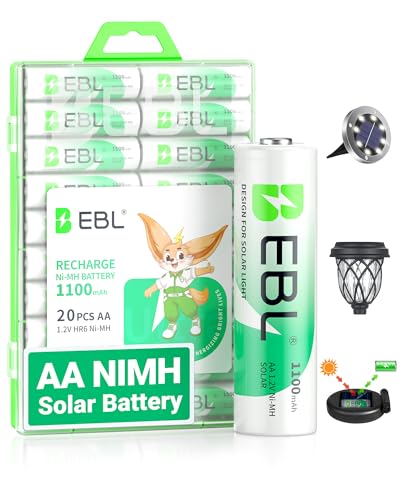
Great Quality AA Rechargeable Battery: EBL 20 packs aa rechargeable batteries—1100mAh 1.2V AA batteries with large capacity for outdoor solar lights garden lights string light lawn lights, TV remotes, wireless mouse and keyboards, gaming controllers, RC remotes, toys, flash lights, bringing great convenience in daily usage.

Ultra Long Life Span: Equipped with advanced technology, these 20 counts aaa solar batteries for outdoor solar lights can work up to 500 times deep charging & discharging cycles in outdoor solar lights, more longer life-span, saving money for you.

[Home 12-Pack] A balanced 12 pack for common household solar light needs, suitable for replacing batteries across garden lights, pathway lights, patio lights, deck lights, fence lights, or string lights around the home.
Potential Benefits
- Immediate Power Source: Regular batteries provide an instant power source if your rechargeable batteries are dead.
- Easily Accessible: You can find alkaline batteries at most stores, making replacements quick and easy in emergencies.
- Incompatibility: Solar lights depend on rechargeable batteries, typically NiCd, NiMH, or Lithium-Ion. Regular alkaline batteries don’t recharge, leading to inefficient light output.
- Leakage Risks: Alkaline batteries can leak, damaging your solar light’s internal components and rendering them unusable.
- Short Lifespan: Regular batteries discharge quickly in solar lights, requiring frequent replacements, which can end up being costlier.
- Overheating: Some solar lights may overheat if non-rechargeable batteries are used, potentially causing fire hazards.
Choosing the correct type of battery enhances the performance of your solar lights and extends their life. Consider sticking with rechargeable options specifically designed for solar applications for optimal results.
Best Practices For Battery Use In Solar Lights
Using the right batteries ensures your solar lights function efficiently. Follow these best practices to maximize your solar light performance.
Selecting The Right Battery Type
Choose rechargeable batteries for solar lights. Nickel-Cadmium (NiCd) batteries are affordable, but they might exhibit a memory effect. Nickel-Metal Hydride (NiMH) batteries are a greener option, providing better efficiency and less environmental impact, though they require careful charging to avoid overcharging. Lithium-Ion batteries offer the longest lifespan and fastest charging time, making them a popular choice despite their higher cost. Avoid using regular alkaline batteries. They can’t recharge, leading to potential leakage and decreased safety in your solar lights.
- Regularly Replace Batteries: Check your batteries every 6-12 months. Replace them when they start to lose charge capacity.
- Clean Solar Panels: Dust and debris on solar panels can block sunlight. Clean them with a soft cloth and mild soap regularly.
- Position for Optimal Sunlight: Ensure your solar lights receive direct sunlight for at least 6-8 hours daily. Adjust their placement if needed.
- Store Batteries Properly: If you remove batteries for seasonal storage, keep them in a cool, dry place to prevent damage.
- Monitor for Leakage: Check batteries occasionally for signs of leakage. Replace any that show corrosion or damage.
Following these guidelines ensures your solar lights remain functional and bright throughout their lifespan.
Conclusion
Using regular batteries in solar lights might seem like a quick fix but it’s not the best choice. You want your outdoor lights to shine bright and last long. Sticking with rechargeable batteries designed for solar use will keep your lights running efficiently and safely.
By following the guidelines for battery maintenance and care you can ensure your solar lights stay functional and reliable. So next time you face a battery issue in your solar lights remember to choose wisely and enjoy a well-lit outdoor space.
Frequently Asked Questions
Can I use regular batteries in solar lights?
Using regular batteries in solar lights is generally not recommended. Standard alkaline batteries cannot be recharged, which can lead to performance issues, leakage, and potential damage to the solar light system.
What types of batteries are suitable for solar lights?
The most suitable batteries for solar lights are rechargeable options like Nickel-Cadmium (NiCd), Nickel-Metal Hydride (NiMH), and Lithium-Ion. These batteries are designed to be charged regularly and provide the efficiency needed for solar lighting.
Why are alkaline batteries a bad choice for solar lights?
Alkaline batteries can’t be recharged, which makes them incompatible with solar light systems. They may leak, causing corrosion and damage to the solar light, and usually have a shorter lifespan compared to rechargeable options.
How often should I replace batteries in solar lights?
It’s recommended to replace batteries in solar lights every 6 to 12 months for optimal performance. This ensures that your lights function properly and maintain their brightness.
What precautions should I take when using batteries in solar lights?
To ensure the best performance of your solar lights, regularly clean the solar panels, position them for maximum sunlight exposure, and store batteries properly to avoid overheating or leakage.
