

Have you ever wondered if your solar lights can run on regular batteries? You’re not alone. Many people find themselves in a pinch when their solar lights stop working, and the thought of using standard batteries might seem like a quick fix.
Imagine it’s a warm evening, and you want to light up your backyard for a gathering. Your solar lights are dim or completely out, leaving you in the dark. This article will help you understand whether you can swap out those solar batteries for regular ones and what that means for your outdoor lighting. By the end, you’ll know the best options for keeping your space bright and inviting.
Key Takeaways
- Solar Lights Require Specific Batteries: Regular alkaline batteries aren’t suitable for solar lights; they need rechargeable options like NiMH or lithium-ion for optimal performance.
- Understand Common Issues: Poor sunlight exposure, battery degradation, and dirty solar panels can negatively affect the performance of solar lights.
- Proper Maintenance is Key: Regularly clean solar panels, check positioning for maximum sunlight, and replace batteries every 1-2 years to ensure effective operation.
- Batteries Store Solar Energy: Solar lights rely on batteries to store energy captured during the day, crucial for functioning at night.
- Environmental Impact Matters: Using rechargeable batteries reduces waste and is more environmentally friendly compared to regular disposable batteries.
- Test Your Solar Lights: After replacing batteries, verify that lights illuminate properly for several hours to confirm the system’s efficiency.
Overview of Solar Lights
Solar lights harness sunlight to power themselves. These lights typically contain solar panels that collect solar energy during the day. This energy charges a battery, which powers the light at night. Solar lights are popular for outdoor spaces due to their environmental benefits and low operating costs.
Types of Solar Lights
- Pathway Lights
Pathway lights illuminate walkways or gardens, providing safety and aesthetic appeal. They charge during the day and often have built-in motion sensors. - Security Lights
Security lights offer illumination for safety and crime deterrence. These lights often include features such as motion detection and higher brightness levels. - String Lights
String lights create ambiance in outdoor areas. They come in various designs and can be used for parties or everyday décor.
Battery Types Used in Solar Lights
Solar lights primarily use rechargeable batteries. The most common types are:
- NiMH (Nickel-Metal Hydride): These are efficient and environmentally friendly. They hold a charge longer than other types.
- Lithium-ion: These batteries provide a longer lifespan and better performance in varying temperatures.
Regular batteries, such as alkaline ones, generally aren’t suitable for solar lights. They lack the rechargeability needed for continuous use and can lead to malfunction.
Common Issues with Solar Lights
- Insufficient Sunlight: If solar panels don’t receive enough sunlight, lights may not charge fully. This leads to dim functionality at night. Place your lights in open areas free from obstructions.
- Battery Degradation: Over time, batteries may lose their ability to hold a charge. Regularly check and replace the batteries as needed to maintain optimal performance.
- Dirt on Solar Panels: Dirt or debris can reduce charging efficiency. Clean solar panels periodically with a soft cloth to ensure maximum solar absorption.
- Regular Cleaning: Wipe down the solar panels and light fixtures to remove dust and dirt.
- Check Positioning: Ensure lights are in sunlit areas. Avoid shaded spots to maximize sunlight exposure.
- Battery Replacement: Replace rechargeable batteries every 1-2 years, depending on usage and battery type.
By understanding how solar lights function and how to maintain them, you can enjoy a well-lit outdoor space. Adjusting settings or replacing batteries helps keep everything running smoothly.
How Solar Lights Work
Understanding how solar lights function can help you maximize their benefits. Solar lights convert sunlight into electrical energy, enabling them to illuminate outdoor spaces at night.
Components of Solar Lights
Solar lights consist of several key components:
- Solar Panel: Captures sunlight and converts it into electricity.
- Rechargeable Battery: Stores the electricity generated by the solar panel for use when it’s dark.
- LED Bulb: Provides bright illumination using minimal energy.
- Controller: Regulates the flow of electricity, ensuring efficient operation.
- Casing: Protects the internal components from environmental elements.
Each part plays a vital role in making solar lights efficient and effective, ensuring reliable performance.
The Role of Batteries
Batteries are essential for solar lights to function at night. They store energy captured during the day for use when it’s dark. Here are some points to consider:
- Rechargeable Options: Most solar lights use rechargeable batteries, like NiMH or lithium-ion. These batteries charge and discharge repeatedly without significant power loss.
- Avoid Regular Batteries: Standard alkaline batteries aren’t suitable for solar lights. They lack the recharge capability and may not provide the necessary energy output.
- Replacement: Replace batteries regularly to maintain optimal performance. Signs of battery degradation include dimming lights or shorter illumination periods.
Understanding these aspects helps ensure your solar lights function effectively, illuminating your outdoor spaces reliably.
Can Solar Lights Use Regular Batteries?
Solar lights can’t effectively use regular batteries. They require specific rechargeable batteries designed to store energy from solar panels. While it’s tempting to swap in standard batteries when your solar lights stop working, this approach leads to performance issues.
Recommended Products
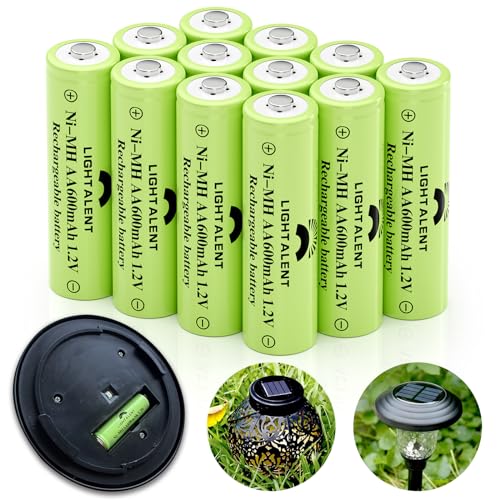
【Strong Performance】1.2-volt 600mAh AA Ni-MH rechargeable batteries,Package included: 12 x solar battery 1.2v ni-mh aa 600mAh

Solar PRO technology – Tenergy engineered solar AA batteries with technology addressing common solar light battery performance problems: leaking due to over-charging from long sunny summer days, dead batteries due to over-discharging from extended rainy or cloudy days. Tenergy is a Silicon Valley based company with over 15 years of experience in batteries.

【Included products】4*AA 600mAh 1.2v Ni-MH rechargeable batteries, AA 600mAh battery is 1.97 inches long and 0.55 inches wide. (Batteries only)
Advantages of Using Regular Batteries
- Immediate Power: Regular batteries provide instant power to the solar lights during installation or testing.
- Accessibility: Common alkaline batteries are easy to find at most stores.
- Versatility: You can use regular batteries in many devices beyond solar lights.
- Lack of Recharge Capability: Regular batteries can’t recharge from solar energy, leading to short usage times.
- Frequent Replacement: You’ll need to replace them often, increasing long-term costs.
- Compatibility Issues: Regular batteries may not fit correctly in all solar light models, causing connection issues.
- Environmental Impact: Disposing of regular batteries poses environmental hazards. Rechargeable batteries reduce waste and are better for the planet.
While you might consider using regular batteries for convenience, they lack the features essential for optimal solar light performance. Stick with the right rechargeable options to ensure your outdoor lighting shines brightly when you need it.
Best Practices for Battery Usage in Solar Lights
Choose the Right Batteries
- Select rechargeable batteries designed for solar lights. NiMH and lithium-ion options work best, as they charge efficiently and handle solar energy demands.
- Avoid regular alkaline batteries for solar lights. They won’t recharge and will often lead to performance issues.
Maintain Battery Health
- Replace batteries every 1-2 years, depending on usage and weather conditions. Signs of wear include dimming lights and shorter operational times.
- Store batteries in a cool, dry place if you remove them in the off-season. This helps prolong battery life.
Ensure Proper Placement
- Position solar lights where they receive maximum sunlight. At least 6-8 hours of direct sunlight each day promotes optimal charging.
- Avoid placing lights under trees or in shaded areas. This reduces their ability to collect sunlight, impacting battery performance.
Regularly Clean Solar Panels
- Clean solar panels monthly to remove dirt and debris. Use a soft cloth or sponge with mild soap and water.
- Check for obstructions like leaves or snow that might block sunlight. Removing these increases the effectiveness of your solar lights.
Test Your System
- Conduct a performance check after battery replacement. Ensure that lights illuminate properly at night for several hours.
- Monitor how long they stay lit after sunset. If they dim significantly or turn off early, consider replacing the batteries or checking the solar panel’s exposure.
- Recycle outdated batteries at designated recycling centers. This practice helps minimize environmental impact and promotes sustainability.
- Follow local regulations regarding battery disposal. Proper disposal methods can reduce hazardous waste in landfills.
Following these best practices ensures that your solar lights operate efficiently, providing reliable lighting for your outdoor spaces.
Conclusion
Using regular batteries in solar lights isn’t the best idea. They just don’t have the recharge capability that your solar lights need to function properly. Sticking with rechargeable batteries like NiMH or lithium-ion will keep your lights shining bright and save you from constant replacements.
Remember to keep your solar lights clean and positioned for optimal sunlight. Regular maintenance will help extend the life of your batteries and ensure your outdoor spaces stay beautifully lit. By choosing the right batteries and caring for your solar lights, you’ll enjoy a well-lit environment while being kind to the planet.
Frequently Asked Questions
Can I use regular batteries in solar lights?
No, using regular batteries in solar lights is not recommended. Solar lights require rechargeable batteries like NiMH or lithium-ion, which are designed to store energy from solar panels. Regular alkaline batteries lack recharge capability and can lead to frequent replacements.
What types of batteries are best for solar lights?
The best batteries for solar lights are rechargeable ones, specifically Nickel-Metal Hydride (NiMH) and lithium-ion batteries. These types are designed to be recharged and hold a larger charge than regular batteries, ensuring better performance.
How can I maintain my solar lights for optimal performance?
To maintain solar lights, clean the solar panels regularly, ensure they are positioned correctly to receive sunlight, and replace batteries every 1-2 years. Regular maintenance helps improve their functionality and lighting duration.
What common issues affect solar lights?
Common issues with solar lights include insufficient sunlight exposure, battery degradation, and dirt accumulation on solar panels. These problems can lead to dim lighting or complete failure of the lights.
How often should I replace the batteries in solar lights?
It is advisable to replace batteries in solar lights every 1-2 years. Keeping track of battery performance can help identify when they need replacement, especially if the lights dim or don’t illuminate properly.
