

Ever wondered if you can use rechargeable batteries in your solar lights? You’re not alone. Many people enjoy the convenience of solar-powered lighting but often question the best way to keep them running smoothly.
Picture this: It’s a beautiful evening, and you want to illuminate your garden, but your solar lights are dim or not working at all. This common frustration can often be traced back to the batteries. Understanding whether rechargeable batteries are suitable can save you time and money while ensuring your outdoor space shines brightly.
Key Takeaways
- Rechargeable Battery Compatibility: Rechargeable batteries, such as NiCd, NiMH, and Li-ion, can be used in solar lights, but it’s vital to check compatibility with your specific solar light model for optimal performance.
- Maintenance Essentials: Regularly cleaning solar panels and inspecting rechargeable batteries are key practices to ensure efficient operation and longevity of solar lights.
- Performance Factors: Different types of rechargeable batteries offer varied performance in terms of charging efficiency, discharge rates, and lifespan, affecting the overall brightness and runtime of solar lights.
- Environmental Benefits: Using rechargeable batteries reduces waste in landfills, minimizes resource consumption, and contributes to lower carbon footprints when paired with solar charging.
- Seasonal Adjustments: Proper placement of solar lights to maximize sunlight exposure, especially during seasonal changes, enhances their efficiency and performance throughout the year.
- Cost-Effectiveness: Although rechargeable batteries may have a higher initial cost, they save money in the long run by reducing the frequency of replacements and electricity expenses associated with outdoor lighting.
Overview Of Solar Lights
Solar lights harness solar energy to illuminate outdoor spaces. These lights typically consist of a solar panel, a rechargeable battery, and an LED light. The solar panel collects sunlight during the day and converts it into electricity, which charges the battery. This stored energy powers the LED light after sunset.
Components of Solar Lights
- Solar Panel: The solar panel absorbs sunlight and converts it into electrical energy. Most solar panels use photovoltaic cells to enhance efficiency.
- Rechargeable Battery: The rechargeable battery stores the energy gathered by the solar panel. Common battery types in solar lights include nickel-cadmium (NiCd) and lithium-ion batteries.
- LED Light: The LED light uses minimal energy, making it ideal for solar-powered applications. It provides bright, clear illumination.
Benefits of Solar Lights
- Cost-Effective: Solar lights operate without electricity costs. They reduce your energy bills while providing ample lighting.
- Environmentally Friendly: Utilizing solar energy decreases your carbon footprint, contributing to environmental sustainability.
- Easy Installation: Most solar lights are wireless and simple to install. You can place them anywhere sunlight is available.
- Regular Cleaning: Clean the solar panel regularly to maximize sunlight absorption. Dust, debris, and dirt can block sunlight and decrease efficiency.
- Battery Replacement: Monitor battery performance. Replace batteries annually or as specified by the manufacturer for optimal functioning.
- Adjust Placement: Ensure your solar lights are positioned to receive direct sunlight during the day. Modify their locations as needed if the area becomes shaded.
Understanding these aspects of solar lights helps you maintain their efficiency and longevity. Following these guidelines ensures your outdoor spaces remain well-lit and inviting.
Types Of Solar Lights
Understanding the various types of solar lights aids in selecting the right fit for your outdoor space. Each type serves a specific purpose and can enhance your environment when equipped with compatible rechargeable batteries.
Recommended Products

【Perfect Solar Batteries】 Exact size AA batteries designed for solar lights, outdoor garden lights, mouse, keyboards, TV remotes, toys, game controllers, digital camera, will fit all your device perfectly in daily life usage, high quality AA rechargeable batteries supply long lasting power, great convenience and good performance.
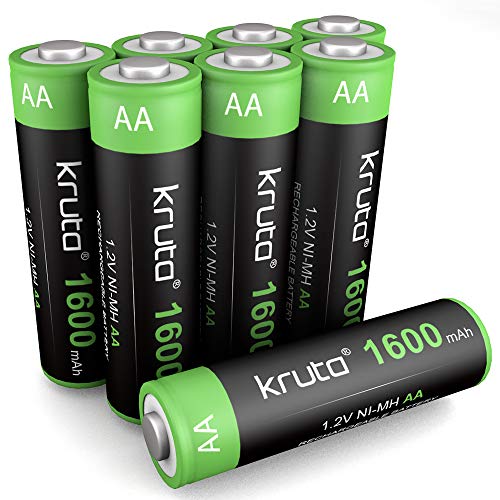
【High Capacity&Long Lasting】:1600mah high capacity AA rechargeable battery will lasting much longer time to ensure your outdoor lights always has enough power to light all night. Also can replace 600mAh, 800mAh, 1100mah, etc NiCd or Ni-MH AA cells AA battery.

【Included products】4*AA 600mAh 1.2v Ni-MH rechargeable batteries, AA 600mAh battery is 1.97 inches long and 0.55 inches wide. (Batteries only)
Solar String Lights
Solar string lights provide a cheerful ambiance for outdoor gatherings. Typically, these lights consist of small LED bulbs connected by a flexible wire. They charge during the day and illuminate at night, making them ideal for patios, garden parties, and holiday decorations.
- Versatility: Use these lights to decorate fences, trees, and pergolas.
- Battery Life: Look for models with built-in rechargeable batteries that can handle outdoor conditions.
- Brightness Settings: Some string lights offer dimming options. Choose ones that suit your mood and ambiance needs.
Solar Garden Lights
Solar garden lights add elegance and safety to walkways and landscaping. These lights often have a stake for easy installation directly into the ground. They charge via solar panels and light up automatically at dusk.
- Design Variety: Available in various styles, from decorative lanterns to sleek path lights. Match the design to your garden aesthetics.
- Light Output: Pay attention to lumens. Higher lumens indicate brighter lights, ideal for pathways or security.
- Rechargeable Batteries: Ensure these lights use high-quality rechargeable batteries for better performance and longevity.
These two types of solar lights cater to distinct needs while offering convenience and energy efficiency. Utilizing the proper rechargeable batteries enhances their functionality and ensures your outdoor spaces remain inviting and well-lit.
Understanding Rechargeable Batteries
Rechargeable batteries play a crucial role in the functionality of solar lights. Knowing more about these batteries helps you choose the right type for optimal performance.
Recommended Products

RELIABLE PERFORMANCE: 8-pack of AA rechargeable NiMH batteries (2,000 mAh)

Solar PRO technology – Tenergy engineered solar AA batteries with technology addressing common solar light battery performance problems: leaking due to over-charging from long sunny summer days, dead batteries due to over-discharging from extended rainy or cloudy days. Tenergy is a Silicon Valley based company with over 15 years of experience in batteries.
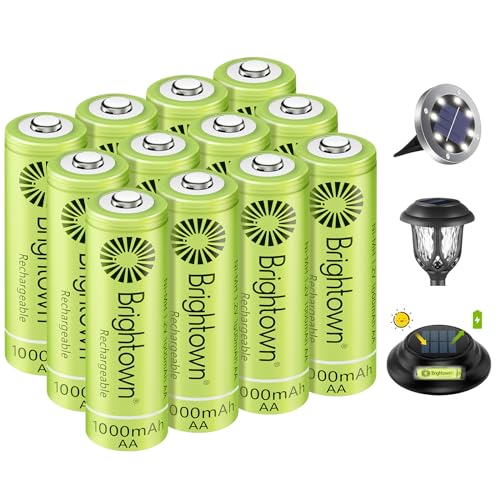
【 30% Precharged for Ready Use 】 For transportation safety purposes, these batteries are only precharged with 30% power, so charge them before use for longer working. In addition, recharging the battery every 3 months can make its lifespan longer
Common Types Of Rechargeable Batteries
- Nickel-Cadmium (NiCd): These batteries are durable and handle extreme temperatures well. They’re often used in solar lights but may lose capacity over time.
- Nickel-Metal Hydride (NiMH): NiMH batteries offer a higher capacity than NiCd. They charge faster and last longer, making them a popular choice for solar applications.
- Lithium-Ion (Li-ion): These batteries are lightweight and charge efficiently. While more expensive, they provide excellent energy density and longevity, suitable for advanced solar lights.
- Cost-Effectiveness: Though the initial investment might be higher, rechargeable batteries save money over time, as you avoid frequent replacements.
- Environmental Benefits: Using rechargeable batteries minimizes waste. You reduce the number of single-use batteries ending up in landfills.
- Performance Stability: Rechargeable batteries maintain consistent voltage levels. This stability ensures your solar lights operate effectively, providing reliable illumination.
- Convenience: Many rechargeable batteries can be charged using standard chargers. This flexibility makes them easy to manage for your solar lighting needs.
Can Rechargeable Batteries Be Used In Solar Lights?
Yes, rechargeable batteries can be used in solar lights. Many solar lights are specifically designed to work with rechargeable batteries. Understanding compatibility is essential for optimal performance.
Recommended Products

1.Attention: 2/3AAA 600mAh Rechargeable Battery,2/3AAA Battery size is 0.39 x 1.18 inch (10 x 30mm), Not Standard aaa size batteries, Please Check Your Solar Lights First

Solar PRO technology – Tenergy engineered 12 pack of solar AAA batteries with technology addressing common solar light battery performance problems: leaking due to over-charging from long sunny summer days, dead batteries due to over-discharging from extended rainy or cloudy days. Tenergy is a Silicon Valley based company with over 15 years of experience in batteries.

【High Capacity&Long Lasting】:1600mah high capacity AA rechargeable battery will lasting much longer time to ensure your outdoor lights always has enough power to light all night. Also can replace 600mAh, 800mAh, 1100mah, etc NiCd or Ni-MH AA cells AA battery. They won't lose the maximum capacity.
Compatibility With Different Solar Light Models
When selecting rechargeable batteries, consider the model of your solar lights. Commonly compatible battery types include:
- Nickel-Cadmium (NiCd): Known for their durability, NiCd batteries perform well in colder temperatures. They’re often used in older solar light models.
- Nickel-Metal Hydride (NiMH): These batteries provide higher capacity and are more environmentally friendly. They’re ideal for modern solar lights, offering better performance in typical household applications.
- Lithium-Ion (Li-ion): Known for their lightweight design and longer lifespan, Li-ion batteries are increasingly found in premium solar lights.
Always check the manufacturer’s specifications for your solar light model to ensure proper battery compatibility.
Performance Considerations
Performance can vary significantly based on the battery type you choose. Here are some considerations:
- Charging Efficiency: NiMH and Li-ion batteries generally charge faster than NiCd batteries. If your solar lights need quicker charging, consider these options.
- Discharge Rate: All batteries discharge at different rates. Li-ion batteries offer a slower discharge rate, providing consistent lighting throughout the night.
- Lifespan: Rechargeable batteries have a limited cycle count. NiMH and Li-ion batteries last longer than NiCd batteries. Plan to replace them every few years to maintain brightness.
- Temperature Sensitivity: If you live in an area with extreme temperatures, choose NiCd or Li-ion batteries, as they perform better under such conditions.
Selecting the right rechargeable battery affects the efficiency and lifespan of your solar lights. Aim for compatibility with your model to ensure optimal function and reliable outdoor illumination.
Maintenance Tips For Solar Lights
Maintaining solar lights ensures they operate efficiently and last longer. Follow these practical tips to keep your solar lighting in top shape.
Regular Cleaning
- Clean the Solar Panels: Dust and debris accumulate on solar panels, blocking sunlight. Clean them periodically using a soft cloth and mild soap.
- Check for Obstructions: Make sure plants or structures aren’t shading the panels. Trim nearby foliage to maximize sunlight.
Battery Care
- Inspect Batteries: Check the condition of rechargeable batteries every few months. Look for leaks or corrosion; replace damaged batteries immediately.
- Use Compatible Batteries: Always choose rechargeable batteries that fit your model specifications. Using the wrong type can lead to poor performance or damage.
Proper Placement
- Position for Sunlight: Install solar lights in areas that receive direct sunlight for most of the day. Aim for a south-facing orientation if you’re in the northern hemisphere.
- Adjust for Seasons: Reposition solar lights as seasons change to account for varying sun angles.
Seasonal Maintenance
- Prepare for Winter: If you live in a region with harsh winters, consider bringing lights indoors to avoid freezing temperatures. This prevents battery damage and extends their lifespan.
- Test Performance: At the beginning of each season, test your solar lights after a full day of charging. Ensure they illuminate properly at night.
Troubleshooting
- Check Connections: If lights don’t turn on after charging, inspect wiring and connections. Tighten loose connections and replace damaged wires.
- Monitor Performance: Note any changes in brightness or runtime. This might indicate battery wear or a need for panel cleaning.
- Store Properly: If you remove lights for the season, store them in a cool, dry place. Avoid moisture to prevent battery deterioration.
- Replace LED Bulbs: When they dim significantly, replace the LED bulbs according to the manufacturer’s guidelines for optimal brightness.
By following these maintenance tips, you can enhance the durability and performance of your solar lights, ensuring a well-lit outdoor space throughout the year.
Environmental Impact Of Rechargeable Batteries
Rechargeable batteries play a significant role in solar lights, and their environmental impact deserves attention. Understanding this impact helps you make informed decisions about battery usage.
Reduced Waste
Using rechargeable batteries minimizes waste. Traditional batteries often end up in landfills, where they take years to decompose. Rechargeable options, on the other hand, can be cycled hundreds of times before disposal. This reduces the number of batteries thrown away, lessening environmental pollution.
Lower Resource Consumption
Rechargeable batteries typically require fewer raw materials over their lifespan compared to single-use batteries. For instance, investing in a lithium-ion battery may initially consume more resources, but the overall requirement diminishes as you reuse it. The overall production cycle of fewer batteries saves natural resources and energy.
Recycling Opportunities
Many rechargeable batteries are recyclable. You can recycle batteries made from Nickel-Metal Hydride (NiMH) and Lithium-Ion (Li-ion) easily. Many retailers and local facilities offer recycling programs. Participating in these initiatives ensures harmful materials are properly disposed of and valuable components are recovered for future use.
Emissions Reduction
Choosing rechargeable batteries contributes to reduced greenhouse gas emissions. Using renewable energy sources to charge these batteries enhances this benefit. Charging through solar panels decreases reliance on fossil fuels, leading to lower carbon footprints.
Environmentally Friendly Choices
You can make environmentally conscious choices by selecting high-quality rechargeable batteries. Look for batteries with a long lifespan and high cycle count. Brands with eco-certifications often prioritize sustainability in their manufacturing processes.
By understanding the environmental impact of rechargeable batteries, you can choose options that not only power your solar lights but also contribute to a healthier planet.
Conclusion
Using rechargeable batteries in your solar lights is a smart choice that enhances both performance and sustainability. By selecting the right type of battery and following maintenance tips, you can ensure your solar lights shine bright all year round.
Not only do these batteries save you money in the long run, but they also help reduce waste and support a healthier planet. With a little care and attention, your outdoor spaces can remain beautifully illuminated while you enjoy the benefits of eco-friendly lighting. Embrace the convenience of solar lights and make informed choices for a brighter, greener future.
Frequently Asked Questions
Can I use rechargeable batteries in solar lights?
Yes, many solar lights are specifically designed to work with rechargeable batteries. Using compatible rechargeable batteries enhances performance and longevity, making them an excellent choice for solar-powered lighting.
What types of rechargeable batteries are best for solar lights?
Common types of rechargeable batteries for solar lights include Nickel-Cadmium (NiCd), Nickel-Metal Hydride (NiMH), and Lithium-Ion (Li-ion). Each has unique advantages in durability, capacity, and charging efficiency, with NiMH and Li-ion often preferred for their performance.
How do solar lights charge their batteries?
Solar lights utilize solar panels to convert sunlight into electricity. This electricity charges the rechargeable battery during the day, powering the LED lights after sunset for illumination.
What maintenance do solar lights require?
To maintain solar lights, clean the solar panels regularly, check for obstructions blocking sunlight, inspect batteries for leaks or corrosion, and ensure proper placement for maximum sun exposure. Seasonal testing and adjustments are also recommended.
Why are rechargeable batteries environmentally friendly?
Rechargeable batteries reduce landfill waste and greenhouse gas emissions by minimizing single-use battery disposal. They offer sustainable opportunities for recycling and, when charged with solar power, help lower resource consumption and environmental impact.
How can I troubleshoot dim or non-functional solar lights?
Check for debris on the solar panel, inspect the rechargeable batteries for issues, and ensure proper placement for sunlight exposure. If performance issues persist, consider replacing the batteries with compatible high-quality options.
