

Exploring Marine Batteries
When considering using marine batteries in cars, it’s important to understand their differences and similarities with traditional car batteries. Here’s a closer look at what makes marine batteries unique:
- Dual Purpose: Marine batteries are designed to not only start the engine but also power various onboard accessories like lights, radios, and trolling motors.
- Deep Cycle Capability: Unlike car batteries which deliver short bursts of high power, marine batteries are built for sustained, low-level power output.
- Resilience: Marine batteries are constructed to withstand more rigorous conditions, such as constant vibration and rocking on watercraft.
To decide if a marine battery is suitable for your car, you should consider the following factors:
- Usage: If you require extensive power for accessories or frequently run your car’s engine without lengthy trips, a marine battery might be beneficial.
- Installation: Ensure compatibility with your car’s charging system and physical dimensions before making the switch.
Before making a final decision, it’s recommended to consult with a mechanic or an expert to determine if a marine battery is a practical choice for your specific needs.
Key Differences Between Marine and Car Batteries
When comparing marine batteries to car batteries, there are some key differences to consider:
- Purpose:
- Car batteries are primarily designed for short, high-energy bursts to start your engine.
- Marine batteries, on the other hand, are built for continuous power output over longer periods to support electronics and accessories on boats.
- Construction:
- Marine batteries have thicker plates compared to car batteries, enabling them to withstand frequent discharging and recharging cycles.
- Durability:
- Marine batteries are built to endure harsh conditions like constant vibration encountered on watercraft, making them more robust than standard car batteries.
- Capacity:
- Marine batteries typically have a higher capacity for deep cycling, making them ideal for boating needs where sustained power output is crucial.
- Charging:
- Car batteries are usually recharged quickly by the vehicle’s alternator after starting, while marine batteries are designed to handle long, slow charges more effectively.
- Compatibility:
- It’s essential to ensure that a marine battery is compatible with your car’s charging system to avoid any issues and maximize performance.
Consider these differences when deciding whether a marine battery is suitable for your car based on your specific usage requirements.
Recommended Products

Introducing the All-New SnapTop Battery Box - Similar to the HM318BK, only better. We reimagined our battery boxes to make them structurally more rigid, perfecting the snap-top design and simplifying installation like never before.

🔋 DEPENDABLE DEEP CYCLE POWER – Power your next trip with the Newport 12V 50Ah Deep Cycle Lead Acid Battery, designed to deliver steady, consistent power for trolling motors and other 12V marine electronics.
Compatibility of Marine Batteries in Cars
Recommended Products

MAINTENANCE FREE: 12.99x 6.73x 8.43 inches. Weize 12v 100Ah sealed lead acid battery is manufactured with absorbent glass mat(AGM), which can help to save you from acid leakage and frequent maintenance. Terminal: Left : Positive (+)-Red, Right: Negative (-)-Black. Terminal: Left : Positive (+)-Red, Right: Negative (-)-Black.
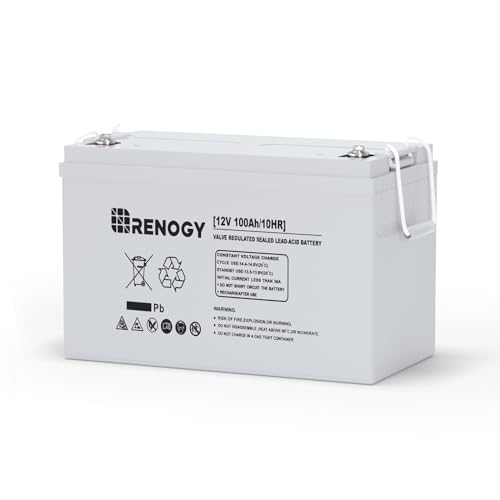
Renogy AGM Batteries: Trusted Worldwide, Exceptional Safety, Extreme Performance! Support series (No limitation), parallel (Up to 4P) connections
Voltage Requirements:
- Automotive systems typically operate on a 12-volt electrical system, while marine batteries may have voltages such as 24V or 36V. Ensure that the marine battery you choose is compatible with your car’s voltage requirements.
Physical Size and Mounting:
- Marine batteries are often larger and heavier than car batteries. Check if the dimensions and weight of the marine battery fit within your car’s battery compartment and if any modifications are needed for proper mounting.
Cold Cranking Amps (CCA):
- Car batteries are designed to provide high CCA for quick starts in cold weather. Marine batteries may not offer the same level of CCA, affecting the starting performance of your car, especially in chilly conditions.
Charging System Compatibility:
- The charging system of a car is optimized for charging automotive batteries efficiently. Marine batteries might require a different charging profile, potentially causing issues with overcharging or undercharging if not appropriately configured.
Usage Considerations:
- Marine batteries excel in deep-cycle applications and continuous power output, which may not align with the typical start-stop usage of car batteries. Consider how your vehicle’s electrical system operates and if a marine battery can meet those demands effectively.
- To ensure the safety and compatibility of using a marine battery in your car, it’s advisable to consult a mechanic or battery expert. They can provide guidance on whether a marine battery is a suitable option based on your vehicle’s needs and usage patterns.
Benefits of Using Marine Batteries in Cars
When considering marine batteries for your car, you’ll find several advantages that make them a valuable choice:
- Versatility: Marine batteries are designed to handle both starting power and deep cycling, making them versatile for various vehicle applications.
- Durability: With thicker plates, marine batteries are often more robust, enduring vibrations and shocks better than traditional car batteries.
- Longevity: The construction of marine batteries enhances their lifespan, providing a reliable power source for your vehicle over an extended period.
- Deep Discharge Capability: These batteries can withstand deeper discharges than typical car batteries, ideal for accessories that draw power even when the engine is off.
- Maintenance-Free Options: Some marine batteries are maintenance-free, requiring minimal upkeep for busy car owners.
Incorporating a marine battery into your car can offer you enhanced performance and increased reliability on the road. Whether you’re looking to power additional accessories or seeking a more durable battery option, a marine battery could be the solution you need.
Recommended Products

FITS GROUP 24 BATTERIES: Securely holds standard marine and RV batteries up to 10.125 inches tall; interior measures 10.6 x 7 x 10.125 inches for a stable and precise fit

🔋【3-in-1 Battery Charger, Desulfator, Maintainer】The 12V 24V battery charger is designed to charge and maintain 12 volts or 24 volts batteries, it can works as 12Amp quick battery charger. Compatible with all 12.6V Lithium-ion batteries,12V and 24V lead-acid automotive,marine, deep-cycle batteries: flooded,gel,AGM,maintenance-free,WET,CAL,EFB batteries in Car,motorcycle,lawn mower,ATV,truck,tractor,SUV,boat marine, etc.🎁Nice holiday gifts for Christmas day,New year,etc.

A rugged battery tray for group 31 batteries, including marine, RV, camper, and trailer batteries.
Conclusion
Using marine batteries in cars can provide a reliable and durable power source, offering benefits such as deep cycling capability, extended longevity, and maintenance-free options. These batteries are versatile and can enhance your vehicle’s performance by accommodating accessories that require power even when the engine is off. Consulting with a mechanic or battery expert is advisable to ensure that a marine battery suits your vehicle’s specific requirements and usage patterns. Consider the advantages mentioned in this article to determine if incorporating a marine battery in your car is the right choice for you.
Frequently Asked Questions
Can marine batteries be used in cars?
Yes, marine batteries can be used in cars for starting power and deep cycling due to their durability and deep discharge capability.
What are the benefits of using marine batteries in cars?
Marine batteries offer versatility, durability with thicker plates, longevity, deep discharge capability, and maintenance-free options.
How can marine batteries enhance a car’s performance?
Marine batteries provide a reliable power source for extended periods, supporting accessories that draw power continuously, even when the engine is off.
Should I consult an expert before switching to a marine battery in my car?
Yes, consulting with a mechanic or battery expert is recommended to ensure that a marine battery fits your vehicle’s needs and your usage habits.
