

Ever wondered if you can use a regular battery in your solar inverter? You’re not alone. Many people face this question when setting up their solar systems. It can be confusing to figure out what works best for your energy needs.
Imagine this: you’ve invested in solar panels to save on your electricity bill, but you’re unsure if your old car battery can power your inverter. Knowing the right type of battery can make all the difference in efficiency and longevity.
Key Takeaways
- Understanding Inverter Functionality: Solar inverters convert DC electricity from solar panels to AC electricity for home use, and knowing their types (string, microinverters, power optimizers, hybrid) is crucial for efficient solar setup.
- Battery Compatibility: Normal batteries, like car batteries, are not suitable for solar inverters due to their lack of deep cycling capability, which is essential for sustained energy use.
- Deep Cycle Batteries are Essential: Opt for deep cycle batteries, such as lead-acid or lithium-ion, designed for repeated discharge and recharge cycles to ensure longevity and efficiency in solar applications.
- Pros and Cons of Normal Batteries: While normal batteries can be cost-effective and readily available, they come with limitations like a shorter lifespan, inadequate performance, and potential damage risks to solar inverters.
- Safety and Maintenance: Using normal batteries increases the risk of equipment failure and safety concerns, along with the need for higher maintenance compared to specialized solar batteries.
- Consult Inverter Specifications: Always refer to your inverter’s manual for compatible battery types to optimize performance and extend the life of your solar energy system.
Understanding Solar Inverters
Solar inverters play a crucial role in converting the direct current (DC) generated by solar panels into alternating current (AC), which powers your home appliances. Knowing how these devices work helps in selecting compatible batteries for your solar energy system.
What Is a Solar Inverter?
A solar inverter is an essential component of a solar power system. It takes the DC electricity produced by solar panels and transforms it into AC electricity. This AC electricity is what your home uses for power. Additionally, solar inverters often include features for monitoring energy production and consumption, making them integral to managing home energy use efficiently.
Types of Solar Inverters
Understanding the different types of solar inverters is vital for your setup. Each type has unique advantages and is suited for specific applications. Here are the main types you might encounter:
- String Inverters: These are the most common type used in residential systems. Each string inverter connects a series of solar panels. They work well for installations where panels receive similar sunlight exposure.
- Microinverters: These small devices attach to each solar panel. Microinverters maximize energy production, especially in installations where shading might affect panel performance. They allow for more detailed monitoring of individual panel performance.
- Power Optimizers: These devices sit between the solar panels and a string inverter. They enhance energy production from each panel while still relying on a central inverter for conversion. This setup helps in boosting efficiency, especially in partially shaded areas.
- Hybrid Inverters: These versatile inverters work with both solar panels and battery systems. They provide the option to store excess energy for later use, making them ideal for homeowners looking to achieve energy independence.
Make sure to consider these inverter types when planning your solar system, as they determine how effectively your energy is captured and used.
Battery Types for Solar Inverters
Choosing the right battery type for your solar inverter ensures system efficiency and longevity. Different battery options cater to various energy needs and usage conditions.
Deep Cycle Batteries
Deep cycle batteries are commonly used in solar applications. They provide a steady amount of power over an extended period. Unlike regular batteries that deliver a high burst of energy for short periods, deep cycle batteries are designed for repeated discharge and recharge cycles.
Examples of deep cycle batteries include:
- Lead Acid Batteries: These are cost-effective and widely used. They come in two subtypes: flooded and sealed (AGM or gel). Both types work well for solar setups, but flooded batteries require maintenance.
- Absorbent Glass Mat (AGM) Batteries: AGM batteries are maintenance-free and can handle heavier discharge cycles, making them suitable for off-grid solar systems.
- Gel Batteries: These batteries use a gelified electrolyte and are better suited for temperature extremes, providing longer life spans than conventional lead-acid options.
Lithium-Ion Batteries
Lithium-ion batteries are becoming increasingly popular in solar energy storage. They offer advantages over traditional batteries, including higher energy density, longer lifespan, and faster charging times.
Key features of lithium-ion batteries:
- Higher Efficiency: Lithium-ion batteries operate at about 95% round-trip efficiency compared to 80-90% for lead-acid options, allowing for better utilization of stored energy.
- Longer Lifespan: They typically last 10-15 years, significantly longer than lead-acid batteries, which usually last 3-7 years.
- Compact Size and Weight: Lithium-ion options are lighter and take up less space, making them ideal for limited areas.
In solar applications, lithium-ion batteries often come with smart technology, allowing for remote monitoring and management. Their adaptability makes them suitable for both grid-tied and off-grid solar systems.
When selecting your battery, consider your energy needs, budget, and installation location to determine the best fit for your solar inverter.
Can I Use Normal Battery in Solar Inverter?
Using a normal battery in a solar inverter raises questions about efficiency and compatibility. Understanding the specifics can prevent performance issues and enhance your solar system’s effectiveness.
Recommended Products
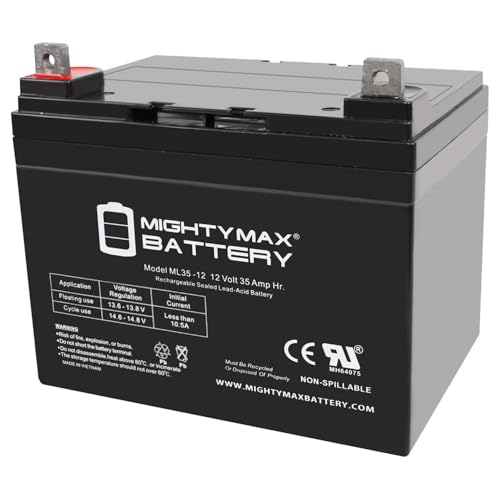
Ml35-12 Sla Is A 12V 35Ah Sealed Lead Acid (Sla) Rechargeable Maintenance Free Battery

Maintenance Free: Manufactured with thick absorbent Glass Mat (AGM) seperators and advanced valve regulated technology, Renogy deep cycle agm batteries save you from acid leakage and frequent maintenance..Batteries Required:no

【Advanced Smart BMS & All-Weather Safety】Equipped with an upgraded 100A Smart BMS, our battery provides comprehensive protection against overcharge, over-discharge, over-current, and short circuits. Unlike standard lithium batteries, it features automatic low-temperature cut-off, preventing charging below 32°F (0°C) to avoid cell damage. Built with stable LiFePO4 chemistry, it eliminates the risk of thermal runaway, ensuring maximum safety for your RV, boat, or home energy system in any season.
Definition of Normal Batteries
Normal batteries typically refer to consumer batteries, such as lead-acid or gel batteries, designed for a variety of standard applications. These batteries lack the deep cycling capability needed for solar systems. Unlike deep cycle batteries, normal batteries can’t sustain prolonged discharge and recharge cycles.
Compatibility with Solar Inverters
Compatibility matters when using batteries with solar inverters. Some normal batteries, particularly car batteries, may power an inverter temporarily but aren’t ideal for long-term use. Their design focuses on delivering high bursts of power for short intervals. In contrast, solar systems require steady power over extended periods.
Using a battery not suited for solar applications can lead to decreased efficiency, reduced lifespan, and potential damage to your inverter. Always opt for batteries labeled as “deep cycle.” These batteries are built for cyclic use, making them compatible with solar inverters and ensuring reliable energy storage.
When selecting a battery, consider factors like your energy demands and the inverter’s specifications. Matching these elements ensures optimal operation and extends the life of your solar installation. Always consult your inverter’s manual for compatible battery types.
Pros and Cons of Using Normal Batteries
Using normal batteries in a solar inverter presents distinct advantages and disadvantages. Understanding these can help you make informed decisions for your solar energy system.
Advantages
- Cost-Effective: Normal batteries, like lead-acid batteries, often cost less upfront compared to deep cycle batteries. This can make them an attractive option for budget-conscious installations.
- Availability: Normal batteries are readily available at most auto parts stores and general retailers, making them easy to procure for immediate use.
- Familiar Technology: Many people are already familiar with normal batteries, including lead-acid and gel types. This familiarity can simplify initial setup and maintenance.
- Immediate Power: If you need temporary power for a short duration, normal batteries can provide an immediate solution without requiring significant investment in specialized solar batteries.
- Limited Lifespan: Normal batteries aren’t designed for deep cycling. Frequent discharge and recharge cycles reduce their lifespan, making them less reliable for long-term energy storage.
- Inadequate Performance: Normal batteries may not deliver consistent, steady power. This inconsistency can affect the overall efficiency of your solar system.
- Risk of Damage: Using normal batteries can lead to damage to the inverter over time. Incompatibility with the power demands of solar systems may result in equipment failure.
- Higher Maintenance: Normal batteries often require more maintenance, such as checking water levels, which increases workload compared to sealed options like lithium-ion batteries.
- Safety Concerns: Poor performance and improper use of normal batteries can lead to safety risks, including leaks or overheating. This adds a layer of risk to your solar energy setup.
Conclusion
Choosing the right battery for your solar inverter is crucial for maximizing efficiency and ensuring a long-lasting system. While normal batteries might seem like a quick fix, they often fall short in meeting the demands of solar energy applications.
Investing in deep cycle batteries can save you time and money in the long run. They’re designed to provide consistent power over extended periods, making them a better fit for your solar setup.
So before you make a decision, think about your energy needs and consult your inverter’s manual. This way, you’ll set yourself up for success with a reliable and efficient solar energy system.
Frequently Asked Questions
Can I use a regular battery in a solar inverter?
While a regular battery, like a car battery, can temporarily power a solar inverter, it’s not recommended for long-term use. Regular batteries lack the deep cycling capability needed for solar systems, which can lead to inefficiency and reduced lifespan.
What types of batteries are best for solar inverters?
The best batteries for solar inverters are deep cycle batteries, such as lead-acid, AGM, and gel batteries. Lithium-ion batteries are also popular due to their higher efficiency, longer lifespan, and compact design, making them ideal for solar applications.
What role does a solar inverter play in a solar system?
A solar inverter converts the direct current (DC) generated by solar panels into alternating current (AC), which is used in homes. It is essential for maximizing the efficiency of solar energy systems and ensuring proper power delivery.
What are the advantages of using deep cycle batteries over regular batteries?
Deep cycle batteries provide steady power over longer periods, making them ideal for solar systems. They have a longer lifespan and are designed for repeated charging and discharging, while regular batteries can fail quickly under the same conditions.
What should I consider when choosing a battery for my solar inverter?
When selecting a battery, consider its compatibility with your inverter, the capacity to meet your energy demands, and whether it’s a deep cycle model. Always refer to the inverter’s manual for recommended battery types to ensure optimal operation.
