

Have you ever wondered if deep cycle batteries are a good fit for your solar setup? You’re not alone. Many people look for reliable energy storage solutions to maximize their solar power efficiency.
Key Takeaways
- Deep Cycle Battery Functionality: Ideal for solar applications, deep cycle batteries provide sustained power and can discharge up to 80% of their capacity without damage.
- Types of Batteries: Common options include lead-acid, lithium-ion, and AGM batteries, each with distinct advantages and maintenance needs, making it essential to choose based on your specific energy requirements.
- Benefits of Solar Energy: Utilizing solar energy through deep cycle batteries leads to cost savings, reduced environmental impact, energy independence, and low maintenance.
- Compatibility and Versatility: Deep cycle batteries integrate seamlessly into both off-grid and grid-tied solar systems, enhancing energy independence and efficiency.
- Factors for Selection: Key considerations when choosing a battery include capacity, voltage compatibility, chemistry, size, and temperature tolerance to ensure optimal performance.
- Maintenance and Costs: While initial investment can be high, long-term savings and minimal upkeep make deep cycle batteries a cost-effective solution for solar energy systems.
Understanding Deep Cycle Batteries
Deep cycle batteries play a crucial role in storing energy for solar applications. They are designed to provide a steady amount of current over an extended period, making them ideal for use in solar energy systems.
Recommended Products

Maintenance Free: Manufactured with thick absorbent Glass Mat (AGM) seperators and advanced valve regulated technology, Renogy deep cycle agm batteries save you from acid leakage and frequent maintenance..Batteries Required:no

MAINTENANCE FREE: 12.99x 6.73x 8.43 inches. Weize 12v 100Ah sealed lead acid battery is manufactured with absorbent glass mat(AGM), which can help to save you from acid leakage and frequent maintenance. Terminal: Left : Positive (+)-Red, Right: Negative (-)-Black. Terminal: Left : Positive (+)-Red, Right: Negative (-)-Black.

【Superior Performance】: Lithium iron phosphate battery has high energy density, Long cycle life, Good safety performance, No memory effect, etc. NERMAK LiFePO4 battery has built-in BMS protection to prevent overcharge, Over-discharge, Over-current and short circuit, and very low self-discharge rate. (Not motorcycle starter battery)
What Are Deep Cycle Batteries?
Deep cycle batteries are a type of rechargeable battery engineered to provide sustained power. Unlike regular batteries, which deliver short bursts of energy, deep cycle batteries serve low power demands for extended durations. They can discharge up to 80% of their capacity without suffering damage. Common types include lead-acid, lithium-ion, and absorbent glass mat (AGM) batteries. Each type has its own advantages depending on your solar storage needs.
- Durability: Designed to withstand many charge and discharge cycles, deep cycle batteries offer longevity in solar applications.
- Capacity: Measured in amp-hours (Ah), deep cycle batteries come with varying capacities to suit different energy needs.
- Voltage Options: Available in different voltage ratings, including 6V, 12V, and 24V, which you can match to your solar system requirements.
- Maintenance: Some types, like flooded lead-acid batteries, require regular maintenance, while sealed options, such as AGM or lithium-ion, do not.
- Temperature Tolerance: They perform reliably across various temperatures, ensuring efficiency in diverse environments.
Understanding these features will help you select the right deep cycle battery for your solar system, enhancing its overall performance.
Solar Energy Systems
Solar energy systems harness sunlight to generate electricity or heat water. These systems typically include solar panels, an inverter, and batteries for energy storage, creating a sustainable energy solution.
How Solar Energy Systems Work
Solar panels convert sunlight into direct current (DC) electricity. The inverter then transforms this DC electricity into alternating current (AC) electricity, which powers your home. During sunny days, excess electricity charges the deep cycle batteries. This stored energy is available for use when sunlight is low or absent, ensuring a consistent power supply.
Benefits of Using Solar Energy
Using solar energy offers numerous advantages:
- Cost Savings: Reduces monthly electricity bills. Homeowners can generate their own energy, limiting reliance on the grid.
- Environmental Impact: Decreases carbon footprint. Solar energy is clean and renewable, contributing to a more sustainable future.
- Energy Independence: Enhances self-sufficiency. Generating power locally protects you from fluctuating energy prices and utility outages.
- Low Maintenance: Requires minimal upkeep. Solar panels and deep cycle batteries typically have long lifespans and require routine cleaning.
Choosing the right components for your solar energy system can maximize efficiency and ensure reliable energy storage.
Compatibility of Deep Cycle Batteries with Solar Systems
Deep cycle batteries fit well with solar systems. Their capacity to deliver sustained power makes them ideal for energy storage. Here’s what to know.
Recommended Products

Interstate Batteries Deep-Cycle mobility product, our DCM0100 Replacement AGM battery fits many top wheelchair and electric scooter brands and more. This product is not a replacement for a golf cart battery. Fit type: Universal Fit. Works with 12v 100ah battery applications
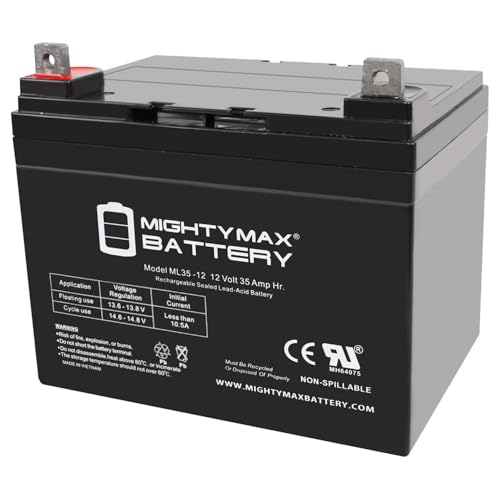
ML35-12 SLA is a 12V 35AH Sealed Lead Acid (SLA) rechargeable maintenance free battery - UL Certified

quantity 8 12V AGM Deep Cycle for 12V or 24V or 48V systems
Advantages of Using Deep Cycle Batteries for Solar
- Long Discharge Cycles: Deep cycle batteries allow for prolonged energy use. You can discharge them up to 80% without damage.
- Rechargeability: These batteries recharge multiple times. This feature is vital for solar energy systems, which charge throughout the day.
- Durability: Deep cycle batteries withstand harsh conditions. Options like AGM batteries offer resilience in extreme temperatures.
- Versatility: They work with various setups. You can integrate them into off-grid or grid-tied systems, enhancing your energy independence.
- Cost-Effectiveness: Although initial costs vary, their longevity contributes to long-term savings on energy bills.
- Initial Investment: Upfront costs for deep cycle batteries can be high. Research battery brands and types that fit your budget.
- Weight and Size: These batteries tend to be heavier and bulkier. Ensure sufficient space and structural support in your system design.
- Maintenance Needs: Some types, especially lead-acid batteries, require regular maintenance. Check water levels and clean terminals for optimal performance.
- Charging Time: Fully charging deep cycle batteries can take time. Plan your energy needs around typical charging cycles.
- Temperature Sensitivity: Extreme temperatures can affect performance. Store batteries in climates with minimal temperature fluctuations.
These factors contribute to your decision-making process regarding deep cycle batteries and their use in solar energy systems.
Choosing the Right Deep Cycle Battery for Solar Applications
Selecting the appropriate deep cycle battery is essential for maximizing your solar energy system’s efficiency. Several factors influence the decision, and understanding them can streamline your choice.
Recommended Products

ML100-12 GEL is a 12V 100AH GEL rechargeable maintenance free battery - UL Certified

This Battery Equalizer is used to maintain the charge and discharge balance between four or more battery in series or in parallel.Keep Batteries in Heath Condition and Extend Battery Service Life.

This Battery Equalizer is used to maintain the charge and discharge balance between four or more battery in series or in parallel.Keep Batteries in Heath Condition and Extend Battery Service Life.
Factors to Consider
- Capacity: Look for batteries with at least 100 Amp-hours (Ah) capacity for small solar setups. Larger systems may require 200 Ah or more.
- Voltage: Match the battery voltage with your solar system. Common options include 12V, 24V, and 48V configurations.
- Chemistry: Choose between lead-acid and lithium-ion based on factors like cost and lifespan. Lithium-ion typically lasts longer and requires less maintenance.
- Size and Weight: Assess available space for installation. Lithium-ion batteries are lighter and more compact than lead-acid counterparts, offering flexibility in placement.
- Temperature Tolerance: Ensure the battery can operate well in your climate. Some batteries perform better in extreme temperatures.
- Charging Cycles: Review the depth of discharge (DoD) ratings. Batteries with higher DoD ratings can handle frequent discharges better without degrading quickly.
- Lead-Acid Batteries: Affordable and widely available, these batteries come in flooded and sealed forms. Flooded lead-acid batteries require regular maintenance; sealed options, like AGM, are maintenance-free but more expensive.
- Lithium-Ion Batteries: Offering long lifespan (up to 10 years), these batteries have high energy density. They’re more expensive upfront but provide efficiency and require less maintenance.
- Nickel-Cadmium (NiCd): Known for their durability, these batteries perform well under extreme conditions but contain toxic materials, raising environmental concerns.
Consider these options to ensure your deep cycle battery meets your specific solar energy needs. Using the right battery type enhances the performance and longevity of your solar setup.
Conclusion
Using deep cycle batteries for your solar energy system is a smart choice that can enhance your overall efficiency and performance. With their ability to discharge deeply and recharge effectively, they provide reliable energy storage for those cloudy days or nighttime use.
By considering factors like battery type, capacity, and maintenance needs, you can find the perfect fit for your setup. Whether you opt for lead-acid or lithium-ion, the right deep cycle battery can help you enjoy the benefits of solar power while maximizing your investment. Embrace the freedom and sustainability that comes with solar energy and let deep cycle batteries be a part of your journey.
Frequently Asked Questions
What are deep cycle batteries?
Deep cycle batteries are rechargeable batteries designed to provide sustained power. They allow for significant discharges—up to 80% of their total capacity—without damaging the battery. They are essential for applications where energy needs to be stored and used later, such as in solar energy systems.
How do deep cycle batteries work with solar energy systems?
In solar energy systems, deep cycle batteries store excess electricity generated by solar panels during daylight. This stored energy can then be used during low sunlight periods to ensure a consistent and reliable power supply, contributing to energy independence.
What types of deep cycle batteries are available?
The main types of deep cycle batteries include lead-acid, lithium-ion, and absorbent glass mat (AGM). Each has unique advantages: lead-acid is generally more affordable but requires maintenance; lithium-ion offers longevity and low maintenance; and AGM provides durability in a sealed design.
How do I choose the right deep cycle battery?
When selecting a deep cycle battery, consider factors like capacity (at least 100 Amp-hours for small setups), voltage compatibility, battery type (lead-acid vs. lithium-ion), size, weight, temperature tolerance, and charging cycles to ensure optimal performance for your solar energy system.
What are the benefits of using solar energy?
Using solar energy can lead to cost savings on electricity bills, a reduced environmental impact, increased energy independence, and lower maintenance requirements compared to traditional energy sources. These benefits make solar a popular choice for sustainable energy solutions.
What are the drawbacks of deep cycle batteries?
Drawbacks include high initial investment costs, size and weight considerations, maintenance needs for certain types, longer charging times, and some temperature sensitivity issues. These factors are essential to evaluate when integrating deep cycle batteries into solar energy systems.
How do deep cycle batteries compare in cost and longevity?
Lithium-ion batteries generally have a higher upfront cost but offer longer lifespans and lower maintenance compared to lead-acid batteries, which are cheaper but require more upkeep. Choosing the right battery type depends on your budget and specific energy storage needs.
What maintenance do deep cycle batteries require?
Lead-acid batteries require regular maintenance, such as checking electrolyte levels and cleaning terminals, while lithium-ion batteries typically require minimal maintenance. Understanding maintenance needs is crucial for ensuring the longevity and performance of your energy storage solution.
