

Have you ever wondered if you can use any rechargeable batteries in your solar lights? You’re not alone. Many people face this question, especially when their solar lights start dimming or not working as well as they used to. It’s frustrating to deal with unreliable lighting when you just want to enjoy your outdoor space.
This article will help you navigate the world of rechargeable batteries for solar lights. You’ll learn about compatibility, the best battery types, and tips for maximizing your solar lights’ performance. By the end, you’ll feel confident in your choices and ready to keep your outdoor areas bright and inviting.
Key Takeaways
- Battery Compatibility is Crucial: Always check the manufacturer’s specifications to ensure proper voltage and size for your solar lights to avoid performance issues.
- Preferred Battery Types: Opt for high-capacity Nickel-Metal Hydride (NiMH) or Lithium-Ion (Li-ion) batteries for optimal energy efficiency and longevity.
- Quality Matters: Invest in reliable and well-known brands of rechargeable batteries to increase durability and performance in your solar lights.
- Regular Maintenance: Keep solar panels clean and position them in sunny spots to maximize energy absorption and ensure efficient recharging.
- Cost and Environmental Benefits: Using rechargeable batteries is cost-effective and environmentally friendly, as they minimize waste and reduce overall expenses.
- Avoid Non-Compatible Batteries: Using mismatched batteries can lead to performance issues, damage, safety hazards, and potential voiding of warranties.
Understanding Solar Lights
Solar lights operate using energy harnessed from the sun. During the day, solar panels collect sunlight, converting it into electricity. This electricity charges the rechargeable batteries, storing power for use when it gets dark.
When considering batteries for solar lights, it’s crucial to know their specific requirements. Different types of solar lights utilize distinct battery sizes and chemistries. Common battery types for solar lights include:
- NiMH (Nickel-Metal Hydride): These batteries offer good performance and are often used in solar garden lights. They have a better charge capacity and last longer than standard nickel-cadmium batteries.
- Li-ion (Lithium-Ion): Found in higher-end solar lights, these batteries provide longer life and more efficient energy usage.
- NiCd (Nickel-Cadmium): Although less common today, some older solar lights may still use these. They can perform well but may suffer from memory effect, leading to reduced capacity over time.
Compatibility matters when replacing batteries. Using the wrong type can lead to poor performance or even damage the solar light. Check the manufacturer’s specifications for the recommended battery type before making a purchase.
- Choose Quality Batteries: Invest in reliable brands known for durability. Quality batteries may cost more initially, but they offer better longevity and performance.
- Keep Solar Panels Clean: Dust and dirt can reduce the efficiency of solar energy collection. Regularly clean the panels to maximize energy absorption.
- Assess Placement: Position solar lights in areas with ample sunlight. Avoid shaded spots to ensure proper charging throughout the day.
With proper knowledge about solar lights and their batteries, you can confidently select the right options to keep your outdoor spaces bright and inviting.
Types of Rechargeable Batteries
Several types of rechargeable batteries work effectively in solar lights. Understanding their features helps in selecting the right one for your needs.
Recommended Products

Note: It’s rechargeable Ni-MH AA Battery, 1.2V battery, designed exclusively for use with 1.2V devices. For charging, please use the EBL AA NiMH charger. For safety during transportation, the batteries are not fully charged, pls kindy charge it before first use. 【Perfect Solar Batteries】 Exact size AA batteries designed for solar lights, outdoor garden lights, mouse, keyboards, TV remotes, toys, game controllers, digital camera, will fit all your device perfectly in daily life usage, high quality AA rechargeable batteries supply long lasting power, great convenience and good performance.

Solar PRO technology – Tenergy engineered solar AA batteries with technology addressing common solar light battery performance problems: leaking due to over-charging from long sunny summer days, dead batteries due to over-discharging from extended rainy or cloudy days. Tenergy is a Silicon Valley based company with over 15 years of experience in batteries.

【Reliable Performance】12 X Ni-MH AA 600mAh 1.2v Rechargeable Battery,Ideal for garden solar lights. (This product does not include a charger)
Nickel-Cadmium (NiCd) Batteries
Nickel-Cadmium batteries are durable and discharge slowly. They tolerate extreme temperatures, making them suitable for outdoor use. However, they have a lower capacity and can develop a memory effect, reducing their efficiency over time. If using NiCd batteries, ensure they are fully charged before installation to maximize performance.
Nickel-Metal Hydride (NiMH) Batteries
Nickel-Metal Hydride batteries offer higher capacity and greater energy storage compared to NiCd options. They perform well in various temperatures and are less susceptible to memory effect. NiMH batteries are eco-friendlier and provide longer-lasting power for your solar lights. Opt for high-capacity NiMH batteries for optimal brightness and duration.
Lithium-Ion Batteries
Lithium-Ion batteries provide the latest technology in rechargeable options. They’re lightweight and deliver high energy efficiency. These batteries charge quickly and usually come with built-in safety mechanisms to prevent overcharging. While generally more expensive, their longevity and performance can make them a worthwhile investment for your solar lighting needs.
Compatibility of Rechargeable Batteries
Understanding battery compatibility is essential for optimal solar light performance. Not all rechargeable batteries work well in solar lights. Key factors to ensure proper functionality include voltage requirements and size and shape considerations.
Recommended Products

RELIABLE PERFORMANCE: 8-pack of AA rechargeable NiMH batteries (2,000 mAh)

【 30% Precharged for Ready Use 】 For transportation safety purposes, these batteries are only precharged with 30% power, so charge them before use for longer working. In addition, recharging the battery every 3 months can make its lifespan longer

【Included products】4*AA 600mAh 1.2v Ni-MH rechargeable batteries, AA 600mAh battery is 1.97 inches long and 0.55 inches wide. (Batteries only)
Voltage Requirements
Solar lights typically operate on specific voltage levels, often at 1.2V for NiMH and NiCd batteries. Lithium-ion batteries generally require higher voltages, around 3.7V. Using batteries with the wrong voltage can lead to lights that dim quickly or fail entirely. Always check your solar light specifications before selecting replacement batteries. If you opt for a rechargeable battery that doesn’t match your light’s voltage requirements, expect performance issues or damage.
Size and Shape Considerations
Battery size and shape also play a significant role in compatibility. Most solar lights use AA or AAA-sized rechargeable batteries. Make sure to verify your unit’s requirements, as mismatched sizes won’t fit properly or make contact with the battery terminals. If you replace an AA-sized battery with a larger type, your solar light won’t function. Always measure the battery compartment or refer to the manufacturer’s guidelines to ensure accurate replacements.
Benefits of Using Rechargeable Batteries in Solar Lights
Using rechargeable batteries in solar lights offers numerous advantages that enhance the overall effectiveness and efficiency of your lighting system.
Cost-Effectiveness
You save money by opting for rechargeable batteries. Unlike single-use batteries, which need frequent replacement, rechargeable options can be reused multiple times, significantly reducing your expenses over time.
Environmental Impact
You contribute to environmental sustainability by choosing rechargeable batteries. These batteries generate less waste compared to disposable ones, lowering your carbon footprint and promoting eco-friendly practices.
Improved Performance
You enjoy better performance with rechargeable batteries, especially NiMH and Li-ion types. These batteries typically offer higher capacity and energy efficiency, ensuring brighter and longer-lasting light during the night.
Temperature Resilience
You benefit from temperature resilience. NiCd batteries withstand extreme conditions, making them suitable for outdoor use even in fluctuating weather. Their durability ensures your solar lights operate effectively year-round.
Quick Recharging
You can experience faster recharging times with modern batteries. Lithium-Ion batteries charge quickly, allowing your solar lights to be ready for use sooner, maximizing efficiency and minimizing downtime.
Consistent Power Supply
Using compatible rechargeable batteries provides a consistent power supply. Well-matched batteries ensure your solar lights maintain brightness throughout the night, improving your outdoor ambiance and safety.
Maintenance Simplicity
You simplify maintenance with rechargeable batteries. Many come with built-in safety features that protect against overcharging and overheating, reducing the need for constant monitoring.
By understanding these benefits, you can maximize your solar light’s performance and longevity, while being budget-conscious and environmentally responsible.
Potential Issues with Using Non-Compatible Batteries
Using non-compatible batteries in solar lights can lead to several significant issues. These problems may impact performance, lifespan, and safety.
Recommended Products

Notice: They are 2/3AAA 400mAh Rechargeable button top Battery,they are not aaa size batteries.
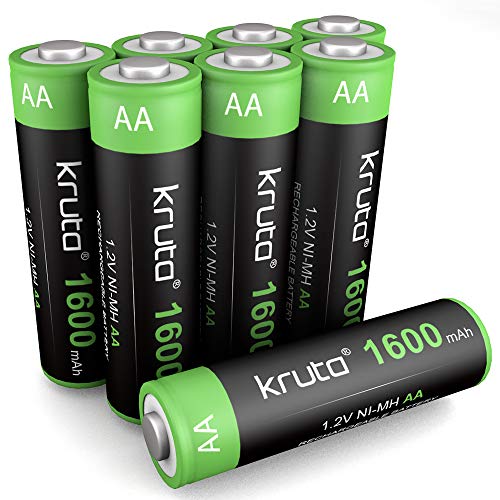
【High Capacity&Long Lasting】:1600mah high capacity AA rechargeable battery will lasting much longer time to ensure your outdoor lights always has enough power to light all night. Also can replace 600mAh, 800mAh, 1100mah, etc NiCd or Ni-MH AA cells AA battery.

Package Contents: Includes 8 solar rechargeable NI-MH AA batteries with 1.2v voltage and 300mAh capacity
Performance Issues
Using mismatched batteries affects the brightness and duration that solar lights operate. For example, if you use a battery with a voltage that’s too high or too low, the lights might flicker or dim prematurely. Ensure your batteries match the specified voltage—typically 1.2V for NiMH and NiCd, and about 3.7V for Lithium-Ion batteries.
Battery Damage
Non-compatible batteries can cause permanent damage to your solar lights. Lithium-Ion batteries require specific charge cycles. If you substitute a NiMH or NiCd battery, the charging mechanism may not function properly, leading to overheating or leaking.
Reduced Lifespan
Using the wrong type of battery reduces the overall lifespan of your solar lights. For instance, NiCd batteries last longer in extreme temperatures but degrade faster if overcharged. In contrast, using them in a system designed for NiMH can lead to quicker failure due to incompatibility.
Safety Concerns
Safety poses a crucial factor when using non-compatible batteries. Mixing battery types can cause them to swell, leak, or even explode. Always check compatibility to avoid these hazardous situations.
Warranty Issues
Using non-compatible batteries may void the warranty on your solar lights. Manufacturers often specify battery types to ensure optimal performance and safety. Always refer to the product manual for correct recommendations.
By adhering to the guidelines for battery compatibility, you can ensure optimal power for your solar lights, enhancing their longevity and reliability.
Conclusion
Choosing the right rechargeable batteries for your solar lights can make all the difference in their performance and longevity. By sticking to compatible battery types like NiMH, Li-ion, or NiCd, you’ll ensure your lights shine bright and last longer.
Remember to consider factors like voltage and size to avoid any mishaps. With a little care and the right batteries, you can keep your outdoor spaces illuminated and welcoming. Enjoy the beauty of your garden or patio without worrying about dim lights or frequent replacements. You’ve got this!
Frequently Asked Questions
Can I use any rechargeable battery in solar lights?
No, not all rechargeable batteries are compatible with solar lights. It’s essential to use batteries specifically designed for the voltage and size required by your solar lights, such as NiMH, NiCd, or Li-ion batteries.
What types of rechargeable batteries are best for solar lights?
The best types of rechargeable batteries for solar lights are Nickel-Metal Hydride (NiMH) for their capacity and eco-friendliness, Lithium-Ion (Li-ion) for efficiency, and Nickel-Cadmium (NiCd) for durability in extreme temperatures.
What happens if I use the wrong batteries in solar lights?
Using incompatible batteries can lead to poor performance, reduced brightness, and potential damage to your solar lights. It may also shorten the lifespan of the lights and present safety risks like swelling or leaking.
How can I improve the performance of my solar lights?
To enhance the performance of your solar lights, invest in high-quality rechargeable batteries, ensure solar panels are clean, and place the lights in areas with adequate sunlight exposure.
What voltage do solar lights typically operate on?
Most solar lights operate on 1.2V for NiMH and NiCd batteries and around 3.7V for Lithium-Ion batteries. Choosing batteries with the correct voltage is crucial for optimal functionality.
What battery sizes do solar lights commonly use?
Solar lights usually use AA or AAA-sized rechargeable batteries. Ensuring that the battery size matches what is specified for your solar lights is essential for proper operation.
Can using non-compatible batteries void my warranty?
Yes, using non-compatible batteries in your solar lights can void the warranty. It’s important to adhere to manufacturer guidelines for battery replacement to maintain warranty coverage.
How do I maintain my solar lights effectively?
To maintain your solar lights, regularly clean the solar panels, replace batteries with compatible types, ensure proper placement for sunlight exposure, and check for any damage or wear.
