

Are you considering using a PWM solar controller for your lithium batteries? You’re not alone. Many people are exploring solar energy solutions and wondering if their existing equipment can handle the specific needs of lithium technology.
Using the right solar controller is crucial for maximizing battery life and performance. This article will break down what you need to know about PWM controllers and lithium batteries, helping you make informed decisions for your solar setup. By the end, you’ll understand whether a PWM controller is suitable for your needs and how to optimize your solar energy system effectively.
Key Takeaways
- PWM Controller Basics: PWM (Pulse Width Modulation) solar controllers adjust voltage and current to maintain steady charging, making them cost-effective and widely used in solar systems.
- Compatibility with Lithium Batteries: While PWM controllers can work with lithium batteries, they require specific settings for voltage and charging parameters to ensure optimal performance and prevent damage.
- Battery Performance Factors: Understanding the differences between lithium and lead-acid batteries—such as charging voltage requirements and depth of discharge—helps in selecting the right controller and settings.
- Benefits of PWM Controllers: PWM controllers are budget-friendly, simple to install, and often include safety mechanisms that protect lithium batteries during charging.
- Consider Alternatives: MPPT (Maximum Power Point Tracking) controllers offer significant advantages over PWM, including higher efficiency and adaptability, making them a better option for lithium battery setups.
- Optimize Setup: Always calibrate your PWM controller settings to align with your lithium battery specifications, enhancing energy efficiency and extending battery life.
Overview of PWM Solar Controllers
PWM solar controllers play a crucial role in managing the charging process of batteries in solar energy systems. Understanding their function and operation can help you decide if they’re suitable for your lithium batteries.
Recommended Products

12V Universal Solar Charge Controller- Renogy Solar controller optimizes charging for 𝐋𝐢𝐭𝐡𝐢𝐮𝐦, 𝐀𝐆𝐌, 𝐆𝐞𝐥, & 𝐅𝐥𝐨𝐨𝐝𝐞𝐝 𝐛𝐚𝐭𝐭𝐞𝐫𝐢𝐞𝐬. Smart PWM solar panel controller technology auto-selects the perfect charging curve (𝐁𝐮𝐥𝐤/𝐁𝐨𝐨𝐬𝐭/ 𝐅𝐥𝐨𝐚𝐭/ 𝐄𝐪𝐮𝐚𝐥𝐢𝐳𝐚𝐭𝐢𝐨𝐧) for your RV, boat, or off-grid setup. Renewable energy controllers easily switch battery types and monitor real-time charging stages via intuitive LEDs, mmaximizing battery lifespan.

Wide Compatibility: The Solar Charge Controller is automatically compatible with 12V or 24V systems and is suitable for a variety of batteries: lead-acid batteries, lithium iron phosphate batteries, and ternary lithium batteries.
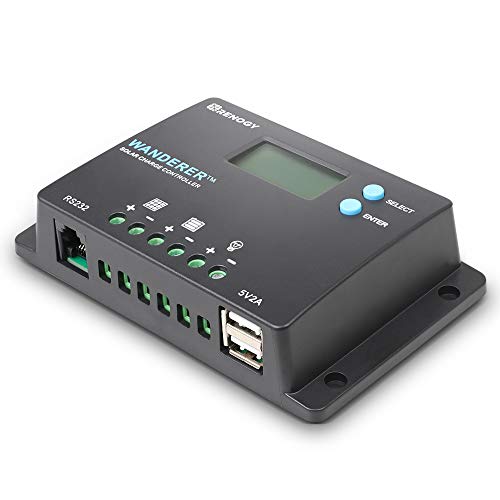
𝐒𝐦𝐚𝐫𝐭 𝟒-𝐒𝐭𝐚𝐠𝐞 12V/24V Solar Charge Controller: Renogy charge controller 𝐦𝐚𝐱𝐢𝐦𝐢𝐳𝐞𝐬 𝐁𝐚𝐭𝐭𝐞𝐫𝐲 𝐋𝐢𝐟𝐞 & 𝐒𝐨𝐥𝐚𝐫 𝐄𝐟𝐟𝐢𝐜𝐢𝐞𝐧𝐜𝐲, this advanced pwm solar charge controller utilizes intelligent 4-stage charging (Bulk/Boost/ Float/Equalization) to optimize power delivery for AGM, Gel, Flooded and Lithium batteries. RV solar charge controller prevents overcharging and gas buildup while 𝐚𝐜𝐡𝐢𝐞𝐯𝐢𝐧𝐠 𝟑𝟎% 𝐥𝐨𝐧𝐠𝐞𝐫 𝐛𝐚𝐭𝐭𝐞𝐫𝐲 𝐥𝐢𝐟𝐞𝐬𝐩𝐚𝐧 compared to basic charge controllers.
What Is a PWM Solar Controller?
A PWM (Pulse Width Modulation) solar controller regulates the voltage and current from solar panels to batteries. It adjusts the charging process by turning the power on and off rapidly, averaging the output to maintain a steady voltage. This type of controller is cost-effective and widely used in various applications, making it popular among solar energy users.
How Does a PWM Solar Controller Work?
A PWM solar controller works by alternating the energy supply to the battery based on its charge status. It connects directly to the solar panels and battery, allowing the controller to monitor their voltage levels. When the battery reaches a specific charge level, the controller reduces the power sent from the panels. This method minimizes overcharging and maximizes energy efficiency, extending battery life.
For instance, if a battery needs 14.4 volts for charging, the PWM controller adjusts the output to maintain that voltage. This simple yet effective method keeps lithium batteries safe and operational without excessive wear or damage.
Compatibility with Lithium Batteries
Using a PWM solar controller with lithium batteries requires understanding their compatibility. While PWM controllers can work with lithium batteries, specific factors influence their effectiveness and performance.
Recommended Products
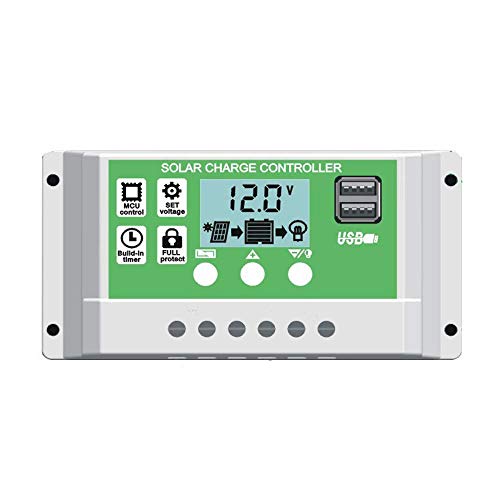
【Upgraded Solar Panel Controller】This 30a solar charge controller compatibility with 12V 24V system.Fully 4-Stage PWM charge (Boost, ABS, Equalization,Float),the power MOSFET is used as and electronic switch without any mechanical switches and equipped with industrial-grade STM 8 microprocessor to prolong your battery life cycle.

[ 30A Solar Charge Controller ]: The solar charger controller compatible with 12V 24V system. Discharge Current: 10A,a built-in industrial micro controller, automatically manage the working of solar panel and battery in sol ar system. Dual USB output 5V/2.5A (max), to support mobile phone charging

12V Battery Compatibility + 20A PWM Charging: Designed specifically for 12V solar systems, this 20A PWM solar charge controller is compatible with LiFePO4, AGM and Gel batteries and supports solar panels up to 300W. The upgraded 20A design provides stable current management for everyday RV, marine, camping and off-grid solar applications. Not compatible with 24V/36V battery systems
Differences Between Lithium and Lead-Acid Batteries
Lithium batteries differ fundamentally from lead-acid batteries in several ways:
- Charging Voltage: Lithium batteries often require a constant voltage charging method. For example, they typically charge at 14.4 to 14.6 volts, unlike lead-acid batteries, which range from 13.8 to 14.4 volts.
- Depth of Discharge: Lithium batteries tolerate deeper discharges without damaging their lifespan. They can often be discharged to 20% capacity compared to lead-acid batteries limiting to 50%.
- Weight and Size: Lithium batteries are lighter and can provide more energy in a smaller package. A typical lithium battery weighs about 1/3 as much as an equivalent lead-acid battery, making them ideal for mobile applications.
Understanding these differences helps clarify why special attention is necessary when using PWM controllers with lithium batteries.
Benefits of Using PWM Controllers with Lithium Batteries
PWM controllers offer several benefits for managing lithium batteries effectively:
- Cost-Effectiveness: PWM controllers are generally less expensive than MPPT (Maximum Power Point Tracking) controllers. This advantage makes them an attractive option if you’re on a budget.
- Simplicity: PWM controllers have a straightforward installation process. They typically require fewer components, easing installation headaches for DIY solar setups.
- Safety Mechanisms: Many PWM controllers include safety features such as overvoltage prevention. These features protect lithium batteries from damage during charging.
- Compatibility with Solar Panels: Most PWM controllers work well with typical solar panel configurations, providing flexibility in system design.
When using a PWM controller for lithium batteries, consider tuning the controller settings to match the specific charging requirements of your batteries. This calibration enhances performance and extends battery life.
Factors to Consider
Using a PWM solar controller with lithium batteries involves several important factors. Understanding these will help you optimize your solar energy setup.
Recommended Products
![[Upgraded] 30A PWM Solar Charge Controller with Auto Parameter LCD Display](https://m.media-amazon.com/images/I/41opvkWthjL._SL500_.jpg)
【UPGRADED SOLAR CONTROLLER】This solar charge controller helps you manage the working of solar panels and batteries in solar systems automatically with the build-in industrial microcontroller. You don't need to reset it when the battery runs out cause it will memorize various parameters set by the user

【Start Every Trip Ready】 Built for 12V solar panels up to 10A and compatible with 12V LiFePO4, AGM, and GEL batteries, this solar charge controller helps keep your battery supported while your vehicle sits. When the road, water, or trail is calling, spend less time worrying about a dead battery and more time getting on your way.

[100% Waterproof] The solar charge controller is built to last in any weather. It has a waterproof seal that keeps it safe from rain, snow, and dust. It’s perfect for outdoor use.
Voltage Matching
Voltage matching between the PWM solar controller and lithium batteries is crucial. Lithium batteries generally require a higher charging voltage than lead-acid batteries. For example, a lithium battery pack might need a charge voltage of around 14.4 volts, while lead-acid batteries typically require only 13.8 volts. Ensure your PWM controller can provide the necessary voltage to meet the requirements of your lithium batteries. Otherwise, inefficiency or damage can occur.
Charging Parameters
Correct charging parameters significantly affect the lifespan and performance of lithium batteries. Lithium battery charging often requires specific settings such as constant current and constant voltage phases. Unlike lead-acid batteries, lithium batteries operate at precise charging profiles. Adjust the PWM controller’s settings to align with the lithium battery’s specifications to avoid issues like overcharging. This alignment ensures you’re maximizing energy efficiency and enhancing battery longevity. Familiarize yourself with the manufacturer’s recommendations for charging currents and termination voltages for optimal results.
Alternatives to PWM Controllers
When considering solar power systems for lithium batteries, exploring alternatives to PWM controllers is essential to optimize performance. One prominent option involves MPPT (Maximum Power Point Tracking) solar controllers.
MPPT Solar Controllers
MPPT solar controllers maximize energy harvest from solar panels by adjusting their resistance to match the solar panel’s output in real time. This type of controller continuously seeks the optimal voltage and current levels. By operating at these maximum power points, MPPT controllers significantly enhance energy efficiency. For instance, they can convert surplus voltage into additional current, improving the overall energy output from your solar setup.
Benefits of MPPT Over PWM
MPPT controllers offer various advantages over PWM controllers, making them a more suitable choice for lithium batteries. Key benefits include:
- Increased Efficiency: MPPT controllers often achieve up to 30% higher energy efficiency compared to PWM controllers, especially in cloudy conditions or low-light scenarios.
- Higher Output Voltage: MPPT controllers can accept higher input voltages, allowing you to use larger solar arrays without exceeding the controller’s rated output.
- Adaptability: MPPT controllers adapt to changes in environment and battery state. They adjust the charging process automatically, ensuring that lithium batteries receive the right voltage and current.
- Compatibility: Many MPPT controllers support various battery types, providing flexibility for your solar energy setup. You can switch between different battery technologies without needing a separate controller.
These benefits make MPPT controllers a worthy consideration for anyone looking to enhance their solar energy system, particularly when using lithium batteries.
Conclusion
Choosing the right solar controller for your lithium batteries can make all the difference in performance and longevity. While PWM solar controllers can work with lithium technology, it’s essential to ensure they meet the specific voltage and charging requirements of your batteries.
By tuning the settings and understanding the differences between battery types, you can optimize your solar energy system. If you’re looking for maximum efficiency and flexibility, consider exploring MPPT controllers as a potential upgrade. Whatever route you choose, being informed will help you get the most out of your solar setup. Happy solar powering!
Frequently Asked Questions
What is a PWM solar controller?
A PWM (Pulse Width Modulation) solar controller regulates the charging of batteries by controlling the voltage and current from solar panels. It rapidly turns power on and off to maintain a steady average voltage, ensuring efficient charging and battery protection.
Can PWM solar controllers be used with lithium batteries?
Yes, PWM solar controllers can be used with lithium batteries, but specific adjustments must be made to account for their unique charging requirements. Ensuring voltage compatibility and suitable settings are vital for maximizing battery life.
What are the advantages of PWM controllers for lithium batteries?
PWM controllers are cost-effective, simple to install, and equipped with safety mechanisms. They help prolong lithium battery life by preventing overcharging and ensuring the correct charging voltage is applied.
How should PWM controller settings be adjusted for lithium batteries?
To optimize battery performance, adjust the PWM controller’s settings to match the lithium battery’s specific charging requirements, including constant current and constant voltage phases. Always refer to the manufacturer’s recommendations for best results.
What is the difference between PWM and MPPT solar controllers?
MPPT (Maximum Power Point Tracking) controllers are more efficient than PWM controllers, particularly in suboptimal conditions. They maximize energy extraction from solar panels by adapting their resistance based on real-time conditions, achieving up to 30% more efficiency.
Why is voltage matching important for lithium batteries?
Lithium batteries typically require higher charging voltages than lead-acid batteries. Ensuring the PWM controller can provide the necessary voltage is crucial to prevent inefficiency or potential damage to the battery.
What are the implications of incorrect charging parameters?
Using incorrect charging parameters can lead to reduced battery efficiency and lifespan. It’s essential to set the PWM controller according to lithium battery specifications, particularly for charging currents and termination voltages.
Are there alternatives to PWM solar controllers?
Yes, MPPT solar controllers are a viable alternative, offering improved energy efficiency by optimizing the output from solar panels to better match various battery types, including lithium, under different conditions.
