

Ever found yourself in a situation where your solar batteries are running low, and the sun just won’t cooperate? You’re not alone. Many people rely on solar energy but sometimes need a backup plan when the weather turns gloomy or power demands spike.
Key Takeaways
- Solar Batteries Defined: Solar batteries store energy from solar panels, allowing for use during non-sunny periods, thereby enhancing energy independence and efficiency.
- Importance of Generators: Generators can serve as a reliable backup for charging solar batteries when sunlight is insufficient or energy demands increase.
- Compatibility Matters: Ensure the generator is compatible with your solar batteries by matching voltage requirements and utilizing a pure sine wave inverter to protect sensitive electronics.
- Charging Steps: Follow proper steps to connect and charge your solar batteries with a generator, focusing on safe connections and monitoring charging status to avoid overcharging.
- Pros and Cons: Using a generator offers quick and reliable charging but comes with fuel dependence, environmental impact, and maintenance requirements that need to be considered.
- Versatile Options: Various types of generators, including inverter and portable generators, can be used to charge solar batteries based on specific energy needs and mobility requirements.
Understanding Solar Batteries
Solar batteries store energy generated from solar panels for later use. They play a crucial role in maximizing the benefits of solar power, especially when the sun isn’t shining.
What Are Solar Batteries?
Solar batteries are energy storage systems that capture and store electricity produced by solar panels. They come in various types, such as lithium-ion, lead-acid, and saltwater batteries, with each type offering unique advantages. Lithium-ion batteries, for example, are popular for their efficiency and longer life span, while lead-acid batteries are often more affordable. These batteries allow you to use stored energy during nighttime or cloudy days, providing greater energy independence.
Benefits of Using Solar Batteries
Using solar batteries offers several benefits:
- Energy Independence: Solar batteries reduce reliance on the grid. This means you can access electricity even during outages or in off-grid situations.
- Cost Savings: Batteries enable you to store excess energy. By using stored energy during peak pricing hours, you save money on utility bills.
- Backup Power: During emergencies, solar batteries provide backup power to essential devices. This is crucial for maintaining security and connectivity.
- Increased Efficiency: Batteries enhance the overall efficiency of your solar system. They allow you to harness and utilize more solar energy instead of letting it go to waste.
Understanding solar batteries helps clarify their importance in a solar energy system. Knowing their features and benefits prepares you for effectively managing solar power, especially when considering options like charging them with a generator.
The Role of Generators in Charging
Generators serve as a reliable backup for charging solar batteries when sunlight is scarce or energy demands exceed supply. Utilizing a generator can ensure your solar batteries maintain sufficient power levels during challenging conditions.
Recommended Products
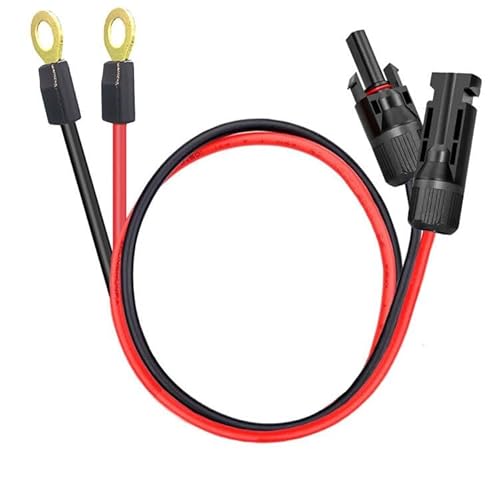
【High-quality material】High-Qulity Material Ensures Transmission in a Stable Situation.The cable is made of 10AWG tinned copper wire, which minimizes power loss and improves charging efficiency, and the shell is made of durability. insulating material, which has the best insulation effect .

10AWG Wire Tinned Copper Tray Extension Cable to connect the charge controller to the battery, also can be used as solar wires with tools to cut and crimp with new connectors.Widely used for solar panels, marine, automotive, RVs, Lawn mower,camper and inverter wiring.

UPGRADED PORTABLE POWER: As from the last upgrading, this portable power station of MARBERO is called M822 which is another same outfit design as the MARBERO M82. This brand new battery generator has an even more powerful capacity of 146Wh(equiv. 40,000mAh/3.7V) and much more power output of 200W, which can support more usage situations and more appliances with a convenient small size(7.5*5.3*3.6 in, 3.3 lbs) but a more powerful inside.
How Generators Work
Generators convert fuel, such as gasoline or propane, into electrical energy. This process involves an engine that drives an alternator, producing an alternating current (AC). For charging solar batteries, you typically need a generator with a compatible output, like a battery charger or inverter. Understanding this operation helps in selecting a generator that meets your charging needs.
Types of Generators Suitable for Charging
Several generator types can effectively charge solar batteries. Here are some options:
- Inverter Generators: Inverter generators provide clean, stable power ideal for sensitive equipment. They often adjust power output to match the load, making them efficient for charging batteries.
- Portable Generators: Portable generators offer versatility and mobility. They can charge your solar batteries in various locations, perfect for camping or during power outages.
- Home Standby Generators: These generators permanently connect to your home’s electrical system. They can automatically start during outages and charge solar batteries when needed.
Selecting the right generator ensures a seamless charging experience for your solar batteries, enhancing your energy independence during low sunlight periods.
Can I Charge My Solar Batteries With a Generator?
Yes, you can charge your solar batteries with a generator. This method is useful during prolonged cloudy periods or when energy demands exceed what your solar system can provide.
Compatibility Considerations
Before charging your solar batteries with a generator, check compatibility. Your solar battery type influences the charging process.
- Inverter Requirements: Ensure your generator has a pure sine wave inverter. This helps prevent damage to sensitive electronics in your solar batteries.
- Voltage Matching: Match the generator’s voltage with your battery’s requirements. Most solar batteries work with 12V or 24V systems.
- Charging Rate: Verify that your generator can supply the necessary charging amps. Insufficient amperage can lead to slow or ineffective charging.
Steps to Charge Solar Batteries with a Generator
Follow these steps for efficient charging:
- Select the Right Generator: Choose a generator that meets the power and voltage requirements of your solar battery system.
- Connect the Generator: Use appropriate cables to connect the generator to your solar battery’s charge controller. Always refer to the user manual for safe connections.
- Turn on the Generator: Start your generator and allow it to warm up for a few minutes before turning on any connected devices.
- Monitor Charging Status: Keep an eye on the charge controller’s indicator lights or screen. This helps track the charging level and prevents overcharging.
- Disconnect Safely: Once the batteries reach their desired charge level, turn off the generator before disconnecting the cables. Always follow safety protocols to avoid electrical hazards.
These steps ensure a safe and effective charging process while using a generator with your solar batteries.
Advantages and Disadvantages
Using a generator to charge your solar batteries presents both benefits and drawbacks. Understanding these can help you make informed choices when managing your energy needs.
Recommended Products

SOLAR GENERATOR WITH SOLAR PANEL: Power your outdoor adventures with the MARBERO Solar Generator M82MAX and 30W Solar Panel. Ideal for camping, road trips, or off-grid living, this duo delivers reliable electricity wherever you go. With a high-capacity power kit, you'll enjoy uninterrupted device charging, ensuring your outdoor fun never ends.

Efficient Output: This portable power station features 8 output ports, including 2 AC sockets (110V 120W, 240W peak), 1 USB-C port (18W), 2 QC 3.0 USB ports, 1 USB port (5V 2.4A), and 2 DC ports (12V/10A). The LED display clearly shows the working status and remaining power. Ideal for camping and outdoor adventures, this camping power bank can power devices like night lights , mini fans, and below 120W other essential equipment, making it a reliable companion for your trips

Pros of Using a Generator
- Quick Charging: Generators provide a rapid charging solution. You can restore battery levels faster compared to waiting for sunlight.
- Reliable Backup: Generators act as dependable backups during extended cloudy periods or emergency situations. They ensure power availability when solar energy is insufficient.
- Versatile Energy Source: Generators can charge various battery types, including lithium-ion and lead-acid models. This versatility accommodates different solar setups.
- Mobility: Portable generators allow you to charge batteries anywhere. Take them to remote locations or use them during camping trips for off-grid power.
- Minimal Initial Investment: For some, purchasing a generator may require less upfront investment than expanding a solar panel system.
- Fuel Dependency: Generators require fuel, which can limit access in remote areas or become costly over time. It’s essential to keep fuel supplies accessible.
- Environmental Impact: Using fossil fuel-powered generators contributes to greenhouse gas emissions. This can conflict with renewable energy goals.
- Noise Pollution: Generators can create significant noise, which may disrupt your environment or disturb neighbors. Considering less intrusive options, like inverter generators, can mitigate this.
- Maintenance Requirements: Generators need regular maintenance to operate efficiently. This includes checking oil levels, replacing filters, and ensuring proper functionality.
- Initial Setup Complexity: Connecting a generator to solar batteries requires attention to compatibility and safety. Improper setup can damage your equipment or create hazards.
Evaluating these advantages and disadvantages helps guide your decision on whether a generator suits your solar battery charging needs.
Conclusion
Charging your solar batteries with a generator can be a smart solution during those times when sunlight just won’t cooperate. By having a reliable backup plan in place you can ensure that your energy needs are met even in challenging conditions.
Remember to choose the right generator that fits your system and follow the necessary precautions for safe operation. Weighing the pros and cons will help you make the best choice for your situation.
With the right approach you can enjoy the benefits of solar energy while staying prepared for any unexpected power demands. So go ahead and explore the options that work best for you and your energy independence journey.
Frequently Asked Questions
What challenges do individuals face when relying on solar energy?
Individuals often struggle with low solar battery levels during gloomy weather or higher energy demands. This unpredictability underscores the need for a robust backup plan.
How do solar batteries work?
Solar batteries store excess energy generated by solar panels for later use, enhancing energy independence and efficiency. They allow users to power devices even when sunlight is unavailable.
What types of solar batteries are available?
The main types of solar batteries include lithium-ion and lead-acid. Lithium-ion batteries are more efficient and durable, while lead-acid batteries are typically less expensive but have shorter lifespans.
Why are generators important for solar energy users?
Generators provide reliable backup power for charging solar batteries during periods of low sunlight or increased energy demands, ensuring energy availability when needed most.
What types of generators can be used to charge solar batteries?
Suitable generators for charging solar batteries include inverter generators, portable generators, and home standby generators, each offering unique advantages like mobility and clean power output.
What should I consider when using a generator to charge solar batteries?
Considerations include ensuring the generator has a pure sine wave inverter, matching voltage specifications, and maintaining adequate charging rates for safe and efficient battery charging.
What are the benefits of using a generator to charge solar batteries?
Generators offer quick charging, are reliable during emergencies, are versatile for different battery types, and can be more cost-effective than expanding a solar panel system.
What are the drawbacks of using a generator for solar battery charging?
Drawbacks include dependency on fuel, environmental concerns, noise pollution, maintenance needs, and potential complexities during initial setup, which should be carefully evaluated.
How can I efficiently charge solar batteries with a generator?
To efficiently charge, select the right generator, connect it safely, monitor the charging status, and disconnect properly afterward. Following these steps ensures effective energy transfer.
