

Ever hopped into your car after a few days of not driving, only to find the battery as lifeless as a forgotten plant? It’s a common annoyance that can leave you feeling stranded and frustrated. But fear not, because in this article, we’ve got your back with some practical tips and insights on why your car battery might die after sitting idle.
Imagine the scenario: you’re all set to hit the road after a short break, but your car refuses to cooperate. Sounds familiar, doesn’t it? Don’t worry, you’re not alone in this predicament. Many car owners face the same issue, and understanding the reasons behind it can save you time, money, and a whole lot of hassle.
In this article, we’ll delve into the reasons why your car battery might die after not driving for a while, and more importantly, we’ll equip you with the knowledge to prevent it from happening again. So, sit back, relax, and let’s unravel the mystery behind your car’s sudden power outage.
Reasons for Car Batteries Dying After Not Driving
If you’re wondering why car batteries tend to die after just sitting there, fret not. Here’s what often happens:
- Parasitic drain: Certain car systems draw power even when the engine’s off.
- Short trips: Not driving for long, your battery may not fully recharge.
- Extreme temperatures: Hot or cold weather can strain the battery.
- Corrosion: Buildup on terminals can hinder the connection.
Recommended Products

[FIND HIDDEN BATTERY DRAINS FAST]: Quickly identify parasitic battery draw and current leaks before they leave you stranded. This battery drain tester helps diagnose electrical issues that cause dead batteries, making it easier to locate excessive standby current in your vehicle.
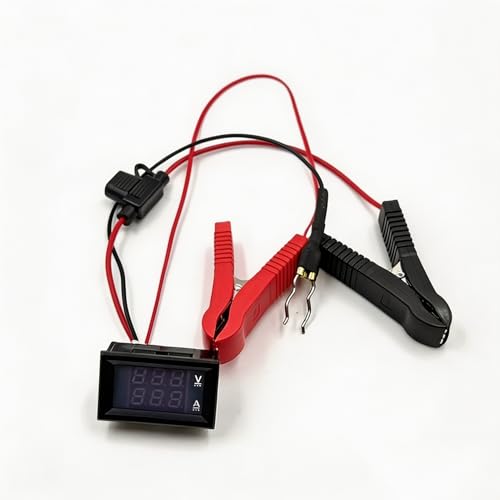
NO-DISCONNECT SAFE TESTING: Innovative design allows you to track down parasitic battery drain without disconnecting the vehicle's electrical system. This completely prevents vehicle computer (ECU) resets, loss of radio codes, and anti-theft system lockouts, ensuring a hassle-free diagnostic process.

Replaceable in-line fuses protect both the meter and tester in the event a high current source on the vehicle is left on
Impact of Inactivity on Car Batteries
When you leave your car sitting unused for extended periods, the car battery can suffer from discharge, leading to a dead battery situation. Here’s how inactivity affects your battery:
- Reduced Charging: Without regular driving, the battery doesn’t get a chance to recharge fully.
- Increased Self-Discharge: Batteries can naturally lose charge over time, especially when left inactive.
- Sulfation: Prolonged inactivity can cause sulfate crystals to form on the battery plates, reducing its ability to hold charge.
To keep your car battery healthy during periods of inactivity, consider these tips:
- Regular Charging: Use a battery maintainer to keep the charge topped up.
- Short Drives: If possible, take short drives to give the battery a chance to recharge.
- Storage: When storing your car, disconnect the battery or use a trickle charger to maintain charge.
Signs of a Dead Car Battery
When your car battery is on the fritz, it’s crucial to know the signs to avoid getting stuck with a dead battery at an inconvenient time. Here are common indicators that your car battery might be calling it quits:
- Dim headlights and interior lights
- Engine struggles to start or is slow to crank
- Clicking sound when you turn the key
- Electrical systems like radio and power windows malfunction
- Dashboard warning lights illuminate
Noticing these signs can help you address battery issues promptly and avoid unexpected breakdowns.
Preventive Measures to Avoid Dead Batteries
To prevent your battery from dying after leaving your car unused for a while, you can take some preventive measures to ensure it stays in good condition:
- Regularly Start Your Car: Try to start your car at least once a week if it’s sitting unused for long periods.
- Keep It Charged: Invest in a trickle charger to maintain the charge in your battery.
- Avoid Short Trips: If you’re driving infrequently, try to avoid short trips that don’t give your battery enough time to recharge fully.
- Check for Corrosion: Routinely inspect your battery terminals for any signs of corrosion and clean them if needed.
- Park in a Garage: When possible, park your car in a garage or a shaded area to protect the battery from extreme temperatures.
| Important Tips |
|---|
| Regularly start your car |
| Invest in a trickle charger |
| Avoid short trips |
| Check for corrosion |
| Park in a garage |
By following these simple steps, you can extend the life of your car battery and reduce the chances of coming back to a dead vehicle.
Conclusion
By following these simple tips, you can ensure that your car battery stays healthy and ready to go whenever you need it. Remember to start your car regularly, consider using a trickle charger, avoid short trips, check for corrosion on battery terminals, and park in a garage or shaded area. These practices will help you avoid the inconvenience of dealing with a dead battery and keep your vehicle running smoothly. Stay proactive in maintaining your battery to enjoy worry-free driving experiences.
Frequently Asked Questions
How can I prevent my car battery from dying?
To prevent dead car batteries, start the car regularly, invest in a trickle charger, avoid short trips, check for corrosion on battery terminals, and park in a garage or shaded area.
Why is it important to maintain the car battery?
Maintaining the car battery helps extend its lifespan, ensures reliable vehicle starting, and reduces the risk of encountering a dead battery unexpectedly.
What are common causes of car battery failure?
Common causes of car battery failure include lack of maintenance, extreme temperatures, frequent short trips, old age, and parasitic drains on the battery.
How often should I start my car to prevent battery issues?
Starting your car at least once a week is recommended to keep the battery charged and prevent it from dying due to lack of use.
Is it necessary to check battery terminals for corrosion?
Yes, checking battery terminals for corrosion is crucial as it can prevent proper electrical connections, leading to battery issues and potential failure.
