


I have noticed over time that rooms often feel incomplete until the lighting draws attention to the built in features. Walking through a space at night shows how much the details matter once the daylight fades. The smallest adjustment can pull everything together. I usually start by testing one or two spots in my own rooms before committing to a full setup. Many of these ideas seem practical enough to adapt without much effort or cost.
Picture Lights Over The Mantel

A picture light mounted above the mantel gives the artwork a quiet prominence that changes how the whole wall reads. It turns a simple arrangement of frames into the clear focal point without adding floor lamps or sconces that might compete with the architecture.
This approach works best in rooms where the fireplace already serves as the center, especially when built-ins sit on either side. Keep the fixture narrow, use a warm bulb, and position it so the light stays on the art rather than spilling onto the ceiling or surrounding shelves.
Wall Sconces Above Mirrors

A wall sconce placed directly over a large mirror gives the frame extra presence without needing much else. The light catches the curves and details that would otherwise sit flat against the wall, and it works especially well in rooms where the mirror serves as the main focal point.
This approach suits older homes with traditional trim or paneled walls. Keep the sconce simple in shape so it does not compete with the mirror itself, and aim for a warm bulb that brings out the finish on the frame rather than washing it out.
Built-In Accent Lights For Open Shelving

Small LED lights tucked under each shelf give the wood a soft glow and make the items on display stand out without extra lamps or harsh overhead light. This approach keeps the focus on the architecture of the built-ins themselves rather than on freestanding fixtures.
It works best in kitchens or living areas where cabinetry already includes open storage. Place the lights on a dimmer so they can stay on in the evening without overpowering the room, and keep the shelf depth shallow enough that everything stays evenly lit.
Wall Sconces That Highlight Crown Molding

Wall sconces offer a clean way to draw attention to ceiling trim without filling up surfaces with lamps. Here the lights sit on the dark blue wall and send a soft wash upward, making the molding stand out against the lighter ceiling while also warming the wood headboard below.
This approach works well in bedrooms or any room where you already have strong architectural lines. Place the sconces at eye level or slightly above so the beam reaches the trim, and keep the shades simple so the focus stays on the architecture rather than the fixture itself.
Wall Sconces Along Paneled Walls

Wall sconces work especially well in hallways because they bring light closer to the surface and make the paneling and trim stand out. Instead of relying only on overhead fixtures, these smaller lights create a gentle wash that shows off the depth of the molding without making the space feel harsh or overly bright.
They suit homes with traditional or classic details and work best when spaced evenly so the light falls consistently along the length of the wall. Keep the fixtures slim so they do not crowd a narrow passage, and choose a warm tone that complements wood tones and painted paneling.
Accent Lighting for Arched Alcoves

Many older homes have these curved niches that often end up in shadow or just blend into the wall. Running a slim strip of warm light along the top edge brings out the shape and the ribbed texture inside without any extra fixtures cluttering the space.
This works especially well in smaller rooms like a study or reading corner where you want the architecture to feel intentional rather than flat. Keep the light a soft white or warm tone so it feels calm instead of harsh, and it pairs easily with a simple desk lamp for task lighting when needed.
Accent Lighting For Recessed Niches
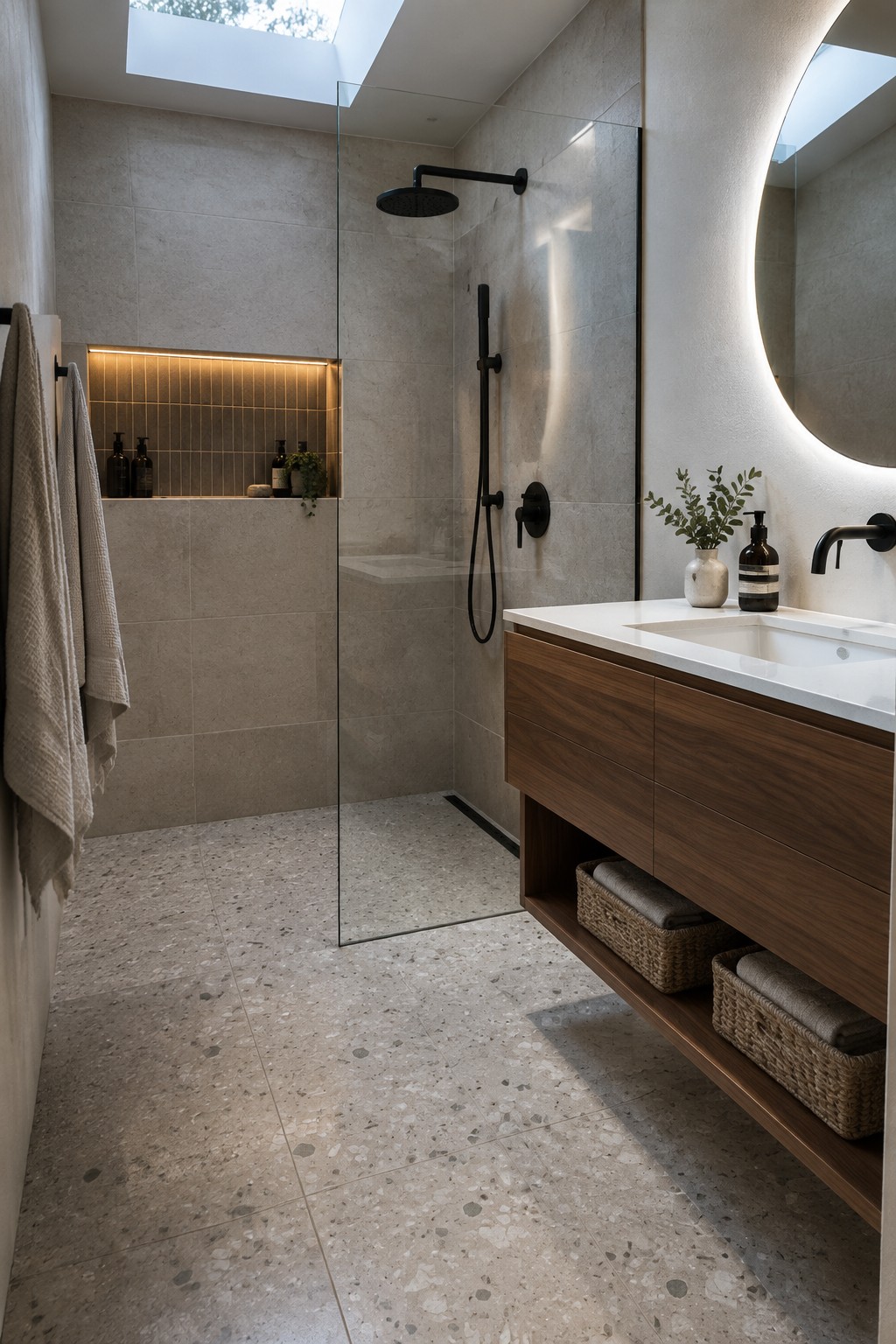
A recessed niche with its own light source turns a plain wall into something more interesting. The soft glow inside the niche draws attention to the tile work and makes the shelf area feel intentional rather than just leftover space.
This approach works best in bathrooms where you already have tiled walls and want to add warmth without extra fixtures on the ceiling. Use a warm LED strip tucked behind the front edge of the niche so the light stays gentle and does not shine straight into your eyes. It suits homes that lean modern but still want a calm, simple look.
Hang a Lantern Over the Entry Door
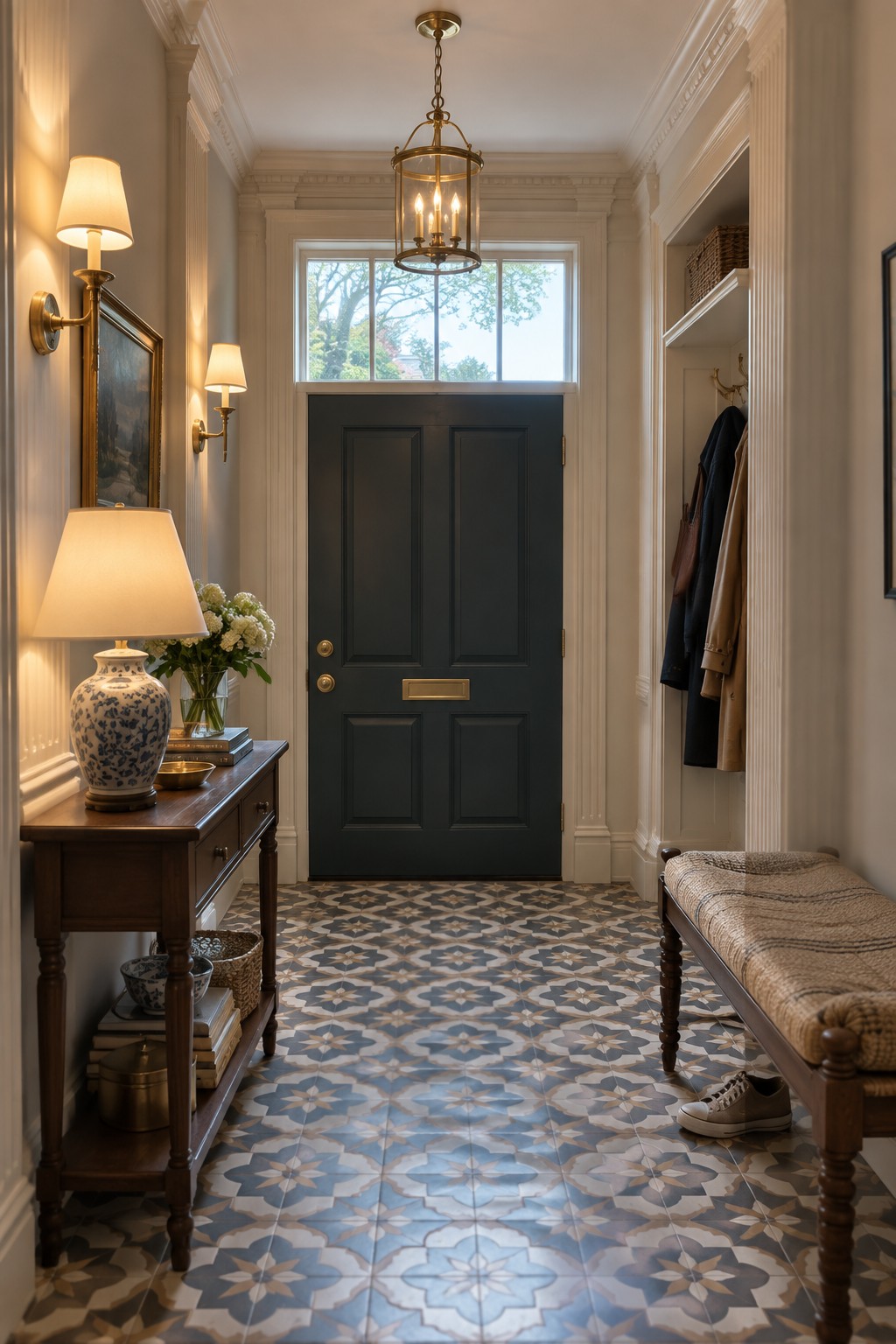
A hanging lantern works well in an entry because it sits at just the right height to catch the eye and pull attention to the door frame and transom. The light spreads evenly across the trim and helps the door read as the main feature instead of just another surface in the hallway.
This approach suits homes with classic moldings and a fairly narrow entry space. Choose a simple brass or bronze lantern with clear glass so the light stays soft and the fixture does not compete with the door itself.
Recessed Lighting In An Arched Niche

Many homes have these built-in arched niches that can end up looking flat without the right light. A small recessed fixture placed at the top of the arch lifts the whole space by highlighting the books, art, and objects inside without any extra clutter.
This approach suits older homes or any room with similar architectural details. Keep the bulb warm and dimmable so the light feels soft instead of harsh, and let it do the work of drawing the eye to the niche itself.
Step Lights Built Into Staircases

Small lights tucked along the side of each step bring out the shape and detail of a staircase without adding extra fixtures to the walls. This approach works especially well in older homes where the paneling and trim already carry a lot of character. The lights stay low and focused, so the eye follows the lines of the stairs rather than jumping to bright spots.
They suit homes with solid woodwork or painted paneling, and they double as a practical safety feature after dark. Keep the fixtures small and simple, and space them evenly so the light stays consistent from top to bottom. Avoid anything too bright or decorative that might compete with the architecture itself.
Accent Lighting In Built-In Bookcases

Built-in bookcases often look flat without some help, and a simple row of linear lights tucked under the top shelf changes that fast. The light washes down across the wood and whatever sits on the shelves, making the whole unit feel more like part of the architecture instead of just storage. It works especially well when the cases run wall to wall and the wood has some grain or color to catch.
This approach suits rooms that already have woodwork or paneling, like living rooms or studies in older homes. Keep the fixtures narrow so they stay hidden, and aim for a warm temperature that matches any other lamps in the space. Avoid cranking the brightness too high or the shelves can start to look like a display case rather than a lived-in part of the room.
Spotlights For Highlighting Built-In Shelves

Many older homes have tall built-in bookshelves that can look flat without the right light. Small ceiling spots aimed at the shelves bring out the wood grain and make the books feel like part of the architecture rather than just storage.
This works best in traditional studies or libraries where the goal is a calm, settled look. Aim the spots so they graze the front edges of the shelves instead of hitting them straight on, and keep the rest of the room lighting low so the shelves become the main point of interest.
Uplighting Stone Fireplaces

Small recessed lights tucked above the mantel can bring out the texture and depth in a stone fireplace without any extra lamps in the room. The light stays soft and focused, so the fireplace feels like the main feature instead of just a dark mass of stone.
This approach suits older homes or any space where the fireplace already has built in shelves on both sides. Keep the fixtures narrow and warm so they wash over the stone and the wood mantel without creating harsh spots or shadows on the surrounding shelves.
Recessed Lighting for Arched Alcoves

A recessed light placed at the top of an arched alcove draws attention to the curve without any extra hardware. The effect feels simple and intentional, especially in a bedroom where the headboard sits inside the niche.
This works best in homes with existing architectural details like arches or built-in alcoves. Position the light so it grazes the curve and use a warm bulb to keep the look soft rather than stark.
Accent Lighting Under Floating Vanities

One simple way to highlight a floating vanity is to add a hidden light strip underneath it. The glow lifts the piece visually, shows the material thickness, and draws attention to the floor and wall details below without adding extra fixtures that clutter the space.
This works especially well in smaller bathrooms where you want the room to feel open. Keep the light warm and consistent with any other accent sources, and test the placement so the strip stays out of sight from normal standing height.
Built-In Shelf Lighting for Architectural Niches

One simple way to highlight built-in shelving is to run a hidden light strip along the top edge. The warm glow draws attention to the recess and makes the items on display feel more intentional without adding extra fixtures.
This works especially well in smaller rooms like nurseries where you want a calm evening light. Use a soft warm tone and keep the source out of direct view so the shelves themselves become the focus rather than the bulbs.
Picture Lights Above Framed Prints

Many homes already have interesting walls or trim that get overlooked during the day. Adding small lights right over framed pieces brings those details forward in the evening without needing much else.
This works best in studies, libraries, or hallways where the goal is a calm, finished look. Keep the fixtures narrow so they do not overpower the frames, and aim them slightly downward to reduce glare on the glass.
Recessed Lights in Arched Niches

A recessed light tucked at the top of an arch gives the whole recess a quiet lift. It brings out the curve of the plaster and makes the built-in bench below feel like part of the architecture instead of just extra seating.
This approach works best in dining areas or small sitting spots where you want the wall detail to read clearly at night. Keep the bulb warm and the output low so the light stays soft on the texture rather than creating a harsh spot.
Recessed Lights in Built-In Shelving

Small recessed lights placed at the top of open cubbies can make a big difference in how a storage area feels. They highlight the structure of the shelving and keep the space from looking dark or flat even when the rest of the room is dim.
This approach works well in mudrooms and entryways where built-ins handle coats, bags, and daily clutter. It suits homes that already have custom cabinetry and gives the whole wall a finished look without needing extra lamps on the bench.
Low Floor Lights to Highlight Columns

A small light tucked right at the base of a column gives the whole corner a quiet lift. It draws the eye along the fluted lines without any fuss, and it works especially well in rooms that already have nice woodwork or built-in shelves nearby. The effect feels gentle and lived-in rather than staged.
This approach suits older homes or any space with clear architectural details worth noticing. Keep the fixture small and close to the wall so the beam stays narrow. It pairs best with wood floors and neutral walls where the light can bounce softly upward.
Picture Lights for Highlighting Artwork

Picture lights give each painting its own focused glow and keep the attention on the art rather than the wall itself. In a long hallway this approach turns a simple row of frames into a clear sequence that feels intentional and easy to follow.
Place one light centered above each piece and aim the beam so it stays on the painting. This works best in traditional or transitional homes where you already have a mix of artwork and want the lighting to feel built in rather than added on later.
Integrated Lighting For Built In Niches

Built in niches and shelving often get overlooked in smaller or utility rooms, but adding a simple strip of lighting changes how the whole space feels. The light draws attention to the depth of the recess and the clean lines of the cabinetry without needing extra fixtures on the walls or ceiling. It turns a plain storage area into something that feels more finished and intentional.
This approach works especially well in laundry rooms, mudrooms, or any space where you want the architecture to stand out but still need the area to stay practical. Place the lighting along the top or sides of a niche so it highlights whatever is stored there, and keep the color temperature consistent with the rest of the room. Just avoid making the light too bright or it can start to feel like a display case instead of part of the room.
Lighting Built-In Niches from Within

One simple way to add interest to a bathroom is to light the insides of recessed niches instead of leaving them dark. The glow highlights whatever is stored there, whether that is bottles, small plants, or just the texture of the wall itself. It also makes the whole wall feel more layered without needing extra lamps or sconces.
This approach works especially well in rooms with stone or plaster walls where you want the material to show depth. Keep the light warm and dimmable so it stays soft in the evening. It suits both new builds and renovations where you can plan the wiring before the walls are finished.
Accent Sconces on Media Walls

Wall sconces placed on either side of a built-in screen can pull attention to the woodwork and structure around it. In this setup the sconces sit right on the vertical paneling, warming the grain and making the recessed area feel more like a deliberate architectural feature than just a place to watch TV. The light stays low and focused, so it adds depth without washing out the room.
This works best in spaces that already have wood paneling or a similar built-in surround. Keep the sconces simple and at eye level so they frame the screen evenly. It suits homes with deeper living rooms where you want the media area to feel settled into the architecture rather than floating on the wall.
Frequently Asked Questions
Q: How far back should I set the lights from my door trim so the edges pop without glare?
A: Place them about a foot away and aim slightly upward. This angle catches the raised details while keeping the beam soft on the surface.
Q: Can I highlight baseboards in a room with dark floors?
A: Use low-output strips tucked under the overhang. They bounce light upward to define the shape without reflecting too much off the floor itself.
Q: What if my arched windows already have curtains in the way?
A: Mount the fixtures on the sides instead of above. The side angle still catches the curve and leaves room for the fabric to hang freely.
