

Have you ever wondered if your solar lights need rechargeable batteries? You’re not alone. Many people enjoy the convenience of solar lighting but aren’t sure about the best way to keep them running efficiently.
Imagine setting up beautiful solar lights in your garden, only to find they don’t shine as brightly as you’d hoped. This article will help you understand the role of rechargeable batteries in solar lights and how they can enhance your outdoor experience. By the end, you’ll know whether investing in rechargeable batteries is worth it for your solar lighting setup.
Key Takeaways
- Batteries are Essential: Rechargeable batteries are crucial for the functionality of solar lights, enabling energy storage for nighttime illumination.
- Types of Batteries: Common options include NiMH and Lithium-ion batteries, each offering different capacities, temperature resistance, and longevity tailored for solar applications.
- Cost-Effectiveness: While rechargeable batteries may have a higher upfront cost, they save money over time due to their reusability and longer lifespan compared to disposable batteries.
- Environmental Benefits: Utilizing rechargeable batteries reduces waste and promotes sustainability, contributing to eco-friendly outdoor lighting solutions.
- Alternatives Available: Consider options such as disposable batteries, AC power, or hybrid systems, which may also fit specific needs while evaluating energy efficiency.
Importance Of Batteries In Solar Lights
Batteries play a crucial role in the performance of solar lights. Understanding their importance helps you maximize the efficiency and reliability of your outdoor lighting.
Functionality Of Solar Lights
Solar lights convert sunlight into electrical energy, storing it for later use. During the day, solar panels collect sunlight and convert it into electricity, which charges the batteries. At night, this stored energy powers the light. Without functional batteries, the system can’t store energy, and your lights won’t work as intended.
Role Of Rechargeable Batteries
Rechargeable batteries provide several benefits for solar lights. They support repeated charging cycles, enabling efficient energy storage. High-quality rechargeable batteries, like NiMH (Nickel Metal Hydride) or Li-ion (Lithium-ion), offer longer life spans and better energy capacity than standard batteries. Using rechargeable options ensures your solar lights operate consistently while reducing waste and maintenance costs.
When selecting batteries, consider these points:
- Capacity: Higher capacity ratings (measured in mAh) allow better performance and longer light durations.
- Temperature Resistance: Choose batteries that withstand temperature fluctuations to ensure reliability in varying weather conditions.
- Compatibility: Ensure the batteries match your solar light’s specifications to avoid any performance issues.
By choosing the right rechargeable batteries, you enhance your solar lights’ efficiency and enjoy uninterrupted nighttime illumination.
Types Of Batteries For Solar Lights
Understanding the types of batteries used in solar lights is essential for maintaining their efficiency and longevity. Here are the most common battery types you might encounter.
NiMH Batteries
NiMH (Nickel-Metal Hydride) batteries are popular in solar lights due to their high energy density and ability to handle multiple charge cycles.
- Capacity: They typically range from 1000mAh to 4000mAh, providing ample power for longer illumination.
- Temperature Resistance: NiMH batteries perform well in various temperatures, making them suitable for outdoor settings.
- Recharge Cycles: These batteries can recharge hundreds of times, which reduces waste and costs over time.
- Example: Many garden solar lights utilize NiMH batteries, allowing them to thrive in diverse weather conditions.
Lithium-Ion Batteries
Lithium-ion batteries are gaining traction in solar lighting applications because of their advanced technology and efficiency.
- Capacity: They often feature higher capacity ratings, commonly above 2000mAh, supporting longer usage times.
- Weight: Lithium-ion batteries are lighter than NiMH, making them easier to integrate into various designs.
- Longevity: These batteries can last up to 2000 charge cycles, offering extended lifespans compared to other options.
- Example: Some modern solar string lights incorporate lithium-ion batteries for enhanced brightness and performance.
By choosing the right battery type, you can significantly improve the performance and reliability of your solar lighting systems.
Benefits Of Using Rechargeable Batteries
Rechargeable batteries offer significant advantages for your solar lights, enhancing both performance and longevity.
Recommended Products

Note: It’s rechargeable Ni-MH AA Battery, 1.2V battery, designed exclusively for use with 1.2V devices. For charging, please use the EBL AA NiMH charger. For safety during transportation, the batteries are not fully charged, pls kindy charge it before first use. 【Perfect Solar Batteries】 Exact size AA batteries designed for solar lights, outdoor garden lights, mouse, keyboards, TV remotes, toys, game controllers, digital camera, will fit all your device perfectly in daily life usage, high quality AA rechargeable batteries supply long lasting power, great convenience and good performance.

【Reliable Performance】12 X Ni-MH AA 600mAh 1.2v Rechargeable Battery,Ideal for garden solar lights. (This product does not include a charger)

[Home 12-Pack] A balanced 12 pack for common household solar light needs, suitable for replacing batteries across garden lights, pathway lights, patio lights, deck lights, fence lights, or string lights around the home.
Cost-Effectiveness
Rechargeable batteries save you money over time. While the initial investment may be higher than disposable batteries, their ability to recharge multiple times leads to lower overall costs. With an expected lifespan of up to five years or more, you can easily replace standard batteries just once or twice during that span. For example, if disposable batteries cost $0.50 each and you replace them every couple of months, your annual expenditure can add up quickly, surpassing the price of rechargeable options. By choosing rechargeable batteries, you reduce waste and cut costs effectively.
Environmental Impact
Using rechargeable batteries positively impacts the environment. They reduce battery waste significantly, as you won’t throw away numerous disposable batteries each year. Many rechargeable batteries feature recyclable materials, allowing for more sustainable disposal methods. Additionally, the longer lifespan of rechargeable batteries lessens the demand for new resources required to manufacture standard batteries. Opting for rechargeable batteries contributes to greener energy practices, making your outdoor lighting solution eco-friendly.
Alternatives To Rechargeable Batteries
While rechargeable batteries are popular for solar lights, several alternatives exist. These options can provide different benefits depending on your needs.
Recommended Products
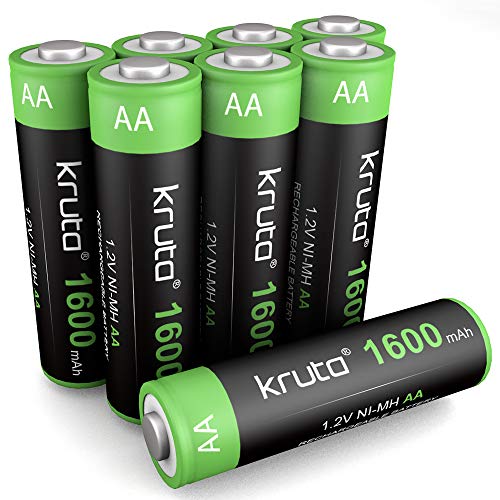
【High Capacity&Long Lasting】:1600mah high capacity AA rechargeable battery will lasting much longer time to ensure your outdoor lights always has enough power to light all night. Also can replace 600mAh, 800mAh, 1100mah, etc NiCd or Ni-MH AA cells AA battery.

1.Attention: 2/3AAA 600mAh Rechargeable Battery,2/3AAA Battery size is 0.39 x 1.18 inch (10 x 30mm), Not Standard aaa size batteries, Please Check Your Solar Lights First

【Included products】4*AA 600mAh 1.2v Ni-MH rechargeable batteries, AA 600mAh battery is 1.97 inches long and 0.55 inches wide. (Batteries only)
Disposable Batteries
Disposable batteries, like alkaline batteries, offer a simple solution for powering solar lights. They provide immediate energy without the need for charging. However, they often lack the longevity of rechargeable types. You typically replace them every few months, depending on usage. While convenient for temporary setups, consider the environmental impact and cost over time. Frequent replacements can result in significant waste and expense, especially if you’re using multiple lights.
Other Power Sources
Other power sources can supplement or replace traditional batteries in solar lights.
- AC Power: Some solar lights come with an AC adapter, allowing you to plug them into an electrical outlet. This setup can recharge the unit during the day or power it continuously.
- Solar-Embedded Units: Many modern solar lights come with built-in batteries. These designs integrate solar panels directly into the light fixture, reducing the need for separate batteries.
- Hybrid Systems: Hybrid systems combine solar panels with other energy sources, like wind turbines or traditional AC power. This versatility ensures that your lights function even in less sunny conditions.
When evaluating alternatives, consider energy efficiency, environmental impact, and your specific lighting needs.
Conclusion
Choosing the right batteries for your solar lights can make all the difference in their performance and longevity. By opting for rechargeable batteries, you’re not just ensuring brighter nights but also making a more eco-friendly choice. With their ability to withstand multiple charge cycles and last longer than disposable options, rechargeable batteries are a smart investment.
As you consider your outdoor lighting needs think about the benefits of rechargeable batteries. They offer cost savings and reduce waste over time. Whether you stick with traditional solar lights or explore modern alternatives you’ll find that the right battery choice enhances your overall experience. Enjoy your beautifully lit outdoor spaces knowing you’ve made a wise decision for both your wallet and the environment.
Frequently Asked Questions
Do solar lights require rechargeable batteries?
Yes, solar lights require rechargeable batteries to function properly. These batteries store the energy collected from sunlight during the day, allowing the lights to work effectively at night. Without functional rechargeable batteries, solar lights won’t provide the brightness needed for outdoor illumination.
What types of batteries are best for solar lights?
The most common types of batteries used in solar lights are NiMH (Nickel-Metal Hydride) and lithium-ion batteries. NiMH batteries offer good temperature resistance and handle multiple charge cycles well, while lithium-ion batteries have higher capacity ratings and longer lifespans, making them a popular choice for modern solar lights.
Are rechargeable batteries cost-effective?
Yes, rechargeable batteries are generally more cost-effective than disposable ones. Although they may have a higher upfront cost, they last longer—often up to five years—reducing the need for frequent replacements. This longevity translates to savings over time and less waste, benefiting both your wallet and the environment.
How do I choose the right rechargeable batteries?
When selecting rechargeable batteries for solar lights, consider factors like capacity, temperature resistance, and compatibility with your specific solar light model. Make sure to check the manufacturer’s specifications to ensure you choose batteries that will perform optimally under your local climate conditions.
What are the alternatives to rechargeable batteries in solar lights?
Alternatives to rechargeable batteries include disposable batteries, which are less eco-friendly and require frequent replacements. Other options are solar-embedded units with built-in batteries, AC-powered solar lights that plug into an outlet, and hybrid systems that combine solar with other energy sources. Each option has its pros and cons, so evaluate based on your specific needs.
