

Have you ever wondered if you really need a battery when installing solar panels? Many people face this question as they explore the benefits of solar energy. Imagine soaking up the sun’s rays during the day but still relying on the grid when the sun goes down. It’s a common scenario that leaves you questioning your setup.
This article will help you understand the role of batteries in solar systems. You’ll discover the advantages of adding a battery and whether it’s the right choice for your energy needs. By the end, you’ll have a clearer picture of how to maximize your solar investment and enjoy energy independence.
Key Takeaways
- Solar Panel Basics: Solar panels convert sunlight into electricity, with their efficiency varying among monocrystalline, polycrystalline, and thin-film types. Understanding these differences helps in selecting the right panels for your needs.
- Energy Storage Importance: Batteries store excess energy generated by solar panels, allowing residents to use solar energy during non-sunny hours, enhancing energy independence and stability.
- Cost Considerations: Adding a battery involves initial costs ranging from $5,000 to $15,000. Factor in savings on energy bills and available incentives to determine whether the investment is worthwhile.
- When to Use Batteries: Batteries are particularly beneficial for high nighttime energy usage, frequent power outages, off-grid living, and maximizing the efficiency of larger solar panel systems.
- Environmental Benefits: Utilizing solar energy, complemented by battery storage, significantly reduces reliance on fossil fuels and lowers greenhouse gas emissions, contributing to a sustainable future.
- Financial Incentives: Researching local and federal incentives for solar and battery installations can make integrating these systems more financially feasible, often covering a substantial portion of the costs.
Understanding Solar Panels
Solar panels convert sunlight into electricity, offering a renewable energy source for homes and businesses. When considering solar panel installation, understanding their operation, types, and efficiency is vital for making informed decisions.
How Solar Panels Work
Solar panels contain photovoltaic (PV) cells that absorb sunlight. During this absorption, the cells generate direct current (DC) electricity. An inverter then converts this DC electricity into alternating current (AC), which powers your home’s appliances and systems. If your system is connected to the grid, any excess energy produced can be fed back, potentially earning you credit from your utility company.
Types of Solar Panels
You’ll find three main types of solar panels:
- Monocrystalline Panels: These panels are made from a single crystal structure. They offer high efficiency and performance in low-light conditions, but they usually come at a higher cost.
- Polycrystalline Panels: Composed of multiple crystal structures, polycrystalline panels are generally less expensive but may deliver slightly lower efficiency compared to monocrystalline options.
- Thin-Film Panels: These are lightweight and flexible, usually less efficient than crystalline panels. However, they can perform better in high temperatures and shaded areas.
Solar Panel Efficiency
Efficiency measures how much sunlight a solar panel converts into usable electricity. Most residential panels range from 15% to 22% efficiency. Higher efficiency panels might offer more power generation in smaller spaces. To determine the right panel for your needs, consider your roof size, energy consumption, and budget.
Considerations for Your Solar System
Before installing solar panels, think about these factors:
- Location: Ensure your roof receives ample sunlight throughout the year. Areas with frequent shade from trees, buildings, or other obstructions may not be ideal.
- Roof Condition: Inspect your roof’s condition. If your roof needs repairs or replacement, address this before panel installation.
- Energy Usage: Calculate your energy bills to understand your usage pattern. This will help you gauge the size of the solar system required for your home.
By comprehending these fundamentals of solar panels, you can confidently evaluate whether integrating batteries into your solar setup fits your energy needs.
Benefits of Solar Energy
Solar energy offers numerous advantages for your home and the environment. By utilizing sunlight, you can enjoy reduced energy bills and contribute to a more sustainable future.
Environmental Impact
Adopting solar energy significantly lowers greenhouse gas emissions. By using solar panels, you reduce reliance on fossil fuels, which produce harmful pollutants. For example, a typical residential solar system can prevent more than 100,000 pounds of carbon dioxide from entering the atmosphere over its lifetime. Moreover, solar energy harnesses an abundant resource, promoting energy independence and reducing the strain on local power grids.
Economic Advantages
Switching to solar energy can provide considerable financial benefits. While the initial investment in solar panels might seem high, various incentives exist to offset costs. Federal tax credits, state tax rebates, and local incentives can lower your upfront expenditure. Additionally, solar energy systems can increase your property value, with homes equipped with solar panels often selling for a premium. After installation, enjoy immediate savings on your utility bills, especially as energy prices rise. On average, homeowners save between $10,000 to $30,000 over 20 years by converting to solar energy, making it a smart economic choice.
The Role of Batteries in Solar Systems
Batteries play a crucial role in solar systems by storing excess energy for later use. Understanding their function helps you maximize your solar investment.
Recommended Products


32kWh Home Backup Solution: Equipped with six 590W N-type panels, a 10kW hybrid inverter, two 48V 314Ah LiFePO4 batteries and necessary cables, this integrated system delivers 30kWh+ of usable energy for whole-home backup, solar energy storage, off-grid living, and emergency power.

Types of Solar Batteries
You can choose from several types of solar batteries, each with its features:
- Lead-Acid Batteries: Common and affordable, they are limited in lifespan and depth of discharge.
- Lithium-Ion Batteries: Efficient and long-lasting, they offer higher energy density and faster charging.
- Flow Batteries: Ideal for larger systems, they provide scalability and a longer cycle life.
Evaluating these options ensures you select the right battery based on your energy needs and budget.
How Batteries Enhance Solar Efficiency
Batteries enhance solar efficiency by storing energy generated during the day for use at night or during cloudy days. This makes your solar system more reliable and less reliant on the grid.
- Energy Independence: Batteries offer you the freedom to use solar energy when you need it most.
- Grid Resilience: With a battery, your home remains powered during outages.
- Smoothing Out Demand: Batteries can help balance energy usage, allowing you to draw power when rates are lower.
Integrating a battery into your solar setup can ensure you make the most of your solar energy.
Factors to Consider for Battery Use
Understanding whether you need a battery for your solar panels involves considering various factors that impact your energy needs and budget.
Recommended Products


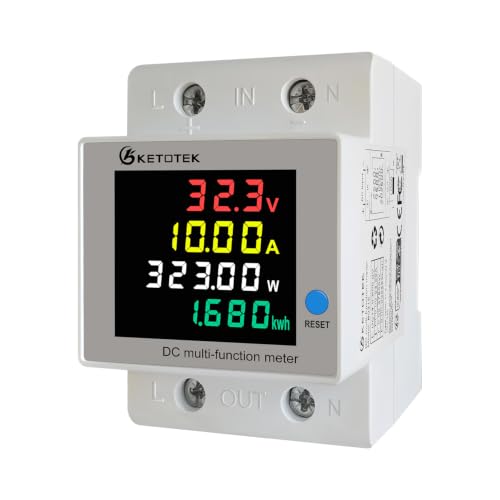
4-in-1 Multifunction Meter: Precisely measures DC voltage (14.0–600.0 V), DC current (0.00–63.00 A), DC power (0.0–37800 W), and DC energy (up to 999999 kWh) for DC circuits. Works as a power meter and energy monitor
Energy Storage Requirements
Evaluate your energy consumption patterns to determine your storage requirements. If you frequently use electricity during the night or on cloudy days, a battery becomes crucial for energy independence. Analyze your daily energy usage in kilowatt-hours (kWh) and compare it to your solar system’s output. For instance, if your system generates an average of 30 kWh per day but your nightly consumption is 25 kWh, you might need a battery with at least 25 kWh capacity. This ensures you can store enough energy to meet your demands after sunset. Monitor seasonal variations in solar production and usage to further refine your storage needs.
Cost and Budget Considerations
Assess the costs associated with adding a battery to your solar setup. Batteries can range from $5,000 to $15,000 depending on the type and capacity. Factor in potential savings on your energy bills, typically 10% to 30%, as well as available incentives and tax credits that can reduce your upfront costs. Evaluate whether the long-term benefits of energy savings outweigh the initial investment. Also, consider financing options that might include low-interest loans or leasing arrangements. Conduct a cost-benefit analysis to decide if a battery aligns with your financial goals.
Situations Where Batteries Are Recommended
Batteries play a valuable role in solar energy systems, particularly in specific scenarios. Understanding these situations can help you decide if integrating a battery fits your solar setup.
High Energy Usage at Night
If you consume substantial power during nighttime, a battery becomes essential. It stores excess energy generated during the day, allowing you to access that energy when the sun isn’t shining. For instance, if your household has multiple devices running at night, like lights, computers, or appliances, a battery offers a reliable source of power.
Frequent Power Outages
If your area experiences regular power outages, installing a battery enhances your energy security. It ensures that you maintain power supply during interruptions. For example, if you rely on electricity for medical equipment or critical home systems, a battery provides peace of mind by keeping everything running smoothly.
Off-Grid Living
If you live off the grid, a battery is often necessary. It enables you to store enough energy to meet your daily needs without relying on external power sources. For instance, if you’re in a remote location where utility services aren’t available, having a robust battery system ensures a consistent energy supply.
Increased Solar Panel Capacity
If you’ve invested in a large solar panel system, pairing it with a battery optimizes your return on investment. Batteries allow you to store energy for days with low sunlight, maximizing the use of generated power. For example, if your panels produce more electricity than you consume during sunny days, a battery stores that excess for use during rainy or cloudy periods.
Renewable Energy Incentives
If there are state or federal incentives available in your area for battery installation, consider taking advantage of them. Such rebates or tax credits can significantly reduce your initial costs, making the integration of a battery more appealing. For instance, certain programs might cover up to 30% of your battery purchase price, enhancing your solar investment.
Backup for Critical Systems
If you operate critical systems that require uninterrupted power, a battery offers a fail-safe. This scenario includes businesses or homes that rely on servers, refrigerators, or heating and cooling systems. A battery can provide backup during unexpected dips in power or outages, ensuring continuity.
By evaluating these situations, you can determine whether a battery complements your solar panel system effectively.
Conclusion
Deciding whether to add a battery to your solar panel system really depends on your unique energy needs. If you find yourself using more electricity at night or want to ensure you have power during outages a battery could be a great addition.
On the other hand if you mostly rely on the grid and have low nighttime energy use you might not need one right away. Take the time to evaluate your consumption patterns and consider the financial aspects too.
By understanding your situation and the benefits of batteries you can make a choice that maximizes your solar investment and enhances your energy independence. Happy solar journey!
Frequently Asked Questions
Do I need a battery for my solar panel system?
While it’s not strictly necessary to have a battery with solar panels, it can enhance energy independence by storing excess energy for use at night or during cloudy days. If you frequently use electricity in these times or face power outages, a battery may be beneficial.
What are the benefits of adding a battery to my solar setup?
Adding a battery allows you to store excess solar energy for later use, ensuring power availability during off-peak hours, like nighttime. This boosts your energy independence, increases system reliability, and can help lower overall energy costs.
What types of solar batteries are available?
There are several types of solar batteries, including lead-acid, lithium-ion, and flow batteries. Each type has its own features, benefits, and price points, making it essential to choose one based on your energy needs and budget.
How do solar panels convert sunlight into electricity?
Solar panels use photovoltaic (PV) cells to convert sunlight into electricity. When sunlight hits the PV cells, it generates a direct current (DC) that an inverter then converts into alternating current (AC) for home use.
What factors should I consider before installing solar panels?
Before installing solar panels, consider factors like your roof’s condition, location, energy usage patterns, and the efficiency of different panel types. These elements will help you determine the best fit for your solar energy goals.
How much do solar batteries cost?
Solar battery prices typically range from $5,000 to $15,000, depending on type and capacity. It’s important to conduct a cost-benefit analysis to assess whether the long-term savings justify the initial investment in a battery.
Are there incentives for installing solar panels and batteries?
Yes, many regions offer incentives for installing solar panels and batteries, such as tax credits and rebates. These can significantly offset initial installation costs and make solar energy a more affordable investment.
How can I evaluate my energy storage needs?
To evaluate your energy storage needs, analyze your electricity consumption patterns, especially during nighttime or low sunlight periods. Compare your usage with the energy output of your solar system to determine if a battery is necessary.
