

Have you ever found yourself out on the water, realizing your marine battery’s running low? It’s a frustrating situation that can cut your day short. You might be wondering if a solar panel could be the solution to keep your battery charged and your adventures going.
In this article, we’ll explore whether solar panels can effectively charge marine batteries. You’ll learn how to harness the sun’s energy to power your boat, ensuring you’re never left stranded. By the end, you’ll have a clearer understanding of how solar power can enhance your boating experience, making it more enjoyable and worry-free.
Key Takeaways
- Solar Panels Can Charge Marine Batteries: Solar panels are effective for charging marine batteries, providing a sustainable and reliable energy source while out on the water.
- Types of Marine Batteries Matter: Understanding the different types of marine batteries—starting, deep cycle, and dual purpose—helps in selecting the right battery for your specific charging needs.
- Consider Specifications and Compatibility: Ensure that the solar panel’s voltage output matches the marine battery’s requirements, and utilize appropriate charge controllers to protect battery health.
- Select the Right Equipment: Choose solar panels based on your power needs (wattage) and consider factors like portability and efficiency of panel types (monocrystalline vs. polycrystalline).
- Installation Best Practices: Proper positioning for maximum sunlight, secure connections, and regular maintenance can significantly enhance the performance and longevity of your solar charging system.
- Environmental and Cost Benefits: Using solar energy reduces your reliance on fossil fuels, offers long-term cost savings, and promotes a more sustainable and eco-friendly boating experience.
Understanding Marine Batteries
Marine batteries are essential for powering various devices on boats, providing energy for navigation, lighting, and electronics. Knowing the types and key features helps you choose the right battery for your needs.
Types of Marine Batteries
- Starting Batteries: Designed for quick bursts of power. These batteries start the engine and provide energy for short durations. They’re ideal for engines but not suitable for continuous use.
- Deep Cycle Batteries: Built for sustained energy over longer periods. These batteries discharge slowly and can be recharged multiple times. They’re perfect for powering electronics and appliances on boats.
- Dual Purpose Batteries: Combine features of both starting and deep cycle batteries. They offer versatility, allowing you to start your engine and power other devices simultaneously.
- Capacity: Measured in amp-hours (Ah), capacity dictates how long a battery can supply power. Higher Ah ratings mean longer usage times.
- Discharge Rate: This indicates how quickly a battery can deliver its stored energy. Choose a battery with a suitable discharge rate for your devices’ power requirements.
- Durability: Marine environments can be harsh. Look for batteries designed to withstand vibrations, moisture, and temperature variations.
- Maintenance: Some marine batteries require regular upkeep, while others are maintenance-free. Consider the convenience that suits your lifestyle.
Understanding these types and features of marine batteries enables you to make informed decisions when looking at solar charging options.
The Basics of Solar Panel Charging
Solar panels efficiently convert sunlight into electricity, providing an effective method for charging marine batteries. Understanding how solar panels work and their benefits can enhance your boating experience.
Recommended Products

【High Conversion Rate】This 20W solar panel with monocrystalline A+ solar cell has an excellent cell efficiency of 21%-30%. Designed to charge and maintain 12V rechargeable batteries like LiFePO₄, Lithium Ion, AGM, SLA, GEL, EFB, MF, etc. Keep batteries in charged for trailer, tractor, truck, boat, motorcycle, RV, car, lawn mower, water pump, gate opener, electric fence, etc
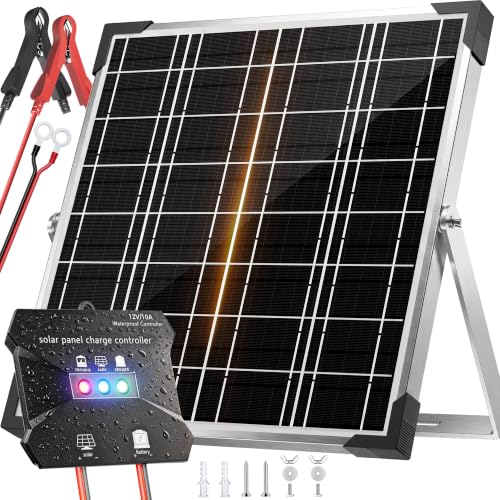
High-Efficiency MPPT Solar Charger - Advanced tracking technology delivers 20-30% faster charging for 12V batteries. A+ monocrystalline panels maximize power conversion. Perfect 20W solar trickle charger for cars, RVs, boats, and trailers. More sun captured, less time waiting.
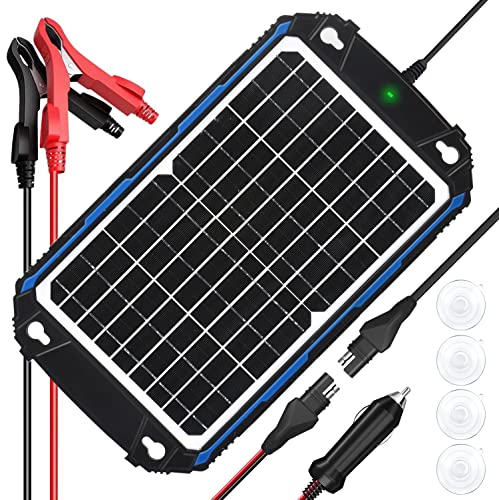
【Ultra-Smart MPPT Technology】This 12v solar panel battery charger is crafted with SUNER POWER's unique Ultra-Smart MPPT( Max Power Point Tracking) technology, the innovative MPPT allows to deliver high tracking efficiency of up to 99% and peak conversion efficiency of 98%, improving approximately 20%-30% utilization rate than other competitors
How Solar Panels Work
Solar panels consist of photovoltaic (PV) cells that capture sunlight. Sunlight energizes electrons in the cells, creating direct current (DC) electricity. This electricity flows through a charge controller, regulating the power delivered to the marine battery. During sunny days, solar panels generate substantial power, enabling consistent charging without the need for additional fuel sources.
Benefits of Using Solar Energy
Using solar energy to charge marine batteries offers multiple advantages:
- Environmentally Friendly: Solar energy reduces reliance on fossil fuels, lowering your carbon footprint.
- Cost-Effective: Once installed, solar panels incur minimal ongoing costs, eliminating the need for fuel expenses.
- Sustainable Power: Solar energy provides a reliable charging method, especially during extended trips away from traditional power sources.
- Low Maintenance: Solar panels require little maintenance; periodic cleaning and inspections keep them functioning optimally.
- Versatile Installation: Panels can be mounted on various surfaces, such as boat roofs or portable mounts, providing flexibility in installation.
By harnessing solar energy, you empower your marine activities while promoting sustainability.
Will a Solar Panel Charge a Marine Battery?
Solar panels effectively charge marine batteries, but understanding the right specifications and compatibility is crucial for optimal performance. Here’s what you need to consider.
Required Specifications
Use solar panels specifically designed for charging batteries. Look for panels with a voltage output that matches your marine battery’s requirements. Most marine batteries operate at 12 volts. Ensure your solar panel system includes a charge controller to prevent overcharging. This device regulates voltage and current, protecting battery health.
Typical solar panel options for marine batteries include:
- 100-watt panels: Suitable for smaller battery systems or short trips.
- 200-watt panels: Better for larger battery systems or longer excursions.
- 300-watt panels: Ideal for heavy power usage or multiple batteries.
Choose a panel type based on your energy needs and usage duration.
Compatibility Considerations
Ensure compatibility between the solar panel, charge controller, and marine battery. Different types of marine batteries, such as lead-acid and lithium-ion, have specific charging parameters. For instance, lithium batteries often require a higher charging voltage.
Consider these compatibility points:
- Battery Type: Know your battery type and check the solar panel’s specifications.
- Charge Controller Type: Use PWM (Pulse Width Modulation) controllers for lead-acid batteries and MPPT (Maximum Power Point Tracking) controllers for lithium-ion batteries.
- Wiring Size: Use appropriate gauge wires to connect components. Thicker wires reduce energy loss.
Always consult user manuals and guidelines to ensure all components work harmoniously.
Best Practices for Charging Marine Batteries with Solar Panels
Charging marine batteries with solar panels requires careful consideration of several factors to maximize efficiency. Following these best practices ensures reliable power for your boat’s needs.
Recommended Products
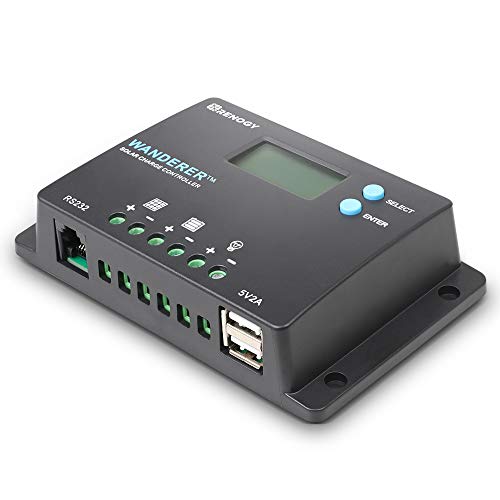
𝐒𝐦𝐚𝐫𝐭 𝟒-𝐒𝐭𝐚𝐠𝐞 12V/24V Solar Charge Controller: Renogy charge controller 𝐦𝐚𝐱𝐢𝐦𝐢𝐳𝐞𝐬 𝐁𝐚𝐭𝐭𝐞𝐫𝐲 𝐋𝐢𝐟𝐞 & 𝐒𝐨𝐥𝐚𝐫 𝐄𝐟𝐟𝐢𝐜𝐢𝐞𝐧𝐜𝐲, this advanced pwm solar charge controller utilizes intelligent 4-stage charging (Bulk/Boost/ Float/Equalization) to optimize power delivery for AGM, Gel, Flooded and Lithium batteries. RV solar charge controller prevents overcharging and gas buildup while 𝐚𝐜𝐡𝐢𝐞𝐯𝐢𝐧𝐠 𝟑𝟎% 𝐥𝐨𝐧𝐠𝐞𝐫 𝐛𝐚𝐭𝐭𝐞𝐫𝐲 𝐥𝐢𝐟𝐞𝐬𝐩𝐚𝐧 compared to basic charge controllers.
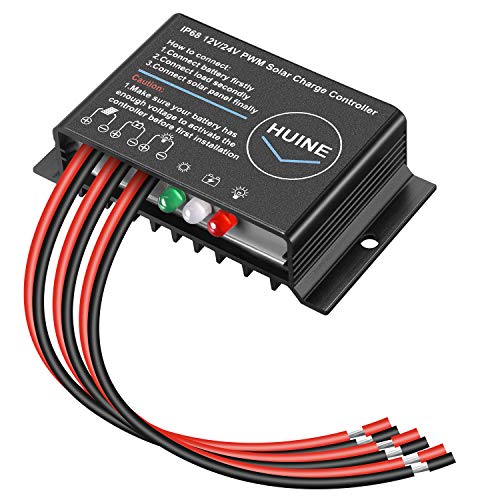
IP68 Rated Waterproof, this Intelligent 4-stage PWM solar charging controller is suitable for outdoor use,you can use it for solar fencing system, solar monitoring system, solar lighting system or other solar system.
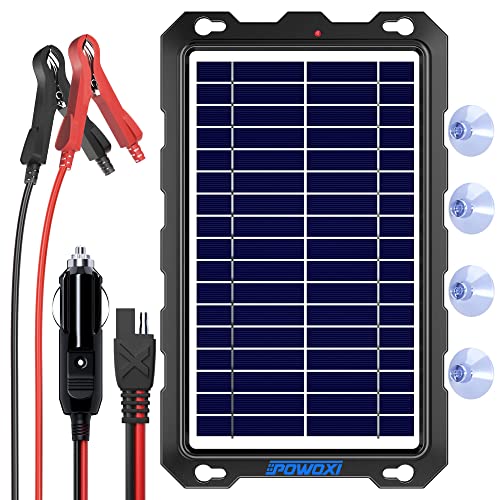
Upgrade Intelligent Charge Controller: Built-in internal protection system and smart fast charging Cooperate with Quality solar silicon material ensures high conversion and stable output the solar panel's energy conversion efficiency to 25-30%
Choosing the Right Solar Panel
Selecting a solar panel involves understanding your power requirements. Factors to consider include:
- Wattage: Determine how much power you need. For small electronics, a 100-watt panel suffices. For larger systems, consider 200 watts or more.
- Type: Choose between monocrystalline panels for efficiency or polycrystalline panels for cost savings. Monocrystalline options often perform better in limited sunlight conditions.
- Portability: If mobility matters, opt for lightweight folding panels that are easy to store and set up.
Setup and Installation Tips
Proper setup and installation increase the solar panel’s effectiveness. Follow these tips:
- Positioning: Place panels where they receive maximum sunlight. Angling them towards the sun improves energy capture.
- Connection: Use quality connectors and wiring. Ensure connections are weatherproof to avoid corrosion.
- Charge Controller: Incorporate a charge controller. This prevents overcharging and extends battery life.
- Regular Maintenance: Clean panels regularly. Dust and debris can significantly reduce efficiency.
By selecting the right solar panels and ensuring a proper installation, you enhance the performance and reliability of your marine battery charging system.
Conclusion
Using solar panels to charge your marine battery is a smart and eco-friendly choice. By harnessing the sun’s energy you can keep your boat powered without the hassle of traditional charging methods. With the right setup and equipment you’ll not only enhance your boating experience but also enjoy the peace of mind that comes with sustainable energy.
Selecting the appropriate solar panel and charge controller ensures optimal performance and longevity for your marine battery. So whether you’re out for a weekend getaway or a longer voyage, solar power can keep your essential devices running smoothly. Embrace the benefits of solar energy and make your time on the water even more enjoyable.
Frequently Asked Questions
What are marine batteries used for on boats?
Marine batteries power various essential devices on boats, such as navigation systems, lighting, and electronics. They ensure that these tools function correctly while out on the water.
How do solar panels charge marine batteries?
Solar panels charge marine batteries by converting sunlight into electricity through photovoltaic cells. This energy is stored in the batteries, providing a sustainable power source for boat equipment.
What types of marine batteries are available?
The main types of marine batteries include starting, deep cycle, and dual-purpose batteries. Each type has unique features suited for different applications, such as powering engines or providing sustained energy for electronics.
Why should I use solar energy for my boat?
Using solar energy for your boat is environmentally friendly, cost-effective, and low maintenance. It harnesses a renewable resource to keep your batteries charged, enhancing your boating experience.
What features should I consider when choosing solar panels for marine battery charging?
When selecting solar panels, consider wattage, voltage output (typically 12 volts for marine use), types of charge controllers, and compatibility with your battery. Proper setup and installation are also crucial for efficiency.
How can I ensure optimal performance when charging marine batteries with solar panels?
To ensure optimal performance, choose solar panels designed for battery charging, use a proper charge controller to prevent overcharging, and ensure good connections and positioning for maximum sunlight exposure.
What are the best practices for maintaining solar panels on a boat?
Regular cleaning, checking connections, ensuring proper tilt for sunlight exposure, and inspecting for any physical damage are best practices for maintaining solar panels. Good maintenance enhances efficiency and longevity.
