Close Menu
Battery Spotlight
    Battery Spotlight
    • Home
    • Phone Batteries
    • Laptop Batteries
    • Car Batteries
      • Golf Cart Batteries
    • Battery Info
      • Battery Chargers
      • Battery Life
      • Battery Maintenance
      • Marine Batteries
      • Rechargeable Batteries
      • Solar Batteries
    • About Us
      • Contact
    Battery Spotlight
    Navigation: Home » Car Batteries » What to Do When Your Car Battery Dies at Home: Test, Interpret, Replace
    Car Batteries

    What to Do When Your Car Battery Dies at Home: Test, Interpret, Replace

    Jackson DoyleBy Jackson DoyleJune 19, 20245 Mins Read
    Share Facebook Twitter Pinterest LinkedIn Tumblr Email WhatsApp Copy Link
    Share
    Facebook Twitter LinkedIn Pinterest Email Copy Link

    Ever had that sinking feeling when you turn the key and your car won’t start? Picture this: you’re all set to head out, but your car battery has other plans. Don’t fret, we’ve got your back! In this article, we’ll show you the ropes on what to do if your car battery decides to take an unexpected nap right in your driveway.

    Table of Contents

    Toggle
    • Check the Battery Connections
    • Jump-Start Your Car
    • Test the Battery Voltage
    • Consider Battery Replacement
    • Conclusion
    • Frequently Asked Questions
    • How do I check my car battery's health using a digital multimeter?
    • What voltage range indicates a healthy car battery?
    • When should I consider replacing my car battery?

    No need to panic or call for backup just yet. With a few simple tips and tricks up your sleeve, you’ll be back on the road in no time. From jump-starting your vehicle to knowing when it’s time to replace that old battery, we’ve got all the insider knowledge to keep you cruising smoothly. So, sit tight, grab a cup of coffee, and let’s dive into the world of car battery rescues together.

    Check the Battery Connections

    When dealing with a dead car battery, one of the first things you should check are the battery connections. Here’s how to do it:

    • First, pop the hood of your car and locate the battery.
    • Next, visually inspect the battery terminals. Make sure they are clean and free of any corrosion or debris.
    • Then, gently wiggle the battery cables to ensure they are tightly connected to the terminals. Loose connections can prevent your car from starting.
    • If you notice any corrosion, you can use a mixture of baking soda and water along with a wire brush to clean the terminals.
    SEE ALSO  How to Safely Prevent Car Battery Corrosion & Improve Performance

    Remember, properly maintained battery connections are crucial for ensuring your car starts reliably.

    Jump-Start Your Car

    When facing a dead car battery at home, jump-starting your vehicle is a practical solution to get you back on the road.

    • Park the working vehicle close to, but not touching, your car.
    • Turn off both vehicles and locate the battery terminals.
    • Identify the positive (red) and negative (black) terminals.
    • Connect the red jumper cable to the positive terminal of the dead battery, then the positive terminal of the charged battery.
    • Attach one end of the black jumper cable to the negative terminal of the charged battery, and the other end to an unpainted metal surface in your car.
    • Start the working vehicle and let it run for a few minutes.
    • Try starting your car. If it doesn’t start, check the connections and try again.

    Recommended Products

    NOCO Boost GB40: 1000A UltraSafe Jump Starter – 12V Lithium Battery Booster Pack, Portable Jump Box, Power Bank & Jumper Cables - for 6.0L Gas and 3.0L Diesel Engines
    NOCO Boost GB40: 1000A UltraSafe Jump Starter – 12V Lithium Battery Booster Pack, Portable Jump Box, Power Bank & Jumper Cables - for 6.0L Gas and 3.0L Diesel Engines

    START DEAD BATTERIES — Instantly start dead batteries with 1000 amps of peak lithium power. Up to 20 starts per charge on engines up to 6.0L gas and 3.0L diesel.

    VIEW LATEST PRICE

    As an affiliate, we earn on qualifying purchases.

    GOOLOO A3 Jump Starter with Air Compressor, 3000A Portable Car Battery Booster (9.0 Gas/6.5L Diesel) with 150PSI Auto-Shutoff Tire Inflator, 12V Supersafe Lithium Jump Box Car Battery Jumper Starter
    GOOLOO A3 Jump Starter with Air Compressor, 3000A Portable Car Battery Booster (9.0 Gas/6.5L Diesel) with 150PSI Auto-Shutoff Tire Inflator, 12V Supersafe Lithium Jump Box Car Battery Jumper Starter

    Powerful and Durable - The 3000 amp portable car battery jumper starter provides instant restart for your 12V dead vehicles, supporting engines up to 9.0L for gas and 6.5L for diesel . Even if the battery voltage is extremely low, simply press the "BOOST" button to forcefully jump start your car. With over 1000+ charge cycles, this jump box for car battery is built to withstand extreme weather conditions ranging from -4°F to 140°F.

    SEE ALSO  Where to Buy Tesla Model S 12V Battery: A Comprehensive Guide for Informed Buyers
    VIEW LATEST PRICE

    As an affiliate, we earn on qualifying purchases.

    NOCO Boost GB20: 500A UltraSafe Jump Starter – 12V Lithium Battery Booster Pack, Portable Jump Box, Power Bank & Jumper Cables - for 4.0L Gas Engines
    NOCO Boost GB20: 500A UltraSafe Jump Starter – 12V Lithium Battery Booster Pack, Portable Jump Box, Power Bank & Jumper Cables - for 4.0L Gas Engines

    START DEAD BATTERIES — Instantly start dead batteries with 500 amps of peak lithium power. Up to 20 starts per charge on engines up to 4.0L gas.

    VIEW LATEST PRICE

    As an affiliate, we earn on qualifying purchases.

    Test the Battery Voltage

    To check your car battery’s health, you can begin by testing its voltage. Here’s how you can do it:

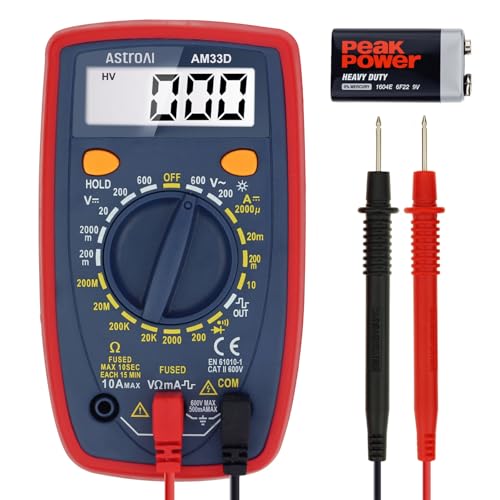
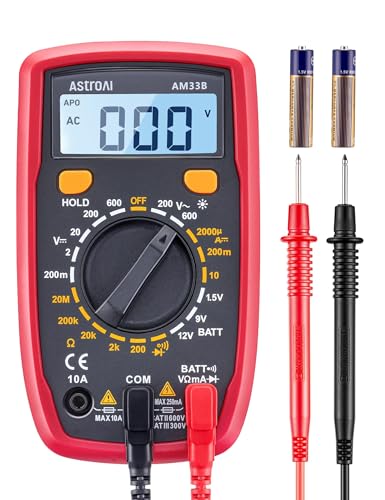
    • Get a digital multimeter.
    • Open the hood and locate the battery.
    • Connect the multimeter to the battery terminals.
    • Set the multimeter to measure DC voltage.
    • Check the voltage reading.
    Battery VoltageBattery Health
    12.6 V or aboveFully charged
    12.4 – 12.6 VAcceptable charge
    Below 12.4 VRequires charging

    Remember, safety first when working with car batteries.

    Consider Battery Replacement

    If your car battery died at home, after you’ve checked the voltage and confirmed its health is the issue, it might be time to consider a replacement. Here are a few pointers to guide you in this process:

    • Age: Car batteries typically last 3-5 years. If yours is within this age range and keeps failing, it might be time for a new one.
    • Cracks or Leaks: Inspect the battery for any signs of damage, such as cracks or leaks. These could indicate the need for a replacement.
    • Slow Engine Crank: If you notice a slow engine crank when starting your car, this could be a sign of a weakening battery.
    • Electrical Issues: Recurring electrical problems like flickering lights can also point to a failing battery.
    SEE ALSO  Unlocking the Truth: Why Tesla Batteries Are Fueled by Lithium

    Proactively considering a battery replacement can save you the hassle of dealing with unexpected breakdowns later on.

    Conclusion

    Remember, testing your car battery’s health is crucial to avoid unexpected breakdowns. By following the steps outlined in this article, you can easily check the voltage using a digital multimeter. Prioritize safety when handling car batteries and consider replacing the battery if it falls within the 3-5 year age range, shows signs of damage, or causes recurring electrical issues. Taking proactive steps now can save you from the hassle of dealing with a dead battery in the future. Stay informed, stay safe, and keep your car running smoothly!

    Frequently Asked Questions

    How do I check my car battery’s health using a digital multimeter?

    To check your car battery’s health with a digital multimeter, set the meter to DC voltage, connect the black probe to the battery’s negative terminal, and the red probe to the positive terminal. A good battery typically reads around 12.6-12.8 volts when fully charged.

    What voltage range indicates a healthy car battery?

    A voltage reading of 12.6-12.8 volts or higher typically indicates a healthy car battery with a sufficient charge. If the reading falls below 12.4 volts, the battery may be losing its charge capacity and might need to be recharged or replaced.

    When should I consider replacing my car battery?

    Consider replacing your car battery if it is within the 3-5 year age range, shows physical damage like cracks or leaks, causes slow engine crank, or leads to recurring electrical issues such as flickering lights. Proactive replacement can prevent unexpected breakdowns.

    Share. Facebook Twitter Pinterest LinkedIn Tumblr Email WhatsApp Copy Link
    Jackson-Doyle
    Jackson Doyle

      Battery industry professional with 5+ years of experience. Bachelor of Science in Electrical Engineering from Georgia Tech. Specializes in power systems and renewable energy.

      Related Posts

      Car Batteries

      Top Online Platforms to Buy Authentic Optima Car Batteries

      January 5, 2025
      Car Batteries

      Maximize Tesla Battery Life: Practical Tips & Longevity Insights

      January 5, 2025
      Car Batteries

      Discover Who Makes Bosch Car Batteries in A Sustainable Drive for Eco-friendly Power Solutions

      January 5, 2025
      Car Batteries

      Top Companies That Deliver Car Batteries to Your Doorstep

      January 4, 2025
      Car Batteries

      Understanding Tesla Powerwall Battery: A Green Energy Solution for Your Home

      January 3, 2025
      Car Batteries

      Extending the Life of Used Car Batteries: Top Tips and Savings Guide

      January 3, 2025
      Add A Comment
      Leave A Reply Cancel Reply

      Search
      Affiliate Disclaimer

      As an Amazon Associate I earn from qualifying purchases.

      Latest Articles

      How to Replace Battery in Samsung Phone: A Step-by-Step Guide for Easy Replacement

      Android Batteries

      How to Remove Battery from Samsung Smart TV Remote: A Step-by-Step Guide for Easy Replacement

      Android Batteries

      How to Check Your Battery Health on Samsung: Simple Methods to Extend Your Phone’s Lifespan

      Android Batteries

      How Much Is a Battery for a Samsung Galaxy S6: Pricing and Replacement Options Explained

      Android Batteries

      How to Remove Battery from Samsung Galaxy S7: A Step-by-Step Guide for Easy DIY Fixes

      Android Batteries

      Why is My Battery Going Down While Charging Android – Effective Solutions to Fix the Issue

      Android Batteries
      Battery Spotlight

      Battery Spotlight is a website dedicated to helping you solve common battery problems.

      Read more about us here

      Affiliate Disclaimer
      As an Amazon Associate I earn from qualifying purchases.

      Site Navigation
      • Above Mirror Bathroom Lighting
      • Android Batteries
      • Bathroom Pendant Lighting
      • Battery Chargers
      • Battery Life
      • Battery Maintenance
      • Car Batteries
      • Ceiling Lighting Ideas
      • Golf Cart Batteries
      • Japandi Lighting
      • Laptop Batteries
      • Marine Batteries
      • Mood Lighting Living Room
      • Phone Batteries
      • Rechargeable Batteries
      • Reviews
      • Solar Batteries
      • Uncategorized
      • Vaulted Ceiling Lighting
      Latest Articles

      How to Replace Battery in Samsung Phone: A Step-by-Step Guide for Easy Replacement

      How to Remove Battery from Samsung Smart TV Remote: A Step-by-Step Guide for Easy Replacement

      How to Check Your Battery Health on Samsung: Simple Methods to Extend Your Phone’s Lifespan

      How Much Is a Battery for a Samsung Galaxy S6: Pricing and Replacement Options Explained

      How to Remove Battery from Samsung Galaxy S7: A Step-by-Step Guide for Easy DIY Fixes

      • Home
      • About
      • Contact
      • Privacy Policy
      • Editorial Policy
      • Disclaimer
      • Terms and Conditions
      • Affiliate Disclosure
      © 2026 Battery Spotlight

      Type above and press Enter to search. Press Esc to cancel.