

Are you tired of rising energy bills and frequent power outages? You’re not alone. Many homeowners are considering solar batteries as a solution to these common issues. A solar battery can store excess energy from your solar panels, providing you with power when you need it most.
In this article, you’ll discover whether investing in a solar battery is right for you. We’ll explore the benefits of having one, the potential savings, and how it can enhance your energy independence. By the end, you’ll have a clearer picture of how a solar battery could fit into your life.
Key Takeaways
- Energy Storage Functionality: Solar batteries store excess energy generated by solar panels, providing power during high-demand periods or outages, enhancing energy efficiency.
- Increased Energy Independence: By using stored energy, homeowners can reduce reliance on the grid, minimizing the impact of rising utility prices and power outages.
- Potential Cost Savings: Utilizing solar batteries can lower electricity bills and allow access to incentive programs, leading to significant financial benefits over time.
- Critical Factors for Consideration: Assess energy needs, local climate, and available incentives before investing in a solar battery to ensure it meets your specific requirements.
- Alternatives Available: Consider options like grid-tied systems or generators if a solar battery isn’t feasible; each comes with its own set of advantages and limitations.
- Long-term Investment: While the initial cost may be high, the long-term savings and energy independence gained from solar batteries can make them a worthwhile investment.
Understanding Solar Batteries
Solar batteries store excess energy generated by solar panels. They provide backup power during outages and allow you to use stored energy when demand is high or sunlight is low.
Recommended Products

Ultra-Lightweight: At only 7.5 lbs, the Explorer 300 delivers a robust 292Wh capacity while remaining 17% lighter than the industry average. The sleek, integrated handle makes it effortless to carry on long hikes or pack with your camping gear, providing reliable off-grid power without adding bulk to your load.


Portable Generator with 60W Solar Panel Included: with a big battery pack, ZeroKor 300W solar powered generator are powerful enough to charge smartphones,tablets,laptops,headphones or other outdoor small camping supplies(Tips:Using electrical appliances over 300W may damage the portable solar generator, especially some devices that are prone to heat or built-in air compressor such as coffee maker,Hair dryer, water pump etc )
What Is a Solar Battery?
A solar battery is a rechargeable battery that captures and retains electricity produced by solar panels. It acts as a reservoir, ensuring you can access stored power even when your solar system isn’t generating electricity, like at night or during cloudy weather. Common types include lithium-ion batteries and lead-acid batteries, each with unique advantages depending on your energy needs and budget.
How Do Solar Batteries Work?
Solar batteries function by storing energy generated during sunlight hours. When solar panels produce more energy than your home consumes, the excess goes into the battery. This stored energy becomes accessible later when your solar panels are inactive.
- Energy Generation: When sunlight hits solar panels, they convert that energy into electricity.
- Excess Storage: Any unused electricity flows to the solar battery, charging it for future use.
- Power Usage: During high-demand periods or outages, energy stored in the battery powers your home, reducing reliance on the grid.
- Monitoring: Most systems let you monitor your battery’s charge level and energy usage through a mobile app or dashboard.
Understanding these processes helps you appreciate how solar batteries can enhance your home’s energy efficiency and resilience.
Benefits of Solar Batteries
Solar batteries offer several advantages that contribute to energy efficiency and cost management. Understanding these benefits helps you decide if investing in one makes sense for your home.
Energy Independence
Energy independence is a significant advantage of solar batteries. By storing excess energy from your solar panels, you can rely less on the grid. This self-sufficiency means you’re less affected by rising utility prices and power outages. For example, during a blackout, a solar battery allows you to power essential appliances like refrigerators and lights. Over time, this independence gives you peace of mind and control over your energy usage.
Cost Savings
Cost savings come from both reduced electricity bills and potential incentive programs. When you’re able to store and use excess solar energy, you lower your reliance on the grid during peak hours, when utility rates are highest. This shift can substantially decrease your monthly energy costs. Moreover, many regions offer tax credits or rebates for installing solar batteries, further enhancing your savings. To illustrate, if your battery system costs $10,000 and you save $1,200 annually on your energy bills, you recoup your initial investment in about eight years.
Factors to Consider
When deciding whether to invest in a solar battery, several critical factors come into play. Understanding these considerations helps you make an informed choice.
Recommended Products
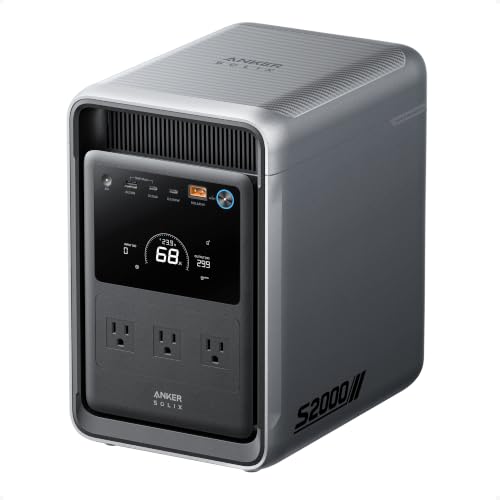
𝐔𝐩 𝐭𝐨 𝟑𝟓-𝐇𝐨𝐮𝐫 𝐅𝐫𝐢𝐝𝐠𝐞 𝐁𝐚𝐜𝐤𝐮𝐩: With 6W idle power draw and 10% higher efficiency, this power station runs 20% longer than other 2kWh systems, keeping your fridge powered for 35 hours.

One Powers All. The unit of DELTA Pro Ultra whole house generator includes an inverter and a battery. One inverter supports 120V & 240V and has an exceptional 7200W output, allowing you to run almost any heavy household appliance, even a 3-ton central air conditioner. Triple the inverters for an incredible 21.6kW AC output, allowing you to live life to the fullest even during an outage. The electric generator achieves a total 7200W output even during charging.

Powerful yet Compact: Boasting a 1,500W AC output and a 3,000W surge peak, the Solar Generator 1000 V2 can power multiple appliances, including AC units, fridges, and electric pots. With a 1,070Wh capacity and a lightweight build of only 23.8 lbs, along with a foldable handle, it makes an excellent companion for outdoor camping, road trips, and emergencies.
Energy Needs Assessment
Assessing your energy needs is vital. Determine your average daily energy consumption, which you can find on your electricity bill. Identify which appliances you want to power during outages. This assessment guides you in selecting the right battery capacity. For instance, if you use 30 kWh monthly, a battery that stores 10 kWh might provide backup for essential devices during a blackout. It’s also wise to track peak usage times. If your energy consumption spikes in the evenings, a solar battery can be particularly beneficial during those hours.
Climate and Location
Your climate and location significantly impact solar battery effectiveness. Areas with ample sunlight benefit most. Solar panels generate energy when sunlight is plentiful, so your ability to store and use that energy depends on your location’s weather patterns. If you live in a region with frequent cloudy days, a larger battery may be necessary to meet your needs. Additionally, consider local incentives. Some areas offer rebates or tax credits for solar battery installations, making them more financially attractive. Factor in the average temperatures as well; extreme temperatures can affect battery performance and lifespan.
Alternatives to Solar Batteries
If you’re considering alternatives to solar batteries for your energy needs, several options exist. Each comes with unique benefits and drawbacks. Here’s a look at some of the most common alternatives.
Recommended Products

6 inches x 100 feet, 1/2 inch hole spacing, 19 gauge wire diameter. This hardware deployment can encrypt the coverage/protection of existing barriers, and the 1/2 inch x 1/2 inch square opening is still small enough to prevent birds and squirrels from entering. It can be easily cut, folded, and used in multiple ways. Please purchase the appropriate width and mesh according to your needs to avoid delaying your use.


ALL IN ONE: Designed to provide grid tie and battery back up solar power management in one product. The AIMS Power Hybrid Inverter’s simple but comprehensive design eliminates the need for extra equipment, providing an efficient solution for users interested in battery backup, net metering, and load sharing all in one product.
Grid-Tied Systems
Grid-tied systems connect directly to the existing utility grid. They allow you to use electricity from the grid when solar energy isn’t available. These systems often come with net metering benefits, which let you sell excess energy back to the grid. This can offset your electricity costs.
- Lower Initial Costs: Grid-tied systems typically cost less upfront than solar battery systems since you avoid the expense of storage.
- Reliable Backup: You access the grid for power during outages, though this depends on utility reliability.
- Simpler Maintenance: Without batteries, maintenance primarily involves solar panels.
Keep in mind that grid-tied systems don’t provide backup power during blackouts unless equipped with a generator. If you live in an area with frequent outages, this aspect requires careful consideration.
Generator Options
Generators serve as a reliable backup during power outages. They can run on various fuels, such as gasoline, propane, or natural gas.
- Flexible Power Supply: Generators can power critical appliances during an outage, offering immediate relief until grid power returns.
- Lower Operational Costs: Depending on fuel prices, operating a generator may be less expensive than maintaining a solar battery system.
- Quick Setup: Portable generators can be easily deployed during emergencies, requiring minimal installation effort.
Generators require regular maintenance and fuel storage. Assess fuel availability and logistics if you choose this method.
When evaluating your energy needs, these alternatives provide distinct advantages. Weigh the costs and benefits aligned with your situation for effective energy management.
Conclusion
Deciding whether to invest in a solar battery can feel overwhelming but it’s ultimately about what fits your lifestyle and energy needs. If you’re looking for greater energy independence and a way to combat rising costs, a solar battery could be a great addition to your home.
Consider how often you experience power outages and whether you want the peace of mind that comes with backup power. Weigh the potential savings against the initial investment and explore local incentives that could make the decision easier.
With the right information, you can make a choice that not only benefits your wallet but also contributes to a more sustainable future. Take your time and evaluate your options—you’ve got this!
Frequently Asked Questions
What is a solar battery?
A solar battery is a rechargeable device that stores excess electricity generated by solar panels. This stored energy can be used during power outages or when solar production is low, providing homeowners with backup power and energy independence.
How do solar batteries work?
Solar batteries capture and store excess energy produced by solar panels. When sunlight is abundant, the battery charges. During high-demand periods or power outages, homeowners can draw from this stored energy, ensuring a continuous power supply.
What are the benefits of investing in a solar battery?
Investing in a solar battery can lead to significant cost savings on electricity bills, especially during peak hours. It also enhances energy independence by reducing reliance on the grid and provides backup power during outages, offering peace of mind.
What factors should I consider before buying a solar battery?
Before purchasing a solar battery, assess your energy needs, local climate, available incentives, and how extreme temperatures might affect battery performance. Understanding these factors helps ensure a suitable investment for your specific energy requirements.
Are there alternatives to solar batteries?
Yes, alternatives include grid-tied systems and generators. Grid-tied systems connect to the utility grid and may offer lower initial costs but lack backup power. Generators provide reliable power during outages but require regular maintenance and fuel storage. Each option has distinct advantages based on your energy needs.
