

Ever found yourself stuck in a parking lot with a dead car battery, scratching your head over why your jump-start attempt failed? It happens to the best of us. Picture this: you’re all set to revive your vehicle, but the sparks just won’t fly. Frustrating, right? Don’t worry, you’re not alone in this dilemma.
Common Reasons for Jump-Start Failure
Facing a failed jump-start can be frustrating, but understanding why it might not work can help you troubleshoot faster. Here are some common reasons for jump-start failures:
- Poor Connection: Ensure the jumper cables are securely connected to both batteries. Loose connections can prevent the transfer of power.
- Dead Battery: If the battery is too drained, it may need more time to charge before the engine can start.
- Corroded Terminals: Clean the battery terminals before attempting a jump-start. Corrosion can interfere with the transfer of power.
- Faulty Cables: Inspect the jumper cables for any damage or wear. Faulty cables can hinder the flow of electricity.
- Incorrect Procedure: Following the jump-start process incorrectly can lead to failure. Make sure you’re connecting the cables properly and in the right order.
- Blown Fuse: A blown fuse in either vehicle can disrupt the jump-start process. Checking and replacing any blown fuses can resolve this issue.
| Issue | Solution |
|---|---|
| Poor Connection | Ensure secure cable connections |
| Dead Battery | Allow more time to charge before starting |
| Corroded Terminals | Clean battery terminals |
| Faulty Cables | Inspect for damage and replace if needed |
| Incorrect Procedure | Follow proper jump-start steps |
| Blown Fuse | Check and replace blown fuses |
Recommended Products

START DEAD BATTERIES — Instantly start dead batteries with 1000 amps of peak lithium power. Up to 20 starts per charge on engines up to 6.0L gas and 3.0L diesel.
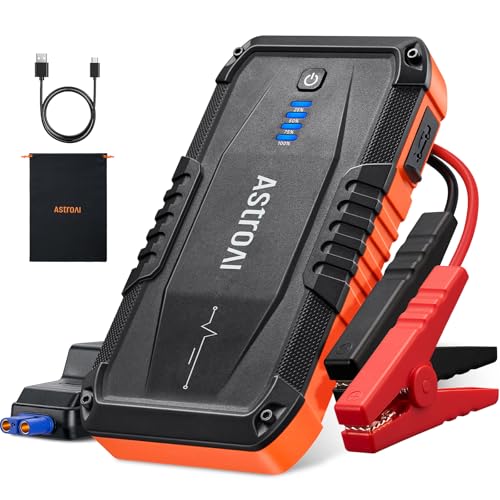
HIGH-PERFORMANCE JUMP STARTING - The car jumper starter portable pack has a 45C high-rate lithium battery that can start 6.0 L gas/3.0 L diesel engines and other 12 V vehicles like motorcycles, cars, SUVs, pickups, or lawnmowers.This jump starter's powerful 1500 A peak suit current quickly starts low-voltage and fully-drained batteries, stocking stuffers for men and women.

Powerful and Durable - The 3000 amp portable car battery jumper starter provides instant restart for your 12V dead vehicles, supporting engines up to 9.0L for gas and 6.5L for diesel . Even if the battery voltage is extremely low, simply press the "BOOST" button to forcefully jump start your car. With over 1000+ charge cycles, this jump box for car battery is built to withstand extreme weather conditions ranging from -4°F to 140°F.
Double-Check the Connections
When facing issues with jump-starting a car, the first step is to Double-Check the Connections. Sometimes, loose or dirty connections can prevent the flow of electricity. Make sure the clamps are securely attached to the battery terminals – a wiggly connection won’t do.
If you notice corrosion on the battery terminals, it can act as a barrier. Cleaning them with a wire brush or battery cleaning tool can help establish a better connection and improve the jump-start process.
Remember, safety is key – ensure the cables are in good condition, without any visible damage or fraying. A damaged cable can impede the transfer of power and lead to further complications.
Lastly, be mindful of the proper polarity when connecting the cables. Matching the positive to positive and negative to negative terminals is crucial to avoid damaging the electrical systems of both vehicles.
Keeping these points in mind while checking the connections can help resolve many jump-starting issues quickly and efficiently.
Data Table
| Issue | Solution |
|---|---|
| Secure connections | Ensure clamps are securely attached |
| Corroded terminals | Clean terminals with a wire brush |
| Faulty cables | Use undamaged cables for jump-starting |
| Incorrect polarity | Match positive to positive, negative to negative |
Assess the Battery Condition
When jumping a car battery does not work, the first step is to Assess the Battery Condition. Here are some key points to consider:
- Check the age of the battery. Older batteries may struggle to hold a charge and could be the root cause of the issue.
- Inspect the terminals for any signs of corrosion or buildup. Clean the terminals if necessary to ensure a strong connection.
- Test the battery voltage with a multimeter. A healthy battery typically registers around 12.6 volts.
- Look for any physical damage to the battery itself, such as leaks or signs of swelling.
By assessing the battery condition thoroughly, you can gain valuable insights into the potential reasons behind the jump-start failure.
Recommended Products

Catch Battery Problems Early: Featured in two videos by Project Farm, a popular YouTube channel with millions of subscribers, the ANCEL BA101 helps you quickly spot battery issues before they leave you stranded. It provides easy-to-understand readings for State of Health (SOH), State of Charge (SOC), voltage, current, CCA, plus cranking and charging system tests, so you can better understand your battery and help avoid unexpected breakdowns

Additional Tips - The following incorrect operations may cause the multimeter not to show results: Firstly, the plugs of test leads are not fully inserted or not inserted into the correct sockets. Secondly, the manual rotary switch is not placed in the correct position. In addition, this meter can not test all AC Current and below 100mV AC Voltage. Please check the user manual carefully before measurement.
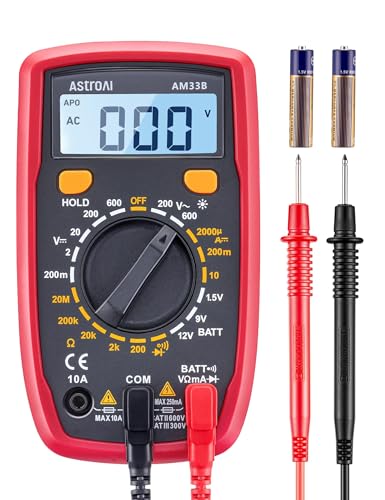
Versatile Digital Multimeter - Accurately measures AC/DC Voltage, DC Current, Resistance, and Diode. This Multimeter is a really useful tool for solving industrial and household electrical issues. Suitable for Household Outlets, Fuses, Batteries (including Vehicles), Automotive Circuit Troubleshooting, Charging Systems, Testing electronics in Cars etc.
Alternatives to Jump-Starting
If jump-starting your car battery isn’t working as expected, don’t worry, there are alternative solutions to get you back on the road. Here are a few options to consider:
- Portable Jump Starter: Investing in a portable jump starter can be a reliable backup. These compact devices are easy to use and can provide the needed power to start your vehicle without the assistance of another car.
- Battery Charger: Using a battery charger is another convenient option. Simply connect the charger to an electrical outlet and then to your car’s battery. This method may take longer than jump-starting but is effective in charging a severely depleted battery.
- Call for Professional Help: If you’re unsure about jump-starting or the condition of your battery, it’s best to seek assistance from a professional. A mechanic or roadside assistance service can accurately diagnose the issue and provide the necessary repairs or replacements.
Explore these alternatives if the traditional jump-starting method doesn’t work for you. Remember, safety is always a top priority when dealing with car batteries.
Conclusion
Remember, when facing difficulties jump-starting your car battery, it’s crucial to thoroughly assess the battery’s condition. By checking terminals and testing voltage, you can pinpoint potential issues. If jump-starting doesn’t work, don’t fret! You have alternatives like portable jump starters, battery chargers, or seeking professional assistance for accurate diagnosis and repairs. Safety should always be your top priority when handling car batteries. Stay proactive and informed to ensure smooth and hassle-free experiences with your vehicle’s battery.
Frequently Asked Questions
Why is assessing the battery condition important when facing jump-starting problems?
It’s crucial to assess the battery condition to determine if it’s the root cause of the issue. Inspecting terminals and testing voltage help identify potential problems like corrosion or lack of charge.
What should I do if jump-starting my car fails?
If jump-starting fails, consider using a portable jump starter or a battery charger as alternative solutions. Seeking professional help is advisable for accurate diagnosis and repairs.
Why is safety important when dealing with car batteries?
Safety is paramount when handling car batteries due to the risk of electrical shock, acid burns, and explosions. Following proper procedures and using protective gear can prevent accidents.
