

Are you considering an AGM battery for your solar setup? You’re not alone. Many people are exploring options to maximize their solar energy efficiency and reliability. With so many choices out there, it’s easy to feel overwhelmed.
AGM batteries have gained popularity for their durability and maintenance-free design. But are they really the right fit for your solar system? In this article, you’ll find the key benefits and drawbacks of AGM batteries in a solar context. By the end, you’ll have a clearer picture of whether they’re the best choice for your energy needs.
Key Takeaways
- AGM Battery Overview: AGM (Absorbent Glass Mat) batteries are sealed lead-acid batteries that offer a maintenance-free and durable energy storage solution for solar systems.
- Benefits: They provide high power output, exceptional depth of discharge (up to 80%), and fast charging capabilities, making them suitable for solar energy applications.
- Longevity: AGM batteries typically last between 3 to 10 years and can withstand deep discharges without significantly impacting their lifespan.
- Comparison with Other Batteries: When compared to traditional lead-acid and lithium-ion batteries, AGM batteries offer lower maintenance needs and better performance in certain conditions, though they may have a higher initial cost.
- Limitations: The higher upfront cost and performance declines in extreme weather conditions are important considerations when choosing AGM batteries for solar systems.
- Informed Decision-Making: Understanding the unique features and limitations of AGM batteries can help you make the best choice based on your specific energy needs and environmental factors.
Overview of AGM Batteries
AGM batteries, or Absorbent Glass Mat batteries, have gained traction in solar energy systems due to their unique features and advantages. These batteries offer a reliable energy storage solution for users seeking efficient performance.
What Is an AGM Battery?
An AGM battery consists of a sealed lead-acid battery where the electrolyte is absorbed in fiberglass mats. This construction allows for minimal maintenance and prevents spillage. AGM batteries are designed to deliver high power output, even in deep cycle applications, making them suitable for solar setups.
- Maintenance-Free: AGM batteries don’t require regular maintenance like watering or equalization charges, making them user-friendly for solar energy applications.
- Durability: AGM batteries resist vibrations and shocks, enhancing their lifespan, particularly in outdoor environments.
- Fast Charging: AGM batteries accept charge quickly, allowing your solar setup to recharge effectively during sunlight hours.
- Depth of Discharge: AGM batteries can handle significant depth of discharge (up to 80%) without damaging the cells, providing greater flexibility for energy utilization.
- Safety: AGM design prevents leaks. There’s also less risk of explosion compared to traditional lead-acid batteries.
Each of these features contributes to the functionality and reliability of AGM batteries in solar energy systems, making them a strong contender for energy storage needs.
Benefits of AGM Batteries for Solar Applications
AGM batteries offer several advantages for solar energy systems. Understanding these benefits can help you make informed decisions.
Recommended Products

Renogy AGM Batteries: Trusted Worldwide, Exceptional Safety, Extreme Performance! Support series (No limitation), parallel (Up to 4P) connections

Maintenance Free: Manufactured with thick absorbent Glass Mat (AGM) seperators and advanced valve regulated technology, Renogy deep cycle agm batteries save you from acid leakage and frequent maintenance..Batteries Required:no
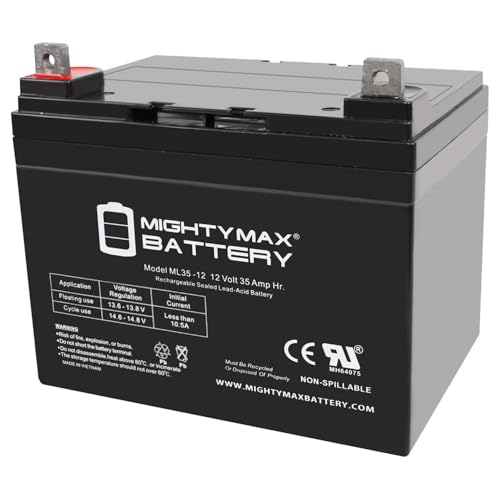
ML35-12 SLA is a 12V 35AH Sealed Lead Acid (SLA) rechargeable maintenance free battery - UL Certified
Longevity and Lifespan
AGM batteries typically last longer than traditional lead-acid batteries. Their lifespan often ranges from 3 to 10 years, depending on usage and conditions. The deep discharge capability allows you to use up to 80% of the battery’s capacity without significantly impacting its longevity. For example, if you frequently use the full capacity of a 100Ah AGM battery, you can expect significant overall performance over the years.
Maintenance Requirements
AGM batteries require minimal maintenance. Unlike flooded lead-acid batteries, they don’t need regular water checks or electrolyte additions. You can position them in various orientations without worrying about leaks. This feature makes them ideal for remote solar applications. Simply install them and monitor their performance occasionally for optimal efficiency.
Comparison with Other Battery Types
Comparing AGM batteries with other battery types helps you understand their unique strengths and potential limitations in solar applications.
Recommended Products
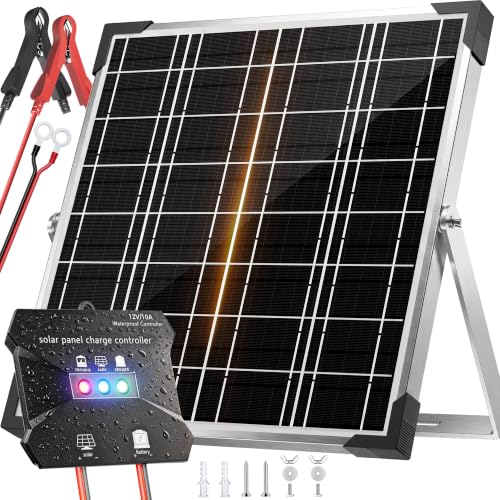
High-Efficiency MPPT Solar Charger - Advanced tracking technology delivers 20-30% faster charging for 12V batteries. A+ monocrystalline panels maximize power conversion. Perfect 20W solar trickle charger for cars, RVs, boats, and trailers. More sun captured, less time waiting.

Interstate Batteries Deep-Cycle mobility product, our DCM0100 Replacement AGM battery fits many top wheelchair and electric scooter brands and more. This product is not a replacement for a golf cart battery. Fit type: Universal Fit. Works with 12v 100ah battery applications

BUILT TO LAST: Lifespan up to 1600 cycles. NPG12-250Ah 12 volt 250 amp battery keeps your critical devices powered in the harshest conditions. No maintenance needed, non-spillable and greater mounting flexibility.
AGM vs. Lead Acid Batteries
AGM batteries outperform traditional flooded lead acid batteries in several key areas. AGM batteries offer a higher depth of discharge, allowing you to use 80% of their capacity without damage, while lead acid typically only supports up to 50%. Additionally, AGM models require minimal maintenance, eliminating the need for water top-ups, which is essential for lead acid batteries. AGM batteries also provide better resistance to vibrations and shocks, making them suitable for mobile solar applications. However, lead acid batteries are generally less expensive upfront, which might appeal to budget-conscious users initially.
| Feature | AGM Batteries | Lead Acid Batteries |
|---|---|---|
| Depth of Discharge | Up to 80% | Up to 50% |
| Maintenance Requirement | Minimal | Regular (water checks) |
| Durability | High | Moderate |
| Initial Cost | Higher | Lower |
AGM vs. Lithium-Ion Batteries
AGM batteries and lithium-ion batteries serve distinct roles in solar energy storage. Lithium-ion batteries provide superior energy density, allowing for more compact storage in the same space. They also charge faster and have longer lifespans, typically exceeding 10 years. In contrast, AGM batteries excel in performance under extreme temperatures and can handle deep discharges better. While lithium-ion batteries tend to be pricier upfront, they offer better overall efficiency and lower long-term costs due to longer cycles. Your choice may depend on your budget, space constraints, and specific energy needs.
| Feature | AGM Batteries | Lithium-Ion Batteries |
|---|---|---|
| Energy Density | Lower | Higher |
| Lifespan | 3 to 10 years | Over 10 years |
| Charging Speed | Moderate | Fast |
| Cost | Moderate | Higher |
Each battery type presents unique advantages tailored to different applications in solar energy systems. Knowing these differences helps you make an informed decision based on your specific requirements.
Limitations of AGM Batteries in Solar Systems
While AGM batteries offer numerous advantages for solar systems, some limitations exist that you should consider.
Recommended Products


MONSTER CAPACITY: Boasts a massive 135Ah (20-hour rate) and a 265-minute Reserve Capacity. This is designed for high-thrust trolling motors (55lb-80lb+) and power-hungry fish finders.

Perfect Fit & Easy Installation – Dimensions: 12.05" L × 7.56" W × 7.56" H. Terminal: Tapered — Positive on left, Negative on right. ✅ Please confirm dimensions and terminal layout before ordering to ensure a proper fit.
Cost Considerations
AGM batteries often come with a higher initial cost compared to traditional flooded lead-acid batteries. Prices can range from $200 to $800 per battery, depending on capacity and brand. This upfront expense may deter some users, especially those on a budget. Additionally, the lifecycle cost may be higher than lithium-ion batteries, which, despite their high initial price, offer longer lifespans and better efficiency. Weighing initial costs against long-term savings is crucial in your decision-making process.
Performance in Extreme Weather Conditions
AGM batteries perform well in moderate temperatures, but their efficiency can decline in extreme weather. In extremely high temperatures, they may experience increased self-discharge rates, leading to reduced overall capacity. In very low temperatures, their performance dips significantly, sometimes dropping by 50%. This reduced performance can impact solar energy systems reliant on consistent energy output. Consider your local climate when opting for AGM batteries. Using thermal insulation or temperature regulation can mitigate some issues. However, alternative battery types may be more suitable for harsh environments.
Conclusion
AGM batteries can be a solid choice for your solar energy system. Their durability and low maintenance make them appealing for many users. If you value reliability and ease of use AGM batteries might just fit the bill.
However it’s important to weigh the initial costs and performance in your specific climate. By considering your energy needs and local conditions you can make an informed decision that best suits your situation. Whether you go with AGM or another type of battery the right choice will help you harness solar energy effectively.
Frequently Asked Questions
What are AGM batteries?
AGM (Absorbent Glass Mat) batteries are a type of lead-acid battery designed for superior performance in solar energy systems. They use a glass mat to absorb electrolyte, making them leak-proof and reducing maintenance needs.
Why are AGM batteries popular for solar applications?
AGM batteries are popular for solar energy systems due to their durability, minimal maintenance requirements, fast charging capabilities, and ability to handle significant depths of discharge without damage.
How long do AGM batteries last?
AGM batteries typically last between 3 to 10 years, depending on usage and environmental conditions. Their lifespan can be extended with proper care and management.
What are the downsides of AGM batteries?
The main drawbacks of AGM batteries are their higher initial cost compared to flooded lead-acid batteries and potential reduced performance in extreme temperatures, which may affect efficiency in certain climates.
How do AGM batteries compare to other battery types?
AGM batteries outshine traditional lead-acid batteries in depth of discharge and maintenance but are usually more expensive. They also differ from lithium-ion batteries, which offer better energy density and longer lifespans but may not perform as well in extreme conditions.
Are AGM batteries maintenance-free?
Yes, AGM batteries are considered maintenance-free because they don’t require regular water checks or electrolyte additions, making them suitable for remote solar applications.
What is the typical cost of AGM batteries?
AGM battery prices range from $200 to $800, depending on the capacity and brand. This higher initial investment may deter budget-conscious consumers.
Can AGM batteries handle deep discharges?
Yes, AGM batteries can safely handle deep discharges of up to 80% of their capacity without significantly affecting their lifespan, providing reliable energy storage for solar setups.
