

Have you ever noticed your solar lights dimming just when you need them most? It’s frustrating when those little beacons of light fail to shine bright, especially after a long day of sunshine. If you’re tired of replacing batteries or dealing with unreliable lights, you’re not alone.
Key Takeaways
- Understand Battery Types: Familiarize yourself with the three main types of solar light batteries—NiCd, NiMH, and Li-ion—to optimize performance and longevity.
- Regular Maintenance: Consistently clean solar panels and battery terminals to ensure efficient charging and prevent corrosion.
- Optimal Charging Practices: Place solar lights in direct sunlight for 6-8 hours and consider using a smart charger for rechargeable batteries to avoid overcharging.
- Temperature Sensitivity: Store batteries in a cool, controlled environment to maintain efficiency and avoid performance issues due to extreme temperatures.
- Identify and Replace Faulty Components: Regularly check for faulty batteries, wiring, and sensors to keep your solar lights functional and reliable.
Understanding Solar Light Batteries
Solar light batteries play a crucial role in powering outdoor solar lights. Understanding these batteries helps you maintain optimum performance and longevity.
Types of Solar Light Batteries
- Nickel Cadmium (NiCd):
- NiCd batteries are durable and tolerate high discharge rates.
- They perform well in cold temperatures but are less environmentally friendly.
- Nickel Metal Hydride (NiMH):
- NiMH batteries offer higher capacity compared to NiCd.
- They are often used in newer solar lights and are more eco-friendly.
- Lithium-Ion (Li-ion):
- Li-ion batteries provide high energy density and longer lifespans.
- They charge faster and perform better in varying temperatures compared to other types.
- Diminished Capacity:
- Over time, batteries lose their ability to hold a charge.
- Regularly replacing old batteries can solve this issue.
- Improper Charging:
- Insufficient sunlight exposure affects charging efficiency.
- Ensure solar panels are clean and positioned correctly for optimal sun access.
- Temperature Sensitivity:
- Extreme temperatures can hinder battery performance.
- Storing batteries in controlled environments can help maintain their efficiency.
- Corrosion:
- Battery terminals can corrode, impacting connectivity.
- Check terminals regularly and clean as needed with a small brush and vinegar solution.
How to Recharge Solar Light Batteries
Recharging solar light batteries correctly ensures optimal performance and extends their lifespan. Follow these steps for effective charging.
Recommended Products

Note: It’s rechargeable Ni-MH AA Battery, 1.2V battery, designed exclusively for use with 1.2V devices. For charging, please use the EBL AA NiMH charger. For safety during transportation, the batteries are not fully charged, pls kindy charge it before first use. 【Perfect Solar Batteries】 Exact size AA batteries designed for solar lights, outdoor garden lights, mouse, keyboards, TV remotes, toys, game controllers, digital camera, will fit all your device perfectly in daily life usage, high quality AA rechargeable batteries supply long lasting power, great convenience and good performance.

【Multiple uses】: Popularly used for solar powered garden lights, landscaping lights, lawn lights, hummingbird solar lantern, hot air balloon solar lantern etc. AA rechargeable batteries can be widely used for battery string lights, toys, tv remotes, flashlights, wireless mouses, portable audio players, game controllers, smart home devices, digital cameras, and other everyday electronics.
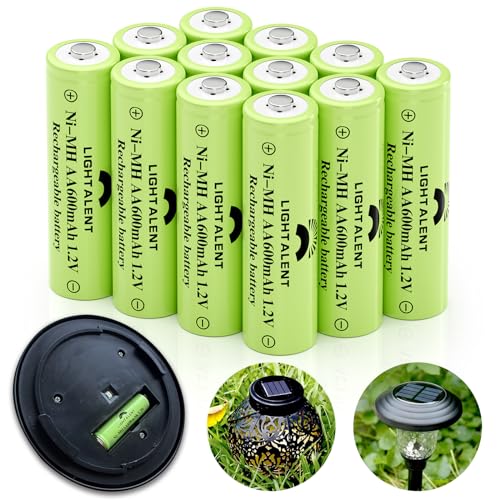
【Strong Performance】1.2-volt 600mAh AA Ni-MH rechargeable batteries,Package included: 12 x solar battery 1.2v ni-mh aa 600mAh
Step-by-Step Charging Guide
- Check the Battery Type
Identify the battery type: NiCd, NiMH, or Li-ion. This information usually appears on the battery itself. - Remove the Batteries
Turn off your solar light and carefully remove the batteries. Handle them gently to avoid any damage. - Clean the Contacts
Inspect the battery terminals for corrosion or dirt. Clean them with a dry cloth or a cotton swab dipped in vinegar for better conductivity. - Charge in Direct Sunlight
Place the solar light in a location where it can receive full sun exposure for at least 6 to 8 hours. Ensure the solar panel faces the sun directly. - Use a Smart Charger (if needed)
For rechargeable batteries, consider using a smart charger that matches your battery type. This charger helps prevent overcharging. - Monitor Charging
Check the battery voltage periodically with a multimeter. This practice helps you track the charging process effectively. - Reassemble After Charging
Once charging completes, reinstall the batteries into the solar light. Make sure they’re placed in the correct orientation.
- Select Optimal Location
Choose a location with maximum sunlight exposure throughout the day. Avoid shaded areas and obstructions. - Keep the Solar Panel Clean
Regularly clean the solar panel with a soft cloth. Dust and debris can block sunlight and hinder charging efficiency. - Adjust for Seasons
Move your solar lights to sunnier spots during winter months when the sun is less intense. - Replace Old Batteries
If batteries consistently underperform, consider replacing them with new ones of the same type and specification. - Avoid Overcharging
Don’t leave batteries in direct sunlight beyond the necessary time. Overcharging can reduce battery life.
By following these guidelines, you’ll maintain the responsiveness of your solar lights and enjoy consistent illumination when needed most.
Maintenance Tips for Solar Light Batteries
Maintaining solar light batteries can significantly enhance their performance and lifespan. Follow these practical tips for effective care.
Cleaning Solar Panels
Cleaning solar panels regularly ensures maximum sunlight exposure, crucial for optimal charging. Use a soft cloth or sponge with mild soap and water to wipe away dust and debris. Avoid abrasive materials that might scratch the surface. Aim to clean your solar panels every few months, and more often if you live in a dusty area or during pollen season.
Storing Batteries Properly
Proper storage of solar light batteries prolongs their life and performance. Store batteries in a cool, dry place away from direct sunlight. Ensure they’re fully charged before storage to prevent them from draining completely. If you plan to store them for extended periods, check the charge level every few months and recharge if necessary. For NiCd and NiMH batteries, consider rotating them with active ones to promote even wear.
Troubleshooting Charging Problems
Sometimes, solar lights don’t perform as expected, and troubleshooting becomes necessary. Identifying issues early helps maintain functionality.
Identifying Faulty Components
Check for faulty components impacting solar light performance. Inspect the solar panel for dirt or debris, which can block sunlight. Verify the battery’s condition by looking for leaks, swelling, or corrosion. Test the wiring for damage, as frayed or disconnected wires can prevent charging. If the solar light has a built-in sensor, ensure it’s functioning correctly since a malfunction can impede operation.
- Cleaning the Solar Panel:
- Use a damp cloth to remove dust or dirt from the solar panel. Ensure it’s free of obstructions for optimal sunlight absorption.
- Replacing Damaged Batteries:
- If the battery swells or leaks, replace it with a similar type. Ensure the new battery aligns with your solar light specifications.
- Fixing Wiring Issues:
- Inspect wires for frays or breaks. Use electrical tape to secure minor damage or replace wires that are extensively damaged.
- Testing Light Sensors:
- Cover the sensor to check if the light turns on. If it doesn’t, you might need to replace the sensor.
- Positioning Adjustments:
- Reposition solar lights to ensure they receive sufficient sunlight. Aim for a location that gets 6 to 8 hours of direct sunlight daily.
- Using a Smart Charger:
- Consider using a smart charger to optimize battery charging. These chargers adapt to battery needs and can prevent overcharging.
By following these troubleshooting steps, you can address common issues and ensure your solar lights shine brightly when needed.
Conclusion
Taking care of your solar light batteries can make all the difference in their performance. By following the right steps to recharge and maintain them, you can enjoy bright and reliable lighting whenever you need it.
Remember to keep an eye on your solar panels and clean them regularly. Proper storage and periodic checks will help extend the life of your batteries.
With a little attention and care, your solar lights can shine brightly for years to come, lighting up your outdoor spaces just the way you want.
Frequently Asked Questions
Why do my solar lights dim at night despite being fully charged during the day?
Solar lights often dim at night due to battery degradation, insufficient charging from inadequate sunlight, or corrosion of battery terminals. Over time, the capacity of the batteries can decrease, leading to less power available for lighting. Regular maintenance and troubleshooting can help address these issues.
What types of batteries are used in solar lights?
Common battery types in solar lights include Nickel Cadmium (NiCd), Nickel Metal Hydride (NiMH), and Lithium-Ion (Li-ion). Each type has distinct characteristics in terms of performance, lifespan, and environmental impact. Understanding these differences can help you choose the right battery for your solar lights.
How can I effectively recharge my solar light batteries?
To recharge solar light batteries effectively, first identify the battery type. Clean the contacts, then charge the batteries in direct sunlight for 6 to 8 hours. Using a smart charger and monitoring the charging can further enhance performance. Regular maintenance is also vital for longevity.
What maintenance tips can I follow to improve solar light battery performance?
To improve solar light battery performance, regularly clean the solar panels, store batteries in a cool, dry place, and ensure they are fully charged before storage. Rotate NiCd and NiMH batteries periodically for even wear, and check battery levels regularly if stored long-term.
How do I troubleshoot charging problems with my solar lights?
Step one is inspecting the solar panel for dirt or damage. Check the battery for leaks or corrosion and test wiring for any issues. Cleaning the panel and replacing damaged batteries can help. Repositioning solar lights for maximum sunlight exposure is also essential for reliable charging.
