

Have you ever wanted to harness the sun’s energy to power your devices? Connecting a solar panel to a battery can be a game changer for your energy needs. Whether you’re looking to charge your phone during a camping trip or power up your home during an outage, this simple setup can make it happen.
Key Takeaways
- Understanding Components: Familiarize yourself with different types of solar panels (monocrystalline, polycrystalline, and thin-film) and battery options (lead-acid, lithium-ion, and AGM) to choose the right combination for your energy needs.
- Preparation is Key: Gather all necessary tools and materials, such as a charge controller, wiring, and protective gear, and follow safety precautions before starting the installation.
- Step-by-Step Connection: Follow a clear sequence: connect the solar panel to the charge controller, then connect the charge controller to the battery, ensuring all connections are secure and correctly aligned.
- Monitor Performance: Regularly check voltage levels and inspect wiring connections to troubleshoot common issues like poor charging performance and connection problems to ensure optimal system operation.
- Adhere to Regulations: Check local ordinances regarding solar panel installation to ensure compliance and avoid any potential legal issues.
Understanding Solar Panels and Batteries
Understanding how solar panels work alongside batteries is essential for an effective setup. This knowledge allows you to harness solar energy efficiently for various applications, from camping to home emergencies.
Types of Solar Panels
You’ll encounter three main types of solar panels—monocrystalline, polycrystalline, and thin-film.
- Monocrystalline Panels: Known for high efficiency and longevity, these panels consist of single crystal structures. They’re ideal for space-limited installations and perform well in low-light conditions.
- Polycrystalline Panels: These panels are made from multiple crystal structures, which makes them less efficient but often more affordable. They perform well in full sun and are suitable for larger installations where space isn’t a concern.
- Thin-Film Panels: Lightweight and flexible, these panels are easier to install, though they typically have lower efficiency compared to crystalline panels. They’re commonly used in portable applications and large-scale solar farms.
Types of Batteries
Choosing the right battery is crucial for storing energy. Here are the primary types you might consider:
- Lead-Acid Batteries: These batteries are widely used due to their low cost and reliability. They come in two types—flooded and sealed. Flooded batteries require maintenance, while sealed batteries are maintenance-free.
- Lithium-Ion Batteries: Known for their high energy density and longer lifespan, lithium-ion batteries are lightweight and efficient. They handle deep discharges well, making them suitable for solar applications.
- AGM (Absorbent Glass Mat) Batteries: These are a type of sealed lead-acid battery that offers better performance and durability. AGM batteries are maintenance-free and can handle higher discharge rates.
Consider your energy needs and storage requirements before selecting a solar panel and battery combination, as different types cater to different applications.
Preparing for Installation
Preparing for your solar panel and battery installation requires gathering the right tools and materials, as well as following essential safety precautions.
Recommended Products
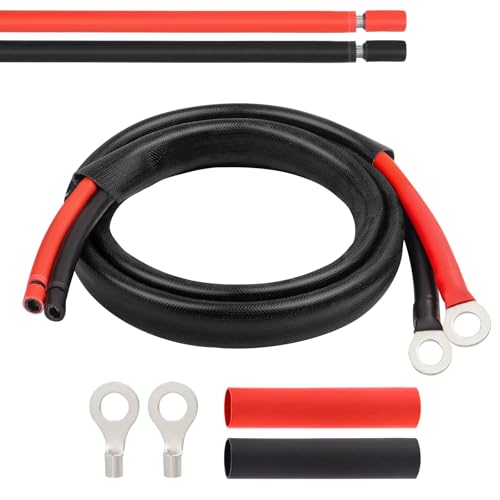
10AWG Tinned Copper Wire -- MOOKEERF solar battery cable is made of larger diameter 10AWG tinned copper wire which is minimize power loss in solar panel systems, the inner conductor consists of 84 tin-plated copper, well constructed and good conductive.

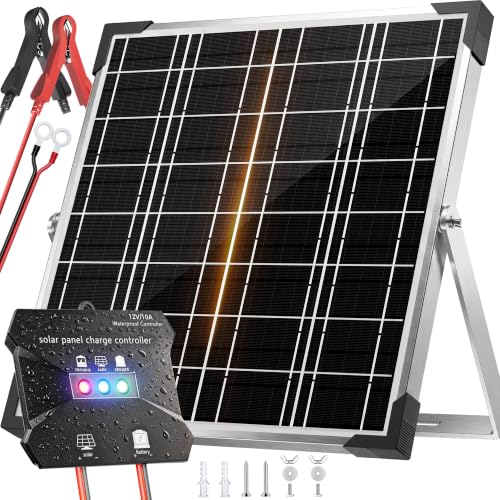
High-Efficiency MPPT Solar Charger - Advanced tracking technology delivers 20-30% faster charging for 12V batteries. A+ monocrystalline panels maximize power conversion. Perfect 20W solar trickle charger for cars, RVs, boats, and trailers. More sun captured, less time waiting.
Tools and Materials Needed
- Solar panel: Choose a panel that matches your energy needs.
- Charge controller: Regulates voltage and current between the solar panel and battery.
- Battery: Select from lead-acid, lithium-ion, or AGM options based on your storage preferences.
- Wiring: Use appropriate gauges for your system to handle the required current.
- Connectors: MC4 connectors are common for solar panel connections.
- Mounting hardware: Includes brackets and clamps to secure your solar panel safely.
- Multimeter: Tests voltage and ensures proper connections.
- Tools: A screwdriver, wire cutters, and pliers will help in the installation process.
- Wear protective gear: Use gloves and safety goggles to guard against sharp tools and electrical shock.
- Work in dry conditions: Avoid wet environments to prevent accidents and equipment damage.
- Follow manufacturer guidelines: Adhere to installation instructions specific to your solar panel and battery.
- Disconnect power before installation: Ensure all systems are powered off to prevent electrical hazards.
- Secure and stabilize equipment: Ensure solar panels are mounted firmly to avoid falls or shifting.
- Check local ordinances: Confirm any regulations or permits required for installation in your area.
These steps will help you prepare effectively for your solar panel and battery setup.
Step-by-Step Guide on How to Hook Up a Solar Panel to a Battery
Follow these steps to connect your solar panel to a battery efficiently. Make sure to gather all necessary tools and materials before starting.
Connecting the Solar Panel
- Position the Solar Panel: Place the solar panel in a location with maximum sunlight exposure.
- Identify the Wires: Locate the positive (+) and negative (-) terminals on the solar panel.
- Connect Wires: Use appropriate wiring to connect the solar panel’s positive terminal to the charge controller’s positive input, and the negative terminal to the charge controller’s negative input. Ensure secure connections.
Connecting the Charge Controller
- Select Your Charge Controller: Choose one compatible with your solar panel and battery specifications. This device regulates the voltage and current coming from the solar panels.
- Connect the Solar Inputs: Verify that the positive and negative terminals from the solar panel are correctly connected to the charge controller.
- Attach Battery Output: Connect the positive output terminal of the charge controller to the positive terminal of your battery. Then, connect the negative output terminal to the negative terminal of the battery. This step prevents backflow of current into the solar panel.
- Choose the Right Battery Type: Confirm that your battery matches the system’s voltage level (commonly 12V for RVs and off-grid systems).
- Secure the Connections: Tighten bolt connectors on the battery terminals. Avoid over-tightening, which can damage the battery.
- Check Voltage Levels: Before finalizing the setup, use a multimeter to ensure correct voltage levels across the connections. This step confirms proper installation and that your system is ready to harness solar energy.
Following these steps guarantees a safe and efficient connection between your solar panel and battery. Always double-check connections and monitor your system for optimal performance.
Troubleshooting Common Issues
Common issues can arise when connecting a solar panel to a battery. Identifying these problems early helps maintain optimal performance.
Recommended Products
![[Upgraded] 30A PWM Solar Charge Controller with Auto Parameter LCD Display](https://m.media-amazon.com/images/I/41opvkWthjL._SL500_.jpg)
【UPGRADED SOLAR CONTROLLER】This solar charge controller helps you manage the working of solar panels and batteries in solar systems automatically with the build-in industrial microcontroller. You don't need to reset it when the battery runs out cause it will memorize various parameters set by the user
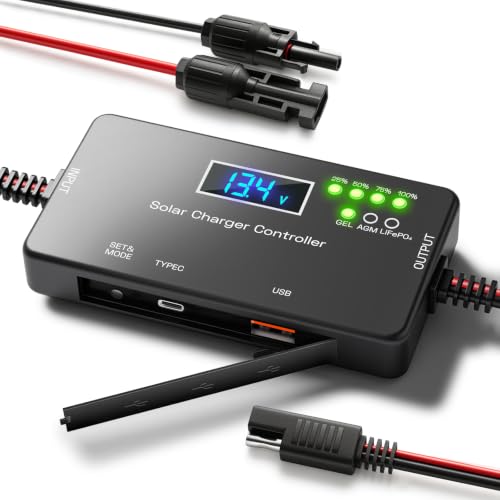
Works with All 12V Batteries: This solar charge controller is custom-made for 12V solar systems and is 100% compatible with Lithium (LiFePO4), AGM, and Gel batteries. It features a smart charging program that easily handles solar panels up to 300W, making sure your battery gets fully charged quickly and safely without any damage. (NOT for 24V/36V batteries)

【Precise Compatibility + Upgraded 20A PWM Charging】 As the "core manager" of 12V solar systems, this controller is exclusively engineered for 12V batteries (NOT compatible with 24V/36V packs) and works seamlessly with all solar panels below 300W. Equipped with upgraded 20A PWM technology, it delivers double the current output compared to common 10A controllers, enabling faster and more stable battery charging. Please note: no polarity converter is included—please ensure correct positive/negative connection to avoid equipment damage.
Poor Charging Performance
Poor charging performance often results from inadequate sunlight exposure or an incorrect setup. Check the following:
- Panel Positioning: Ensure the solar panel faces direct sunlight. Any shading or misalignment limits energy absorption.
- Wiring Connections: Inspect all wiring for damage or loose connections. Damaged connectors can disrupt current flow.
- Charge Controller Settings: Verify that the charge controller matches the battery type. Correct settings prevent undercharging and overcharging.
- Battery Condition: Assess the battery’s state. An old or damaged battery might not hold a charge effectively.
If charging remains insufficient, consider monitoring voltage readings with a multimeter to determine the exact causes.
Connection Problems
Connection problems can hinder the charging process and lead to potential safety hazards. Here’s how to troubleshoot:
- Check Wiring: Examine all connections for corrosion or wear. Clean connectors can improve contact.
- Secure Connections: Ensure that all wires are tightly fastened. Loose connections can cause intermittent performance.
- Inspect Polarity: Confirm the positive and negative connections are correct. Reversed connections can damage components.
- Test Components: Use a multimeter to verify voltage levels at various points in the system. This will help locate any faults.
If the problem persists, test each component individually to isolate issues, ensuring a reliable and safe connection.
Conclusion
Getting your solar panel connected to a battery opens up a world of possibilities for powering your devices. Whether you’re camping or looking for a backup power source at home it’s a practical solution that can save you money and keep you connected.
Remember to always prioritize safety during installation and take the time to troubleshoot any issues that may pop up. With the right setup and a little patience you’ll enjoy the benefits of harnessing solar energy in no time. So go ahead and take that first step toward a greener and more independent energy solution. You’ve got this!
Frequently Asked Questions
What are the benefits of using solar panels with batteries?
Using solar panels with batteries provides reliable power for various applications, such as charging devices while camping or supplying energy during outages. This combination allows for efficient energy storage and utilization, ensuring you have electricity when you need it most.
What types of solar panels are available?
There are three main types of solar panels:
- Monocrystalline panels, known for high efficiency and long life.
- Polycrystalline panels, which are affordable but slightly less efficient.
- Thin-film panels, lightweight and flexible, but typically with lower efficiency.
What types of batteries are suitable for solar energy storage?
The primary battery types for solar energy storage include lead-acid batteries, which are reliable and budget-friendly; lithium-ion batteries, praised for high energy density and longevity; and AGM batteries, which offer good performance without maintenance needs.
How do I prepare for solar panel installation?
To prepare for solar panel installation, gather essential tools and materials, including the solar panel, charge controller, battery, wiring, connectors, mounting hardware, and a multimeter. Always prioritize safety by wearing protective gear and following the manufacturer’s guidelines.
What steps are involved in connecting a solar panel to a battery?
To connect a solar panel to a battery, start by positioning the panel for maximum sunlight. Then, connect the wires to the charge controller and battery, ensuring secure wiring. Finally, check voltage levels with a multimeter to confirm correct installation.
What troubleshooting tips can help with solar panel and battery connections?
For common issues, ensure proper sunlight exposure and check connections thoroughly. Verify charge controller settings and inspect wiring for damage. Regularly monitor voltage readings to identify problems early, ensuring your solar energy system runs smoothly.
