

Have you ever found yourself needing to disconnect your solar panel battery but weren’t quite sure how to do it safely? It’s a common situation for many solar panel owners, whether you’re performing maintenance or troubleshooting an issue.
Key Takeaways
- Understanding System Components: Familiarize yourself with the essential parts of your solar panel system, including solar panels, inverters, batteries, charge controllers, and mounting systems, to ensure a safe disconnection process.
- Importance of Safe Disconnection: Disconnecting the battery is crucial for maintenance and troubleshooting, helping to prevent electric shocks, short circuits, and potential damage to the system.
- Essential Safety Precautions: Always wear safety gear such as goggles and insulated gloves, turn off the system completely, and avoid wet conditions to minimize risks during battery disconnection.
- Step-by-Step Procedure: Follow a systematic approach by turning off the system, checking voltage levels with a multimeter, and disconnecting the negative terminal first, followed by the positive terminal.
- Avoid Common Mistakes: Ensure the use of appropriate insulated tools and adherence to safety protocols to prevent accidents and ensure efficient battery disconnection.
Understanding Solar Panel Systems
Understanding the components of your solar panel system helps ensure safe battery disconnection. Each part works together to harvest and store solar energy efficiently.
Components of a Solar Panel System
- Solar Panels: These capture sunlight and convert it into electricity. Panels typically consist of photovoltaic cells made from silicon.
- Inverter: This device transforms the direct current (DC) generated by solar panels into alternating current (AC), which powers most home appliances.
- Battery: Batteries store excess energy for use during non-sunny periods. They offer backup power when sunlight isn’t available.
- Charge Controller: This component regulates voltage and current from solar panels to the battery. It prevents overcharging and extends battery life.
- Mounting System: This holds solar panels in place. It can be fixed or adjustable based on sun exposure.
Importance of Battery Disconnection
Safely disconnecting your battery is crucial for maintenance and troubleshooting. Disconnecting the battery reduces the risk of shock and short circuits. When working on your system, you’ll avoid voltage surges that might damage components.
Proper disconnection safeguards against accidental fires or electric shocks. If you need to replace a battery, disconnecting ensures you handle the new unit correctly. Following the right procedures not only protects your equipment but also enhances your overall safety.
Safety Precautions
Taking safety precautions ensures a smooth and hazard-free process when disconnecting the battery from a solar panel. Follow these guidelines to protect yourself and your equipment.
Recommended Products

Very handy for the assembly of custom solar panel connector wires

Professional TOOL: Solar Spanner Wrench helps you speed up your connector work.1
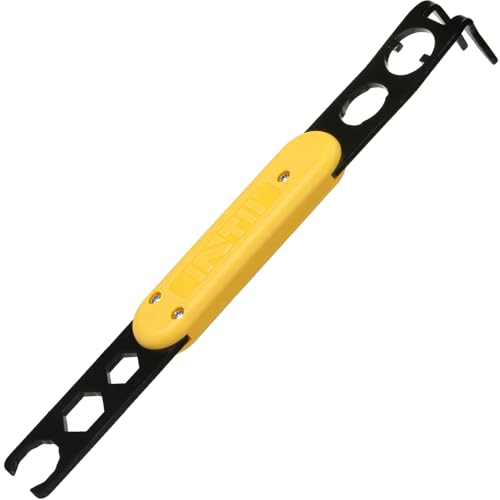
Universal Compatibility: Designed to work with MC4, T4, PV4, PV4-S, and Amphenol H4 solar panel connectors, compatible with most major solar panel brands, making installation and maintenance effortless.
Personal Safety Gear
- Wear safety goggles to protect your eyes from potential debris or accidental splashes.
- Put on insulated gloves designed for electrical work; these minimize the risk of shock.
- Use non-slip footwear to avoid falls when working around the solar panel system.
- Opt for long sleeves and pants to reduce skin exposure, especially near sharp edges or connections.
- Turn off the solar panel system completely before starting any disconnection process. Ensure no active power flows through the connections.
- Disconnect the battery terminals in the right order: always remove the negative terminal first, followed by the positive terminal. This step reduces the risk of short circuits.
- Avoid working in wet conditions. Rain or humidity increases the risk of electrical shock.
- Keep a first-aid kit close by for emergencies. Having it handy can make a crucial difference in a high-stress situation.
- Inspect tools before use. Ensure they are in good condition and rated for electrical tasks to prevent malfunctions.
Following these safety precautions not only safeguards your health but also protects your solar panel system from potential damage.
Step-by-Step Guide to Disconnecting the Battery
Disconnecting a solar panel battery requires careful handling to maintain safety and protect your system. Follow these steps for a smooth disconnection process.
Recommended Products
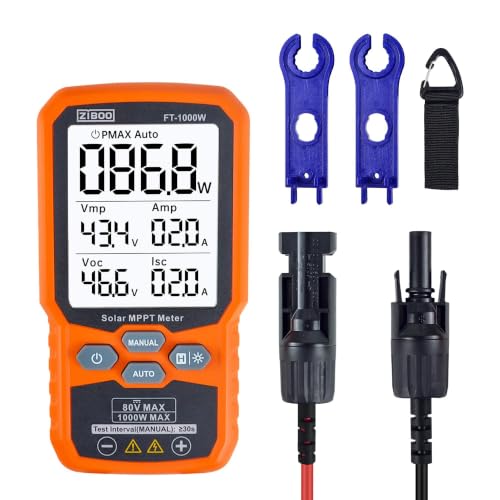
⚡ Professional-Grade PV Testing Measures maximum power (Pmax) up to 1000W, open-circuit voltage (Voc: 12-80V), and short-circuit current (Isc: 35A) with ±0.8% accuracy, ideal for validating solar panel performance in R&D, manufacturing, and field maintenance.

【MULTIFUNCTION SOLAR CONNECTOR TOOL】 Designed for fast assembly, tightening, unlocking and disconnecting of MC4 style solar connectors, helping simplify PV cable installation and maintenance.

Universal Compatibility: Designed to work with MC4, T4, PV4, PV4-S, and Amphenol H4 solar panel connectors, compatible with most major solar panel brands, making installation and maintenance effortless
Tools Required
Gather these tools before starting:
- Insulated gloves: Protect your hands from electric shock.
- Safety goggles: Shield your eyes from any potential sparks.
- Wrench or socket set: For loosening battery terminals.
- Multimeter: To check voltage levels, ensuring the system isn’t live.
- First-aid kit: Always handy for emergencies.
- Turn Off the Solar System: Completely shut down the solar panel system before proceeding. This step ensures no power flows to or from the battery.
- Check Voltage Levels: Use the multimeter to confirm that voltage levels are safe. This check prevents unexpected shocks.
- Identify Battery Terminals: Locate the battery terminals, typically marked as positive (+) and negative (-).
- Disconnect the Negative Terminal First: Using the wrench, carefully loosen and remove the negative terminal. This step reduces the risk of short circuits.
- Disconnect the Positive Terminal: Next, loosen and remove the positive terminal. Make sure no tools touch both terminals simultaneously.
- Secure Loose Wires: Tuck the disconnected cables away to prevent accidental contact with the terminals.
- Inspect the Battery: Look for any signs of damage or corrosion. Address any issues before reconnecting or replacing the battery.
Following these steps ensures a safe disconnection of your solar panel battery, thereby protecting both you and your equipment.
Common Mistakes to Avoid
Avoiding mistakes during the battery disconnection process is crucial for safety and efficiency. Here are some common pitfalls and how to steer clear of them.
Incorrect Tools Usage
Using the wrong tools can lead to injury or equipment damage. Ensure you have the necessary insulated tools—such as a wrench or socket set—and a multimeter for voltage checks. Verify that your tools are in good condition before beginning the disconnection. For instance, using a conventional metal wrench can increase the risk of short circuits if it touches both terminals. Always opt for insulated tools to maintain safety.
Ignoring Safety Protocols
Neglecting safety protocols can result in accidents. Always wear personal protective equipment, including safety goggles and insulated gloves. Before disconnecting the battery, turn off the entire solar panel system. This precaution minimizes the risk of shock. Additionally, follow the correct disconnection order—negative terminal first, then positive. Make a habit of inspecting your surroundings for wet conditions or clutter, as these factors can raise hazards. A proactive approach to safety ensures a smooth disconnection process.
Conclusion
Taking the time to safely disconnect your solar panel battery can make all the difference in protecting both you and your system. By following the right procedures and using the proper tools you can avoid potential hazards and ensure everything runs smoothly.
Remember to prioritize your safety by wearing the necessary gear and working in a suitable environment. With a little care and attention you can make this process straightforward and hassle-free.
So whether you’re performing maintenance or troubleshooting, you’re now equipped with the knowledge to handle battery disconnection safely and effectively. Enjoy the peace of mind that comes with knowing you’re doing it right!
Frequently Asked Questions
What is the proper way to disconnect a solar panel battery?
To safely disconnect a solar panel battery, first turn off the solar panel system completely. Use a multimeter to check voltage levels, and then disconnect the negative terminal first, followed by the positive terminal. Ensure no tools touch both terminals simultaneously.
Why is it important to disconnect the battery safely?
Safely disconnecting the battery reduces the risk of electric shock, short circuits, and voltage surges that can damage your solar power system components. It also ensures safe handling during maintenance or battery replacement.
What safety gear should I wear when disconnecting the battery?
When disconnecting a solar battery, wear personal safety gear such as safety goggles, insulated gloves, and non-slip footwear. These items help protect you from potential hazards during the disconnection process.
What tools do I need to disconnect a solar battery?
Essential tools include insulated gloves, safety goggles, a wrench or socket set, a multimeter, and a first-aid kit. Using the right tools is crucial for ensuring a safe disconnection.
What common mistakes should I avoid during disconnection?
Avoid neglecting safety protocols, such as not wearing protective gear or failing to turn off the solar panel system first. Using the correct insulated tools is also vital to prevent accidents and equipment damage.
