

Are you looking to harness the power of the sun for your home? Connecting solar panels to a battery and inverter can seem daunting, but it doesn’t have to be. Imagine enjoying energy independence while reducing your electricity bills.
Key Takeaways
- Understand the Components: A solar power system consists of solar panels, a battery, and an inverter, each playing a crucial role in energy generation and storage.
- Choose the Right Equipment: Select solar panels based on efficiency and space, batteries for energy density and lifespan, and inverters that fit your system design.
- Follow Safety Precautions: Always turn off equipment, wear protective gear, and inspect components for damage when connecting solar systems.
- Execute Proper Wiring: Ensure correct polarity and secure connections between solar panels, batteries, and inverters to prevent damage and inefficiencies.
- Troubleshoot Common Issues: Be aware of problems like insufficient charging, overcharging, and inverter malfunctions, and follow appropriate troubleshooting methods to resolve them.
- Monitor and Maintain: Regularly check system performance and consider professional help for maintenance, keeping your solar energy system efficient and operational.
Overview of Solar Power Systems
Solar power systems convert sunlight into electricity. These systems typically consist of three main components: solar panels, a battery, and an inverter. Understanding how these components work together is essential for effectively setting up your solar energy system.
Solar Panels
Solar panels capture sunlight and convert it into direct current (DC) electricity. They consist of photovoltaic cells that generate power when exposed to sunlight. When selecting solar panels, consider factors like efficiency, size, and installation type. An example of an efficient solar panel is a monocrystalline panel, which uses high-quality silicon for better energy conversion.
Battery Storage
Batteries store the energy generated by the solar panels for later use. You’ll find different types of batteries, such as lead-acid and lithium-ion, each offering unique benefits. Lithium-ion batteries typically provide higher energy density and longer lifespan, making them ideal for residential use. Choosing the right battery depends on your energy storage needs and budget.
Inverter
The inverter converts the stored DC electricity from the batteries into alternating current (AC) electricity. Most household appliances use AC power, making this step crucial. There are two common types of inverters: string inverters and microinverters. String inverters are often more affordable, while microinverters can optimize performance for individual solar panels.
System Integration
Connecting solar panels to a battery and inverter requires careful planning. Ensure that the inverter’s capacity matches your solar panel output and battery specifications. This compatibility guarantees efficient energy transfer and helps avoid system overloads. Additionally, consider incorporating a charge controller. This device manages the energy flow between the panels, battery, and inverter, protecting your components.
Example Setup
For a simple 5 kW solar power system, you might use:
- Solar Panels: 20 panels, each rated at 250 W
- Battery: 10 kWh lithium-ion battery
- Inverter: 5 kW string inverter
This setup allows you to generate sufficient energy for daily needs while providing backup power during outages.
Understanding these essential components of a solar power system empowers you to make informed decisions, paving the way for successful energy independence.
Components Required
You need three main components to connect solar panels to a battery and inverter. Understanding each part is crucial for successful setup and operation.
Recommended Products

1. 【AC/DC Dual Protection】 ✔ Works for Both AC & DC Systems – Safely protects solar panels, batteries, inverters, and AC circuits (50/60Hz). Ideal for RV, home, marine, and industrial use with no polarity sensitivity for DC.


Solar Panels
Solar panels capture sunlight and convert it into direct current (DC) electricity. Choose panels based on their efficiency and your energy requirements. High-efficiency panels may cost more but generate more power in limited spaces. For example, a 300W solar panel may generate about 900 kWh annually, depending on sunlight exposure.
Batteries
Batteries store the electricity generated by the solar panels for later use. Lithium-ion batteries are popular choices due to their longer lifespan and higher energy density compared to lead-acid batteries. Consider how much storage you need. For instance, a 10 kWh battery can power essential appliances like refrigerators and lights during outages.
Inverters
Inverters convert DC electricity from the solar panels and batteries into alternating current (AC) for home use. Choose between string inverters and microinverters based on your system design. String inverters work well for systems with uniform panel exposure. In contrast, microinverters maximize output when panels face different directions. A typical 5 kW inverter setup efficiently supports most residential needs.
Step-by-Step Guide on Connecting Solar Panel to Battery and Inverter
Connecting a solar panel to a battery and inverter involves several key steps. Each step ensures a safe and efficient solar power system.
Recommended Products

12V Universal Solar Charge Controller- Renogy Solar controller optimizes charging for 𝐋𝐢𝐭𝐡𝐢𝐮𝐦, 𝐀𝐆𝐌, 𝐆𝐞𝐥, & 𝐅𝐥𝐨𝐨𝐝𝐞𝐝 𝐛𝐚𝐭𝐭𝐞𝐫𝐢𝐞𝐬. Smart PWM solar panel controller technology auto-selects the perfect charging curve (𝐁𝐮𝐥𝐤/𝐁𝐨𝐨𝐬𝐭/ 𝐅𝐥𝐨𝐚𝐭/ 𝐄𝐪𝐮𝐚𝐥𝐢𝐳𝐚𝐭𝐢𝐨𝐧) for your RV, boat, or off-grid setup. Renewable energy controllers easily switch battery types and monitor real-time charging stages via intuitive LEDs, mmaximizing battery lifespan.

10AWG Wire Tinned Copper Tray Extension Cable to connect the charge controller to the battery, also can be used as solar wires with tools to cut and crimp with new connectors.Widely used for solar panels, marine, automotive, RVs, Lawn mower,camper and inverter wiring.
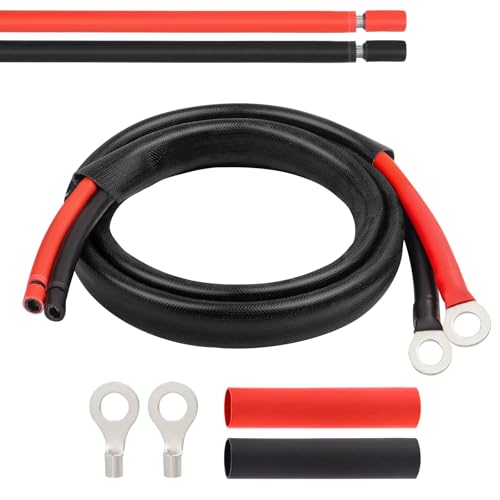
10AWG Tinned Copper Wire -- MOOKEERF solar battery cable is made of larger diameter 10AWG tinned copper wire which is minimize power loss in solar panel systems, the inner conductor consists of 84 tin-plated copper, well constructed and good conductive.
Safety Precautions
- Turn Off Power: Always turn off any equipment before starting.
- Wear Protective Gear: Use gloves and goggles to protect yourself.
- Check for Damage: Inspect wires and components for any signs of damage.
- Work in Dry Conditions: Avoid working in damp or wet areas to prevent electrical shocks.
Connecting the Solar Panels
- Place Panels: Position your solar panels in a location with maximum sunlight exposure.
- Connect Connectors: Use MC4 connectors or compatible connectors to link the panels together.
- Wire from Panels: Run the positive (+) and negative (-) wires from the last panel to the charge controller. Ensure the polarity matches; incorrect connections can damage the equipment.
Wiring the Battery
- Choose Battery Location: Select a dry, well-ventilated spot for the battery.
- Connect Wires: Connect the positive (+) wire from the charge controller to the positive terminal on your battery.
- Ground the Battery: Connect the negative (-) wire from the charge controller to the negative terminal on the battery. Ensure secure connections to prevent loose wires.
- Position Inverter: Place your inverter near the battery for optimal efficiency.
- Connect Battery to Inverter: Use heavy-duty cables to connect the battery’s positive (+) terminal to the inverter’s positive terminal. Then connect the negative (-) terminal from the battery to the negative terminal on the inverter.
- Power Your Appliances: Plug your appliances into the inverter to start using solar power. Check that the inverter’s output matches your appliance’s requirements.
Following these steps ensures a successful connection between your solar panels, battery, and inverter, paving the way for effective and sustainable energy use.
Common Issues and Troubleshooting
Insufficient Charging
Insufficient charging occurs when the solar panels aren’t generating enough electricity to fully charge the battery. You can check this by monitoring the battery voltage. If it’s below the recommended level, check the panel’s orientation and shading. Adjusting the angle for optimal sunlight can improve performance. Ensure the panels are clean and free from debris.
Overcharging
Overcharging can damage batteries and reduce their lifespan. Use a charge controller to prevent this. Charge controllers regulate voltage and current coming from the solar panels. If you notice the battery swelling or overheating, disconnect it immediately and consult the manufacturer’s guidelines.
Inverter Malfunction
Inverter malfunctions lead to power outages or inefficient energy conversion. Common signs include error codes on the display or unusual sounds. Restarting the inverter often resolves temporary issues. Check your connections to ensure everything’s secure. If the problem persists, refer to the user manual or contact customer support for further assistance.
Battery Drain
Battery drain happens when the load exceeds the battery’s capacity. You can address this by monitoring your daily energy consumption. Ensure you’re not overloading your system with appliances. Upgrading to a larger battery or reducing energy use during peak times can help manage energy flow effectively.
Wiring Issues
Wiring issues cause inefficiencies and pose safety risks. Check for frayed wires, loose connections, or corrosion. Use a multimeter to measure voltage and continuity in your connections. Always replace damaged wires and ensure that your connections are tight and secure.
System Compatibility
Incompatibility among the components leads to inefficiency. Verify that your solar panels, battery, and inverter are compatible in terms of voltage and wattage ratings. Refer to the specifications of each component before installation. If you encounter difficulties, use a compatibility chart or consult an expert.
Monitoring System Performance
Regular monitoring helps catch issues early. Use a solar monitoring system or app to track energy production and consumption. Set alerts for unusual drops in performance. This will allow you to address problems immediately, preventing further complications.
Professional Help
If issues persist, it’s wise to seek professional assistance. Certified technicians can diagnose complex problems and ensure your system operates safely and efficiently. Regular maintenance by professionals can also prolong the life of your setup.
Conclusion
Embracing solar energy can truly transform your home and lifestyle. By connecting solar panels to a battery and inverter, you’re not just reducing your electricity bills but also taking a significant step toward energy independence.
With the right components and a solid understanding of the setup process, you can create a reliable energy system that meets your needs. Remember to keep an eye on performance and don’t hesitate to reach out for professional help when needed.
You’re now equipped to harness the sun’s power and enjoy the benefits of sustainable living. Happy solar powering!
Frequently Asked Questions
What are the main components of a solar power system?
A solar power system primarily consists of three components: solar panels, batteries, and inverters. Solar panels capture sunlight and convert it into electricity. Batteries store this energy for later use, while inverters convert the stored DC electricity into usable AC electricity for home appliances.
How do solar panels work?
Solar panels work by capturing sunlight and converting it into direct current (DC) electricity through photovoltaic cells. The efficiency of solar panels varies based on their quality and installation type, with high-efficiency panels generating more power in smaller spaces.
What type of battery is best for solar energy storage?
Lithium-ion batteries are recommended for solar energy storage due to their higher energy density and longer lifespan compared to lead-acid batteries. For example, a 10 kWh lithium-ion battery can effectively power essential appliances during outages.
How is an inverter used in a solar system?
An inverter is crucial for converting the DC electricity generated by solar panels into alternating current (AC) electricity, which is required for household appliances. Options like string and microinverters help optimize energy output based on panel orientation and installation conditions.
How can I ensure my solar power system is efficient?
To ensure efficiency, it’s important to properly integrate and position solar panel components for maximum sunlight exposure. Regular monitoring of energy production and consumption can help identify issues, while professional maintenance can enhance system performance and longevity.
What safety precautions should I take when installing a solar power system?
When installing a solar power system, ensure to turn off all power sources, wear protective gear, and inspect the components for damage. Following these safety measures reduces risks and ensures a secure setup.
How do I troubleshoot common issues with solar power systems?
Common solar power system issues include insufficient charging, battery drain, and inverter malfunctions. Monitor system performance closely, and use solar monitoring systems or apps. For persistent problems, consult certified technicians to diagnose and resolve complex issues.
How can I achieve energy independence with solar power?
By connecting solar panels to batteries and inverters, homeowners can generate and store their own electricity. This setup reduces reliance on the grid, lowers electricity bills, and enables energy independence, ultimately leading to cost savings and sustainability.
