

Ever found yourself running low on power during a sunny day? You’re not alone. Many solar system users face this challenge, especially when energy needs spike or during cloudy weather. Adding extra batteries to your solar setup can be a game-changer.
Key Takeaways
- Understand Solar Battery Systems: Recognize the role of solar batteries in storing energy for use during low sunlight scenarios, optimizing overall energy consumption.
- Choose the Right Battery Type: Evaluate options like lithium-ion, lead-acid, flow, and nickel-cadmium based on efficiency, lifespan, maintenance needs, and environmental considerations.
- Assess and Analyze Energy Needs: Calculate your current energy consumption and battery capacity requirements to determine the optimal number and size of additional batteries.
- Follow Proper Installation Steps: Ensure safety during installation by selecting the correct battery type, securely mounting, and properly connecting the new battery to the existing solar system.
- Implement Maintenance Practices: Regularly monitor battery performance and follow best charging practices to enhance battery longevity and maintain efficiency.
- Optimize for Energy Independence: Adding extra batteries not only increases storage capacity but also enhances reliability and helps reduce dependency on grid power.
Understanding Solar Battery Systems
Solar battery systems store energy produced by your solar panels for use when sunlight isn’t available. This can optimize energy consumption and ensure you have power during peak demand times or adverse weather.
Recommended Products
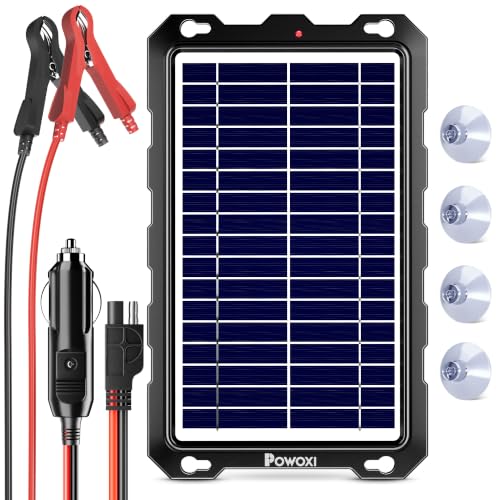
Upgrade Intelligent Charge Controller: Built-in internal protection system and smart fast charging Cooperate with Quality solar silicon material ensures high conversion and stable output the solar panel's energy conversion efficiency to 25-30%
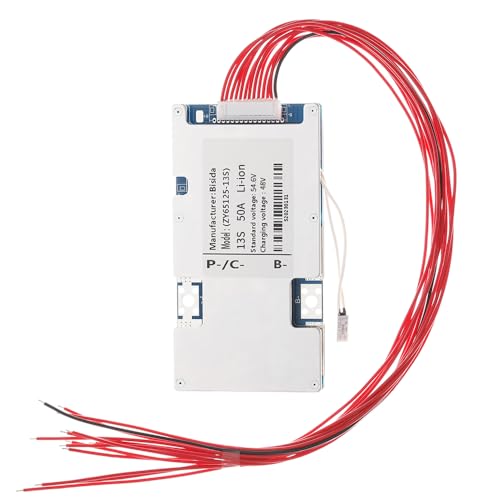
MULTIPLE PROTECTION Bisida's BMS has a variety of protection functions, such as over charge protection, over discharge protection, over current protection, short-circuit protection, temperature protection, isconnect protection, Voltage balance(passive balance), etc.
Types of Solar Batteries
You can choose from several types of solar batteries, each with its unique features:
- Lithium-Ion Batteries: Light and compact, these batteries offer high energy density and long life spans. They require less maintenance.
- Lead-Acid Batteries: Cost-effective and commonly used, these batteries are heavier and bulkier. They need maintenance and have a shorter lifespan.
- Flow Batteries: These batteries provide scalable options for larger installations. They have a long cycle life but come with higher initial costs.
- Nickel-Cadmium Batteries: They withstand extreme temperatures and have a long life, but they are less commonly used due to environmental concerns.
Benefits of Adding Extra Batteries
Adding extra batteries enhances your solar system in various ways:
- Increased Storage Capacity: More batteries mean greater energy storage, allowing you to capture more solar energy for later use.
- Enhanced Reliability: Extra batteries can prevent outages during low sunlight periods, ensuring a continuous power supply.
- Cost Savings: By relying more on stored solar energy rather than grid power, you can reduce electricity bills.
- Backup Power: Additional batteries serve as a backup during emergencies, ensuring essential appliances remain operational.
- Optimized Energy Use: You can manage energy consumption more efficiently, making the most of your solar energy production.
Integrating extra batteries into your solar system isn’t just a practical enhancement; it’s a significant step toward energy independence.
Assessing Your Current System
Assessing your current solar system is vital before adding extra batteries. Understanding your existing setup helps you make informed decisions about capacity and energy needs.
Recommended Products

FUNCTIONS: Used to protect 48~500VDC OR 90~480VAC circuit from overload and short circuit damage and 12~48VDC from overload damage, and can also be used for control and isolation. Size: 54MM x 80MM x 75MM, Fit for 35mm DIN rail.

【Superior MPPT Technology】 This 100A MPPT solar controller is equipped with an advanced MPPT maximum power point tracking technology algorithm. It automatically recognizes 12V/24V/36V/48V systems and features dual USB 5V charging ports. The controller can swiftly track the maximum power point of the PV array in any environment, ensuring a tracking efficiency of no less than 99.5%. This significantly enhances the energy utilization in the solar system.
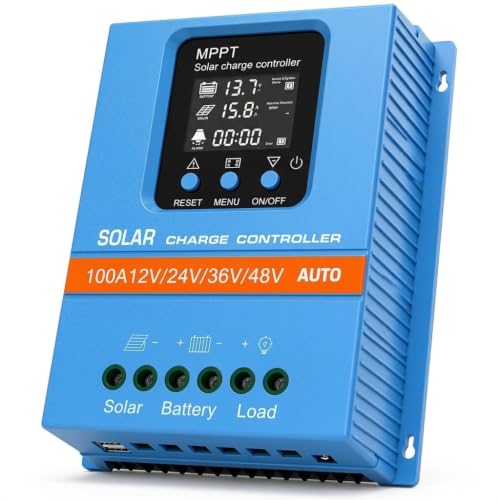
【Product Advantages 】: 100A intelligent adjustment controller with precise time control and light control, can switch loads on and off at a fixed time, adjustable voltage parameters, and memory function. Large LED display screen, real-time display of working voltage, clearer data reading. Flame retardant materials are safe and durable, fashionable and simple. Large section wiring port, wire spacing increased by 99mm
Evaluating Battery Capacity
Evaluate the current battery capacity to determine how much additional storage you require. Start by checking the amp-hour (Ah) rating of your existing batteries. This rating indicates how much charge the battery can hold. For instance, if you currently use a 100 Ah battery, adding another 100 Ah battery doubles your storage. Ensure that the new batteries match the voltage of your existing system, typically 12V, 24V, or 48V. Mismatched batteries can lead to potential performance issues.
Analyzing Energy Needs
Analyze your energy consumption to identify how much extra battery power you’ll need. List your appliances along with their wattage and how long you use them daily. Calculate your daily energy usage by multiplying wattage by hours of use. For example, a 200W appliance running for 5 hours uses 1,000Wh. Then, add up the total energy needs. Based on this analysis, you’ll decide the optimal size and number of batteries to add for better reliability and efficiency. Tools like energy calculators can simplify this process and provide a clear picture of your requirements.
Steps to Add Extra Battery to Solar System
Adding an extra battery to your solar system enhances storage capacity and boosts reliability. Follow these steps for a smooth installation and integration.
Choosing the Right Battery
Consider battery type, capacity, and compatibility before making a choice.
- Battery Type: Choose between lithium-ion, lead-acid, flow, or nickel-cadmium. Lithium-ion batteries often offer longer life and better efficiency.
- Capacity: Match the amp-hour (Ah) rating of the new battery with your current batteries to ensure compatibility. Add batteries of similar specs for optimal performance.
- Warranty and Brand: Research reputable brands with good warranties. Reliable products often provide better long-term value.
Installing the New Battery
Install the new battery following safety precautions and manufacturer’s guidelines.
- Safety Gear: Wear gloves and goggles.
- Secure Location: Place the battery in a dry, ventilated space, avoiding direct sunlight or extreme temperatures.
- Mounting Options: Use racks or brackets for secure installation. Ensure it’s stable and easily accessible.
- Testing: Test the new battery post-installation to confirm proper functionality.
Connecting to the Existing System
Connect the new battery to your existing solar setup to ensure seamless integration.
- Turn Off Power: Switch off your solar system at the circuit breaker before connecting.
- Connection Type: Use either series or parallel configuration based on your needs. Series connections increase voltage, while parallel connections increase capacity.
- Wiring: Use appropriate gauge wires to connect terminals. Secure connections to avoid risk of shorts.
- Monitor Performance: Check the system’s performance after the connection. Ensure the charge controller supports the added batteries.
These steps guide you in successfully adding an extra battery to your solar system, improving your energy independence and storage capabilities.
Maintenance Tips for Extended Battery Life
Maintaining your solar battery system ensures longevity and reliability. Implement these tips to maximize performance and lifespan.
Regular Monitoring
Regularly monitor battery performance to catch issues early. Check voltage levels weekly to ensure they stay within recommended ranges. Track the state of charge (SoC) and depth of discharge (DoD) for optimal health. Aim for a DoD of 50% for lead-acid batteries, while lithium-ion batteries can handle deeper discharges. Document performance trends to identify potential problems over time. Consider using battery management systems (BMS) for real-time monitoring.
Charging Best Practices
Follow proper charging practices to enhance battery longevity. Charge batteries fully, and avoid frequent partial charges. Use smart charging systems that automatically adjust charge rates based on battery needs. Prioritize charging during sunny days to utilize solar energy effectively. If you’re using lead-acid batteries, ensure equalization charging every few months to balance cells and prevent sulfation. Avoid overcharging; it can lead to reduced capacity. Lastly, clean battery terminals and connectors regularly to prevent corrosion and ensure good electrical contact.
Conclusion
Adding extra batteries to your solar system can really make a difference in how you manage your energy needs. By boosting your storage capacity you’ll enhance reliability and enjoy greater peace of mind knowing you’ve got backup power when you need it most.
Remember to assess your current setup and energy consumption before diving in. Choosing the right battery and following safe installation practices will set you up for success.
With a little effort and the right approach you can optimize your solar system for better performance and energy independence. Enjoy the benefits of a well-rounded solar setup and keep those energy worries at bay!
Frequently Asked Questions
What is the benefit of adding extra batteries to a solar system?
Adding extra batteries to a solar system increases energy storage capacity, improves reliability during peak usage or bad weather, and provides backup power during outages. This integration helps optimize energy consumption and can lead to cost savings by reducing reliance on grid power, making it an essential step toward energy independence.
How do solar batteries work?
Solar batteries store excess energy produced by solar panels for use when sunlight is not available, such as at night or on cloudy days. They help balance energy consumption against production, ensuring that users have access to reliable power when it’s needed most.
What types of solar batteries are available?
Common types of solar batteries include lithium-ion, lead-acid, flow, and nickel-cadmium. Each type has its strengths, such as longevity, cost-effectiveness, and energy density, allowing users to choose the best option based on their energy needs and budget.
How can I assess my current solar battery capacity?
To assess your current solar battery capacity, check the amp-hour (Ah) rating of your existing batteries. This measurement indicates how much energy they can store. Evaluating this capacity is crucial for determining how many additional batteries may be needed for optimal performance.
What factors should I consider when choosing a new battery?
When choosing a new battery, consider factors like type (e.g., lithium-ion or lead-acid), capacity (measured in Ah), and compatibility with your existing solar system. It’s essential to choose a battery that meets your energy needs and integrates seamlessly with your current setup.
What are the installation steps for adding a new solar battery?
The installation process involves selecting the right battery, ensuring proper safety precautions, securely placing the battery, and connecting it to the existing system. Turn off all power before starting the connection, use appropriate wiring, and monitor performance once installed to ensure efficiency.
How can I maintain my solar batteries for optimal performance?
To maintain solar batteries, regularly monitor their performance by checking voltage levels and tracking the state of charge (SoC) and depth of discharge (DoD). Follow charging best practices, such as fully charging batteries and using smart charging systems, to maximize their lifespan and efficiency.
