

Ever wondered if using solar power could harm your phone battery? With the rise of eco-friendly gadgets, many people are turning to solar chargers for their devices. But is this green choice really safe for your phone?
Imagine you’re out hiking, and your phone’s about to die. You pull out your solar charger, hoping to get a quick boost. But before you plug it in, you might worry: could this sunlight solution actually damage your battery? This article will help you understand the impact of solar power on your phone’s battery life and performance. By the end, you’ll know whether you can confidently harness the sun without worrying about your device.
Key Takeaways
- Solar Power Safety: Using solar chargers does not inherently damage your phone battery when proper precautions are taken.
- Voltage Regulation Importance: Choose solar chargers with built-in voltage regulation to prevent overcharging, which can harm battery health.
- Heat Management: Excessive heat can degrade lithium-ion batteries; charge your phone in cooler conditions and monitor temperatures during charging.
- Charging Efficiency: Solar chargers may charge more slowly than traditional outlets, so it’s important to be patient and select optimal sunlight exposure for faster charging.
- Quality Matters: Invest in reputable solar chargers with good reviews to ensure they have the necessary safeguards against damage.
Understanding Solar Power
Solar power captures energy from the sun using photovoltaic cells. These cells convert sunlight into electricity. This process relies on sunlight’s intensity and duration, influencing the amount of power generated.
Recommended Products
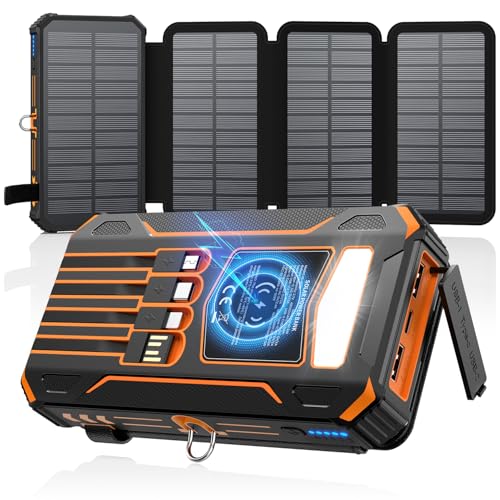
Upgraded High-Efficiency 4 Solar Panels: Equipped with 4 premium solar panels, this solar panel charger charges up to 5 times faster than standard single-panel chargers. It enables direct solar charging even in outdoor settings—keeping your devices powered with green energy anytime, anywhere.

38800mAh Massive Capacity & Durable Weatherproof Design: This solar power bank is built with heat-dissipating materials, ensuring safe and stable performance during extended use. Sealed port covers provide waterproof and dustproof protection — making this solar power charger tough enough to handle rain, dust, and rugged outdoor adventures without missing a beat.

Upgraded High-Efficiency 4 Solar Panels: Equipped with 4 premium solar panels, this solar panel charger charges up to 5 times faster than standard single-panel chargers. It enables direct solar charging even in outdoor settings—keeping your devices powered with green energy anytime, anywhere.
How Solar Chargers Work
Solar chargers typically consist of solar panels attached to a battery bank. When sunlight hits the panels, they generate direct current (DC) electricity. This electricity charges the battery, which then powers your phone or other devices. The efficiency of chargers depends on environmental conditions, like shading and angle.
Types of Solar Chargers
- Portable Solar Chargers: Compact, lightweight, and designed for outdoor use. They often feature USB ports for charging multiple devices.
- Solar Power Banks: These units store solar energy for later use. They provide a reliable power source, especially in low-light conditions.
- Solar Panels for Home Use: Usually larger installations, ideal for powering multiple devices or entire homes. They integrate with the grid for added efficiency.
Potential Effects on Phone Battery
Using a solar charger doesn’t inherently damage your phone battery. However, you should consider these factors:
- Voltage Regulation: Ensure the solar charger features built-in voltage regulation. This helps prevent overcharging, which can harm battery health.
- Temperature Levels: Excessive heat from prolonged solar exposure can affect battery life. Charge your device on a stable surface, avoiding direct sunlight around your phone.
- Charging Speed: Solar chargers may charge slower than traditional outlets. This difference can impact how quickly you can use your phone but won’t damage the battery.
- Monitor Charging Levels: Keep an eye on your device’s battery levels. Disconnect the charger once it reaches 100% to prevent any potential overcharging.
- Use Quality Chargers: Invest in a reputable solar charger with good reviews. Cheap chargers may lack necessary safeguards.
- Choose Optimal Conditions: Charge your phone in direct sunlight when possible. Avoid cloudy days or shaded areas for faster charging.
By understanding how solar power works and following these best practices, you can safely harness solar energy for your devices without risking battery damage.
Impact of Solar Power on Electronics
Using solar power to charge devices can impact electronics in various ways. Understanding the challenges can help you maintain your device’s battery health.
Recommended Products

Safety for Use - Made of eco-friendly silicone rubber and ABS PC material. CE, FCC, RoHS certified, reliable and durable. The solar battery pack is made of strong ABS material, with drop-resistant thick silicone on each corner. The charging port is also protected by a silicone cover. Drop-proof/dust-proof/water-proof design withstands the harsh environment. Do not miss this power bank if you are an outdoor enthusiast.
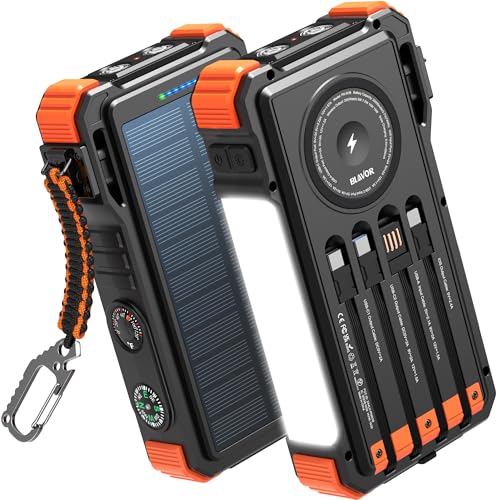
Simultaneously Charge 6 Devices: The BLAVOR solar charger is your ultimate charging solution! With its 4 built-in cables (including 2 USB-C, 1 iOS, and 1 USB-A) and 3 charging ports (USB-C, USB-A, and iOS), you can power up to 6 devices all at once. It even has a special wireless charging area for your phones and Apple Watch, making it a true multitasking marvel
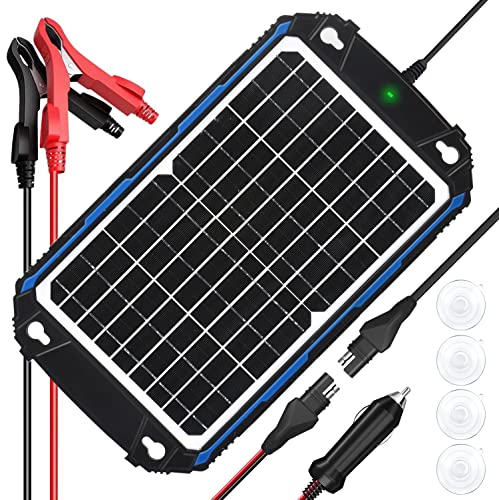
【Ultra-Smart MPPT Technology】This 12v solar panel battery charger is crafted with SUNER POWER's unique Ultra-Smart MPPT( Max Power Point Tracking) technology, the innovative MPPT allows to deliver high tracking efficiency of up to 99% and peak conversion efficiency of 98%, improving approximately 20%-30% utilization rate than other competitors
Heat Generation
Heat generation occurs during the charging process, especially with solar chargers. Excessive heat can damage phone batteries over time, leading to decreased performance and lifespan. To prevent this, ensure you’re charging in shaded areas or during cooler parts of the day.
Best Practices:
- Charge in cooler conditions.
- Use solar chargers with built-in heat management features.
- Monitor your phone’s temperature while charging.
Voltage Fluctuations
Voltage fluctuations often happen with solar chargers due to variable sunlight conditions. Such fluctuations can cause overcharging or undercharging, both of which harm battery health. To combat this, invest in a solar charger with a built-in voltage regulator.
- Choose chargers that regulate voltage.
- Avoid charging in direct sunlight during peak hours where fluctuations may be most severe.
- Consider using solar chargers with battery banks for steady power output.
By following these guidelines, you can safely use solar power without risking damage to your phone’s battery.
Analyzing Phone Battery Components
Understanding phone battery components sheds light on how solar power interacts with them. Phone batteries primarily consist of lithium-ion technology, which has specific characteristics that affect their performance and longevity.
Recommended Products
![[Upgraded] 30A Solar Charge Controller, 12V/ 24V Solar Panel Regulator with Adjustable LCD Display Dual USB Port Timer Setting PWM Auto Parameter](https://m.media-amazon.com/images/I/41opvkWthjL._SL500_.jpg)
【UPGRADED SOLAR CONTROLLER】This solar charge controller helps you manage the working of solar panels and batteries in solar systems automatically with the build-in industrial microcontroller. You don't need to reset it when the battery runs out cause it will memorize various parameters set by the user
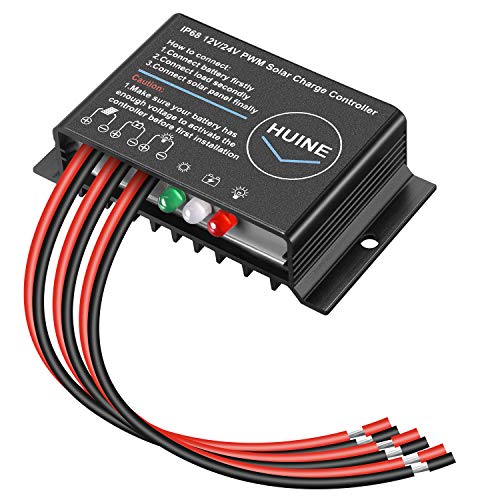
IP68 Rated Waterproof, this Intelligent 4-stage PWM solar charging controller is suitable for outdoor use,you can use it for solar fencing system, solar monitoring system, solar lighting system or other solar system.
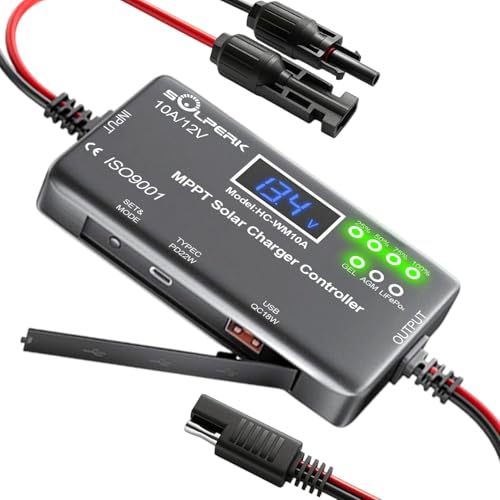
GEL, AGM, and LiFePO₄—three battery types are available. If you need lead-acid batteries, select the AGM battery type, as AGM is a type of lead-acid battery.
Lithium-Ion Batteries
Lithium-ion batteries power most smartphones today. These batteries offer high energy density, low self-discharge rates, and the ability to withstand numerous charge cycles. However, these benefits come with certain vulnerabilities.
Excessive heat can lead to battery degradation. High temperatures during solar charging can accelerate wear, potentially causing the battery to age faster. Keeping your phone cool while charging is crucial. Always check the manufacturer’s specifications for temperature limits to prevent damage.
Charging Mechanisms
Charging mechanisms in solar chargers involve converting sunlight into usable electrical energy. Solar panels generate direct current (DC) electricity, which your phone then requires for charging.
Voltage regulation plays a significant role in this process. Inefficient solar chargers might send inconsistent voltage, risking overcharging. Using a solar charger with a built-in voltage regulator can prevent these issues, ensuring your phone receives the right amount of power.
Moreover, charging speed varies with sunlight conditions. Direct sunlight increases the charging efficiency, while cloudy days reduce it. It’s essential to monitor your solar charger conditions to optimize performance. For the best results, charge during midday when sunlight is strongest but also keep an eye on the temperature to avoid heat-related damage.
Research Studies and Findings
Several studies investigate the effects of solar power on phone batteries, providing insights into their safety and efficiency.
Experimentation Results
Research indicates that solar chargers can operate effectively without damaging phone batteries. A 2021 study measured temperature changes and charging rates while using various solar chargers. Findings revealed that well-regulated chargers maintained optimal voltage levels, preventing overcharging. When charged in appropriate conditions, battery life remained stable. For example, solar chargers that included integrated voltage regulators protected devices from harmful fluctuations.
Industry Insights
Industry experts confirm that using solar chargers doesn’t inherently damage phone batteries. They stress the importance of quality chargers that incorporate temperature control and voltage regulation. Manufacturers recommend charging devices during the day when sunlight is abundant, but caution against direct exposure in peak heat. According to a recent survey from the Renewable Energy Association, 78% of consumers experienced no issues with their batteries after using solar chargers, demonstrating overall reliability in safe usage conditions.
Conclusion
Using solar power to charge your phone can be a smart and eco-friendly choice. As long as you pay attention to a few key factors like voltage regulation and temperature management, you can keep your battery safe while enjoying the convenience of solar energy.
Remember to choose quality chargers and look for features that help control heat. Charging in shaded areas or during cooler times of the day can make a big difference too. By following these simple guidelines, you can harness the sun’s energy without worrying about damaging your phone battery. So go ahead and embrace solar charging—you’ll be doing your part for the planet while keeping your device powered up.
Frequently Asked Questions
What is a solar charger, and how does it work?
A solar charger is a device that converts sunlight into electricity through photovoltaic cells. It collects solar energy and generates direct current (DC) electricity to recharge phones and other electronic devices. The setup often includes solar panels connected to a battery bank for efficient energy storage.
Can solar chargers damage phone batteries?
Using a solar charger doesn’t inherently damage phone batteries if certain precautions are taken. Ensuring proper voltage regulation, temperature management, and monitoring charging speeds are essential to prevent potential issues like overcharging or overheating.
What should I look for in a solar charger?
When choosing a solar charger, look for features like built-in voltage regulators, heat management systems, and good quality materials. These components will help ensure safe charging and protect your device from damage.
When is the best time to use a solar charger?
The best time to use a solar charger is during midday when sunlight is strongest. However, it’s important to monitor the charging temperature and avoid charging in direct sunlight during peak hours to prevent overheating.
How can I avoid overheating my phone while using a solar charger?
To avoid overheating, charge your phone in shaded areas or during cooler parts of the day. Additionally, opt for solar chargers with heat management features and disconnect the device once it’s fully charged to maintain optimal battery health.
Are there any specific temperature limits for lithium-ion batteries?
Yes, lithium-ion batteries generally have specific temperature limits. Most manufacturers recommend keeping the phone between 32°F to 95°F (0°C to 35°C) during charging. Always check your device’s specifications for precise temperature guidelines.
Do solar chargers work in cloudy weather?
While solar chargers can still generate power on cloudy days, their efficiency decreases significantly. Charging may take longer, so it’s best to use them in optimal sunlight conditions for the best results.
What studies support the safety of using solar chargers?
Research indicates that well-regulated solar chargers maintain optimal voltage levels and prevent overcharging, ensuring safe usage and stable battery life. A 2021 study and consumer surveys confirm that many users report no problems when using solar chargers correctly.
