

Are you tired of your laptop battery running out of juice just when you need it the most? Have you ever wondered if overcharging your laptop battery can damage it? If yes, then this article is for you. In this article, we’ll answer all your questions about overcharging laptop batteries and help you understand how to extend the life of your laptop battery.
Hello, in this discussion we will be addressing the question of whether or not overcharging a laptop battery can actually damage it. This is a common concern among laptop users, and there are many different opinions and theories out there. We will explore what science and experts have to say on the matter, and hopefully provide some clarity on this topic.
How Does a Laptop Battery Work?
Before we dive into the topic of overcharging, let’s first understand how a laptop battery works. A laptop battery is a rechargeable battery that powers a laptop. It consists of a series of cells that store and release energy. These cells are made up of an anode, a cathode, and an electrolyte.
When you charge your laptop battery, the charger sends an electric current to the battery, which charges the cells. When you use your laptop, the cells release the stored energy, which powers your laptop. When the battery is depleted, you need to recharge it to continue using your laptop.
Can You Overcharge a Laptop Battery?
Yes, you can overcharge a laptop battery. Most modern laptops have a built-in mechanism that prevents overcharging. This mechanism stops the charging process when the battery is fully charged. However, if you use a faulty or incompatible charger, it can overcharge the battery and cause damage.
Overcharging a laptop battery can cause long-term damage, including overheating, swelling, and even explosion. It can reduce the battery’s capacity to hold a charge and shorten its lifespan, and it can also cause the battery to leak, posing a safety hazard. To avoid overcharging, it’s important to use the charger that came with your laptop or a compatible charger, charge your laptop battery in a cool and dry place, not charge your laptop battery overnight, not let your laptop battery drain completely, and remove the charger once the battery is fully charged.
Recommended Products

Innovative Overcharge Protection: The 100% battery level displayed on mobile phones,tablets and other display-equipped products during chargingdoes not mean that the battery is fully charged. Usually, afterreaching 100% battery level, the trickle charge lasts for 10 to50 minutes before the battery is fully charged. (Note: This delayed ejection and the auditory feedback are deliberate safety features, not a defect.)

【Important Notes】*This product is not compatible with iPhones equipped with Lightning port. *If the charging separator automatically cuts off power when your iPhone battery reaches around 80%, please adjust the settings on your phone: Go to Settings > Battery > Battery Charging, then turn off the "Optimized Battery Charging" function. *The 100% battery level shown on the display does not mean the battery is fully charged. In Blue Light Mode with no operation, the power separator will automatically cut off power after 10 to 50 minutes. For other devices without a screen using Green Light Mode, the power will be disconnected after about 5 minutes.

Built for Small 12V LiFePO4 Batteries: Designed for 12V LiFePO4 batteries under 50Ah. Converts battery power to USB output for phones, tablets, and laptops, or recharges the battery at up to 3A through the USB-C port. Suitable for camping, fishing, emergency backup, and DIY solar setups. Not intended for automotive starter batteries.
Signs of Overcharging
Here are some signs that your laptop battery is overcharging:
- The battery feels hot to the touch.
- The battery swells or bulges.
- The battery takes longer than usual to charge.
- The battery drains faster than usual.
If you notice any of these signs, you should stop using your laptop and seek professional help.
How Does Overcharging Damage a Laptop Battery?
Overcharging a laptop battery can cause damage in several ways. Firstly, it can cause the battery to overheat, which can lead to swelling and even explosion. Secondly, it can reduce the battery’s capacity to hold a charge, which can shorten its lifespan. Finally, it can cause the battery to leak, which can damage the laptop and even pose a safety hazard.
Overcharging a laptop battery can damage it in several ways, such as causing it to overheat, reducing its capacity to hold a charge, and even causing it to leak or explode. To avoid overcharging a laptop battery, it is essential to use the charger that came with the laptop or a compatible one, charge it in a cool and dry place, avoid charging it overnight, not letting it drain completely, and removing the charger once the battery is fully charged.
Recommended Products

[POWER SPECS] Output Max - 65W, 19.5V 3.34A (also for 45W laptop as well), Input Range - 100 - 240V. /(DC Connecter Size: 4.5 x 3.0mm) Compatible with Dell Charger Laptop AC Adapter Power Cord

USB C Laptop charger:Watt: 65W 45W Input :100-240V 1.5A 50-60Hz Output:5V-3A or 9V-3A or 15V-3A or 20V -3.25A,Connector:USB Type-C; VJYUIJAY Laptop Charger Fast charging Compatible with More USB C laptops,For use with compatible devices only,Do not exceed the rated power,Use certified cables,and Avoid placing in enclosed, high-temperature areas

Power Source:Get fast and efficient charging with the 65w Laptop Charger USB C, featuring an input voltage of Input:AC 100-240V~1.5A 50-60Hz. Output: 5V~3A or 9V~3A or 12V~5A or 15V~4.33A or 20V~3.25A 65W/45W Compatible with USB Type C Laptop
How to Avoid Overcharging a Laptop Battery?
To avoid overcharging your laptop battery, you should follow these tips:
- Use the charger that came with your laptop or a compatible charger.
- Charge your laptop battery in a cool and dry place.
- Do not charge your laptop battery overnight.
- Do not let your laptop battery drain completely.
- Remove the charger once the battery is fully charged.
By following these tips, you can extend the life of your laptop battery and avoid overcharging it.
Recommended Products

POWER SPECS - Output Max: 19.5V 3.33A 65W (also compatible with 19.5V 2.30A 45W) Input Volt Range: 110-240V /(Blue Tip Size: 4.5 x 3.0mm) Compatible with HP Laptop Power Supply AC Adapter Charger Cord
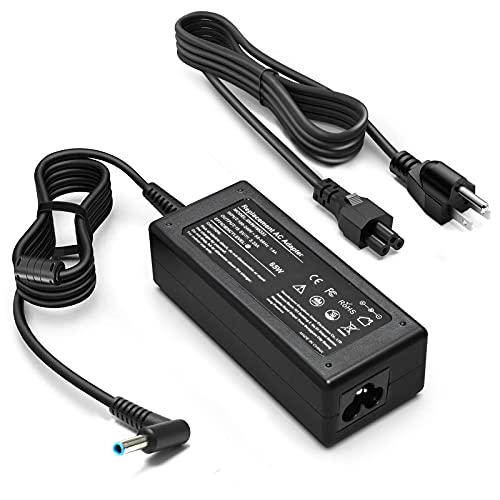
KAQIAR Adapter Compatible with HP Laptop Charger Output Max: DC 19.5V 3.33A 65W; Input: 100~240V~1.7A 50/60Hz; Connector: 4.5 mm outer diameter / 3.0 mm inner diameter blue tip.

UNIVERSAL WORLDWIDE CHARGING - This travel adapter Accepts Plugs from More than 200 Countries with US/EU/UK/AU european Plugs like Thailand, New Zealand, Israel, Italy, Rome, France, Spain, Canada, China, Australia, India, Hong Kong, Argentina, Peru, Korea, Asia, etc
What Happens When You Overcharge a Laptop Battery?
When a laptop battery is overcharged, the voltage increases beyond the battery’s capacity. This causes the electrolyte in the battery to break down and produce gas. The gas can build up pressure inside the battery, causing it to swell or bulge. In extreme cases, the battery can even explode.
Use the Charger That Came With Your Laptop or a Compatible Charger
Using a charger that is not compatible with your laptop can cause overcharging. A charger with a higher voltage or current rating can force more power into the battery than it can handle. This can cause the battery to overheat and damage the cells. Similarly, using a charger with a lower voltage or current rating can undercharge the battery, which can reduce its lifespan.
Charge Your Laptop Battery in a Cool and Dry Place
Heat is the enemy of laptop batteries. Charging your laptop battery in a hot and humid place can cause it to overheat and damage the cells. Therefore, you should charge your laptop battery in a cool and dry place. If you use your laptop in a hot and humid environment, you should take breaks and let it cool down before charging the battery.
Do Not Charge Your Laptop Battery Overnight
Leaving your laptop battery plugged in overnight can cause overcharging. Even if your laptop has a built-in mechanism to prevent overcharging, leaving it plugged in for too long can damage the cells. Therefore, you should unplug your laptop once the battery is fully charged.
Do Not Let Your Laptop Battery Drain Completely
Allowing your laptop battery to drain completely can reduce its lifespan. When the battery is depleted, it can cause the cells to become unstable, which can lead to overcharging. Therefore, you should charge your laptop battery before it reaches the critical level.
Remove the Charger Once the Battery is Fully Charged
Leaving the charger plugged in once the battery is fully charged can cause overcharging. Therefore, you should remove the charger once the battery is fully charged. This will prevent the charger from forcing more power into the battery than it can handle.
FAQs for Does Overcharging a Laptop Battery Damage It
What does it mean to overcharge a laptop battery?
Overcharging a laptop battery means keeping the battery connected to the charger when it is already fully charged. This is like pouring water into a glass that is already full – there is simply no more room for the water to go. In the case of a battery, overcharging can cause excess heat and pressure, which can damage the battery cells and reduce their capacity over time.
Is it possible to overcharge a laptop battery?
Yes, overcharging a laptop battery is possible. Most modern laptops are equipped with circuits that prevent overcharging and will stop charging the battery once it reaches 100%. However, older laptops or faulty chargers may not have this protection, which can lead to overcharging if left connected for extended periods.
How does overcharging affect the performance of a laptop battery?
Overcharging a laptop battery can have several negative effects on its performance. First, it can cause the battery cells to degrade faster than normal, reducing their overall capacity and lifespan. Second, it can increase the internal temperature of the battery, which can lead to swelling, leakage, or even a fire in extreme cases.
Can overcharging a laptop battery cause it to explode?
While it is rare for a laptop battery to explode due to overcharging, it is a possibility. The excess heat and pressure generated by prolonged overcharging can cause the battery cells to rupture, leak, or ignite – which can result in a dangerous explosion or fire. Therefore, it is essential to avoid overcharging your laptop battery and to always use the correct charger for your laptop.
How can I prevent overcharging my laptop battery?
The best way to prevent overcharging your laptop battery is to keep an eye on its charging status and disconnect the charger once it reaches 100%. Most laptops will display a notification or change the color of the charging LED to indicate when the battery is full. Additionally, make sure to use only the charger that came with your laptop or a compatible replacement from a reputable manufacturer. Finally, avoid leaving your laptop plugged in for extended periods, such as overnight or when you are not using it.
