

Ever wondered why your car seems to struggle a bit more on those chilly mornings? Picture this: you’re running late, the temperature has dropped overnight, and your car just won’t start. Could cold weather be the culprit behind your car battery blues? In this article, we’ll dive into the impact of cold temperatures on your car battery and how you can keep it running smoothly all winter long.
You’re not alone in facing the frustration of a sluggish car battery when the mercury dips. Understanding how cold weather affects your car battery is key to avoiding those dreaded moments of being stranded in the cold. Stay tuned to discover practical tips and tricks to ensure your car battery stays strong and reliable, no matter how low the temperature drops.
How Does Cold Weather Affect Car Batteries?
In cold weather, car batteries have less capacity. This means they have trouble providing enough power to start your car.
Chemical reactions in the battery slow down in low temperatures, making it harder for the battery to function properly.
If your battery is old or weak, cold weather can magnify the issue, leading to starting problems.
Tip: To help combat this, consider using a battery warmer in extreme cold conditions to keep your battery performing optimally.
| Cold Weather Effects on Car Batteries | |
|---|---|
| Reduced Capacity | Less power for starting |
| Slow Chemical Reactions | Difficulty functioning |
| Exacerbates Weak Batteries | Increased starting issues |
Recommended Products
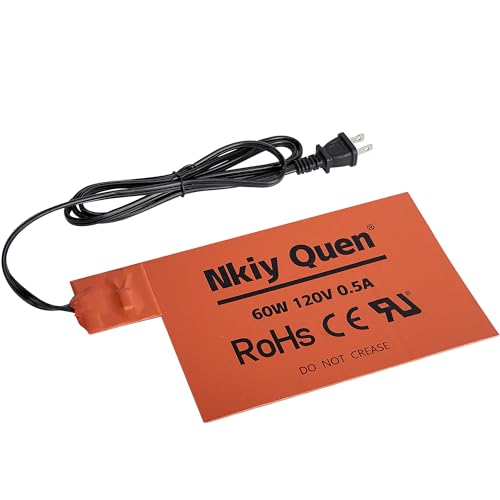
Efficient Heating:Features built-in precision heating wires that quickly generate uniform heat, directly acting on the bottom of the battery to effectively enhance battery activity in low-temperature environments, ensuring stable cold start current and preventing vehicle start-up difficulties caused by severe cold weather.

All-Around Daily Heated Gloves: Built as everyday winter gloves for commuting, walking, dog walking, snow shoveling, and cold-weather errands. A unisex design makes them an easy choice for broad daily winter use.

Car Battery Preserve: car batteries are highly susceptible to extreme heat and cold weather, as well as engine vibrations, which can lead to premature failure and hazardous leaks; the automotive battery blanket is designed with high-performance materials that are wear-withstand, heat-withstand, and highly vibration-withstand; its excellent flexibility allows for a snug and comprehensive wrap, ensuring optimal preserve for your battery
Reasons Behind Car Battery Performance in Cold Weather
When the temperature drops, your car’s battery faces challenges that can impact its performance. Here are the main reasons behind car battery issues in cold weather:
- Reduced Capacity: Cold weather can decrease your battery’s capacity, making it harder to start your car.
- Slower Reactions: Chemical reactions in the battery slow down in the cold, affecting its ability to provide power.
- Older Batteries: If you have an old or weak battery, cold weather can exacerbate existing issues.
To combat these challenges and ensure your car starts smoothly in cold weather, consider using a battery warmer to maintain optimal battery performance.
Symptoms of a Weak Car Battery in Cold Temperatures
When the temperature drops, your car’s battery can show signs of struggling. Here are common symptoms of a weak car battery in cold weather:
- Slow Cranking: You might notice that the engine turns over slowly when you try to start your car.
- Dimming Lights: The headlights and interior lights may appear dimmer than usual.
- Electrical Issues: Your power windows, radio, or other electrical components may not work properly.
Addressing these symptoms promptly can help avoid getting stranded in the cold.
Recommended Products
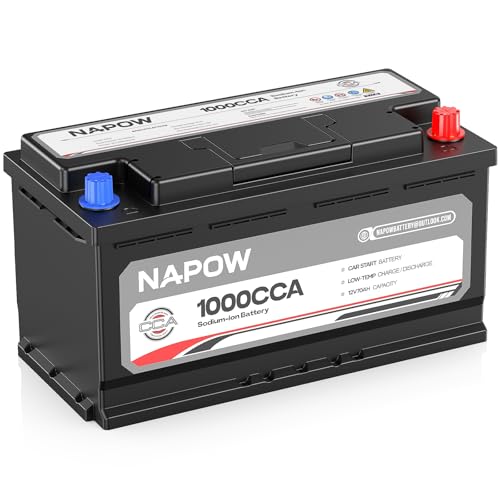
【Powerful Performance】: With an 1000CCA (Cold Cranking Amps) rating, this 12V 70Ah sodium-ion car battery provides reliable and instant starting power, even in the most demanding conditions. Outperforms lead-acid batteries by 30% in sub-zero cranking, ensuring your engine fires up quickly—even at -40°C.

BATTERY SPECS: 12-Volt, 800 Cold Cranking Amps, Size: 10.06" Long x 7.31" Wide x 7.25" Tall, Weight: 39.54 pounds, GM Style Side Terminals, C20 Capacity: 50 AH

【Powerful Performance】: With an 550 CCA (Cold Cranking Amps) rating, this 12V 50Ah sodium-ion car battery provides reliable and instant starting power, even in the most demanding conditions. Outperforms lead-acid batteries by 30% in sub-zero cranking, ensuring your engine fires up quickly—even at -40°C.
Tips to Maintain Your Car Battery During Winter
As you navigate the cold winter months, it’s essential to pay extra attention to your car battery to ensure smooth starting every time you hit the road. Here are some practical tips to keep your battery in top condition during winter:
- Park Indoors: If possible, park your car in a garage to shield it from the harsh cold temperatures. This helps maintain a relatively warmer environment for your battery.
- Regularly Check Battery Connections: Ensure the battery terminals are clean and securely connected to prevent any disruptions in power flow to your vehicle.
- Drive Regularly: Taking your car for short drives helps keep the battery charged and active, reducing the chances of it losing power in the cold.
- Use a Battery Charger: Consider investing in a battery charger to keep your battery fully charged, especially if your vehicle sits idle for extended periods.
- Insulate Your Battery: If you’re unable to park indoors, insulate the battery with a thermal blanket or cover to maintain a stable temperature around it.
| Key Point | Details |
|---|---|
| Park Indoors | Maintain a warmer environment. |
| Regularly Check Battery Connections | Ensure clean and secure terminals. |
| Drive Regularly | Keep the battery charged. |
| Use a Battery Charger | Maintain full battery charge. |
| Insulate Your Battery | Thermal cover for temperature control. |
Conclusion
Maintaining your car battery during cold weather is crucial to ensure it performs optimally. By following simple tips like parking indoors, checking connections, driving regularly, using a battery charger, and insulating with a thermal blanket, you can prevent power loss and extend the life of your battery. Remember, a little care goes a long way in keeping your car running smoothly during winter.
Frequently Asked Questions
How can I maintain my car battery during winter?
During winter, maintain your car battery by parking indoors, checking battery connections, driving regularly, using a battery charger, and insulating with a thermal blanket. These practices help retain optimal battery performance in cold weather.
Why is it important to park indoors during winter for the car battery?
Parking indoors during winter helps keep the battery in a warmer environment, preventing power loss due to extreme cold temperatures. It can prolong battery life and ensure reliable performance during the cold season.
How often should I check my car battery connections?
Regularly check your car battery connections for cleanliness and secure attachment. Ideally, inspect them every month or before the onset of winter to prevent corrosion, ensure proper contact, and maintain efficient battery function.
Can I use a thermal blanket to insulate the car battery?
Yes, you can use a thermal blanket to insulate the car battery, especially if indoor parking is not possible during winter. This extra layer of insulation helps retain heat around the battery, preventing power drain and ensuring better performance in cold temperatures.
