

Have you ever wondered if solar lanterns really need batteries? You’re not alone. Many people are curious about how these eco-friendly lights work and whether they can rely solely on sunlight to function.
Imagine you’re planning a camping trip or a backyard gathering and want to light up the night without relying on traditional power sources. Understanding the role of batteries in solar lanterns can help you make informed choices about your lighting options.
This article will clarify whether solar lanterns require batteries and explore their benefits. You’ll learn how to maximize their use and ensure you’re prepared for your next outdoor adventure.
Key Takeaways
- Batteries Are Essential: Solar lanterns require batteries to store the solar energy collected during the day for nighttime use, making them vital for functionality after sunset.
- Types of Batteries Matter: Lithium-ion batteries are preferable due to their quick charging times and extended life compared to older nickel-cadmium battery types.
- Brightness is Key: When choosing a solar lantern, consider its brightness measured in lumens; 100-200 lumens is suitable for casual use, while over 300 lumens is better for larger areas.
- Optimize Charging Conditions: Place solar lanterns in direct sunlight during the day to ensure they charge effectively, avoiding shaded areas that can hinder performance.
- Maintenance is Crucial: Regularly clean the solar panels and check battery connections to maximize efficiency and ensure consistent illumination.
- Explore Additional Features: Look for lanterns with unique functionalities, such as USB charging ports or adjustable brightness settings, to enhance your outdoor experience.
Overview of Solar Lanterns
Solar lanterns provide efficient lighting options for outdoor activities. These lanterns harness solar energy through built-in solar panels, converting sunlight into electricity. This feature makes them appealing for eco-friendly lighting solutions, particularly for camping, hiking, or garden parties.
Solar lanterns usually contain rechargeable batteries. These batteries store the solar energy gathered during the day, allowing the lanterns to function at night. Some models use integrated batteries, while others allow for replacements. The battery type influences performance; lithium-ion batteries often offer longer lifespans and faster charging times compared to older nickel-cadmium batteries.
When selecting a solar lantern, consider its brightness measured in lumens. For example, lanterns emitting 50 to 150 lumens suit reading or socializing. Those producing over 300 lumens provide ample light for cooking or intricate tasks.
Investing in solar lanterns can reduce energy costs and lower your carbon footprint. Regular maintenance like cleaning solar panels ensures optimal performance. Avoid placing the lantern in shaded areas to maximize sunlight exposure.
If your lantern includes a battery compartment, check connections periodically. Loose or corroded connections may reduce efficiency. For best results, replace batteries as needed to ensure consistent illumination when you need it most.
How Solar Lanterns Work
Solar lanterns operate by utilizing solar energy. They capture sunlight through built-in solar panels, converting it into electricity. This process allows you to enjoy portable, renewable lighting during nighttime activities.
Recommended Products

HYBRID-POWERED LED LANTERN: One Energizer Hybrid Solar Lantern, with the flexibility to run on 3 AA batteries or the solar-powered rechargeable Lithium-Ion battery
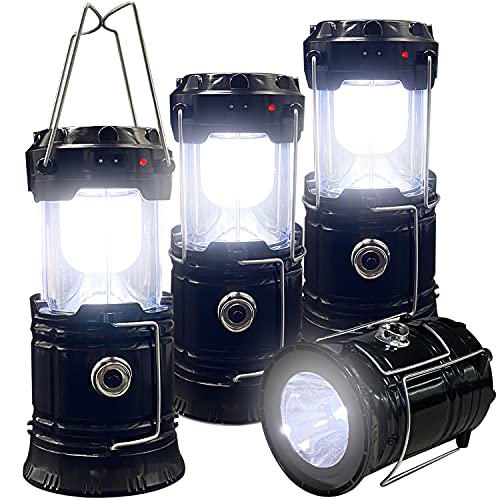
【360° Lighting Coverage】Adopts 6+1 high-intensity LED chips, energy efficient/with wide range of visibility. Doubles as both a lantern & as a flashlight, adjust the brightness by how high up you pull up the lantern, providing tons of light at full open, easily light up an entire room.

【5000mAh/3.85V/19.25WH】 USB rechargeable led camping light for outdoor activities, using small size, light weight, high energy polymer lithium-ion batteries, safe and reliable, easy to carry outside.
Solar Panels
Solar panels play a crucial role in solar lantern functionality. These panels contain photovoltaic cells, which absorb sunlight. When sunlight hits the cells, a chemical reaction generates direct current (DC) electricity. Position your lantern where sunlight is abundant during the day for optimal efficiency. For example, placing it outdoors in an open area ensures it charges effectively, maximizing usage at night.
Energy Storage
Energy storage occurs in rechargeable batteries within solar lanterns. Common battery types include lithium-ion and nickel-cadmium. Lithium-ion batteries charge quickly and provide longer usage, making them ideal for most users. When fully charged, these batteries store electricity to power the lantern after dark. Check your lantern’s specifications for battery type and capacity, as this affects brightness and usage time. If you consistently face charging issues, inspect the solar panels for dirt or debris, which can hinder performance.
Do Solar Lanterns Need Batteries?
Yes, solar lanterns need batteries to store energy for use after the sun sets. These batteries play a crucial role in night-time functionality, allowing you to enjoy light whenever you need it.
Benefits of Using Batteries
- Energy Storage: Batteries store solar energy collected during the day, ensuring you have a light source at night.
- Rechargeability: Most solar lanterns utilize rechargeable batteries, reducing waste and minimizing your carbon footprint.
- Variety of Types: Lithium-ion batteries typically provide longer usage times and quicker charging compared to nickel-cadmium options.
- Consistent Brightness: High-quality batteries maintain brightness levels over their discharge cycle, ensuring reliable illumination.
- Ease of Replacement: If a battery loses efficiency, you can easily replace it, prolonging the life of your solar lantern.
- Solar Hybrid Systems: Some lanterns combine solar power with alternative energy sources, like hand-cranked or USB charging, providing flexibility and convenience.
- Direct Solar Use: Certain solar lanterns use real-time solar conversion without batteries, designed for temporary use during the day. These lanterns may not be suitable for all situations but serve well during sunny events.
- Portable Solar Panels: Portable solar panels can charge batteries directly from sunlight, allowing you to recharge your devices remotely without relying solely on built-in batteries.
Understanding how batteries work with solar lanterns can improve your outdoor lighting experience. Choose options that fit your needs, ensuring optimal performance and usage.
Choosing the Right Solar Lantern
Selecting the right solar lantern depends on various factors to fit your needs and preferences. Consider the following aspects for an optimal choice.
Recommended Products
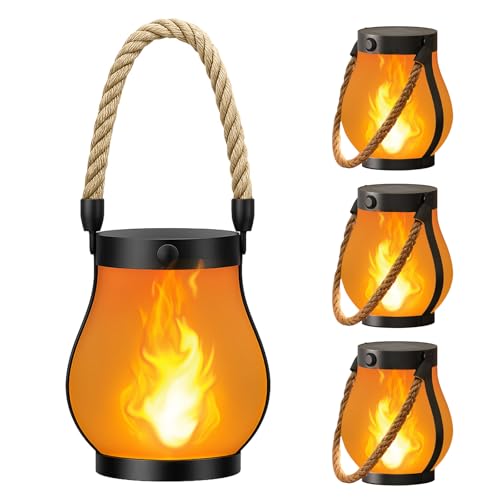
【Ultra-Real Flame】 We spent 5 years perfecting the 2nd generation of flame lights, driven by a vision to create the most lifelike flame effect possible. Every step was fueled by our dedication and passion, resulting in a product that truly brings the warmth and beauty of real flames to any space, please see the video. [Patent No.: US 11,435,043]
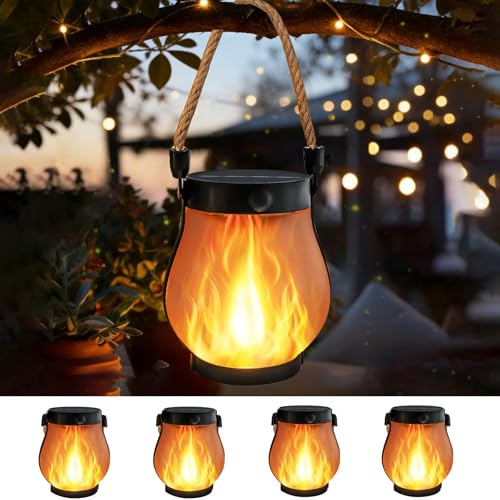
Dancing Flame Design with Semi-Frosted Lampshade & Hemp Rope Handle: This solar flame lantern simulates a real orange flame with a lively, flickering effect.The semi-frosted lampshade softens the light, while the hemp rope handle adds a rustic decorative touch, together creating a warm and inviting atmosphere—perfect for patios, gardens, pathways, and outdoor gatherings.
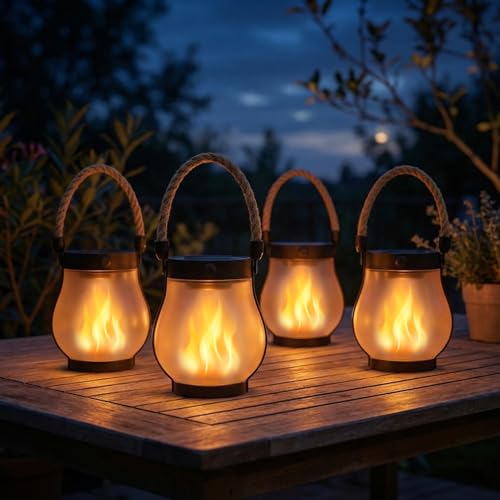
FLAME-STYLE OUTDOOR GLOW - These outdoor lanterns bring a warm flame-effect look to patios, porches, and garden corners. Choose between steady on and flame flicker to match everyday decor or evening gatherings, giving your space a more inviting feel than ordinary static lighting
Key Features to Consider
- Brightness Levels: Look for lumens. For casual camping, 100-200 lumens suffices. For more extensive area lighting or outdoor events, choose lanterns with 300+ lumens.
- Battery Type: Prioritize lithium-ion batteries. They charge faster and last longer compared to nickel-cadmium batteries. Check the battery capacity in milliampere-hours (mAh) for better performance.
- Charging Time: Assess how long it takes to fully charge. Most solar lanterns should charge in 6-8 hours under direct sunlight.
- Durability: Aim for weather-resistant materials. Look for IP ratings that indicate water and dust resistance for reliability in various conditions.
- Size and Weight: Choose based on portability. Compact models weigh between 1-2 pounds, ideal for hiking, while larger models suit stationary use.
- Additional Features: Identify extra functionalities like USB ports for device charging, multiple brightness settings, or built-in handles for easy carrying.
- LuminAID: Known for inflatable solar lanterns, LuminAID models are lightweight, waterproof, and come with multiple brightness settings.
- Goal Zero: Their Crush Light offers a blend of portability and durability. It provides adjustable brightness and collapses flat for easy storage.
- Ansmann: The Ansmann Solar Lantern stands out for its rechargeable battery and solid build quality, designed for prolonged outdoor use.
- Renogy: Renogy products feature high-efficiency solar panels and robust battery systems, focusing on sustainable power solutions for camping.
- MPOWERD: Their Luci Outdoor model offers a solar lantern that is flexible, waterproof, and features a built-in battery for longer-lasting light.
By carefully considering these features and popular options, you can select a solar lantern that meets your outdoor lighting needs effectively.
Conclusion
Choosing the right solar lantern can make a world of difference for your outdoor adventures. Remember that batteries play a key role in storing energy so you can enjoy bright light when the sun goes down.
By understanding the types of batteries available and how they affect performance you can make an informed choice that fits your needs. Whether you’re camping or hosting a backyard gathering a reliable solar lantern can enhance your experience while being kind to the environment.
So go ahead and explore the options out there. With a little knowledge you’re all set to light up your nights sustainably.
Frequently Asked Questions
Do solar lanterns need batteries?
Yes, solar lanterns need batteries to store the energy they generate during the day. These batteries ensure that the lantern can provide light at night when sunlight is not available.
What types of batteries are used in solar lanterns?
Most solar lanterns use rechargeable batteries, commonly lithium-ion or nickel-cadmium. Lithium-ion batteries are preferred for their longer lifespan and faster charging capabilities.
How do solar lanterns generate power?
Solar lanterns generate power through built-in solar panels that convert sunlight into electricity. This energy is then stored in the batteries for later use.
How can I maximize the performance of my solar lantern?
To maximize your solar lantern’s performance, place it in direct sunlight for charging, regularly clean the solar panels, and check battery connections to ensure optimal functionality.
What features should I consider when buying a solar lantern?
When purchasing a solar lantern, consider brightness levels (lumens), battery type, charging time, durability, size, weight, and additional functionalities that might suit your needs.
