

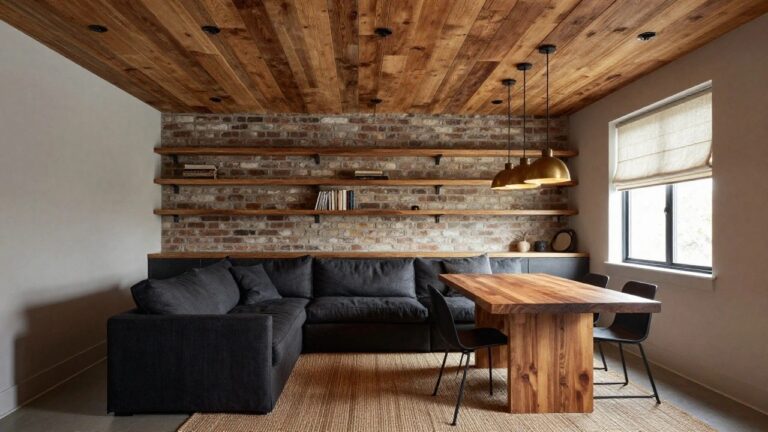
Basements tend to feel unfinished because of those exposed ceilings that make everything below seem cramped and dim.
I put off dealing with mine for too long, assuming a coat of paint would do the trick, but better lighting up top transformed how the room flows day to day.
People spot that ceiling first when they come down, and it sets the tone for whether the space feels usable or half-done.
Creative lighting pulls it all together without needing major changes to the structure.
One idea in particular has me planning a simple swap in my own setup this weekend.
Exposed Beams with Pendant Lights
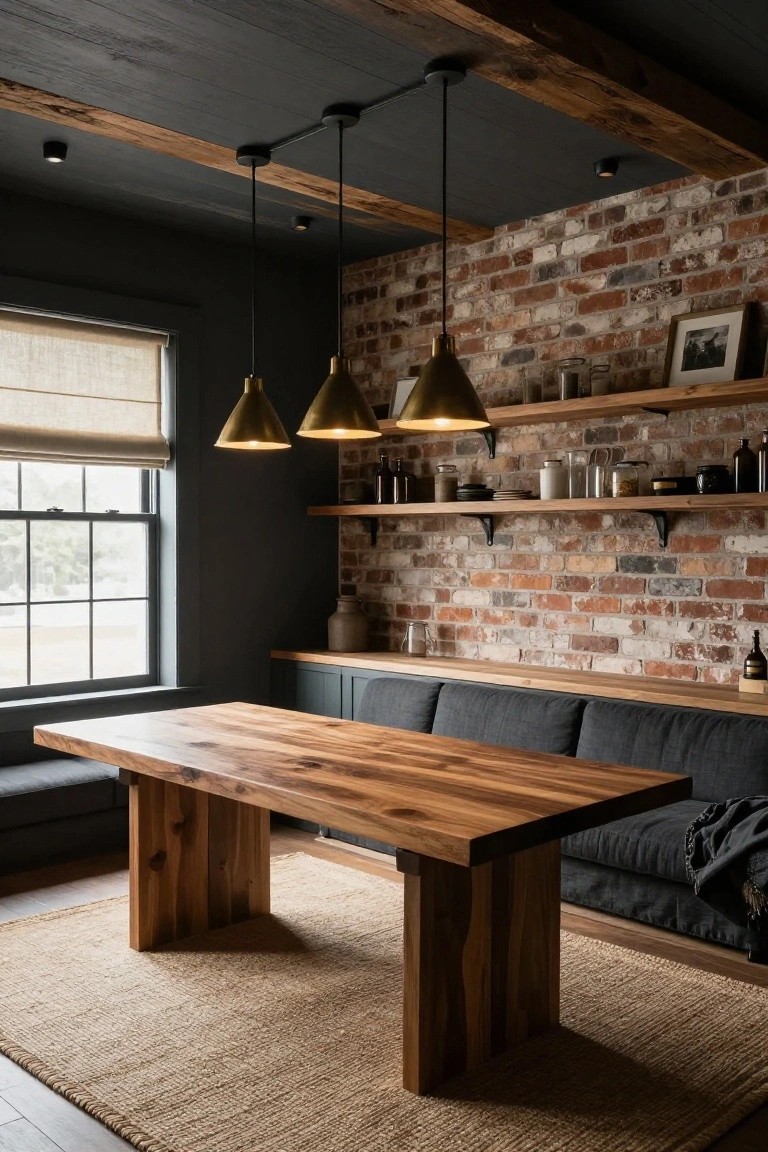
Dark painted wood beams stretch across this basement ceiling, holding three simple gold pendants right over the dining table. Paired with a few recessed spots, they add just enough light without overwhelming the room. The setup draws attention upward and makes the space feel complete instead of raw.
This works well in basements with some height or an industrial edge. Keep the pendants low over the table for good task light, and space them evenly. It suits casual dining spots… just make sure the wiring blends into those beams.
Starry Fiber Optic Ceiling Lights
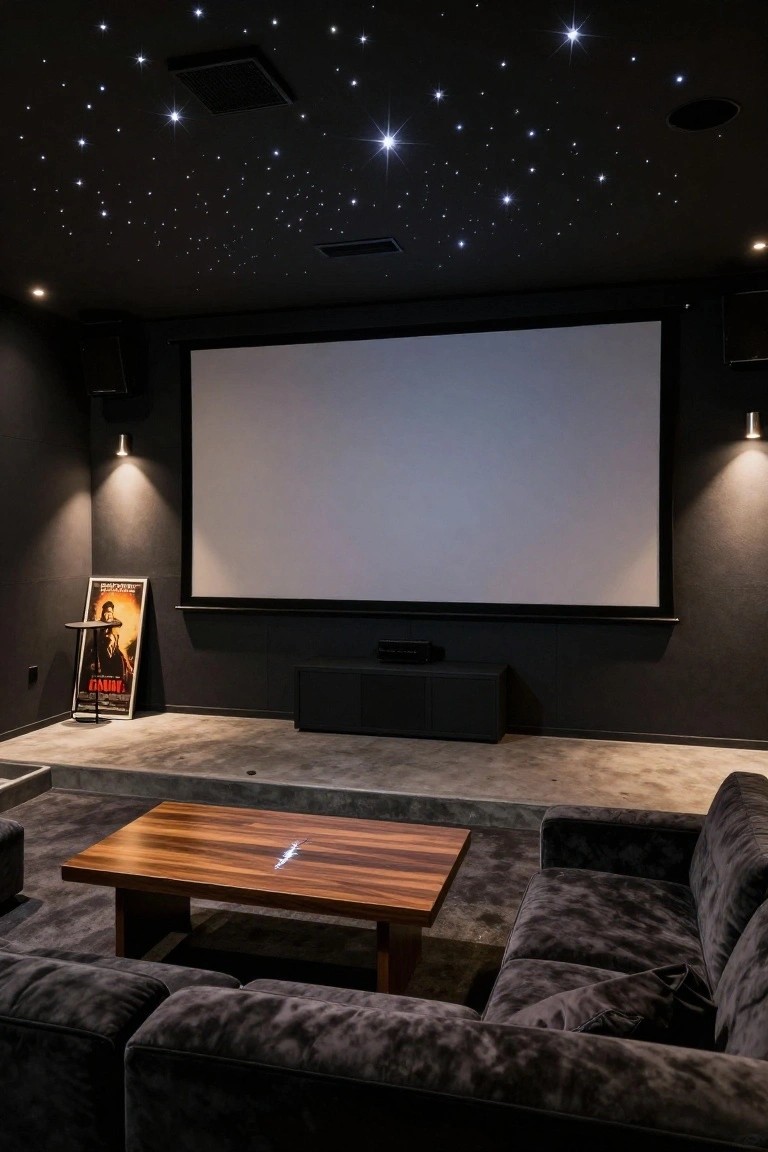
Tiny fiber optic lights scattered across a dark ceiling mimic a starry night sky. They add a fun, immersive touch to basement spaces like this home theater. The soft glow pairs well with black walls and pulls focus up, making the room feel taller and more like a real cinema.
This works great in media rooms or family hangouts where you want low-key magic. Install recessed kits during a ceiling redo, and wire them to dim with your lights or projector. It suits finished basements… just test the brightness so stars don’t compete with the screen.
Recessed Lighting in Plank Ceilings
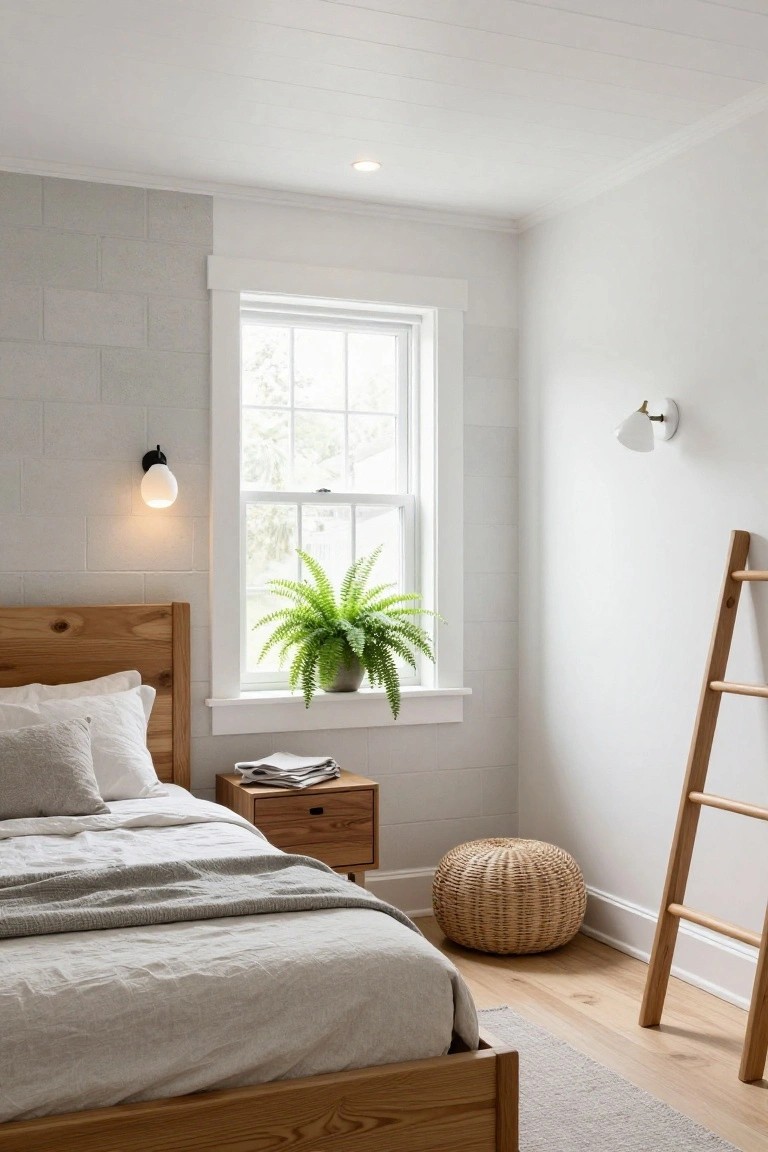
A simple recessed light tucked into a white plank ceiling can make a basement room feel more complete without taking up headroom. In this bedroom setup, that one soft glow up top works quietly alongside wall sconces, keeping things even and easy on the eyes. It pulls focus upward too, so the space doesn’t feel closed in.
This setup fits low-ceiling basements best, especially where you want light without fixtures hanging down. Go for warm bulbs to match wood tones around the room, like the oak floors and bed frame here. Just space them every few feet if you add more, and pair with task lights nearby to avoid shadows.
Linear LED Lights in Exposed Beams
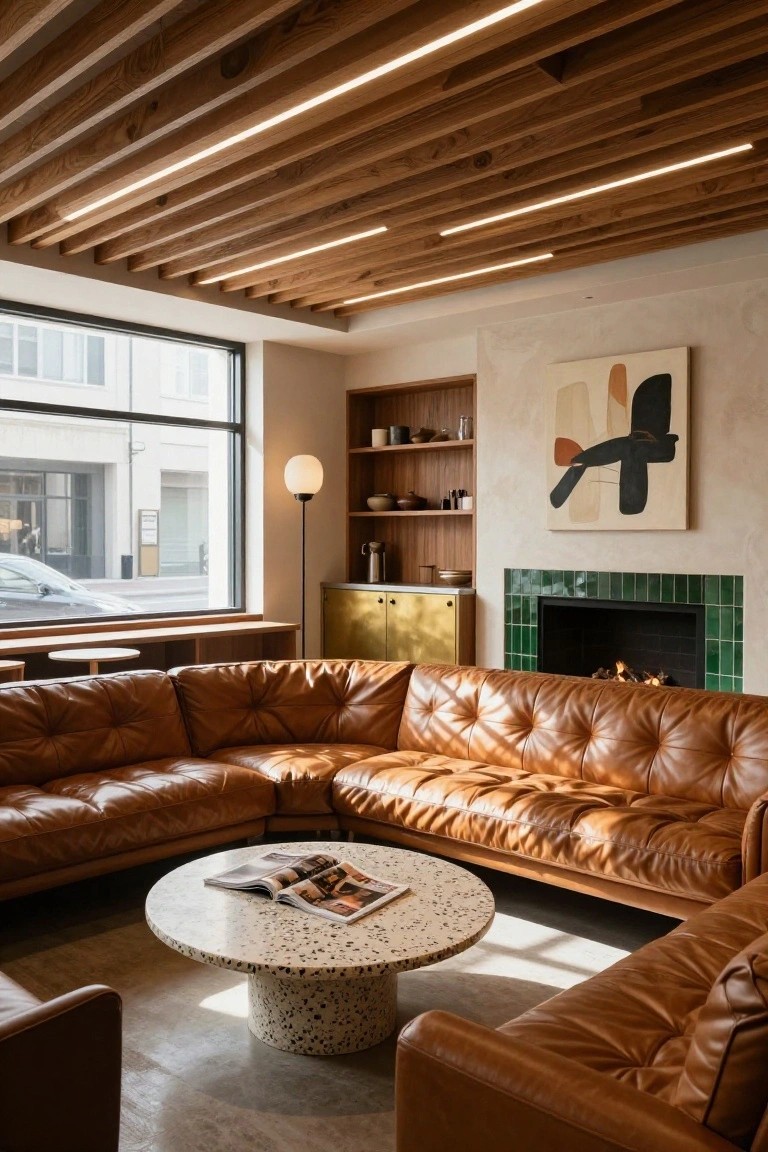
One simple way to finish off a basement ceiling is to run slim LED strips right into the grooves of exposed wooden beams. The soft glow picks up the wood grain without overwhelming the space. It feels intentional, like the lighting was part of the build from the start.
This works best in open lounges or family rooms where you want a warm, layered look. Tuck the strips into beams nine feet or higher to avoid glare. Pair with natural light from windows… it suits homes with a rustic edge but keeps things modern and easy to control with dimmers.
Pendant Lighting Over Game Tables
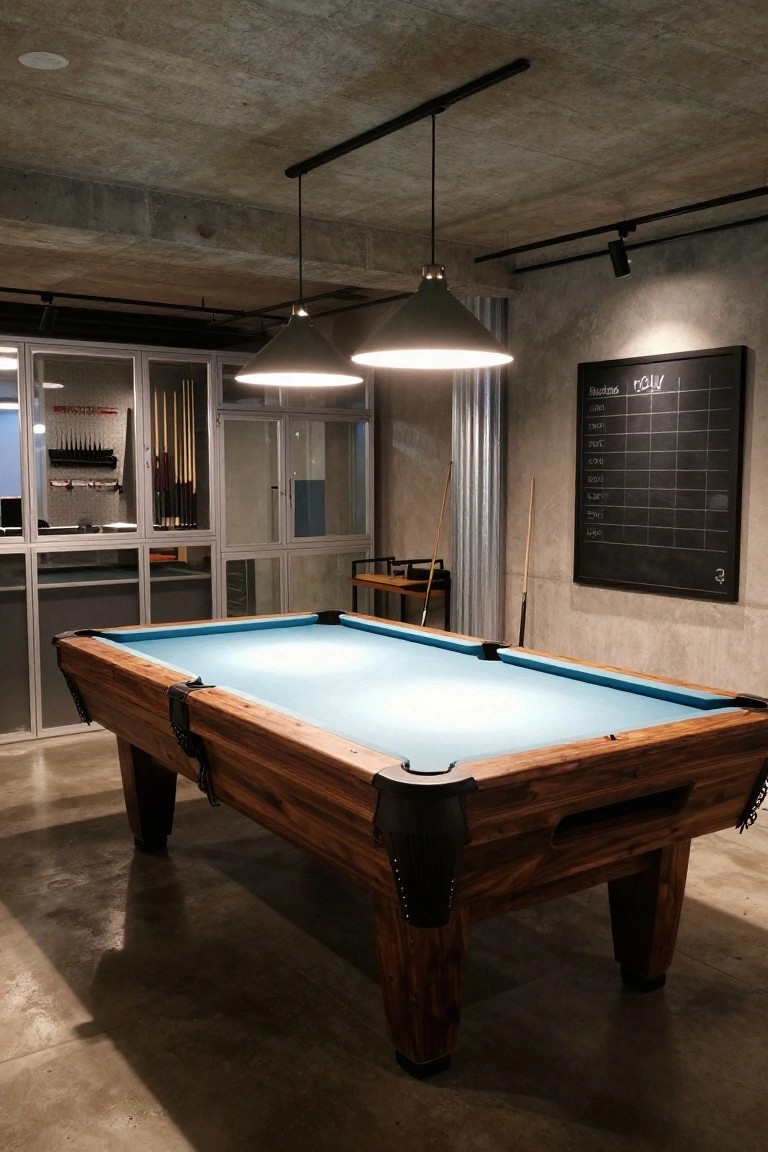
Large black conical pendants hang right over the pool table in this basement setup. They pull light down to where the action is, making the raw concrete ceiling feel less like a work-in-progress. The track spots tucked along the edges add just enough fill without overwhelming the space.
This works best in rec rooms or casual hangouts where you want focused glow for playing pool or cards. Keep the pendants low enough for good task light, maybe 30 to 36 inches above the table. It suits open industrial basements… pair with simple cues and a chalkboard for that easy vibe.
Simple Flush-Mount Ceiling Lights
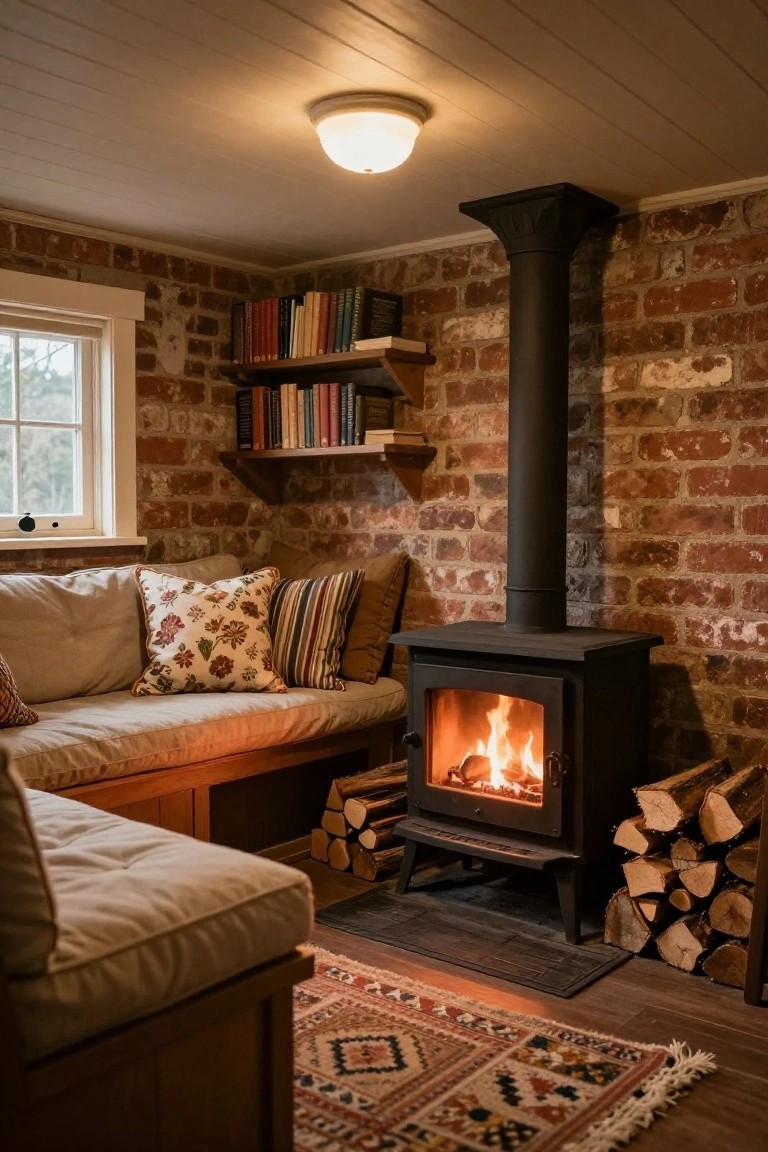
In a basement like this one, with its low wood-paneled ceiling and brick walls, a plain white globe light mounted right up against the beams does the job nicely. It throws a soft, even glow over the wood stove and seating area. Nothing fancy. Just enough light to make the space feel finished and livable.
These fixtures suit tight basement ceilings best, where you can’t have anything dangling. Pick one with a frosted glass shade and warm bulbs. They fit right in with rustic setups… easy to wire up yourself if you’re handy. Avoid bright LEDs down there. They’ll wash out the cozy mood.
Recessed LED Ceiling Outline
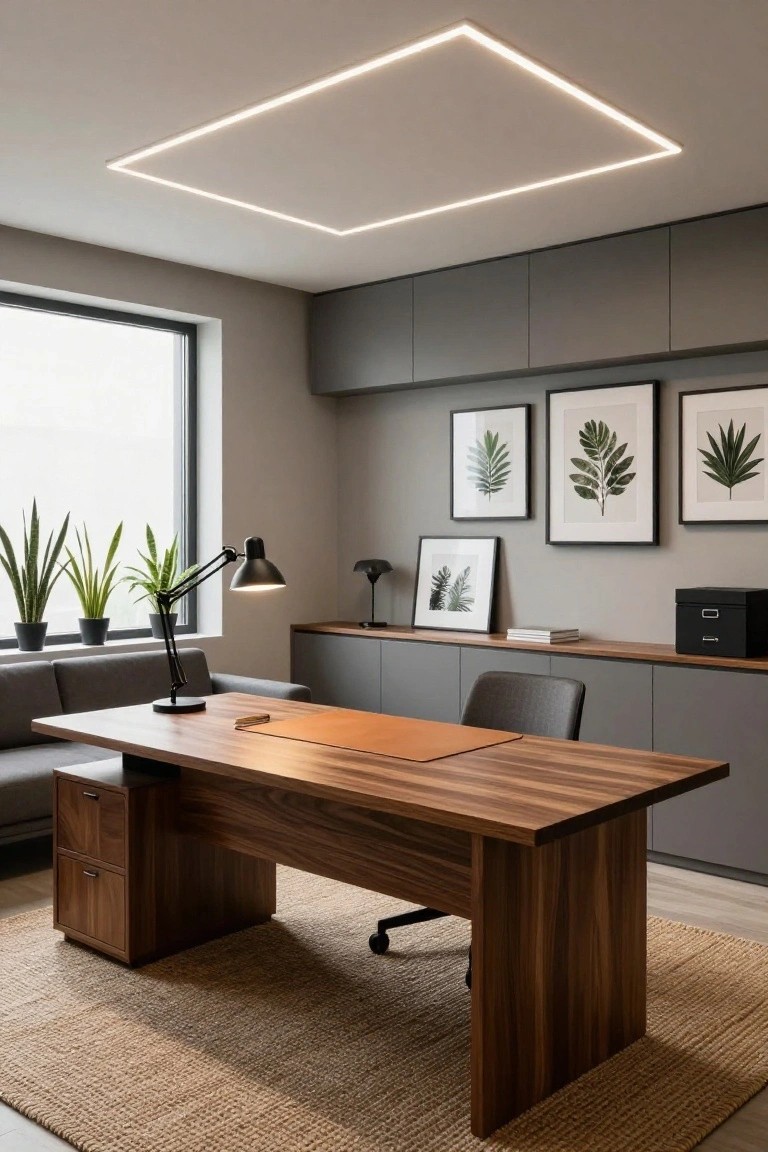
A recessed LED strip running along the ceiling perimeter is a straightforward way to add polish to a basement. Here it forms a simple square frame that washes soft light across the space. It keeps the look clean and modern without any bulky fixtures getting in the way.
This setup suits home offices or work nooks in basements with standard heights. Install it flush for even glow and pair with warmer wood tones below like the desk in this room. Skip it if your ceiling has too many pipes or ducts to hide.
Hanging Bulbs from Exposed Beams
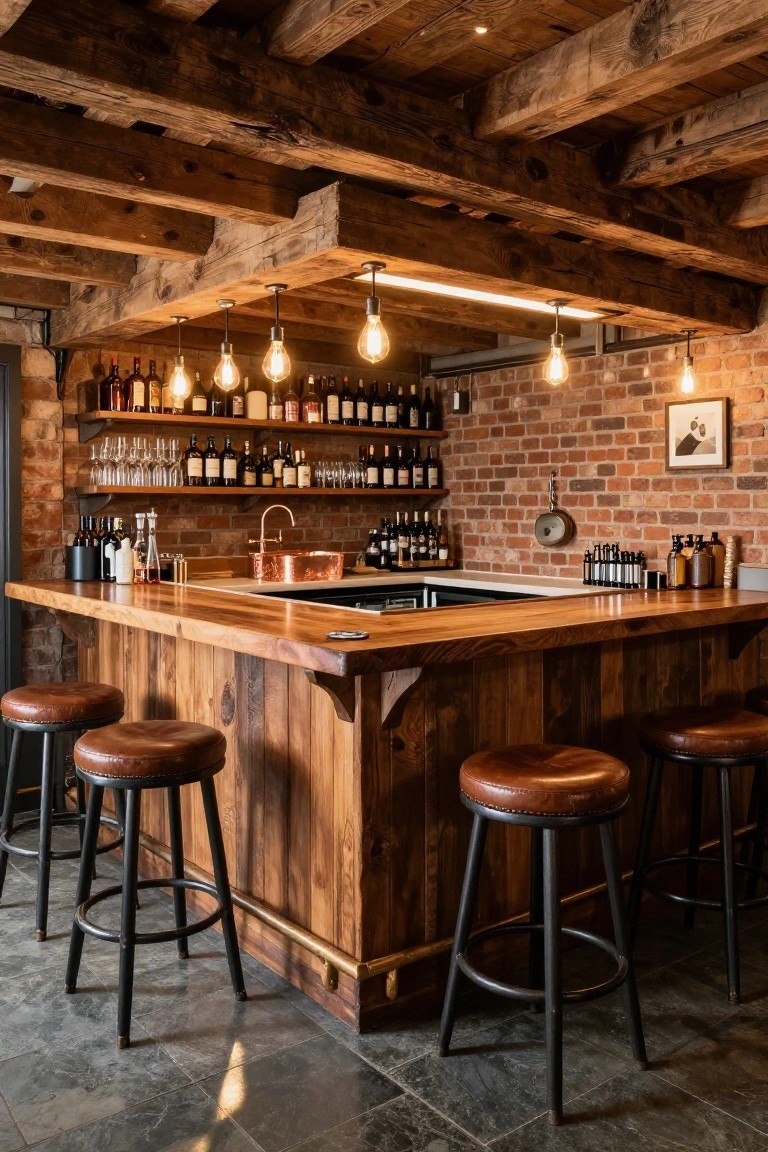
Those old wooden beams up top don’t need covering. Just hang a few Edison-style bulbs from them, like in this bar setup, and the ceiling pulls the whole room together. The light spills warm and even, making the basement feel lived-in right away instead of raw.
This works best in casual spots like a home bar or game room where you want some character. Pick bulbs that match your wall finish, say brick or stone, and keep the cords simple. It suits older homes with that rustic vibe… or any basement you’re finishing on a budget.
Simple Recessed Ceiling Lights for Basement Glow
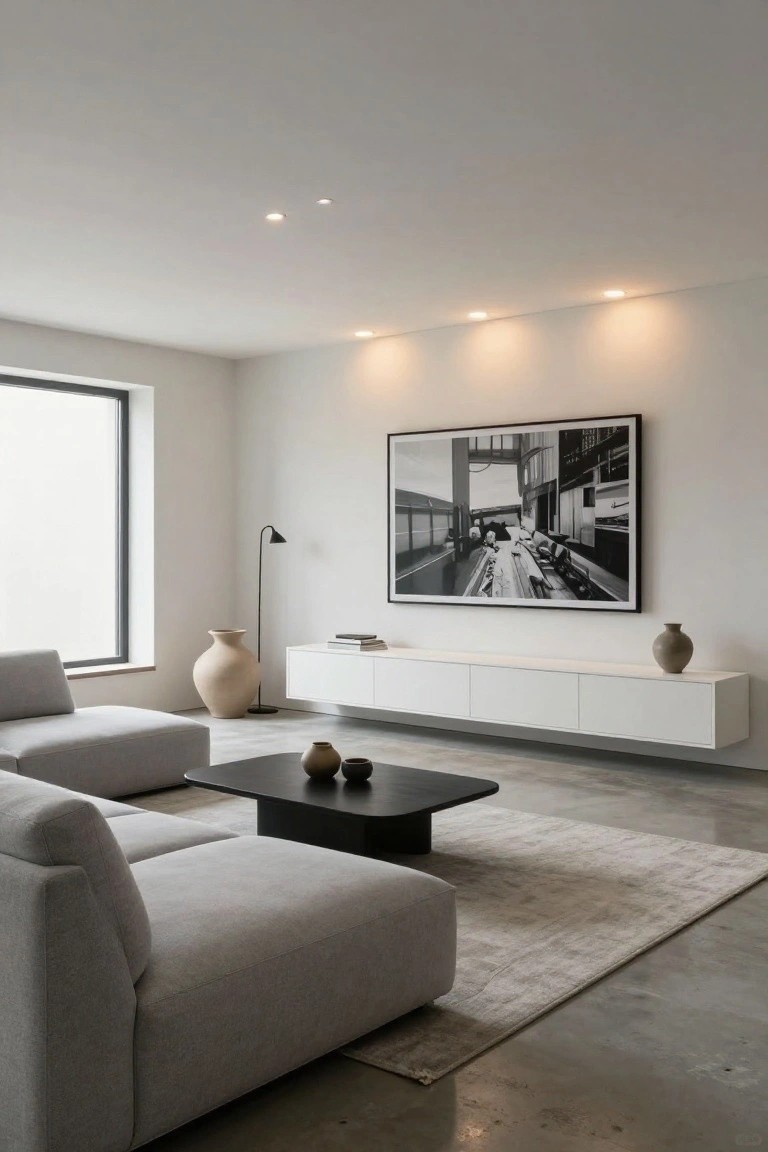
Recessed ceiling lights like these do a nice job of spreading light evenly in a basement living room. You see a few spots tucked into the ceiling, casting a soft glow over the sofa, coffee table, and that big black-and-white photo on the wall. They keep things feeling open and finished, especially with polished concrete floors that can sometimes look a bit cold under wrong lighting.
Put them in along walls or in a loose grid pattern for the best spread. They suit modern or minimalist basements best, where you want light without fixtures hanging down. Just watch the placement so no spot shines right in eyes when you’re sitting… add a floor lamp nearby for reading spots.
Soft LED Perimeter Lighting
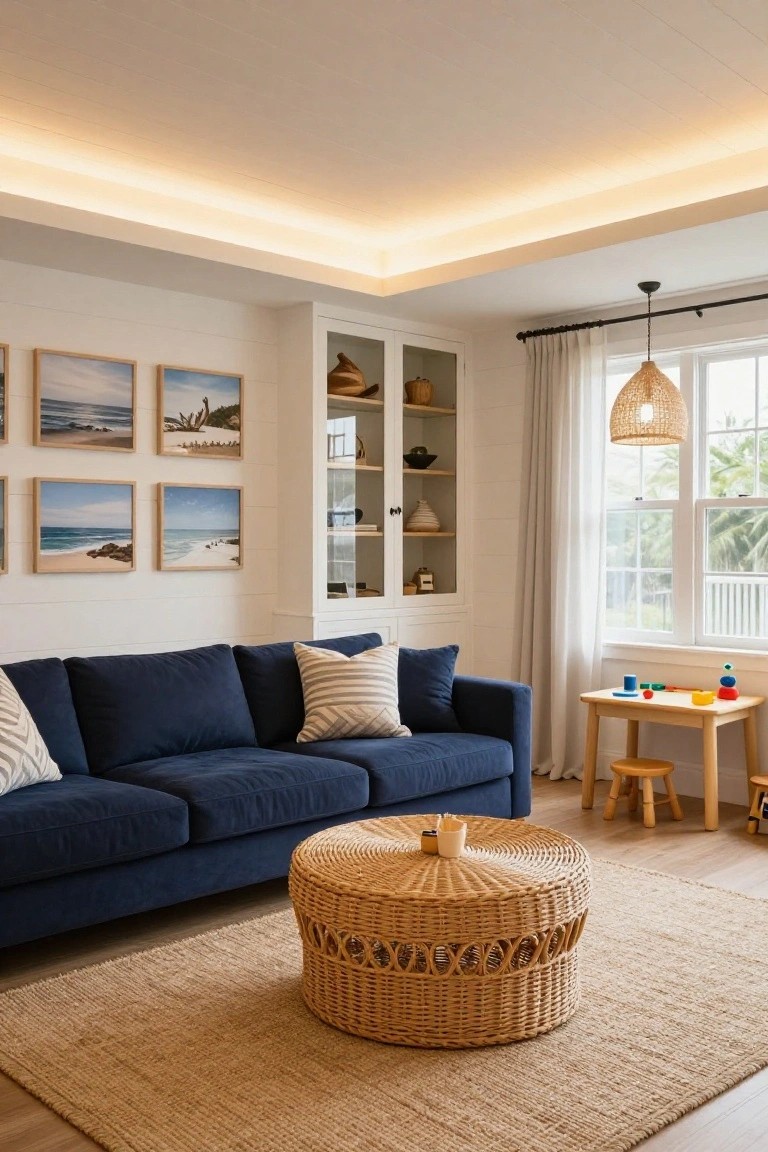
Tucked into the ceiling edges, these slim LED strips cast a warm, even glow that washes the white walls and trim without any glare. It’s a simple way to make a room feel taller and more polished, especially when you skip bulky fixtures. That soft light outlines the space nicely, tying everything together from the navy sofa to the beach art.
This works best in family rooms or basements with flat ceilings. Install them in a recessed cove for clean lines, and use warm white bulbs to keep it cozy. Just balance it with some table lamps so the room doesn’t feel too dim at night.
Simple Pendant from Exposed Beams
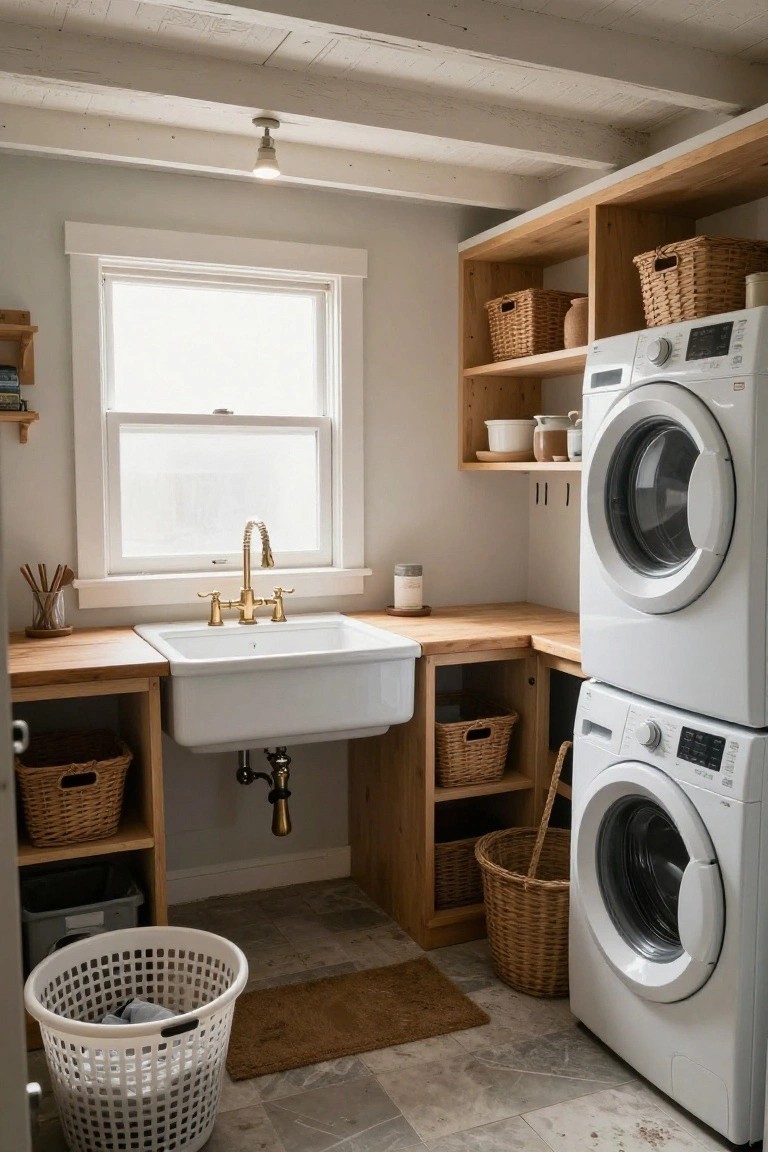
One easy way to finish a basement ceiling is with a single hanging pendant like this. It’s a plain bulb on a gooseneck arm, dropped right from the whitewashed wooden beams. Nothing fancy, but it lights the work area well and nods to the rustic style without cluttering things up. Basements often feel raw with exposed beams, and this pulls focus without trying too hard.
Try it over a sink or between machines in a laundry or utility room. It suits older homes or cottages with that beam look. Just make sure the wiring’s safe, and pick a bulb that gives good task light. Keeps the space practical… and done.
Linear Ceiling Lights for Basement Workshops
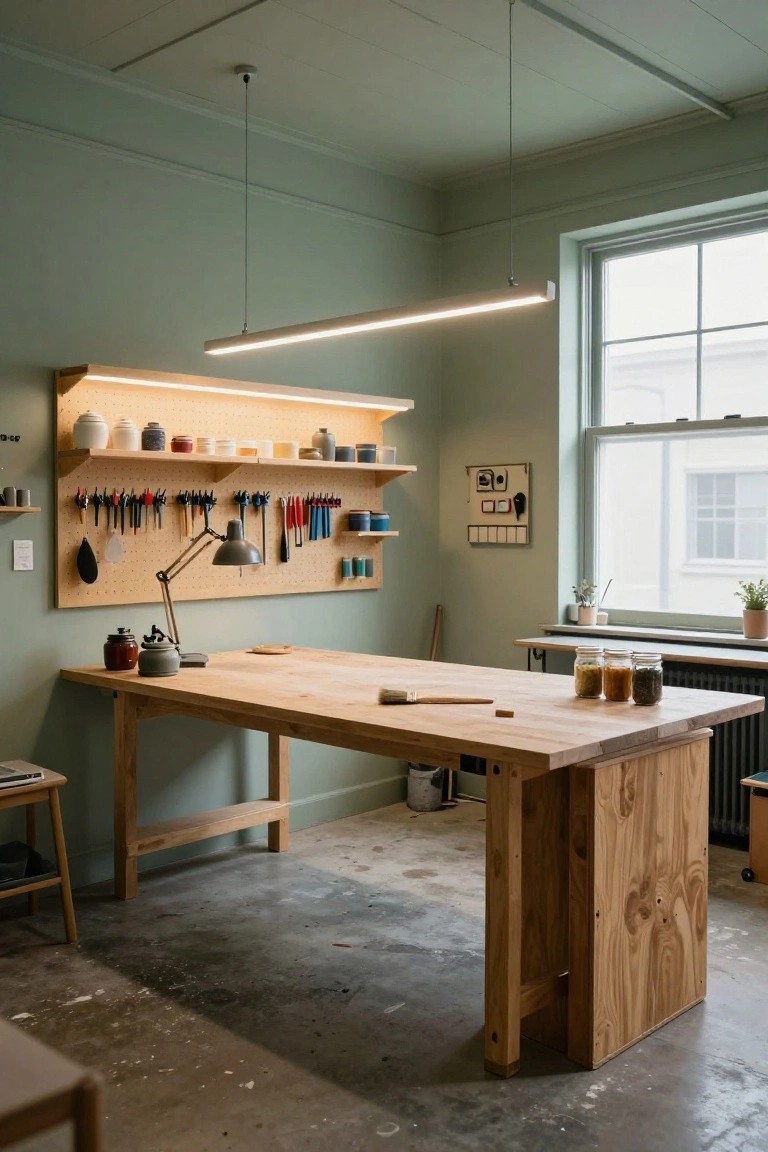
A slim linear LED bar stretches across the ceiling in this workshop space. It throws a clean, even glow over the whole workbench area without bulky fixtures getting in the way. Basements often feel dim or unfinished up top. This kind of light fixes that quick. Makes the room look put-together right away.
Put one over any work surface down there. It suits craft spots, potting benches, or even a simple home gym setup. Keep it simple. No need for fussy shades. Just pair with a task lamp on the bench for close-up jobs. Works in low ceilings too… stays out of your way.
Warm Recessed Ceiling Lights
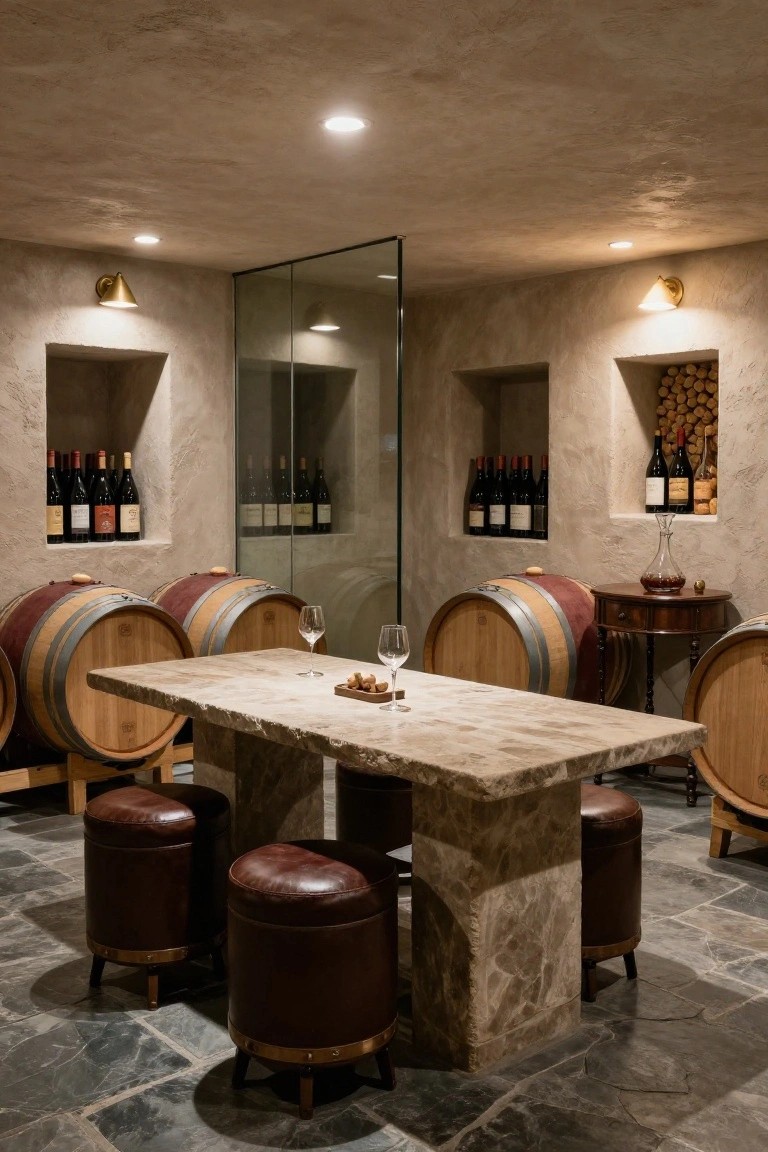
Recessed lights like these do a nice job finishing off a basement ceiling. They sit flush up there, spreading a soft even glow over the barrels and table without any hanging bulk. It’s a simple way to make the space feel polished and easy to be in, especially down where ceilings run low.
Put them in a wine area or family hangout spot. Go for warm bulbs to keep that cozy cellar mood. They work in most basements… just space them to hit key spots like seating or storage. No fuss, and the room looks right away.
Recessed Lights with Hanging Pendants
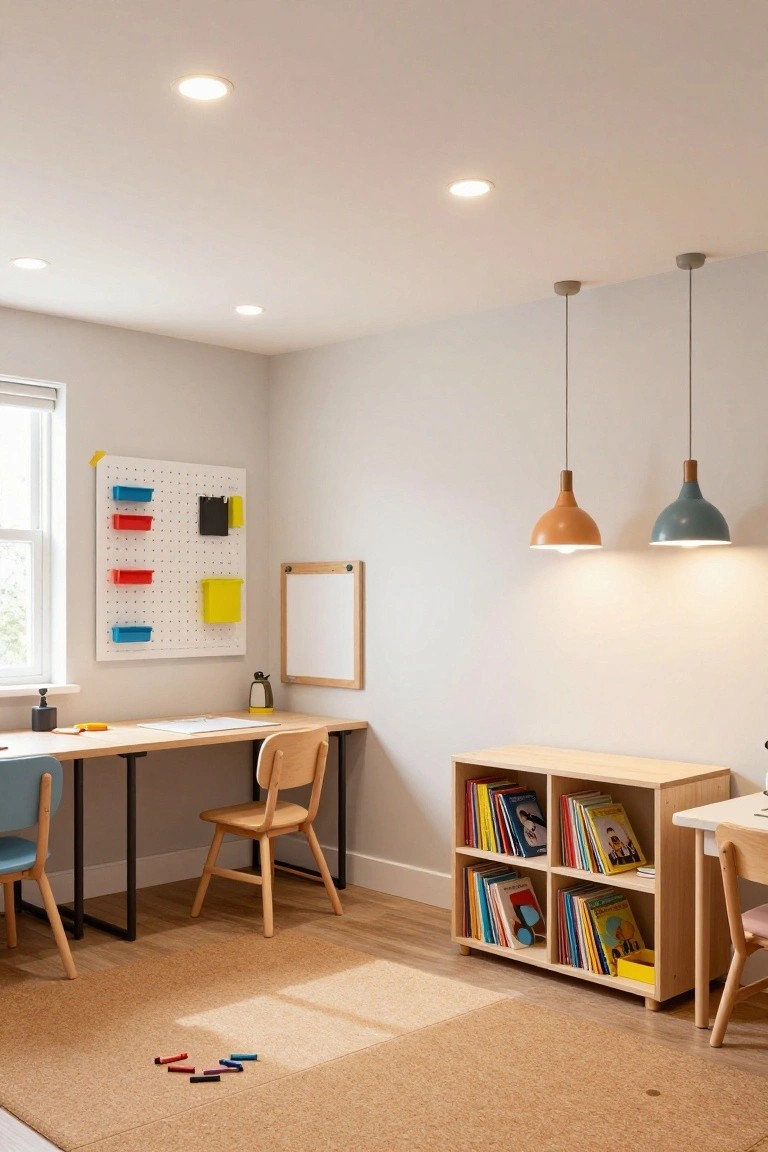
A good way to finish a basement ceiling is with recessed downlights for steady background glow, then hanging pendants where you need a bit more focus. In this setup, a few round recessed spots spread light evenly around the room. The two pendants, one orange and one teal, drop down nicely over the desks without getting in the way.
This works well in play areas or home offices below ground, where natural light is low. Position the recessed lights every few feet for no dark corners, and keep pendants low enough to light workspaces but high enough for headroom. Dimmers help adjust for different times of day.
Pendant Lights on a Dark Ceiling
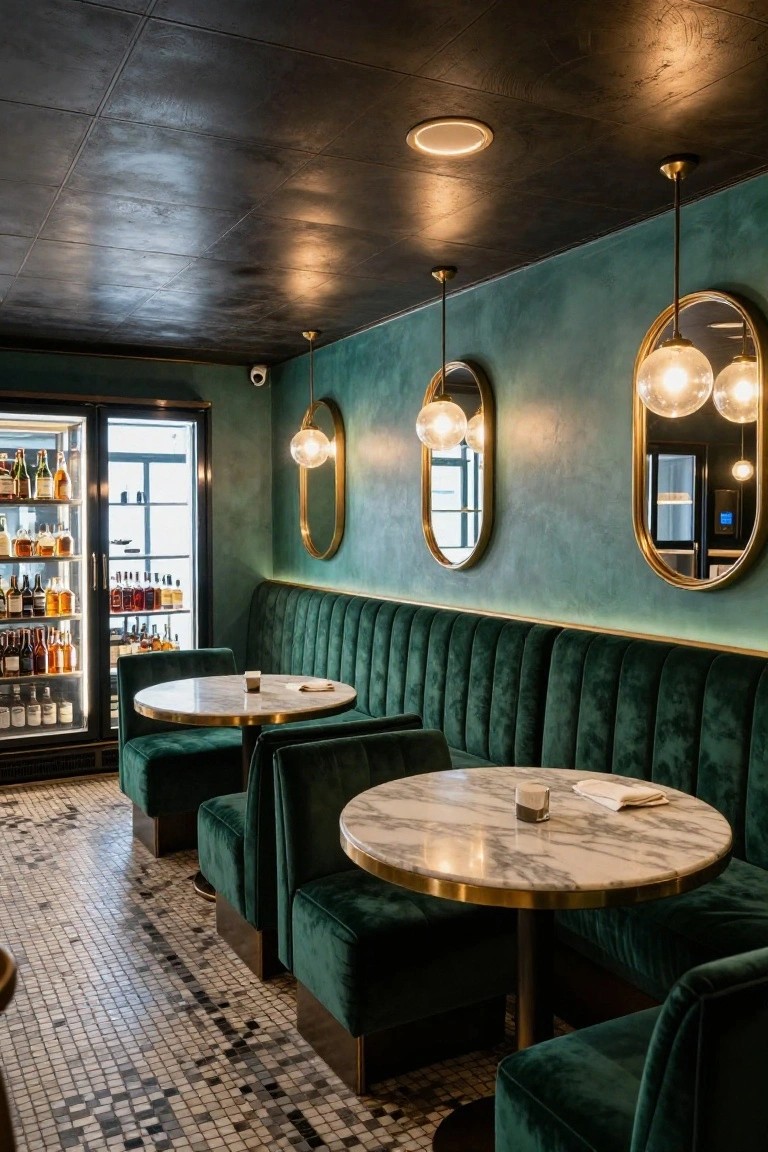
A dark ceiling like this one sets a moody base in a basement space. The hanging pendants add just enough glow without overwhelming the room. They pull your eye up and make the ceiling feel intentional instead of forgotten. Paired with recessed spots, the setup keeps things even and finished.
Try this in a basement bar or lounge area where you want intimacy. Hang the lights low over seating or tables for that cozy feel. It works best in spaces with some wall color or mirrors to bounce the light around. Just make sure the ceiling height allows for it, or go with shorter fixtures.
Recessed LED Strips Along Concrete Beams

In basements with raw concrete ceilings, a simple run of thin LED strips tucked right into the beams can change everything. It throws soft light across the space without any bulky fixtures getting in the way. The glow picks up the texture of the concrete and makes the room feel more put-together, like in this bedroom setup with its plain white bed below.
You can pull this off in any low-ceiling basement room, especially bedrooms or rec areas where you want calm light at night. Just hire an electrician to recess the strips evenly along the beams. It works best in modern or industrial-style homes. Skip it if your ceiling is too smooth, though. The beams give it that nice edge.
Cove Lighting for a Soft Overhead Glow
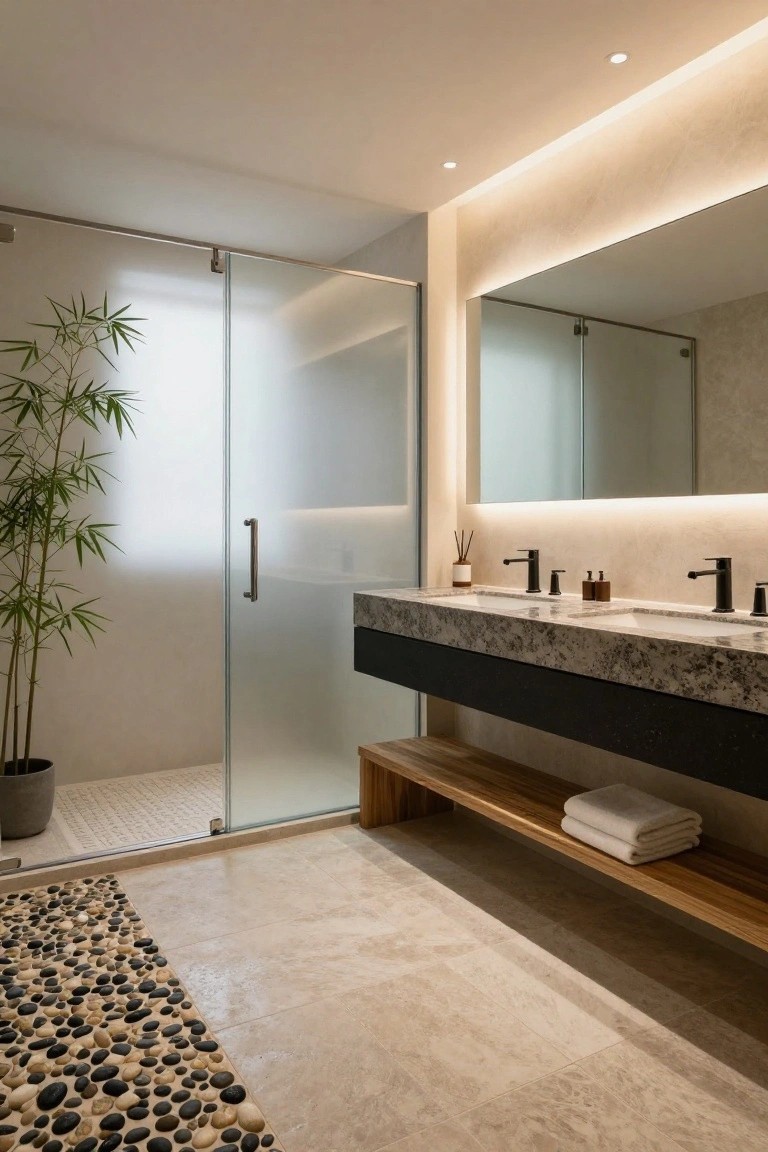
Cove lighting like this runs LED strips along the top edges of the walls, bouncing light up onto the ceiling. It gives a gentle wash that makes the whole space feel taller and more open. No harsh direct beams here. Just even, warm light from those recessed spots and strips that blend right in.
You can add this in a basement bathroom or rec room pretty easily. Tuck the strips into a simple cove molding or soffit. It works best in modern or minimalist setups with light walls. Keep the bulbs warm white to avoid a cold look, and pair it with task lights over the vanity so it stays practical.
Woven Basket Pendant Lights
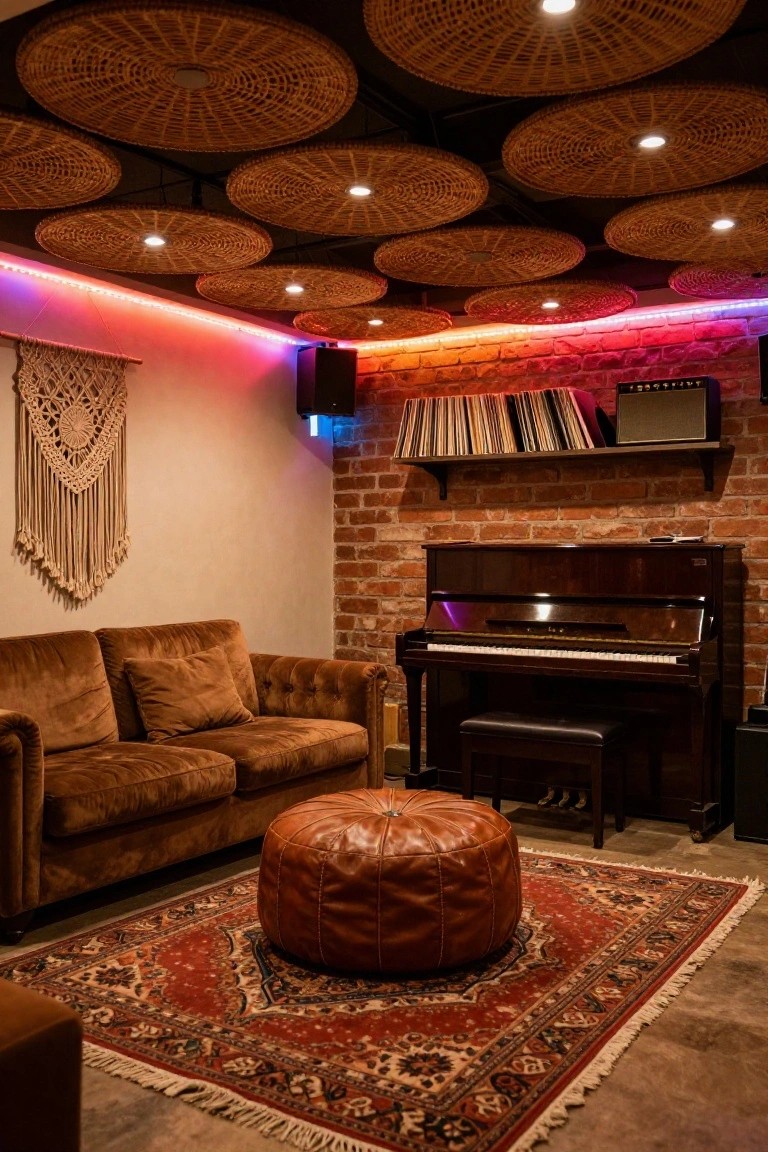
Woven basket pendants like these make a basement ceiling look finished without much effort. They hang in a cluster and soften the light into a warm glow that fits right into a cozy lounge setup. The natural texture pulls your eye up and hides any plain joists or ducts up there.
Try them in a music room or reading nook where you want casual vibe. Space them over a sofa or piano bench for even light. They suit homes with boho or eclectic touches… just pick baskets in similar tones so they don’t clash.
Wood Slat Ceilings with LED Strips
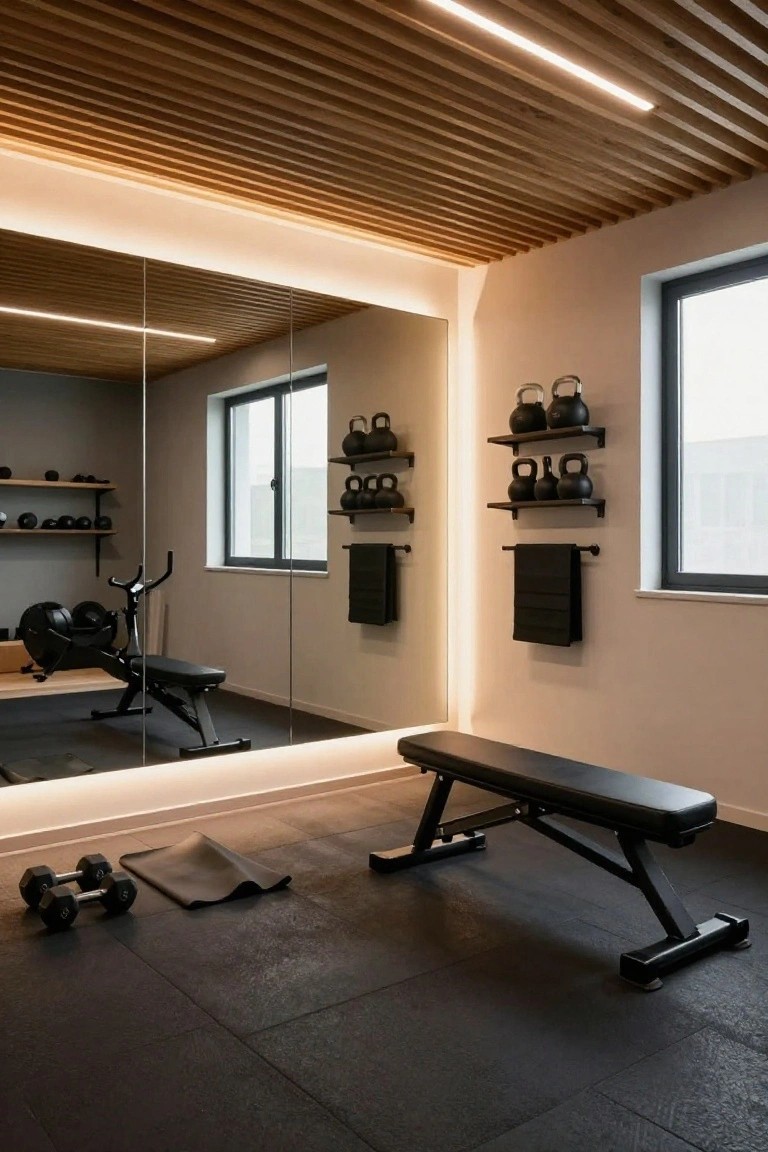
One straightforward way to make a basement ceiling feel done is wood slats with LED strips tucked between them. The slats run parallel overhead, and the lights glow softly from the gaps, pulling your eye up without any glare. It keeps things simple yet polished, especially in a space like a home gym where you want focus on the workout.
This setup suits basements with low ceilings best, since the linear lights make the room seem taller and cozier. Go for light wood tones to warm up gray walls or floors. Watch the spacing though… too tight and the light stays dim.
Recessed Lights in a Wood Plank Ceiling

A wood plank ceiling like this brings real warmth to a space, especially when you add recessed lights tucked right into the planks. Those small spots give steady light without stealing the show from the wood grain, and a simple black pendant hangs down to pull your eye into the room. It’s a practical way to finish off a ceiling that might otherwise feel too raw.
This setup works best in basements or entry areas where you want light that feels natural and not too bright. Space the recessed lights every few feet over work zones like a bench or walkway, and keep the pendant plain so it blends. Skip it if your wood is super dark, since the contrast might fight the glow.
Colored Recessed Lights for Basement Play Areas
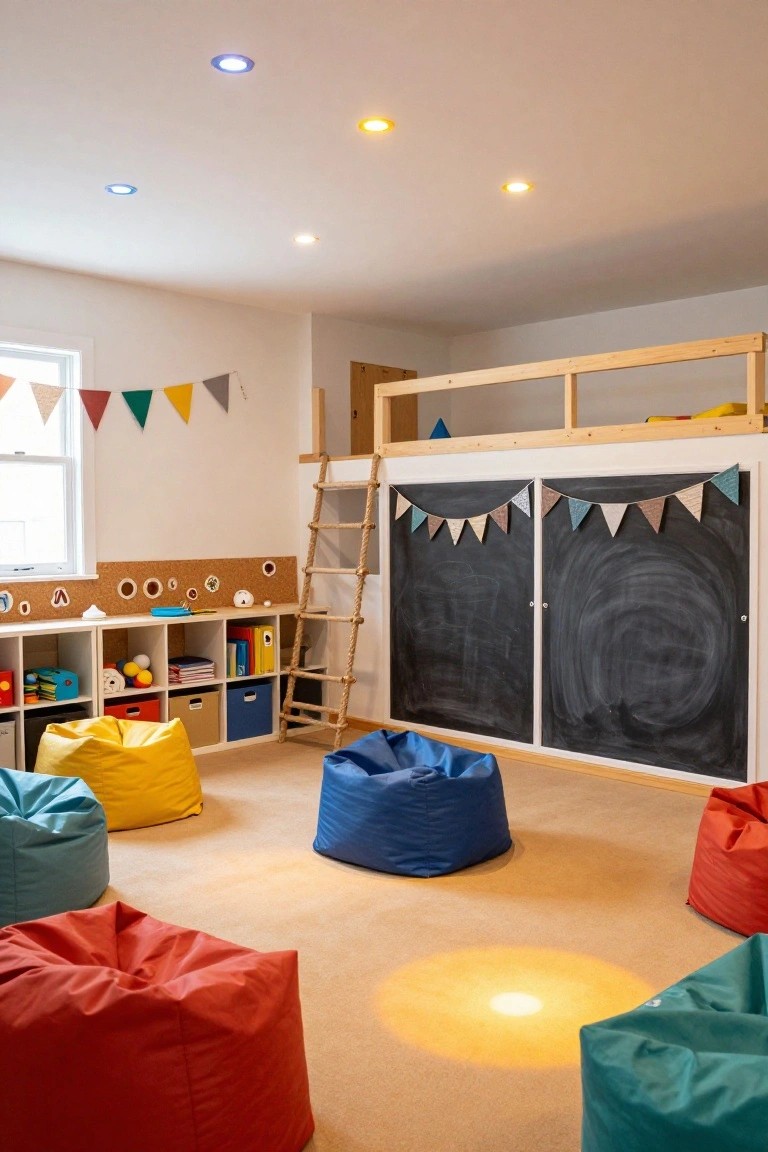
One simple way to finish off a basement ceiling is with recessed lights in fun colors. You see spots of blue, yellow, and white up there, casting soft pools on the floor. It keeps things from feeling dim or boring down there, especially in a kids’ space. The color adds a bit of whimsy without overwhelming the room.
Try this in playrooms or family hangouts where you want light to feel lively. Stick to a few colors that match your scheme, space them evenly, and pair with plain bulbs for everyday use. It works best in open basements with low ceilings. Just avoid too many colors or it might look busy.
Recessed Lights in Beamed Ceilings
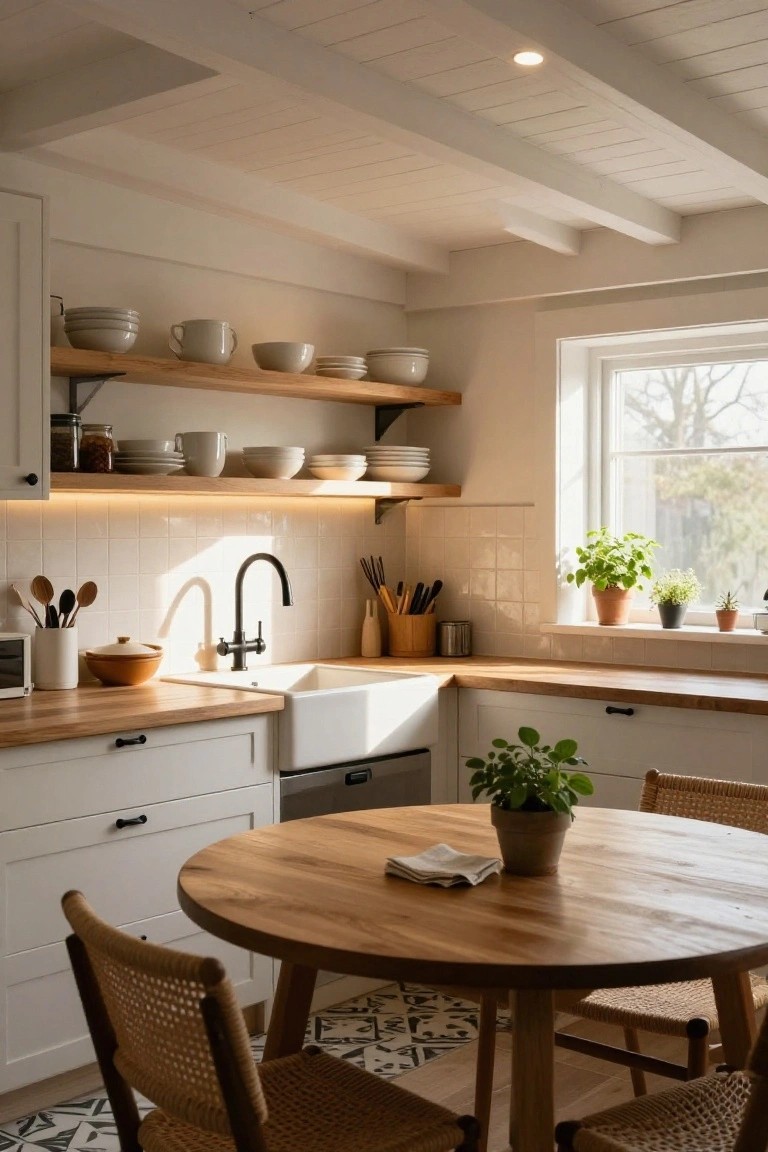
Tucked recessed lights work well in beamed ceilings like this one. They sit right between the wooden beams, casting a soft glow that follows the ceiling lines. It keeps things simple and finished, without hanging fixtures getting in the way.
Try this in a basement with exposed joists. Paint the beams first for a clean look, then add a few recessed cans spaced evenly. It suits casual family spaces or kitchens, and avoids dark corners common down there.
Recessed Ceiling Lights for Subtle Glow
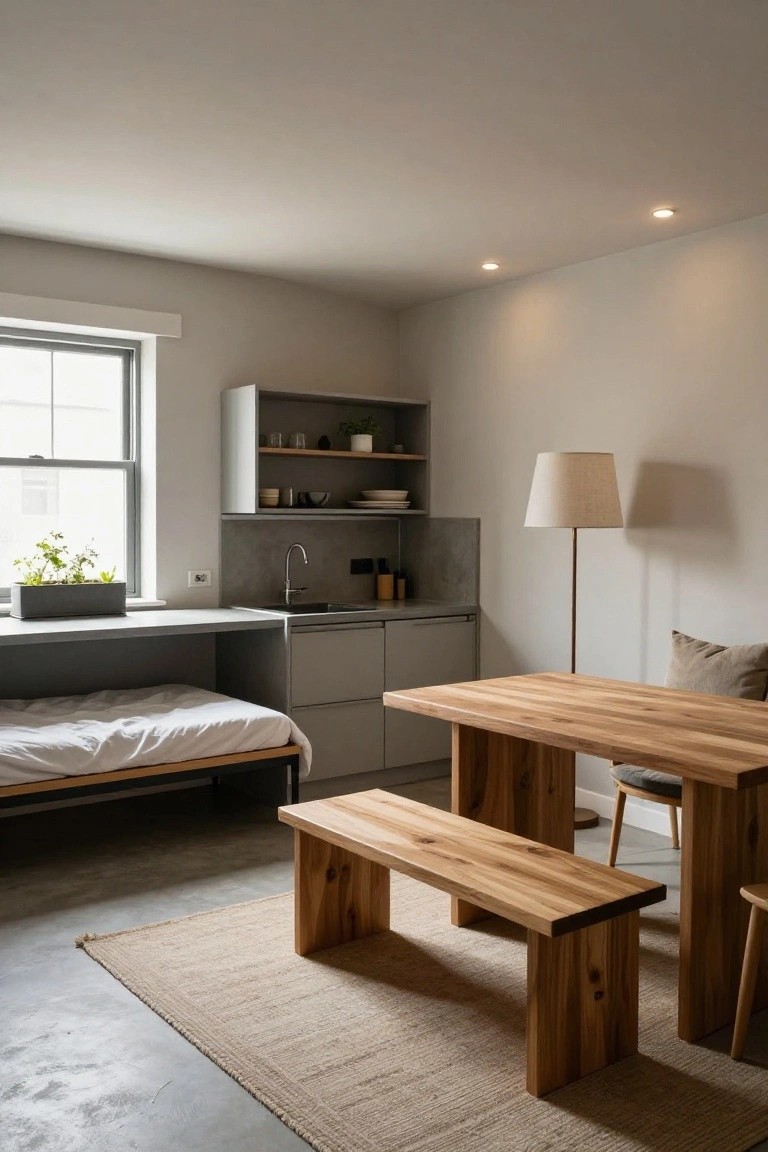
Small recessed lights tucked into the ceiling work wonders in tight spaces like this one. They cast a soft, even light that feels natural without drawing attention to a low ceiling or concrete floor. No bulky fixtures hanging down. Just clean illumination that lets the room breathe.
Put them above the kitchen counter and dining spot, spaced evenly for balance. They suit basements turned into studios or guest rooms… add a tall floor lamp nearby for evenings. Keeps things practical and not too bright.
Recessed Spotlights in Wood Beam Ceilings

Tucked right into the dark wood beams overhead, these small recessed spotlights cast a soft yellow glow that pulls the whole ceiling together. They keep the rustic beam look intact while adding just enough light to make the space feel done and livable. No harsh overhead fixtures here. Just steady pools of warmth that work with the stone fireplace below.
This setup shines in basements where you want to highlight beams without dropping the ceiling height. Go for warm LED bulbs to echo the wood tones, and space them every few feet along the beams. It suits casual family rooms… keeps things practical and not too bright.
Frequently Asked Questions
Q: How do I hide wires when using exposed bulbs on basement beams?
A: Tuck the cords right along the beams and secure them with adhesive clips that match the wood. Paint the clips if you want them invisible. Skip drilling unless the beams are metal.
Q: Will these lighting ideas work in my low-ceiling basement?
A: Go for slim LED panels or recessed cans that sit flush. They bounce light up without eating headroom. Skip hanging pendants down there.
Q: What’s the fastest way to update an ugly drop ceiling?
A: Swap in surface-mount LED disks that screw right into the tiles. You finish in an afternoon with no demo. They wash the space in even glow.
Q: How do I get a cozy vibe without the lights feeling too bright?
A: Layer in warm bulbs around 2700K and add dimmers everywhere. Dial them down for movie nights. And bounce some light off walls for softness.
