

Ever found yourself stuck in your driveway, turning the key in the ignition with no response? Frustrating, isn’t it? You’re not alone. When your car refuses to start, the culprit is often either the battery or the alternator. But how do you determine which one is causing the issue? That’s where this article comes in to save the day.
Imagine being able to diagnose and solve the mystery of your car’s starting troubles without breaking a sweat. By understanding the differences between a faulty battery and a problematic alternator, you’ll be equipped with the knowledge to tackle this common automotive dilemma head-on. Say goodbye to the stress of being stranded with a non-starting vehicle. Let’s dive in and unravel the secrets behind your car’s reluctance to rev up.
Signs of a Faulty Battery
When dealing with a car that won’t start, a faulty battery is a common culprit. Here are some signs to look out for:
- Dimming headlights
- Slow engine crank
- Clicking sound when turning the key
If you notice these signs, it’s likely that your battery needs attention. Consider checking its age and connections for any issues.
Signs of a Failing Alternator
When facing car starting issues, it’s essential to consider the alternator as a potential culprit. Here are key signs that your alternator might be failing:
- Flickering Lights: Your car’s lights flicker while driving.
- Dead Battery: Experiencing frequent battery problems despite replacing it.
- Strange Noises: You hear unusual noises like a whining sound from the engine area.
- Dashboard Warning Light: The battery light on your dashboard illuminates.
- Electrical Failures: Experiencing various electrical issues, such as power windows not working.
How to Test the Battery
When troubleshooting car starting issues, testing the battery is crucial. Here’s how you can do it:
- Visual Inspection: Check for corrosion on the terminals and any signs of damage on the battery itself.
- Multimeter Test: Use a multimeter to measure the voltage of the battery. A fully charged battery should read around 12.6 volts.
- Load Test: Perform a load test to determine if the battery can sustain power under pressure.
Remember, a failing battery can mimic alternator issues, so ensure yours is in good condition before moving on to other parts of the car.
| Test | Voltage |
|---|---|
| Fully Charged Battery | 12.6 volts |
Recommended Products
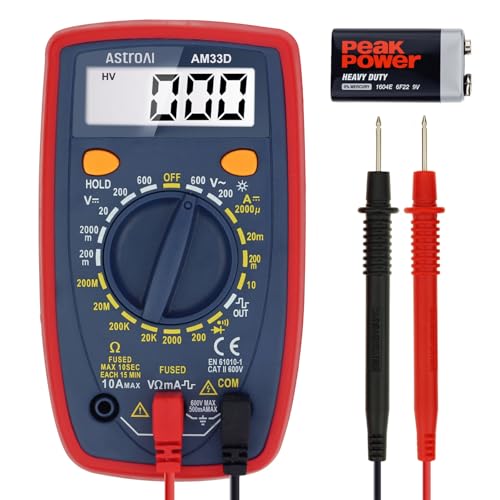
Additional Tips - The following incorrect operations may cause the multimeter not to show results: Firstly, the plugs of test leads are not fully inserted or not inserted into the correct sockets. Secondly, the manual rotary switch is not placed in the correct position. In addition, this meter can not test all AC Current and below 100mV AC Voltage. Please check the user manual carefully before measurement.

Accurately Test Full Features: Accurately measures AC/DC voltage, DC current, resistance, continuity test, diode and batteries.
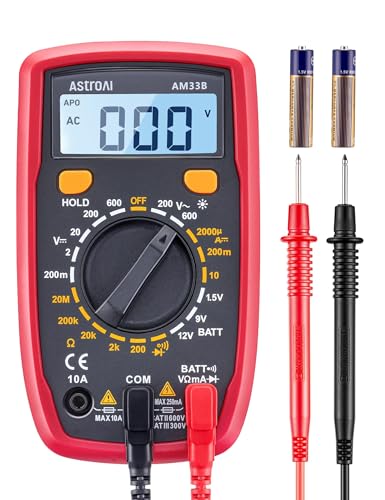
Versatile Digital Multimeter - Accurately measures AC/DC Voltage, DC Current, Resistance, and Diode. This Multimeter is a really useful tool for solving industrial and household electrical issues. Suitable for Household Outlets, Fuses, Batteries (including Vehicles), Automotive Circuit Troubleshooting, Charging Systems, Testing electronics in Cars etc.
How to Test the Alternator
When troubleshooting a car not starting issue, one crucial step is ensuring the alternator is functioning correctly. Here’s how you can test it:
- Visual Inspection: Check for any loose connections, frayed wires, or visible damage to the alternator.
- Testing Voltage Output: Use a multimeter to measure the voltage output of the alternator. A properly functioning alternator should typically produce between 13.8 to 14.2 volts when the car is running.
- Load Testing: Perform a load test to assess the alternator’s ability to sustain power output under different conditions. This helps determine if the alternator can handle the electrical needs of the vehicle.
- Belt Check: Ensure the alternator belt is tight and in good condition, as a loose or damaged belt can lead to charging issues.
Remember, a failing alternator can cause a dead battery and prevent your car from starting. By conducting these tests, you can pinpoint whether the alternator is the culprit behind your car troubles.
Recommended Products

【PRECISE READOUTS & CLEAR DIGITAL DISPLAY】Bright LED display shows highly clear readings in any lighting condition, 0.1V resolution gives you reliable indication and shows you the voltage number easily & quickly. Bidirectional light emitting diode on the circuit board for easy battery load testing, red light indicates positive polarity, green light indicates negative polarity.

Catch Battery Problems Early: Featured in two videos by Project Farm, a popular YouTube channel with millions of subscribers, the ANCEL BA101 helps you quickly spot battery issues before they leave you stranded. It provides easy-to-understand readings for State of Health (SOH), State of Charge (SOC), voltage, current, CCA, plus cranking and charging system tests, so you can better understand your battery and help avoid unexpected breakdowns

【Reliable Car Battery Tester】: The alternator tester can accurately determine whether the car battery needs to be replaced or if there is a power outage, and at the same time evaluate the output status of the alternator, clearly presents real-time voltage data, battery health and charging status. It can effectively prevent the battery from being damaged due to overcharging or undercharging, and extend the battery's service life.
Troubleshooting Steps
When facing a car that won’t start, it can be frustrating and time-consuming to pinpoint the root cause. But worry not, as here are practical steps to troubleshoot whether the issue lies with the battery or alternator:
- Start with the Battery:
- Inspect visually for any signs of corrosion or damage on the battery terminals.
- Use a multimeter to check the battery voltage. A fully charged battery should read around 12.6 volts.
- Perform a load test to verify if the battery can sustain power.
- Moving on to the Alternator:
- Check for loose connections or visible damage on the alternator.
- Measure the voltage output while the car is running. It should typically be between 13.8 to 14.2 volts.
- Conduct a load test to assess the alternator’s functionality.
- Inspect the alternator belt to ensure it is tight and in good condition.
Recommended Products

【Reliable Automotive Car Battery Tester】 KW208 is the most cost-effective battery load tester compared to other brands, it has all the functions you need and the lowest cost that you can afford. KW208 can test all 12V batteries(100-2000CCA) including regular flooded, AGM flat plate, AGM spiral or gel batteries. Provide overall analysis of batteries’ condition and help you know their status in advance before it dies. KW208 battery analyzer supports cranking and charging system tests also alternator and starter test. Conveniently store this car battery tester for batteries in your glove box or garage, ready for use whenever needed.

[Car Battery Tester] You can easily test and inspect your 12V lead-acid battery with this TOPDON car battery tester. The SOH (State of Health), SOC (State of Charge), Voltage, Current, Rating, and numerous other understandable analytical data are provided by this battery tester. It is compatible with 100-2000CCA regular flooded, AGM flat plate/spiral, EFB, and GEL for their optimum performance.

🔥【A MUST HAVE TOOL IN YOUR GARAGE】 - With up-to-date testing technology, it provides a quick reading to determine whether a vehicle battery needs a jump or replacement and also the output status of the alternator. All you have to do is log in and play. Save your time and money.
Conclusion
That’s it for troubleshooting your car starting issues related to the battery or alternator. By following these steps, you can easily pinpoint whether it’s the battery or alternator causing your car not to start. Remember to check for corrosion, test voltage, and perform load tests on both components. Ensuring your connections are secure and belts are in good condition is key. With these simple diagnostic steps, you’ll be back on the road in no time. Happy driving!
Frequently Asked Questions
How can I tell if my car’s battery is the reason it won’t start?
Inspect the battery for corrosion or damage. Use a multimeter to check voltage (around 12.6V for a fully charged battery) and perform a load test.
How do I know if the alternator is causing my car’s starting issues?
Check for loose connections or damage on the alternator. Measure voltage output (13.8 to 14.2V when running), conduct a load test, and inspect the alternator belt.
What steps can I take to troubleshoot car starting problems related to the battery?
Visually inspect the battery, check voltage with a multimeter, and perform a load test to determine if the battery is the issue.
What should I do if I suspect the alternator is the reason my car won’t start?
Inspect the alternator for damage, check voltage output, conduct a load test, and ensure the alternator belt is tight and in good condition.
