

Ever wondered why your car battery mysteriously drains even when it’s not connected to the car? Picture this: you’re all set to hit the road, only to find your battery life at zero. Frustrating, right? But fear not, as we’ve got your back! In this article, we’ll unravel the perplexing phenomenon of car battery drains when not hooked to your car.
Common Causes of Car Battery Drains
Wondering why your car battery drains even when it’s not connected to the car? Let’s dive into some common causes:
- Parasitic Drain: Certain components like the clock, alarm system, or malfunctioning modules can draw power even when the car is off.
- Faulty Charging System: If your alternator isn’t working properly, your battery may not be getting the charge it needs to stay full.
- Old Battery: Over time, batteries wear out, losing their ability to hold a charge efficiently.
- Extreme Temperatures: Hot or cold weather can affect your battery’s performance and lead to drainage.
- Corroded Battery Terminals: Buildup on the terminals can impede the battery’s ability to charge and discharge properly.
| Statistics | |
|---|---|
| Average Car Battery Life | 3-5 years |
| Parasitic Drain Current | 25-75 milliamps |
| Average Cost to Replace Battery | $100-$200 |
- Electrical Issues: Shorts, bad wiring, or faulty components can create pathways for power to drain.
- Overuse of Battery-Draining Features: Leaving lights, fans, or other electronics on when the engine is off can drain the battery quickly.
Effects of Leaving a Car Battery Unattached
Leaving your car battery unattached for an extended period can lead to irreversible damage, affecting its performance and lifespan. Here’s what happens:
- Internal Corrosion: Without a charge, the battery’s internal components can corrode, reducing its ability to hold a charge.
- Sulfation: The longer a battery sits unattached, the harder it is for it to maintain its charge, leading to sulfation, which can permanently decrease its capacity.
- Voltage Depletion: When not connected, a battery naturally loses voltage over time, potentially causing it to become completely nonfunctional.
- Premature Aging: Unattached batteries age faster due to lack of regular charging, decreasing usability and efficiency.
To prevent these issues and extend your battery’s life, consider implementing these practices:
- Regular Maintenance: Check your battery periodically and ensure it’s connected to a trickle charger if not in use for a while.
- Proper Storage: Store your battery in a cool, dry place to prevent extreme temperature fluctuations that can degrade its performance.
Remember, taking proactive steps to care for your car battery can save you time and money in the long run.
Parasitic Drain Explained
When your car battery drains while not attached to your car, parasitic drain is often the culprit. This occurs when certain components in your vehicle continue to draw power even when the engine is off. Common sources of parasitic drain include:
- Interior lights
- Alarm systems
- Radios
- Clocks and other electronic accessories
These devices require a small amount of power to maintain their settings or be ready for immediate use. Over time, this ongoing power draw can deplete your battery, leading to starting issues or a dead battery when you need it most.
To diagnose a parasitic drain, you can perform a simple amp draw test. This involves connecting an amp meter in series with the battery to measure the current flow with the ignition off. A normal reading should typically be 50 milliamps or less. Anything higher indicates a parasitic drain that needs to be identified and addressed.
To prevent or minimize parasitic drain, consider the following tips:
- Regularly check for any malfunctioning components that may be drawing excessive power.
- Disconnect the negative battery terminal if the vehicle will be unused for an extended period.
- Install a battery isolator switch to easily disconnect the battery when needed.
By understanding and managing parasitic drain, you can prolong the life of your car battery and avoid unexpected starting problems.
Recommended Products
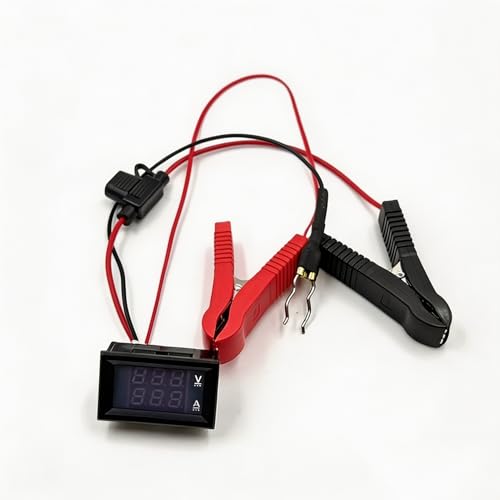
NO-DISCONNECT SAFE TESTING: Innovative design allows you to track down parasitic battery drain without disconnecting the vehicle's electrical system. This completely prevents vehicle computer (ECU) resets, loss of radio codes, and anti-theft system lockouts, ensuring a hassle-free diagnostic process.

Clamp onto the battery terminals and read the vehicle's dark current after the systems have gone to sleep. Remove fuses one by one — the circuit that drops the reading is your drain source. No more blind guessing.

【 Locate Battery Drain Faster】Stop guessing which circuit is draining your battery. This automotive fuse current tester helps identify abnormal current draw through individual vehicle fuse circuits, making it easier to diagnose parasitic battery drain, overnight power loss, and electrical issues from dash cams, audio systems, or other aftermarket accessories.
How to Troubleshoot a Disconnected Battery Drain
When facing a disconnected battery drain situation, there are a few steps you can take to pinpoint the source of the issue and prevent further battery depletion:
- Start by conducting an amp draw test to measure the amount of current being drawn when the battery is disconnected.
- Inspect all components that can draw power when the car is off, such as interior lights, alarm systems, radios, clocks, and any aftermarket accessories.
- Check for malfunctioning components that may be causing excessive power drain, and address or replace them as needed.
- Utilize a multimeter to test for parasitic drain and identify the specific circuit or component responsible for the power draw.
- Consider seeking assistance from a professional mechanic or auto technician if you are unable to identify the source of the battery drain.
By following these troubleshooting steps, you can effectively identify and address any parasitic drain issues affecting your disconnected car battery.
Preventative Measures to Avoid Battery Drain
To avoid battery drain when your car battery is not hooked to your car, here are some preventative measures you can take:
- Disconnect the Negative Terminal: Remove the negative terminal from the battery when the vehicle won’t be in use for an extended period.
- Use a Trickle Charger: Keep the battery charged with a trickle charger to prevent it from draining completely.
- Inspect Battery Health: Regularly check the battery’s condition and replace it when needed to avoid unexpected drains.
By following these simple steps, you can ensure that your car battery remains in good condition even when it’s not connected to your vehicle.
Conclusion
You now have the tools to tackle a disconnected car battery drain issue head-on. Remember to take proactive steps like disconnecting the negative terminal and using a trickle charger. By staying vigilant and following these preventative measures, you can keep your battery healthy and ready for action, even when it’s not hooked up to your car. Stay informed, stay prepared, and you’ll be cruising worry-free.
Frequently Asked Questions
How can I troubleshoot a disconnected battery drain issue?
To troubleshoot a disconnected battery drain, conduct a parasitic draw test using a multimeter. Remove fuses one by one to isolate the circuit causing the drain. If unable to identify the culprit, seek assistance from a professional mechanic.
What preventative measures can I take to avoid battery drain when the car is not in use?
To prevent battery drain when the car is not in use, disconnect the negative terminal or use a trickle charger to maintain charge. Additionally, regularly inspect the battery’s health and ensure all electrical components are turned off before leaving the vehicle.
