

Are you considering mixing AGM and lithium batteries in your solar system? You’re not alone. Many people face this dilemma when upgrading or expanding their energy storage options. It can be confusing to know if these two battery types can work together without causing issues.
This article will help you understand the compatibility of AGM and lithium batteries. You’ll learn about their differences and how they might affect your solar setup. By the end, you’ll have the insight you need to make an informed decision, ensuring your system runs smoothly and efficiently.
Key Takeaways
- Compatibility Matters: AGM batteries operate at a higher voltage than lithium batteries, making it crucial to avoid mixing them in the same circuit to prevent undercharging or damage.
- Performance Differences: Lithium batteries provide deeper discharges and faster charging times compared to AGM batteries, which can lead to inefficiencies if both types are combined.
- Cost-Effectiveness: Mixing AGM and lithium batteries can save money by using cost-effective AGM for backup while leveraging lithium’s efficiency for daily energy needs.
- Increased Energy Capacity: A combination of battery types can enhance overall system capacity, allowing for improved energy output by optimizing the strengths of each battery.
- Potential Lifespan Issues: Mixing these two battery types may shorten the lifespan of AGM batteries due to stress from lithium batteries, necessitating careful management to optimize performance.
- Maintenance Challenges: Different monitoring and maintenance needs for AGM and lithium batteries can complicate upkeep, requiring a robust plan to ensure optimal functioning and performance consistency.
Understanding AGM and Lithium Batteries
AGM and lithium batteries each offer distinct features essential for solar systems. Knowing their characteristics helps in deciding if they can work together.
What Are AGM Batteries?
AGM (Absorbed Glass Mat) batteries consist of lead-acid technology. Their design uses fiberglass mats to absorb electrolyte, making them maintenance-free and spill-proof. AGM batteries are known for:
- Longevity: They can last 3 to 7 years, depending on usage and environment.
- Discharge Rate: AGM batteries handle deep discharges well, often down to 50% capacity without damage.
- Charge Time: These batteries charge faster than traditional flooded batteries, usually requiring about 4 to 8 hours to reach full capacity.
AGM batteries perform best in stable temperatures and serve well in off-grid or backup power situations where reliability is critical.
What Are Lithium Batteries?
Lithium batteries represent a newer technology that’s becoming increasingly popular in solar systems. They are lighter, more efficient, and have a higher energy density than AGM batteries. Key features include:
- Longevity: Lithium batteries can last 10 to 15 years, significantly exceeding AGM lifespan.
- Discharge Rate: These batteries allow full discharge without damaging their capacity, providing around 80-90% usable energy.
- Charge Time: Lithium batteries typically charge in about 1 to 3 hours, making them ideal for rapid energy needs.
Lithium batteries also perform better in a wider temperature range and contribute to reduced weight and footprint in solar setups.
Understanding the differences and unique properties of AGM and lithium batteries is crucial when deciding how to mix them effectively in a solar system.
Considerations for Mixing AGM and Lithium Batteries
Understanding the implications of mixing AGM and lithium batteries in your solar system is vital for optimizing performance and ensuring longevity.
Recommended Products
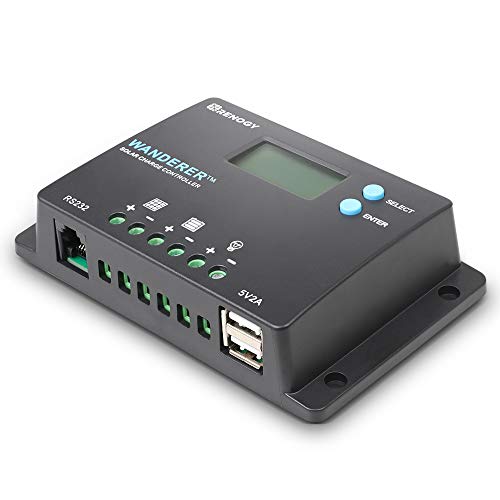
𝐒𝐦𝐚𝐫𝐭 𝟒-𝐒𝐭𝐚𝐠𝐞 12V/24V Solar Charge Controller: Renogy charge controller 𝐦𝐚𝐱𝐢𝐦𝐢𝐳𝐞𝐬 𝐁𝐚𝐭𝐭𝐞𝐫𝐲 𝐋𝐢𝐟𝐞 & 𝐒𝐨𝐥𝐚𝐫 𝐄𝐟𝐟𝐢𝐜𝐢𝐞𝐧𝐜𝐲, this advanced pwm solar charge controller utilizes intelligent 4-stage charging (Bulk/Boost/ Float/Equalization) to optimize power delivery for AGM, Gel, Flooded and Lithium batteries. RV solar charge controller prevents overcharging and gas buildup while 𝐚𝐜𝐡𝐢𝐞𝐯𝐢𝐧𝐠 𝟑𝟎% 𝐥𝐨𝐧𝐠𝐞𝐫 𝐛𝐚𝐭𝐭𝐞𝐫𝐲 𝐥𝐢𝐟𝐞𝐬𝐩𝐚𝐧 compared to basic charge controllers.

【100% Efficient MPPT Charging】SOLPERK 12V MPPT solar charge controller automatically monitors the 12V DC system voltage and is 30% more efficient compared to PWM controllers, which will get your batteries fully charged faster

Smart 4-Stage 12V/24V Solar Charge Controller: Renogy charge controller maximizes battery life & solar efficiency. Utilizes intelligent 4-stage charging (Bulk/Boost/Float/Equalization) to optimize power delivery for AGM, Gel, Flooded lead-acid batteries. (𝐀𝐆𝐌/𝐆𝐞𝐥/𝐅𝐥𝐨𝐨𝐝𝐞𝐝 𝐎𝐧𝐥𝐲)⚠️ 𝐃𝐨𝐞𝐬 𝐍𝐎𝐓 𝐬𝐮𝐩𝐩𝐨𝐫𝐭 𝐥𝐢𝐭𝐡𝐢𝐮𝐦 𝐛𝐚𝐭𝐭𝐞𝐫𝐢𝐞𝐬.
Compatibility Issues
Compatibility concerns arise when combining AGM and lithium batteries. AGM batteries operate at a higher voltage than lithium batteries. If both types are connected in the same system, you risk undercharging or damaging one of the battery types. Therefore, keeping batteries of the same chemistry in separate parallel circuits works best. Mixing charger settings for different battery types can also lead to ineffective charging. Make sure your charge controller is compatible with both battery types to maintain efficiency.
Performance Differences
Performance differences significantly impact your solar system’s overall effectiveness. AGM batteries typically have a capacity of around 100-200 amp-hours, while lithium batteries can achieve 200-300 amp-hours or more. Lithium batteries also allow for deeper discharge without damage, exceeding 80% of their total capacity without reducing lifespan, while AGM batteries should remain above 50-60% to preserve health. Fast charging capabilities further separate these types; lithium batteries recharge in 1 to 3 hours, whereas AGM batteries take longer. When mixing these batteries, you may experience suboptimal charging times and insufficient power delivery, which affects your system’s reliability.
Advantages of Mixing Battery Types
Mixing AGM and lithium batteries in a solar system can offer several benefits. Here are some key advantages to consider.
Recommended Products
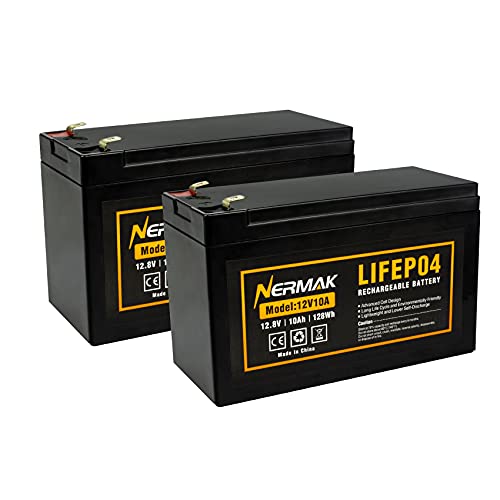
【Superior Performance】: Lithium iron phosphate battery has high energy density, Long cycle life, Good safety performance, No memory effect, etc. NERMAK LiFePO4 battery has built-in BMS protection to prevent overcharge, Over-discharge, Over-current and short circuit, and excessive low self-discharge rate ensuring up to 1-year maintenance-free storage.

【8000+ Deep Cycles & 1280Wh High Capacity】: 3x longer lifespan than AGM/lead-acid batteries (only 300-1500 cycles), supports 106.6hrs for 12W lamp, 2.56hrs for 500W heater - perfect for long-term off-grid use (camping/RV/solar)
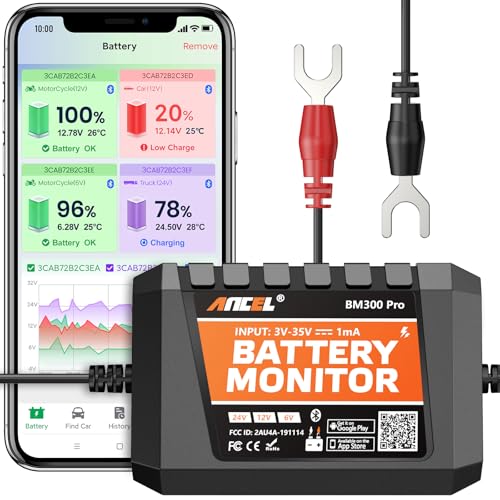
ONE DEVICE FITS ALL: Why juggle multiple single-voltage monitors? Engineered for true versatility, it auto-detects and adapts to any standard system: from 6V classic cars and 12V daily drivers to 24V diesel rigs, large RVs, and marine setups. Compatible with all common battery types including Lead-Acid (Flooded, AGM, Gel, EFB) and Lithium-Ion. This is the single, future-proof solution for enthusiasts with diverse vehicles or evolving needs. Note: 6V only for SOC, voltage & temp monitoring; no charging & cranking tests.
Cost-effectiveness
Mixing AGM and lithium batteries can save money. AGM batteries may initially cost less than lithium batteries. By using a combination, you capitalize on AGM’s lower price while also benefiting from lithium’s efficiency and longevity. This approach allows you to upgrade your system without a complete overhaul, making it easier on your wallet. For example, if you add a lithium battery for everyday use, you can keep your existing AGM batteries for backup power during peak times.
Increased Capacity
Integrating AGM and lithium batteries can enhance your overall capacity. Lithium batteries excel in providing higher discharge rates; mixing them with AGM batteries can improve your system’s energy output. For instance, when lithium batteries provide power during high-demand periods, AGM batteries can support less demanding loads. This combination ensures your system operates smoothly, maximizing energy storage and usage throughout the day. By strategically pairing the two types, you gain a more flexible and resilient energy storage solution.
Disadvantages of Mixing Battery Types
Mixing AGM and lithium batteries can pose several drawbacks in a solar system. Understanding these disadvantages is essential for optimal performance.
Recommended Products

Maintenance Free: Manufactured with thick absorbent Glass Mat (AGM) seperators and advanced valve regulated technology, Renogy deep cycle agm batteries save you from acid leakage and frequent maintenance..Batteries Required:no

Renogy AGM Batteries: Trusted Worldwide, Exceptional Safety, Extreme Performance! Support series (No limitation), parallel (Up to 4P) connections

Solar PRO technology – Tenergy engineered solar AA batteries with technology addressing common solar light battery performance problems: leaking due to over-charging from long sunny summer days, dead batteries due to over-discharging from extended rainy or cloudy days. Tenergy is a Silicon Valley based company with over 15 years of experience in batteries.
Shortened Lifespan
Mixing AGM and lithium batteries often results in a shortened lifespan for both types. AGM batteries typically last between 3 to 7 years, while lithium batteries can last 10 to 15 years. When these two types work together, the AGM batteries can suffer stress from lithium’s faster charging and deeper discharges. This stress may lead to premature aging and reduce their overall effectiveness. Conversely, if lithium batteries operate in an environment designed for AGM batteries, it can restrict their performance potential, preventing you from fully benefiting from their longer lifespan.
Monitoring and Maintenance Challenges
Combining these battery types complicates monitoring and maintenance. AGM batteries require less oversight, while lithium batteries often need more precise parameters for optimal performance. Differences in charging requirements can lead to inconsistent power levels if you’re not vigilant. You might find yourself frequently checking battery levels, which adds to maintenance efforts. Additionally, if one battery type underperforms, diagnosing the issue can become tricky when multiple chemistries are involved. It’s crucial to develop a robust monitoring plan to manage the unique needs of both battery types effectively.
Conclusion
Mixing AGM and lithium batteries in your solar system can be a smart way to enhance your energy storage. You’ll enjoy the cost benefits of AGM batteries while tapping into the efficiency of lithium options. Just remember to keep them in separate circuits and ensure your charge controller is compatible.
While this combination can boost capacity and performance, be mindful of the potential challenges. Managing different battery types may require extra attention to maintain optimal performance. With the right approach you can create a flexible and resilient energy solution that meets your needs.
Frequently Asked Questions
Can ATM and lithium batteries be mixed in a solar system?
Yes, AGM and lithium batteries can be mixed, but it’s essential to keep them in separate circuits. Mixing these battery types can lead to compatibility issues, as they operate at different voltages.
What are the lifespan differences between AGM and lithium batteries?
AGM batteries typically last 3 to 7 years, while lithium batteries have a longer lifespan of 10 to 15 years. This longer duration makes lithium batteries a more sustainable energy storage option in the long run.
How do charging times compare for AGM and lithium batteries?
AGM batteries generally charge faster than flooded batteries, typically within a few hours. In contrast, lithium batteries offer even quicker charging, usually between 1 to 3 hours.
What are the advantages of mixing AGM and lithium batteries?
Mixing AGM and lithium batteries can be cost-effective, allowing you to utilize the lower initial cost of AGM while benefiting from the efficiency and longevity of lithium. This method also enhances overall energy capacity.
What are the downsides of combining these battery types?
One major downside is the potential for shortened lifespan, as AGM batteries may suffer stress from the faster charging of lithium batteries. Additionally, mixing complicates monitoring and maintenance efforts.
How do performance capabilities differ between AGM and lithium batteries?
Lithium batteries generally offer higher capacity, deeper discharge capabilities, and faster charging compared to AGM batteries. This difference means lithium can better handle high-demand situations within solar systems.
What should I consider when upgrading my solar battery system?
When upgrading, it’s crucial to consider compatibility and charging requirements of both battery types. Ensuring the charge controller can handle both AGM and lithium will help maintain system efficiency and performance.
