

Have you ever wondered if a solar inverter can function without a battery? Many people assume that batteries are essential for solar systems, but that’s not always the case. Imagine you’ve installed solar panels but don’t want the hassle or expense of adding batteries. Can you still harness solar energy effectively?
This article will explore the ins and outs of solar inverters and their ability to operate without batteries. You’ll learn about the different types of systems available and how they can benefit you. By the end, you’ll have a clearer understanding of your options and whether going battery-free is the right choice for your solar setup.
Key Takeaways
- Solar Inverter Functionality: Solar inverters can operate without batteries, effectively harnessing solar energy through various system types, such as grid-tied and off-grid setups.
- Types of Inverters: Different inverter types, including string inverters, microinverters, and power optimizers, cater to specific energy needs and performance requirements.
- Pros of Battery-free Systems: Opting for a battery-free inverter setup reduces initial costs, simplifies installation, and allows for direct utilization of solar energy during peak sunlight hours.
- Limitations: Without batteries, systems lack energy storage, making them dependent on sunlight availability and grid connections, which can pose challenges during outages or low-demand periods.
- Evaluation of Needs: Assessing your energy needs, shading factors, and installation plans is crucial in determining whether a solar inverter system without batteries is suitable for you.
- Long-term Considerations: While battery-free systems typically have longer lifespans due to fewer components, it’s essential to weigh both the advantages and disadvantages before making a decision.
Understanding Solar Inverters
Solar inverters play a crucial role in converting solar energy into usable electricity. They convert direct current (DC) generated by solar panels into alternating current (AC), which powers your home or business.
What Is a Solar Inverter?
A solar inverter serves as the brain of a solar power system. It ensures efficient energy conversion and optimizes energy use. Different inverter types cater to various applications, depending on your system requirements.
Key functions include:
- Energy Conversion: Converts DC electricity from solar panels into AC electricity.
- Monitoring: Keeps track of energy production and system performance.
- Grid Connection: Allows the system to tie into the electrical grid, enabling excess power sales.
Types of Solar Inverters
Different types of solar inverters exist, each offering unique benefits. Understanding these types helps you select the right inverter for your setup.
- String Inverters:
- Connects multiple solar panels to a single inverter.
- Commonly used in residential setups.
- Offers a cost-effective solution, but performance can suffer if one panel is shaded.
- Microinverters:
- Installs on each solar panel individually.
- Provides improved efficiency and performance in shaded areas.
- Offers greater flexibility for system expansion.
- Power Optimizers:
- Works in tandem with a string inverter.
- Maximizes energy harvest from each panel.
- Best for installations with shading issues.
- Hybrid Inverters:
- Combines features of string inverters and battery inverters.
- Supports grid-tied and off-grid systems.
- Allows for battery storage integration, offering more flexibility.
Each type of inverter impacts the performance of your solar system. Evaluate your energy needs, potential shading, and future expansion plans to choose the best inverter setup.
Can Solar Inverter Work Without Battery?
Yes, solar inverters can work without batteries. Many setups rely solely on direct solar energy to generate power. Understanding the role of batteries and the scenarios where inverters operate without them offers valuable insight into your solar options.
Recommended Products

Portable Generator with 60W Solar Panel Included: with a big battery pack, ZeroKor 300W solar powered generator are powerful enough to charge smartphones,tablets,laptops,headphones or other outdoor small camping supplies(Tips:Using electrical appliances over 300W may damage the portable solar generator, especially some devices that are prone to heat or built-in air compressor such as coffee maker,Hair dryer, water pump etc )

【24V 3300W HYBRID SOLAR INVERTER – COMPACT & LIGHTWEIGHT】The DATOUBOSS 24V 3300W hybrid solar inverter features a compact, lightweight design that simplifies installation and saves valuable space compared to traditional high-power inverters. This 24V solar inverter is ideal for space-constrained applications such as RVs, cabins, home solar systems, off-grid cabins, and backup power systems.

【True 2000W Pure Sine Wave Power】Power your essential devices with 2000 watt pure sine wave inverter (4000W peak) from a 12V DC battery. The pure sine wave output provides stable electricity similar to household power, helping safely run sensitive electronics such as CPAP machines, laptops, TVs, and other small appliances
The Role of Batteries in Solar Systems
Batteries store excess solar energy for later use, providing power during cloudy days or at night. Their main functions include:
- Energy Storage: Batteries capture unused solar energy, ensuring availability when sunlight decreases.
- Power Management: Batteries help regulate energy flow, balancing supply and demand.
- Backup Supply: In case of grid outages, batteries maintain power to essential appliances.
While they enhance system reliability and efficiency, installing batteries adds to overall costs and complexity.
Scenarios Where Inverters Operate Without Batteries
Several scenarios allow inverters to function effectively without batteries:
- Grid-Tied Systems: These systems send excess power back to the grid. During sunny days, inverters convert solar energy directly for use in your home or feed it to the grid.
- Off-Grid Use with Direct Loads: In off-grid setups, inverters can power appliances directly from solar panels, bypassing batteries. This scenario works well for devices that operate during daylight hours.
- Microinverters and Power Optimizers: These technologies optimize energy production from each solar panel, making it possible to function effectively without batteries, maximizing energy conversion.
Choosing a solar inverter based on these scenarios allows you to tailor your setup to fit your energy needs without the complexities of battery storage.
Advantages and Disadvantages
Understanding the advantages and disadvantages of using solar inverters without batteries helps you make informed decisions about your solar energy setup.
Recommended Products

Grid Tie Inverter with Limiter Sensor.Delivers only the power needed by the load.

WVC series inverter Using IP65 waterproof streamline design which effectively prevent rainwater on the surface erosion. Microinverters turn the power from your solar panels into usable electricity. Single-phase microinverters are usually used in residential and small commercial environments(Support single-phase or three-phase connection)
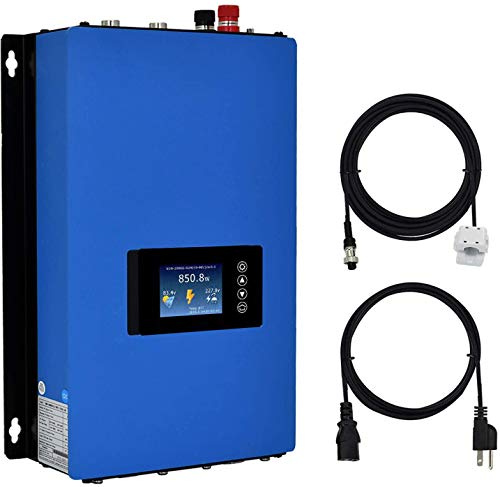
【Input Requirements】The Y&H grid tie inverter DC input 22-60V (startup voltage 26V), Voc (solar panel) must not exceed 60V to ensure good output efficiency, Please ensure that the solar panel power is not less than 200W and check the open-circuit voltage to be between 38-60V (Voc).
Pros of Inverters Without Batteries
- Lower Initial Costs: Opting for a battery-free inverter setup significantly reduces upfront expenses. This option eliminates the need for battery purchase and installation.
- Simplicity: Systems without batteries are often less complex. Fewer components mean easier installation, maintenance, and troubleshooting.
- Direct Utilization of Solar Energy: Inverters convert solar energy into electricity for immediate use. This process maximizes energy efficiency, especially during peak sunlight hours.
- Grid-Tied Benefits: If connected to the grid, your system can feed excess energy back to the utility company. This connection allows for net metering, meaning you can earn credits for surplus energy.
- Longer Lifespan: Without batteries, there’s no risk of battery degradation over time. Inverters typically have longer lifespans when not paired with batteries.
- No Energy Storage: The biggest drawback is the lack of energy storage. When the sun isn’t shining, you can’t access previously generated energy, which may limit your energy independence.
- Dependence on Grid Availability: If you rely solely on grid-tied systems without batteries, outages can leave you without power. This setup doesn’t provide backup during blackouts.
- Potential Energy Loss: If your system produces excess energy during low-demand periods, that energy goes unused unless fed back to the grid. You might lose the opportunity to store that energy for later use.
- Limited Usage: Your ability to power devices is constrained to sunlight availability. Relying on solar power without storage might not meet your energy needs during cloudy days or evenings.
- May Not Be Ideal for Remote Areas: In off-grid situations, relying solely on inverters without batteries may not provide a consistent or reliable power source.
Understanding these pros and cons helps you evaluate whether a battery-free solar inverter system fits your energy needs and circumstances.
Conclusion
Choosing a solar inverter without a battery can be a smart move for many homeowners. You can enjoy lower costs and a simpler setup while harnessing the power of the sun directly. Whether you’re considering a grid-tied system or looking to power your appliances straight from solar panels, there are plenty of options that suit your needs.
Just remember that while you’ll benefit from immediate energy use, you might face challenges during cloudy days or outages. Weighing the pros and cons will help you make the best decision for your unique situation. Embrace the sunshine and enjoy the energy savings that come with a battery-free solar system!
Frequently Asked Questions
Can solar inverters work without batteries?
Yes, solar inverters can operate without batteries. They convert solar energy into usable electricity by connecting directly to the grid or powering appliances in off-grid setups, making installation simpler and more cost-effective.
What are the types of solar inverters?
There are four main types of solar inverters: string inverters, microinverters, power optimizers, and hybrid inverters. Each type has unique benefits suited for specific applications, allowing users to choose based on their energy needs.
Why consider battery-free solar systems?
Battery-free solar systems reduce initial costs and complexity. They allow direct use of solar energy and provide grid-tied advantages, such as sending excess power back to the grid, making them an attractive option for many homeowners.
What are the pros of using solar inverters without batteries?
The advantages include lower initial costs, simpler installation, direct utilization of solar energy, the ability to sell excess power back to the grid, and potentially longer inverter lifespan due to reduced wear from charging cycles.
What are the cons of solar inverters without batteries?
Disadvantages include a lack of energy storage, reliance on grid availability, limited energy supply during non-sunny periods, and potential challenges in remote areas without grid access. These factors can affect overall energy independence.
