

Ever found yourself in a rush, only to discover your car battery has called it quits? What now? Picture this: you’re all set to hit the road, but your car won’t budge. Frustrating, right? Don’t worry, we’ve got your back. In this article, we’ll guide you through the steps to take when your car battery decides to take an unexpected break.
When your car battery decides to play dead, it can throw a wrench in your plans. But fear not, as we’re here to rescue you from this sticky situation. Imagine being able to jumpstart your car with ease, getting back on track in no time. Stay tuned as we unravel the secrets to reviving your car battery and getting you back on the road swiftly.
Assess the Situation
When your car battery dies, it’s essential to assess the situation quickly and stay calm. Here’s what you should do next:
- Check for any warning signs like dimming headlights or slow engine cranks. This could indicate a failing battery.
- Verify that the battery is the issue by turning the key in the ignition. If you hear a clicking sound or the engine struggles to start, it’s likely the battery.
- Inspect the battery terminals for corrosion or loose connections. These issues can also prevent your car from starting.
- Consider external factors that may have drained the battery, such as leaving lights on or extreme weather conditions.
Remember, a dead battery doesn’t have to ruin your day. Assess the situation promptly to get back on the road smoothly.
Gather the Necessary Tools
When your car battery dies, preparing the right tools can make jumpstarting your vehicle a smoother process. Here’s what you’ll need:
- Jumper Cables: Ensure they are in good condition and long enough to reach another vehicle.
- Protective Gear: Safety first – wear gloves and safety glasses to prevent accidents.
- Another Vehicle: You’ll need a vehicle with a charged battery to jumpstart yours.
- Wire Brush: Handy for cleaning any corrosion on the battery terminals.
- Owner’s Manual: Refer to the manual for your car’s specific jumpstarting instructions.
By having these tools ready, you’ll be well-equipped to handle a dead car battery effectively.
Recommended Products
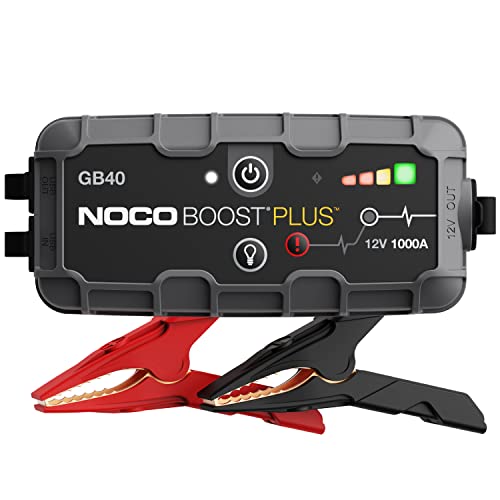
START DEAD BATTERIES — Instantly start dead batteries with 1000 amps of peak lithium power. Up to 20 starts per charge on engines up to 6.0L gas and 3.0L diesel.
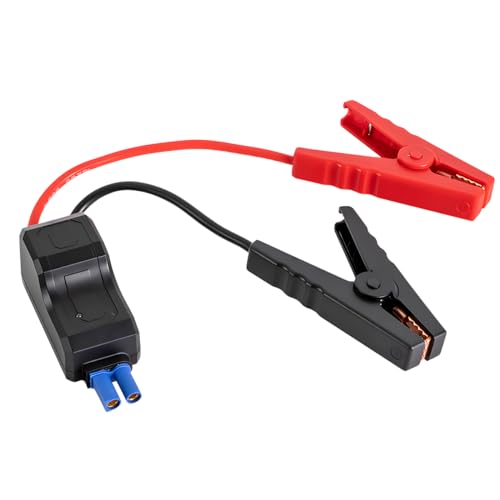
【Five Fold Protection】: This product can be anti-reverse charging, anti-over-discharging, anti-over-current, anti-reverse connection, anti-short circuit. Intelligent alarm system, safe and durable, built-in small wire to stabilize the current. Used to connect (car emergency jump starter and car battery), start the car, can prevent the positive and negative poles of the power supply collision and thus lead to short-circuit situation, high safety factor.

Portable Car Jump Starter: 4000 amp car jump starter, the 16000mAh car battery charger car jump starter can jump start most 12V vehicles up to 8.0L Gas/7.0L Diesel engines in seconds. even at -4ºF~149ºF, The powerful lithium motorcycle booster pack - up to 20 jump starts on a single charge (just over 25% of power is enough to start your car). Suitable for car, trucks, van, riding mower, motorcycle, boat, snowmobiling, ATV, RV, SUV, watercraft, yachts or tractor and so on.
Locate the Battery
When your car battery is dead, the first step is finding where it’s located.
- The battery is typically under the hood of your car.
- Look for a rectangular box with cables attached to it.
- In most vehicles, the battery is on either side of the engine bay.
If you’re unsure, refer to your owner’s manual for the exact location.
- It’s essential to locate the battery before jumpstarting your vehicle.
Remember, safety comes first, so before starting any work under the hood, ensure the car is turned off.
Jumpstarting the Car
When jumpstarting a car with a dead battery, you’ll need another vehicle with a working battery. Here’s what you should do:
- Step 1: Position the cars so the batteries are close but not touching.
- Step 2: Turn off both engines and open the hoods.
- Step 3: Connect the jumper cables: Red to the positive terminals, then red to black on the working battery, and black to any metal surface on the dead battery’s car.
- Step 4: Start the car with the working battery first, then the one with the dead battery. Allow them to run for a few minutes before disconnecting the cables.
Be careful and follow the steps precisely to avoid damaging the vehicles or risking injury. If you’re uncomfortable doing this yourself, don’t hesitate to contact a professional for assistance.
Recommended Products
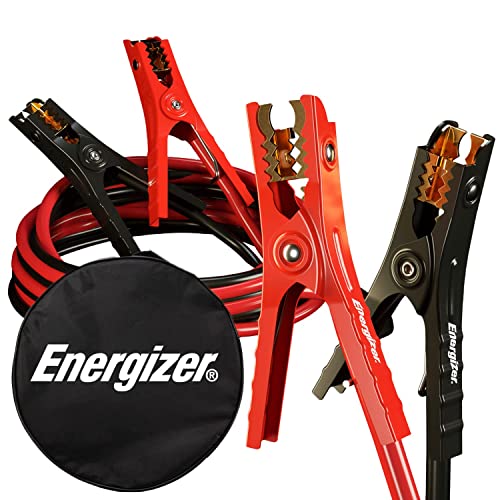
ENERGIZER 16 FEET JUMPER CABLES - 6 Gauge, 16 FT booster battery jumper cables for jump starting a dead or weak battery. Ideal for trucks, SUVs, full-size cars, mid-size cars and small/compact cars

HIGH-PERFORMANCE JUMP STARTING - The car jumper starter portable pack has a 45C high-rate lithium battery that can start 6.0 L gas/3.0 L diesel engines and other 12 V vehicles like motorcycles, cars, SUVs, pickups, or lawnmowers.This jump starter's powerful 1500 A peak suit current quickly starts low-voltage and fully-drained batteries, And suitable as a Father's Day gift for your dad.
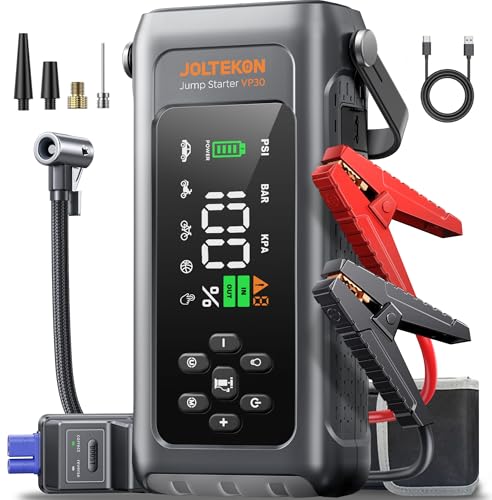
【8-IN-1 CAR BATTERY JUMP STARTER】This 12V Jump Box highlights highly integrated advanced functions but is more portable, transcending general battery booster. It's a portable car jump starter, tire pump, pressure gauge, portable power bank, flashlight, SOS signal, white strobe, red strobe as triangle warning light. Portable, versatile and must-have kit, your ultimate companion for emgencies, adventures and daily use!
Ensuring Safety
Before attempting to jumpstart a car, consider these safety tips:
- Avoid sparks, open flames, or smoking near the batteries.
- Wear protective gloves and eye gear.
- Make sure both vehicles are in park with their ignitions off.
Remember, safety is paramount when dealing with car batteries to prevent accidents and injuries.
| Important Safety Tips | |
|---|---|
| Avoid sparks, open flames, smoking | Wear protective gloves and eye gear |
| Check vehicles are in park with ignitions off |
Preventing Future Dead Batteries
Once you’ve successfully jumpstarted your car, it’s important to take steps to prevent future dead batteries. Here are some tips to keep your battery alive and kicking:
- Regularly Drive: Make sure to take your car for a spin frequently. Short drives may not give your battery enough time to fully recharge.
- Check Connections: Periodically inspect your battery terminals for any signs of corrosion. Clean them if needed to ensure a good connection.
- Turn Off Lights: Avoid leaving your headlights or interior lights on when the engine is off to prevent draining the battery.
- Invest in a Battery Charger: Consider purchasing a battery charger to maintain your battery’s health, especially during long periods of inactivity.
| Statistics | Facts |
|---|---|
| Annual breakdowns | Over 32 million in the US alone |
| Average battery life | About 3-5 years |
| Most common cause | Dead battery issues |
Remember, taking care of your car’s battery can save you time, money, and the hassle of dealing with unexpected breakdowns. Implement these preventive measures to keep your battery in top condition.
Recommended Products

Charger, Maintainer & Desulfator - An all-weather battery charger, battery maintainer, trickle charger, and battery desulfator. Perfect for charging and maintaining all 12-volt lead-acid, flooded or sealed maintenance free batteries (AGM and gel cell). ETL safety standard Listed.

Efficient, Energy-Saving, and Fast Charging: The TowerTop 12v battery charger offers 4 adjustable current settings (2A/10A/25A/AUTO) to meet your diverse needs. With a max charging current of 25A, you can fully charge a 100Ah battery in under 3.5 hours. Achieving an 85% charging efficiency (industry average 75%), this battery chargers is more efficient, increasing charging speed by 1640% compared to 2A car battery charger. Not only is it energy-efficient, but it also saves you a lot of wait time

【All-Climate Battery Charger】Built for extreme conditions (-20°C to 50°C), this intelligent car battery charger with dynamic temperature compensation (T-comp) technology for cars. Features adaptive winter/summer modes, AGM/GEL revival, and REPAIR mode for sulfated batteries, paired with zero-output trickle charging to prevent winter drain. The automotive battery charger weatherproof design and 24/7 support guarantee reliability in blizzards or heatwaves
Conclusion
Remember, regular driving and checking for corrosion on battery terminals can help prevent future dead battery incidents. Avoid leaving lights on when the engine is off, and consider investing in a battery charger for maintenance during periods of inactivity. With over 32 million breakdowns occurring annually in the US, it’s crucial to take care of your battery, as it typically lasts 3-5 years. By implementing these preventive measures, you can ensure your battery stays in optimal condition and avoid unexpected breakdowns.
Frequently Asked Questions
How can I avoid future dead batteries after jumpstarting my car?
Regular driving allows the battery to recharge fully. Check battery terminals for corrosion and avoid leaving lights on when the engine is off. Consider investing in a battery charger for maintenance during inactivity.
What statistics are shared regarding car breakdowns in the US?
There are over 32 million annual breakdowns in the US. The average battery life is 3-5 years, and dead batteries are the most common cause of issues.
Why is battery care important for vehicle maintenance?
Taking care of your battery helps prevent unexpected breakdowns. Implementing preventive measures ensures optimal battery condition.
