

Ever wondered if the batteries in electric cars are really as eco-friendly as they seem? Picture this: you’re cruising down the road in your electric vehicle, feeling good about reducing emissions. But are those batteries hiding a darker side? In this article, we’ll uncover the truth about whether electric car batteries are truly bad for the environment. Get ready to separate fact from fiction and gain a clearer understanding of the impact of these batteries on our planet. By the end, you’ll have a better grasp of the bigger picture and how your eco-conscious choices play a role in the grand scheme of things.
Environmental Impact of Electric Car Batteries
Wondering about the Environmental Impact of Electric Car Batteries? Let’s dive in and uncover the facts.
Manufacturing:
- Electric car batteries have a higher manufacturing carbon footprint compared to traditional vehicles.
- Despite this initial impact, they offset these emissions over the vehicle’s lifetime through lower operational emissions.
Materials:
- The materials used in batteries, such as lithium, cobalt, and nickel, raise concerns regarding sustainable sourcing and mining practices.
- Companies are seeking ethical sources and recycling solutions to address these challenges.
Longevity:
- Battery longevity is key to reducing the overall environmental impact.
- Advancements in battery technology aim to extend lifespan and improve efficiency.
Recycling:
- Recycling programs for batteries are essential to prevent waste and recover valuable materials.
- Proper disposal and recycling contribute to sustainable practices in the electric vehicle industry.
Lifecycle Analysis:
- Conducting a full lifecycle analysis helps evaluate the true environmental impact of electric car batteries.
- This approach considers manufacturing, usage, and end-of-life processes to make informed decisions.
Regulations:
- Government regulations play a crucial role in shaping the sustainability of electric vehicles.
- Supportive policies drive innovation and environmental responsibility in the automotive industry.
- While challenges exist, ongoing efforts in research, innovation, and regulation aim to minimize the environmental impact of electric car batteries.
- Your awareness and support can contribute to a greener future for transportation.
Materials Used in Electric Car Batteries
When it comes to electric car batteries, understanding the materials that go into them is crucial for assessing their environmental impact. Lithium-ion batteries, the most common type used in electric vehicles, contain key elements like lithium, cobalt, nickel, and graphite.
- Lithium is a vital component known for its lightweight and high energy density.
- Cobalt enhances stability and performance, but concerns arise regarding unethical mining practices and its environmental effects.
- Nickel contributes to battery efficiency and durability, while graphite is used in the anode to store energy.
- Manganese and aluminum are also used in certain battery variations for their specific properties.
The extraction and processing of these materials have raised questions regarding sustainability, ethical sourcing, and environmental impact. Efforts are being made to address these challenges through recycling programs, responsible sourcing practices, and innovative battery technologies.
As a conscious consumer, considering the materials in electric car batteries is essential for supporting sustainable and environmentally friendly transportation solutions.
Recommended Products
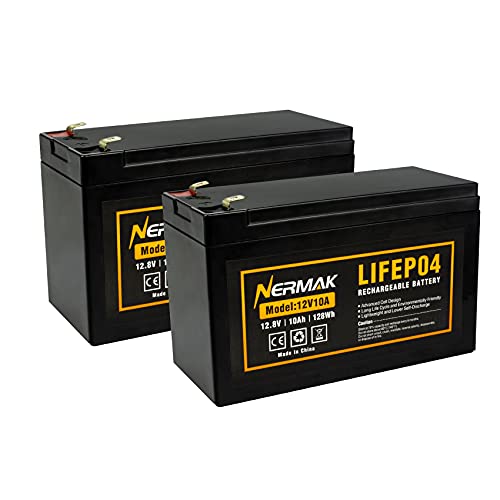
【Superior Performance】: Lithium iron phosphate battery has high energy density, Long cycle life, Good safety performance, No memory effect, etc. NERMAK LiFePO4 battery has built-in BMS protection to prevent overcharge, Over-discharge, Over-current and short circuit, and excessive low self-discharge rate ensuring up to 1-year maintenance-free storage.


Product Note: Max speed and range per charge vary based on several factors, including: rider weight, riding surface, incline, ambient temperature, battery level, riding style (stop/start vs cruising), etc.
Manufacturing Process and Carbon Footprint
When it comes to electric car batteries, the manufacturing process plays a crucial role in determining their environmental impact. Lithium-ion batteries, commonly used in electric vehicles, have a significant carbon footprint associated with their production.
The production of lithium-ion batteries involves mining raw materials like lithium, cobalt, nickel, and graphite. This extraction process contributes to environmental degradation, including habitat destruction and water pollution. Additionally, manufacturing battery components and assembling them into the final product requires energy, which often comes from non-renewable sources.
In fact, the production of electric car batteries accounts for a substantial portion of the total greenhouse gas emissions generated over the battery’s life cycle. It’s essential to consider not just the operational emissions from using the vehicle but also the emissions from producing the battery itself.
To mitigate the environmental impact of battery production, companies are increasingly investing in greener manufacturing practices. By using renewable energy sources in production facilities and improving efficiency, manufacturers can reduce the carbon footprint of electric car batteries.
By understanding the manufacturing process and the carbon footprint of electric car batteries, you can make informed choices as a consumer to support sustainable initiatives in the automotive industry.
Recommended Products

Buyer's Guide: Our battery mat is 11.73×7.87×0.40 inches, which is fit most models, including car, truck, boats, SUV, RV, etc. It is recommended that you purchase according to your specific needs so as not to compromise use and to guarantee performance

![Mighty Max Battery MM-H4L Start and Stop Car BCI Group Size 140 Positive Terminal on Left Side [+ -] 12V 50 AH, 80RC, 570 CCA Rechargeable AGM Car Battery](https://m.media-amazon.com/images/I/41Tk24NKjsL._SL500_.jpg)
Fast Starting Power: This 12V 50Ah 570 CCA delivers strong, steady starts is ready for any weather in any season.
Battery Recycling and Disposal Methods
When it comes to the end of vehicle battery life, recycling and proper disposal become crucial for environmental sustainability. Here’s how these processes help mitigate negative impacts:
- Recycling:
Recycling batteries allows for the recovery of valuable materials like lithium and cobalt, reducing the need for new mining. This process also helps prevent pollution from battery components.
- Disposal:
Improperly disposed batteries can leak harmful chemicals into the environment, leading to soil and water contamination. Recycling centers and specialized facilities ensure safe handling and disposal of batteries.
Remember, proper recycling and disposal of electric car batteries play a vital role in reducing the environmental impact of these innovative vehicles.
Recommended Products

No More Guessing Before You Toss: Before toss into battery recycling container, check the battery with our battery tester which can be used to test different type of household batteries like AA, AAA, C, D, 1.5V,9V and 1.5V button type. (NOT INCLUDED ANY Batteries)

Safely store used dry-cell batteries for disposal with this reliable storage box. Its durable design protects your batteries, while the space-saving structure keeps your recycling efforts organized. Ideal for homes, offices, and industrial settings, it’s the perfect tool for responsible battery disposal. Compact yet spacious enough to handle everyday use, this container transforms how you manage used batteries.

No More Guessing Before You Toss: Before toss into battery recycling container, check the battery with our battery tester which can be used to test different type of household batteries like AA, AAA, C, D, 1.5V,9V and 1.5V button type. (NOT INCLUDED ANY Batteries)
Future Innovations in Battery Technology
In the quest for more sustainable energy solutions, innovations in battery technology continue to play a crucial role. Here are some exciting advancements shaping the landscape:
- Solid-State Batteries: These next-generation batteries promise higher energy density, faster charging times, and improved safety compared to traditional lithium-ion batteries. They have the potential to revolutionize the electric vehicle industry by addressing current limitations.
- Recyclable Materials: Researchers are exploring the use of recyclable materials in battery production to minimize waste and environmental impact. Developing batteries that can be easily disassembled and recycled could streamline the sustainable lifecycle of electric car batteries.
- Battery Swapping: An emerging trend involves battery swapping stations where drivers can exchange depleted batteries for fully charged ones, reducing charging time significantly. This innovative approach aims to eliminate range anxiety and promote widespread adoption of electric vehicles.
- Artificial Intelligence: Integrating artificial intelligence in battery management systems can optimize performance, prolong battery life, and enhance overall efficiency. By constantly analyzing data and adapting to usage patterns, AI can help maximize the longevity of electric car batteries.
- Wireless Charging: Imagine effortless recharging without the need to plug in. Wireless charging technology is being developed to charge electric vehicles simply by parking over designated charging pads. This innovation enhances convenience and promotes the seamless integration of electric cars into daily life.
- Energy Storage Solutions: Beyond transportation, advanced battery technology is also vital for storing renewable energy from sources like solar and wind. By utilizing electric car batteries as energy storage solutions, we can enhance grid stability and maximize the utilization of clean energy sources.
Innovations in battery technology are continuously evolving, driving us towards a greener and more sustainable future. Exciting developments hold the promise of enhancing battery efficiency, durability, and environmental friendliness, making electric vehicles an even more attractive and eco-friendly choice.
Conclusion
You’ve now seen the strides being made in electric car battery technology to minimize environmental impact. From solid-state batteries to AI integration and wireless charging, innovations are driving towards a greener future. By focusing on recycling, sustainable materials, and efficient energy storage solutions, the industry is moving in the right direction. Embracing these advancements can pave the way for a more eco-friendly and sustainable approach to electric vehicles.
Frequently Asked Questions
What is the environmental impact of electric car batteries?
Electric car batteries have a significant environmental impact due to the extraction of raw materials, energy-intensive manufacturing processes, and potential pollution from disposal. Recycling and proper disposal are crucial to reduce environmental harm.
What are future innovations in battery technology?
Future innovations in battery technology include solid-state batteries for higher energy density and safety, the use of recyclable materials, battery swapping stations for faster charging, AI for battery management, wireless charging, and energy storage solutions.
How do these advancements contribute to a greener future for electric vehicles?
These advancements improve battery efficiency, durability, and environmental friendliness, leading to a greener and more sustainable future for electric vehicles by reducing pollution, enhancing performance, and promoting recycling and proper disposal practices.
