

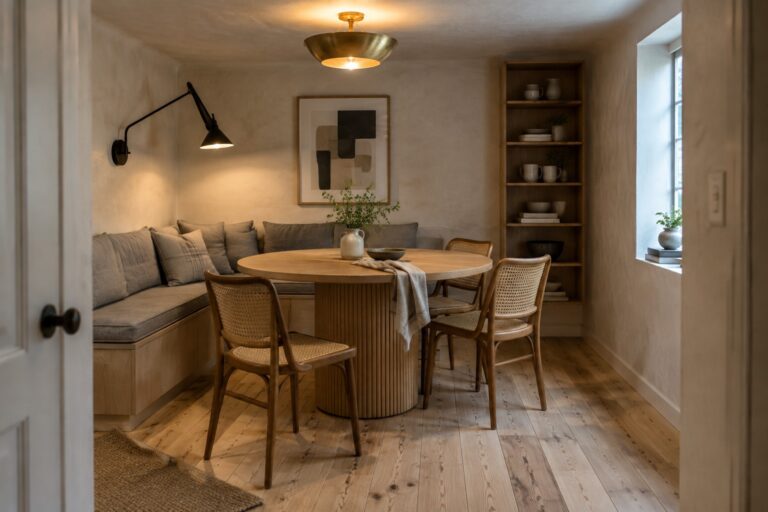
In homes with lower ceilings the dining room can start to feel closed in when the lighting hangs too far down or takes up too much visual space.
I found this out after replacing a fixture in my own dining area and noticing how much more comfortable the room felt once the light sat closer to the ceiling.
Choosing the right scale and shape often makes the difference between a space that works for long meals and one that people want to leave quickly.
Height and spread matter more than most expect.
Testing a few options in the actual room helps show which ones keep the area open while still giving the light needed for everyday use.
Use a Compact Dome Light Over the Table
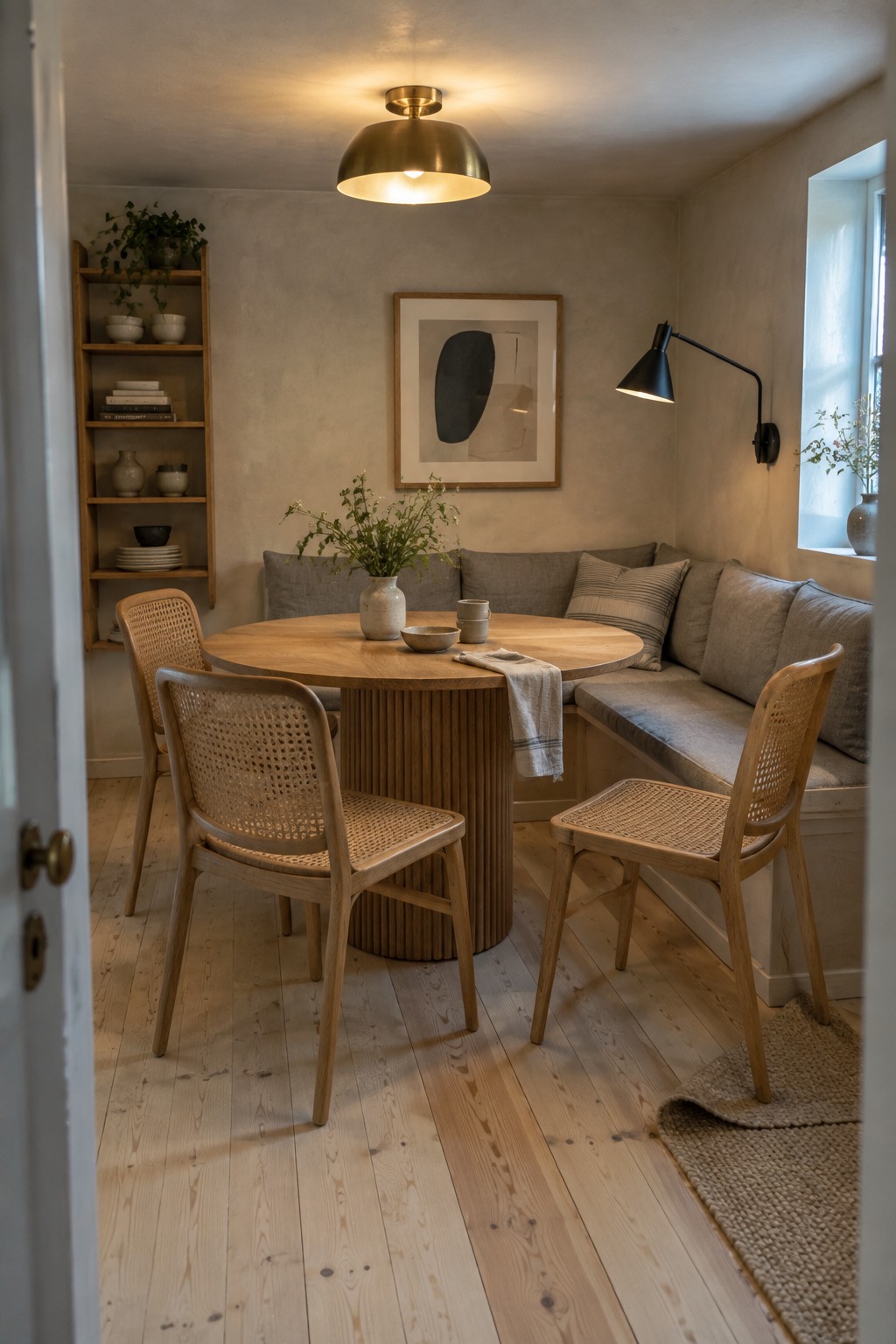
A dome fixture mounted close to the ceiling gives steady light across the table without dropping down into the room. It keeps the space open and works especially well when the ceiling height is limited.
This approach fits small dining areas or older homes where a hanging pendant would feel too low. Stick with a simple metal shade in a light finish so it reflects light evenly and stays out of the way.
Flush Mount Lights Keep Low Ceilings Feeling Open
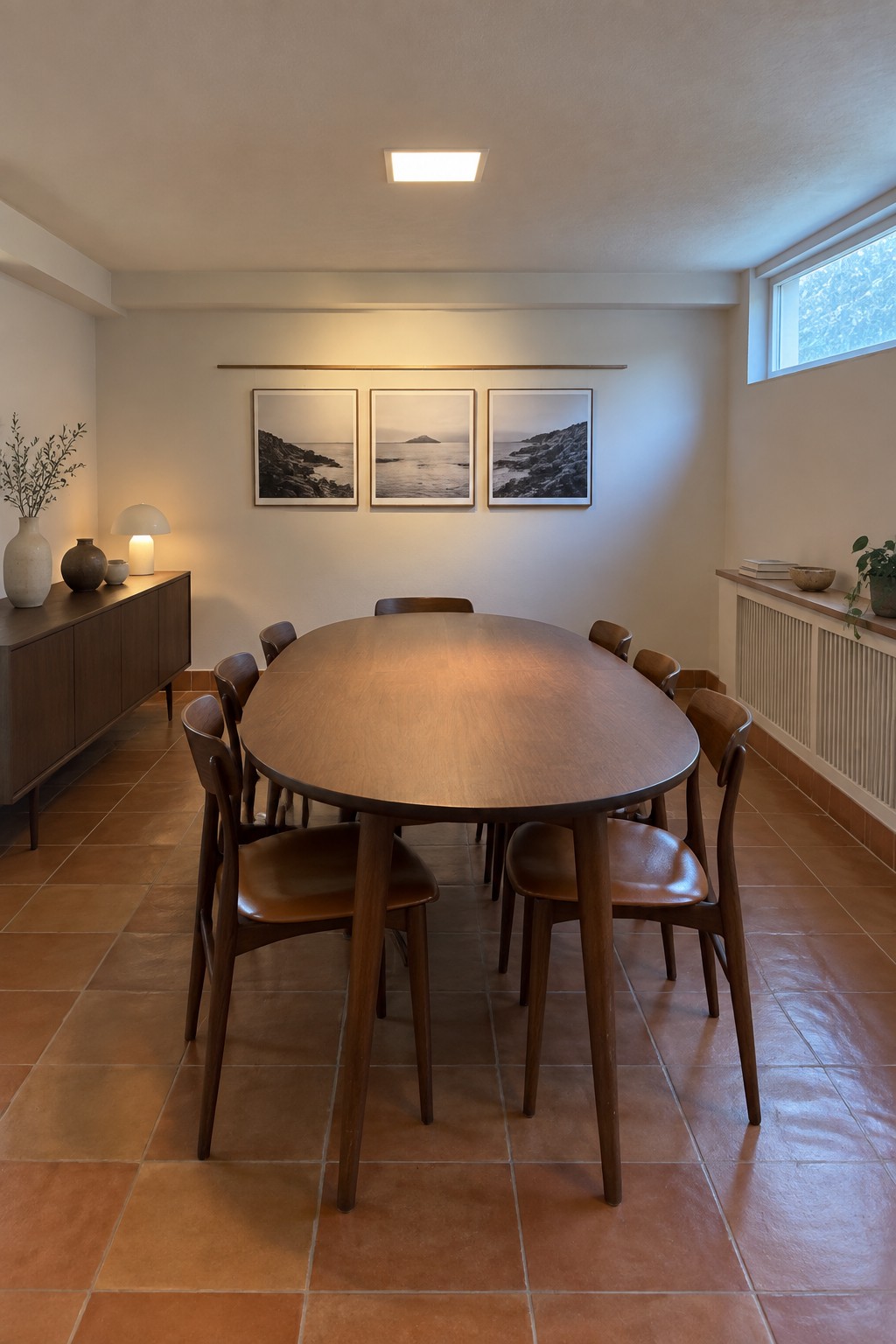
Low ceilings often push people toward smaller fixtures that still end up feeling cramped. A simple flush mount light avoids that problem by staying tight to the surface and leaving the room with more visual breathing room above the table.
This works especially well in older homes or any dining space where headroom is tight. It frees you to use the rest of the room for lamps or wall lights if you need more glow at night without adding bulk overhead.
Woven Pendants Work Well on Low Ceilings
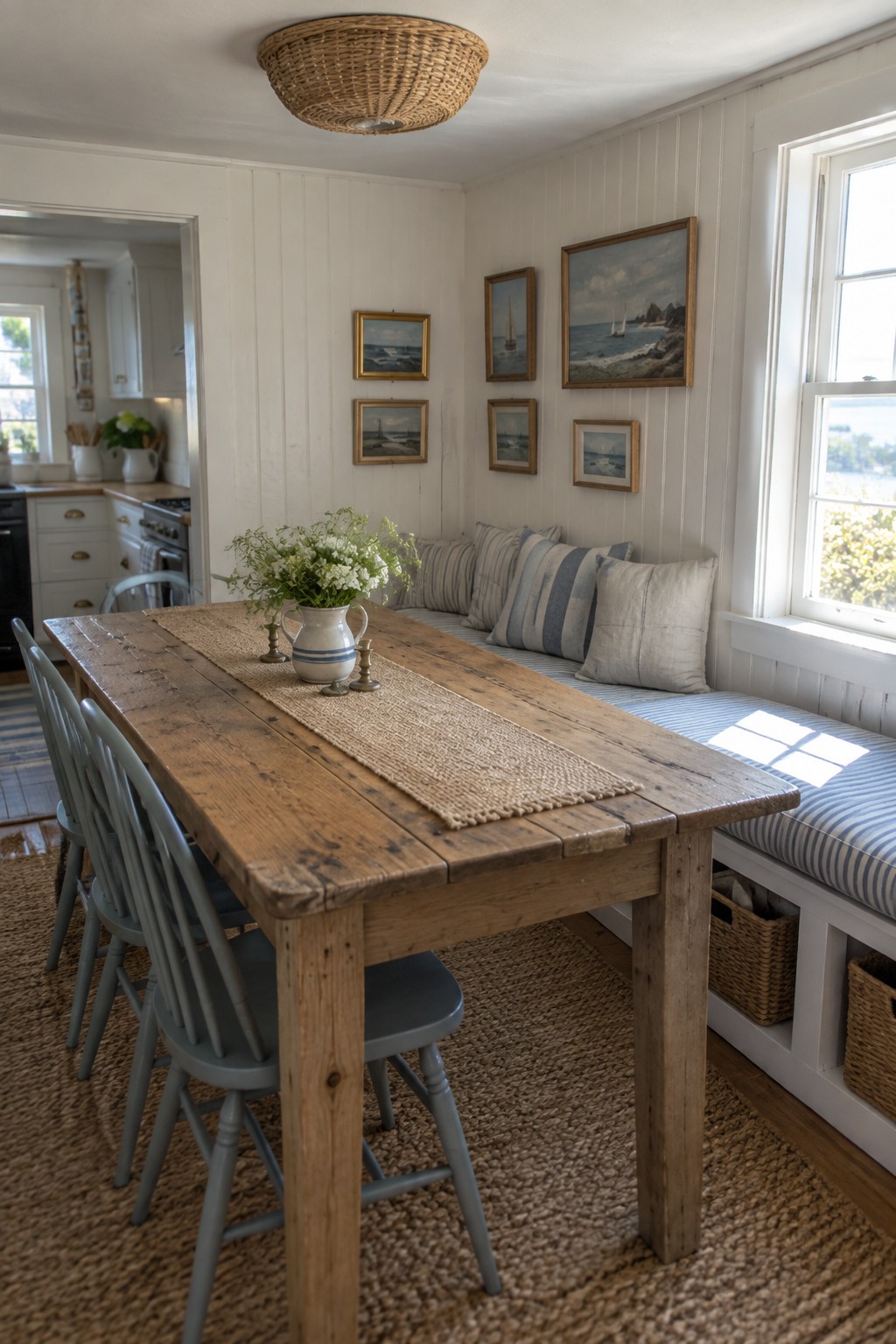
A woven pendant like the one here sits fairly flat against the ceiling and still gives the table a clear focal point. It brings in some texture without adding the bulk that bigger fixtures often carry in smaller or older rooms.
This approach suits casual dining spaces in cottages or homes with lower ceilings. Keep the shade wide enough to light the table surface and pair it with simple wall art or built-in seating to avoid crowding the space.
Use Several Small Ceiling Lights Over the Table
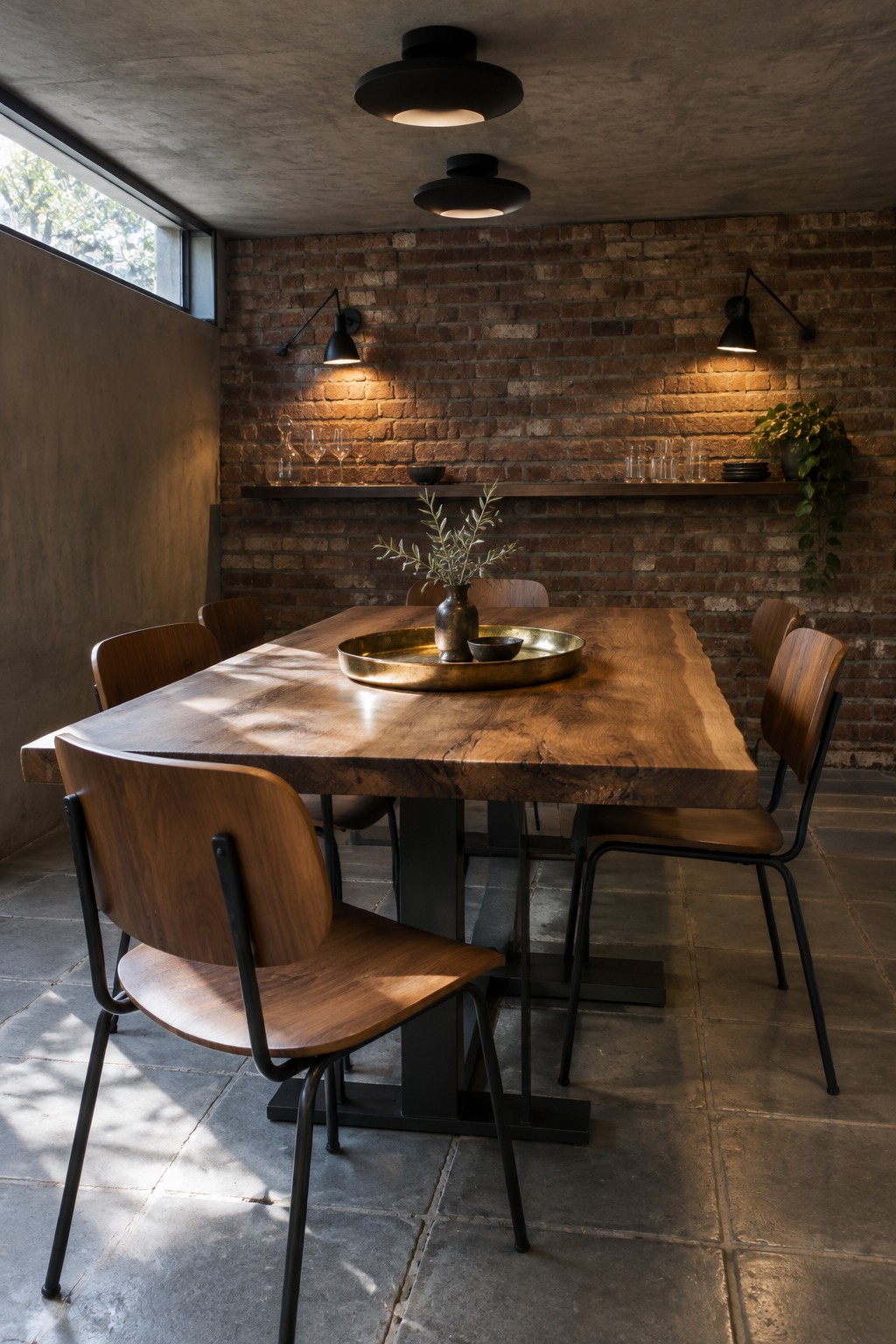
Many dining rooms with low ceilings struggle when people try to hang one large fixture in the middle. Spreading two or three smaller lights across the length of the table gives more even coverage without anything hanging low enough to get in the way. The fixtures stay close to the ceiling, so the room still feels open and the table stays the main focus.
This setup works especially well in narrower or rectangular rooms where a single big light would look out of scale. Place the lights so each one covers a section of the table, and add a couple of wall sconces if you need extra light on the sides. It keeps things simple and avoids the common problem of a fixture that dominates a small space.
Use a Multi-Light Chandelier with Smaller Shades
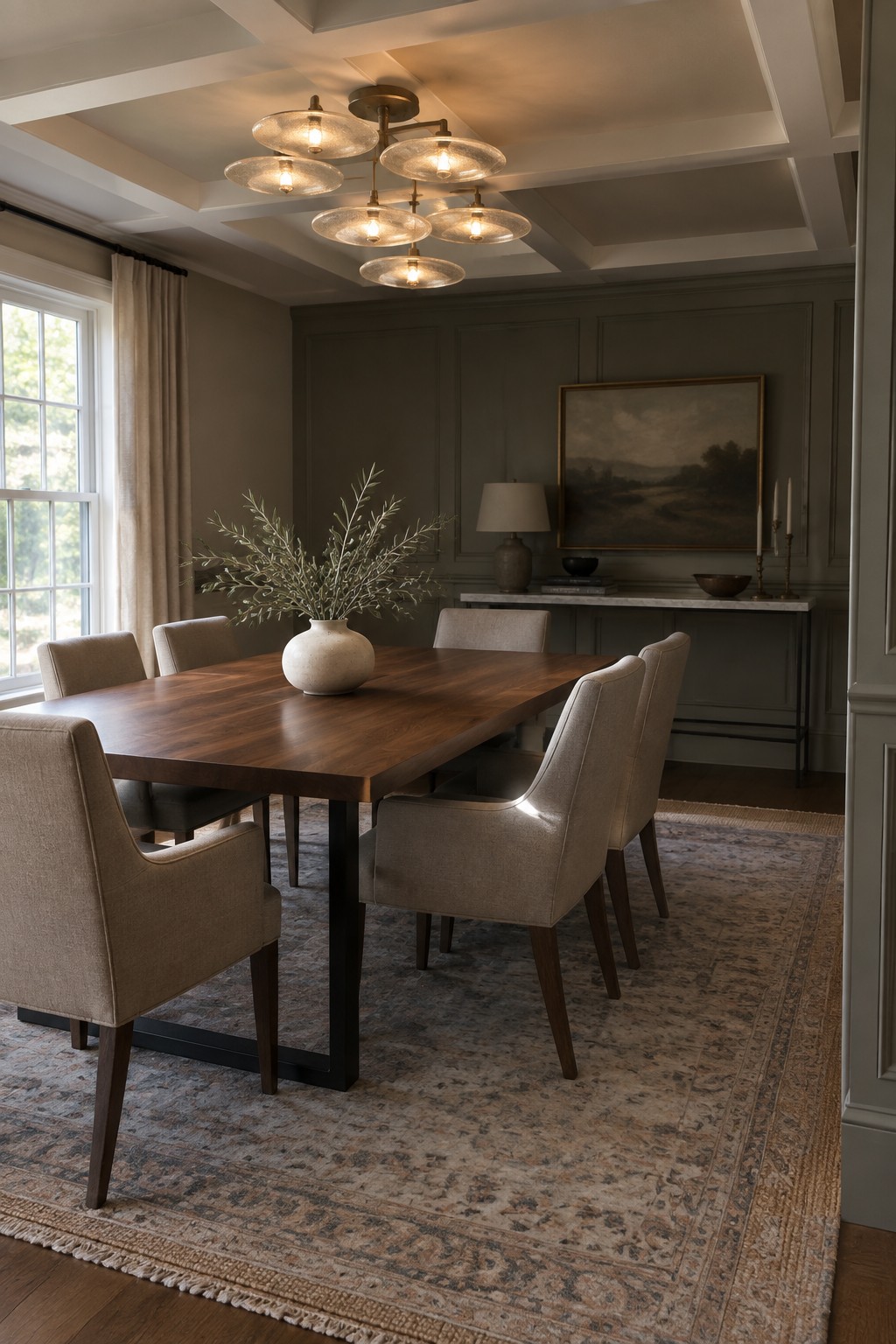
A dining room with lower ceilings often feels more open when the light fixture spreads across several smaller elements instead of one large body. This keeps the scale in check while still delivering enough light over the table area.
It works especially well in homes with traditional trim or paneled walls, where you want a bit of detail without adding weight overhead. Stick to simple glass shades and a compact arm spread so the fixture stays proportional to the table below.
A Wide Drum Shade Mounted Close To The Ceiling
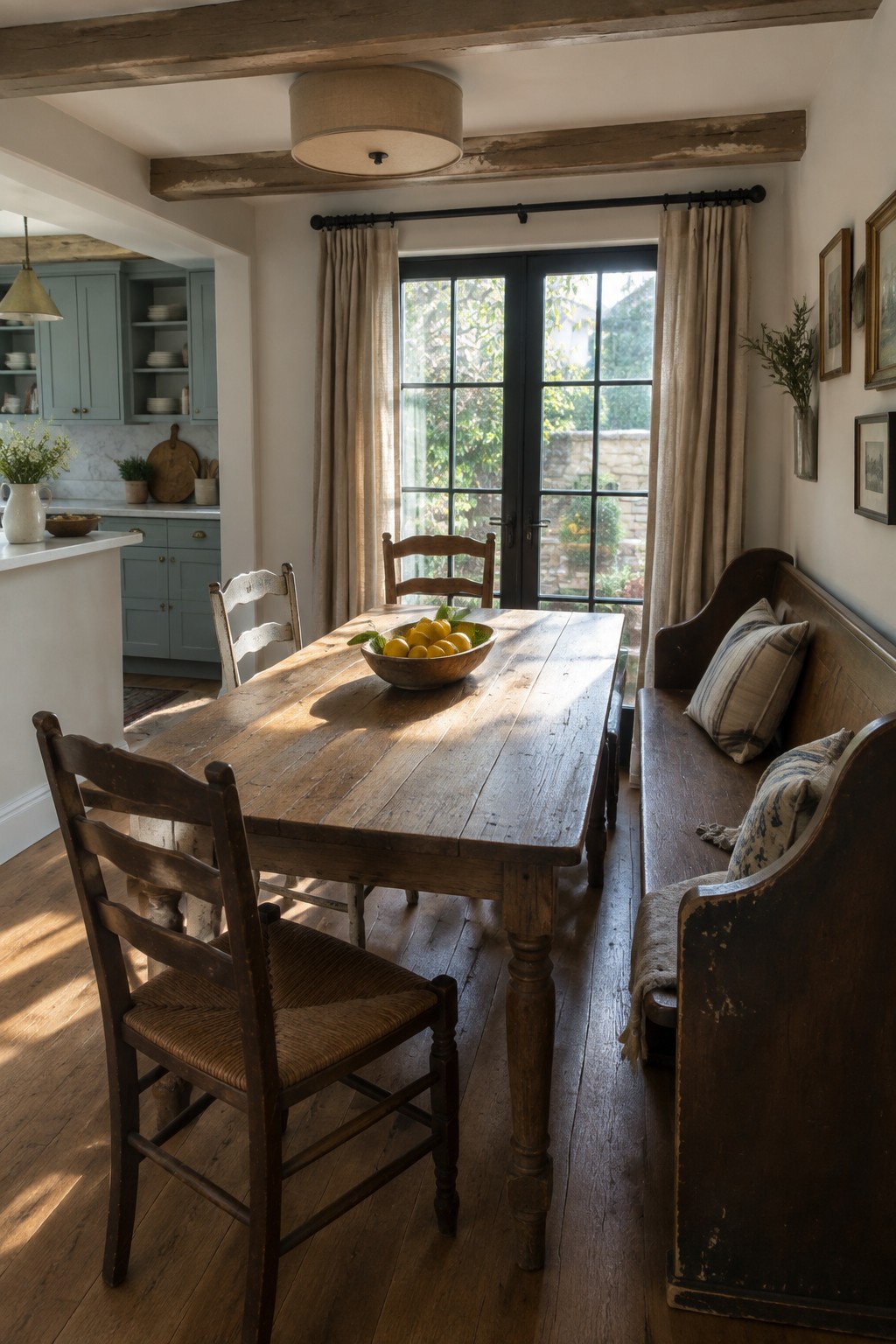
A wide drum shade works well in dining rooms where the ceiling sits lower than usual. It spreads light evenly across the table without dropping down into the space or blocking views across the room.
This style suits homes with exposed beams or simple wood ceilings, especially when the shade stays in a light neutral fabric. Measure the width against the table so the light covers the surface without overwhelming the scale of the room.
Linear Ceiling Lights for Low Ceilings
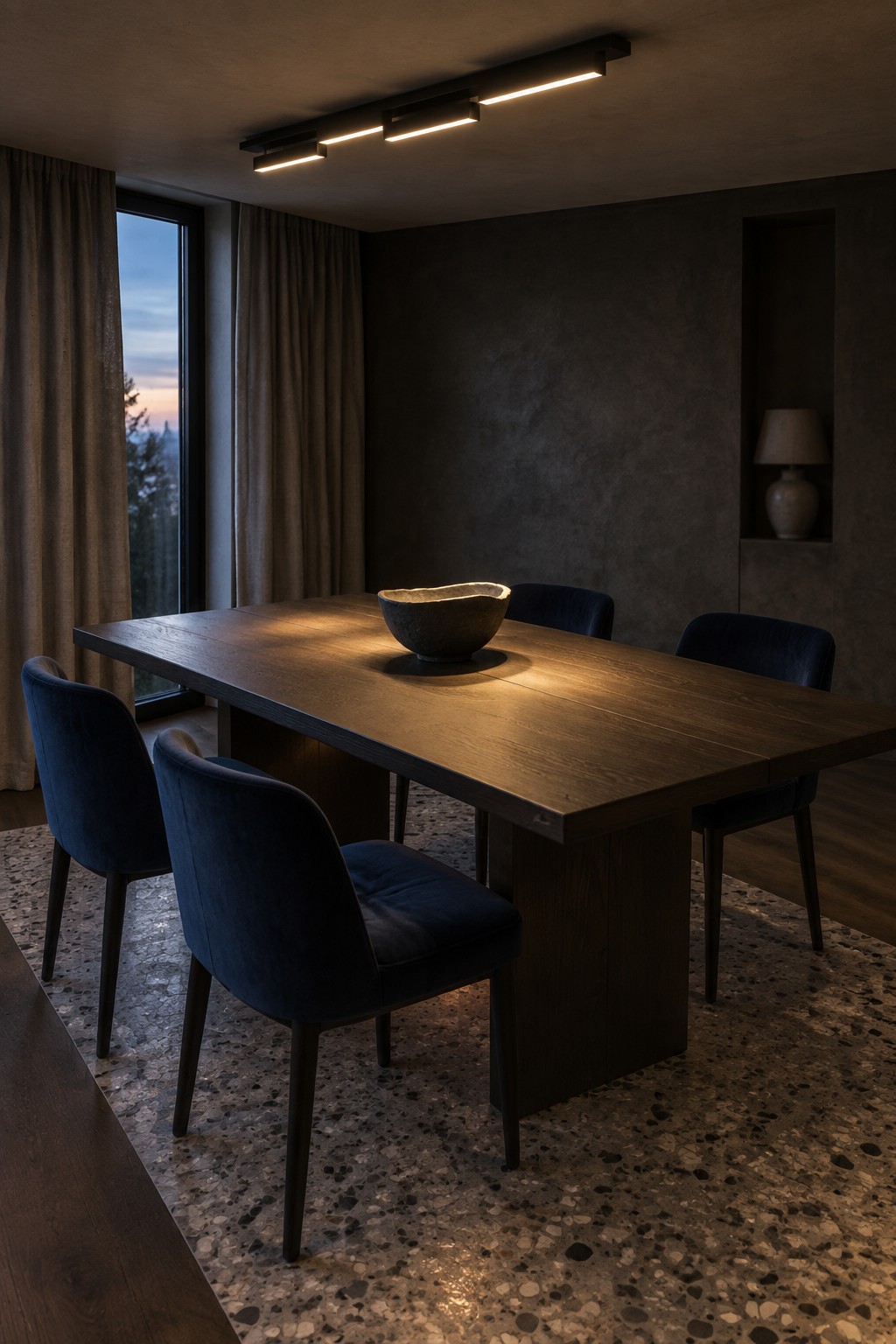
Dining rooms with lower ceilings often end up with lighting that hangs too low or feels out of scale. A row of slim linear fixtures mounted flat to the ceiling solves this by spreading light evenly across the table without dropping down into the room.
This approach suits smaller or more modern dining areas where you want brightness without visual weight. Match the fixture finish to the ceiling color so the lights recede when they are off.
Hang a Paper Lantern Over the Table
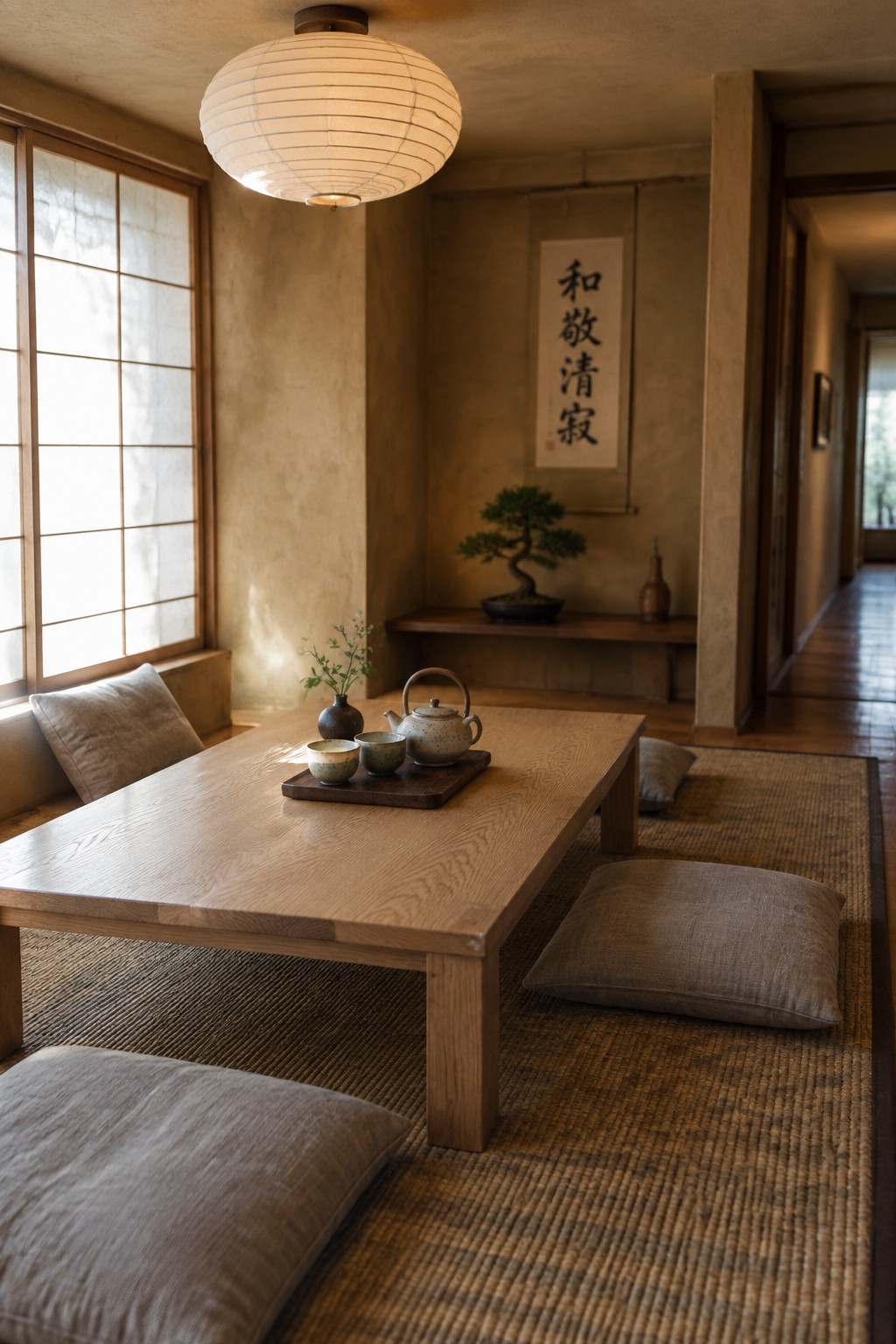
A paper lantern keeps things simple when ceilings sit low and you still need light over a dining table. The thin material diffuses the bulb so the glow stays soft, and the whole fixture stays light enough that it does not crowd the space or pull the eye downward.
This works best in smaller dining rooms or homes that already lean toward low tables and minimal furniture. Hang it on a plain cord at a height that clears heads but still feels intimate, and skip anything with multiple arms or thick shades that would fight the low ceiling line.
Use a Cluster of Small Globe Lights
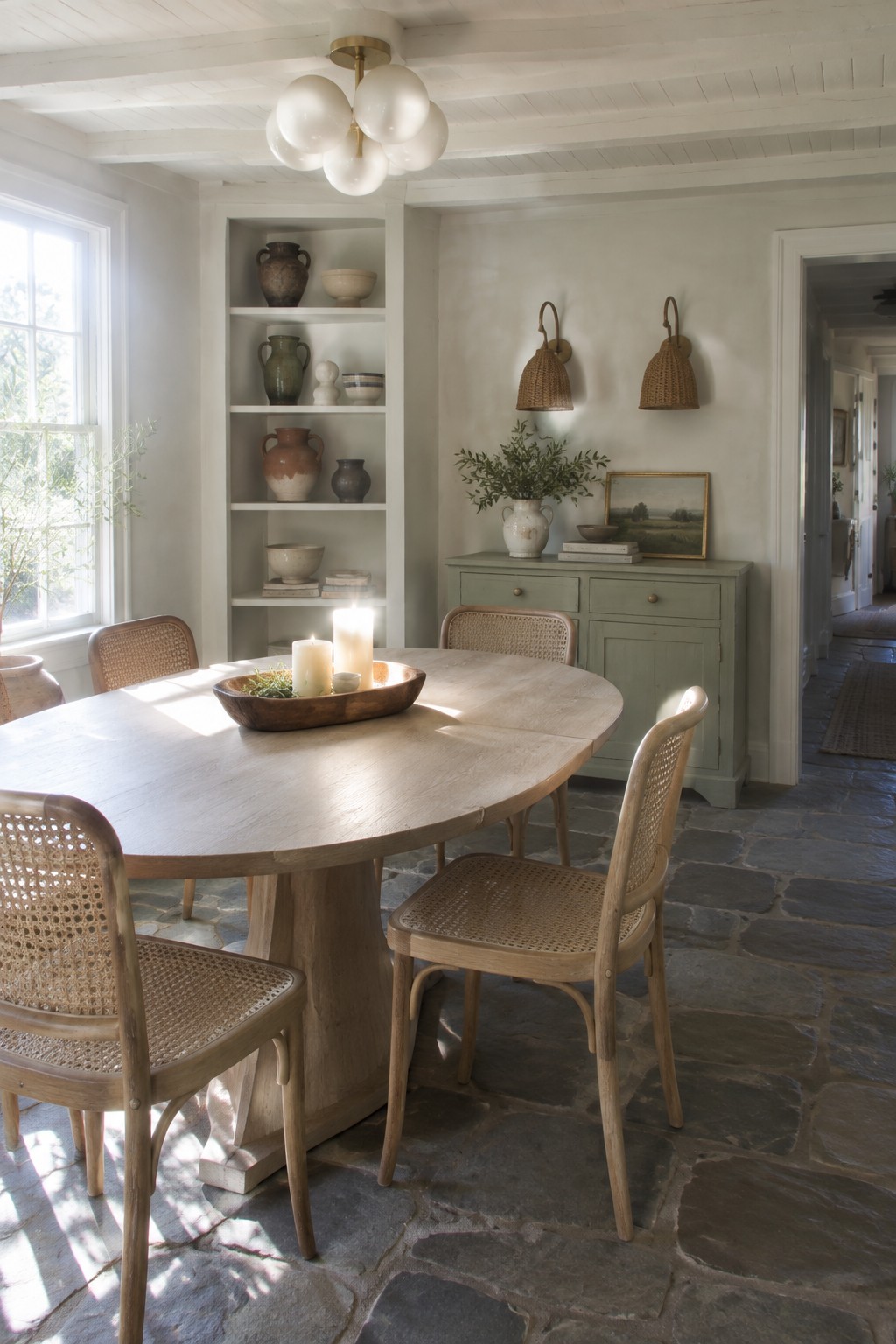
Low ceilings often make it hard to find dining room lights that feel right without crowding the space. A group of smaller globes grouped together gives steady light across the table while staying close to the ceiling and avoiding any bulky single shade.
This setup works especially well in rooms with white painted beams and simple walls. Keep the fixture centered over the table and add a pair of wall sconces nearby so the whole area stays bright without needing anything oversized.
Recessed Lights With A Candle
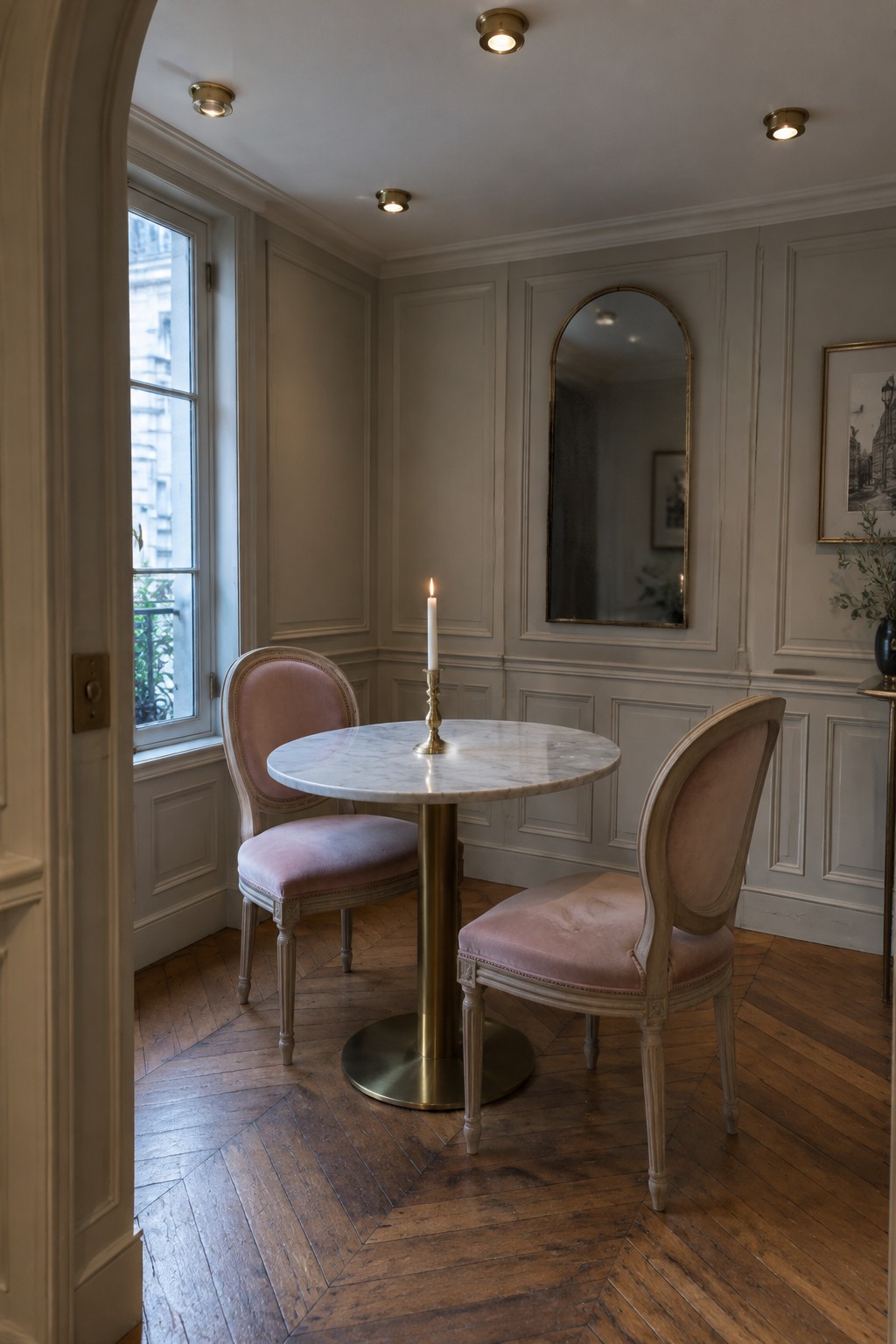
Small recessed lights in the ceiling work well when you want light without adding bulk overhead. They give steady background light in a low room while a single candle on the table brings the softer glow that makes dinner feel more finished.
This approach suits older homes or any dining spot where a hanging fixture would feel too heavy. Keep the recessed lights simple and centered over the table area, then choose one low candle holder so the setup stays balanced and easy to use every night.
Slim Pendant Lights Work Well in Low Ceilings
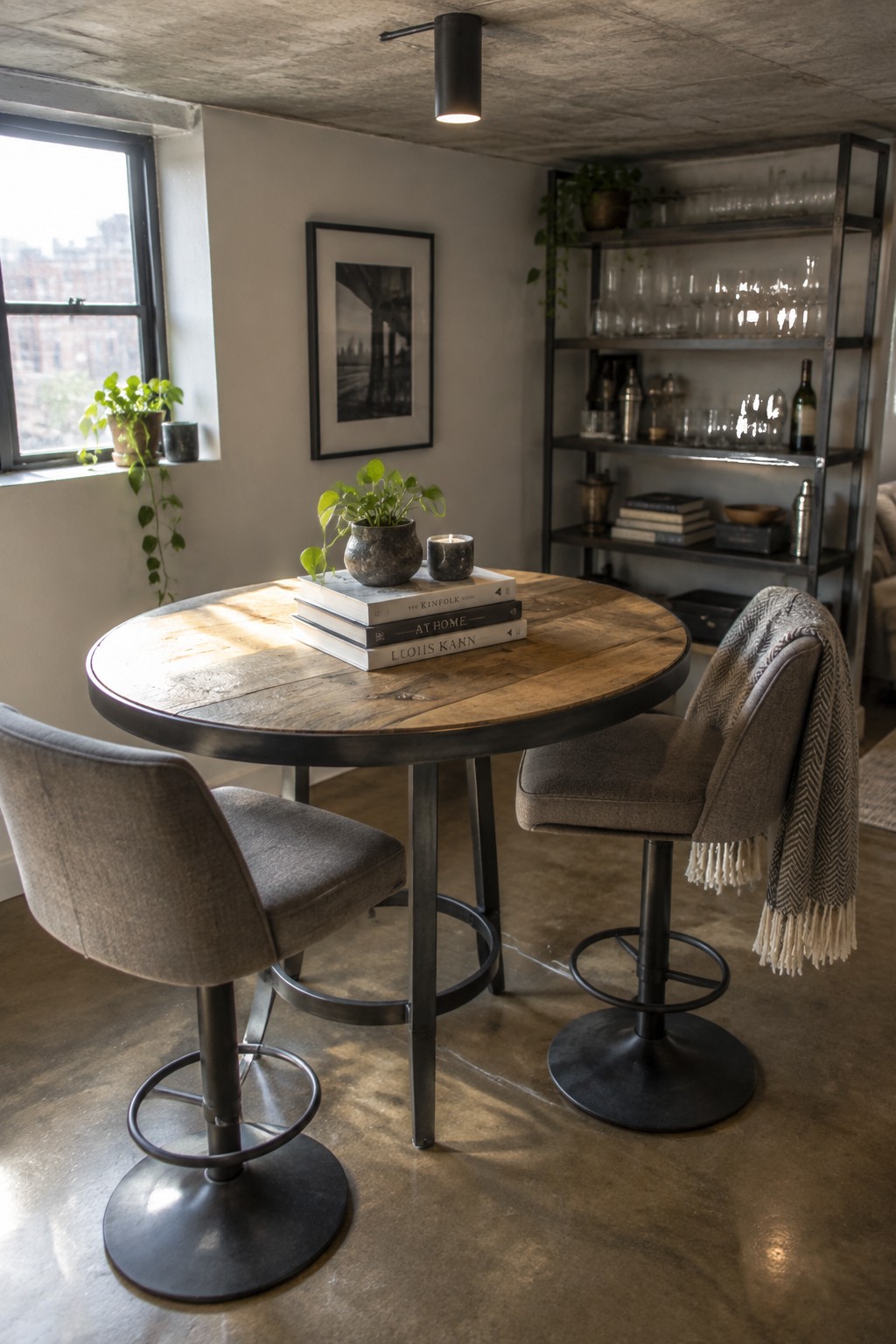
A slim pendant keeps the ceiling feeling higher in a dining space. It hangs down just enough to light the table without taking over the room or making the ceiling seem lower than it already is.
This style works best in smaller dining areas or apartments where every inch counts. Stick to a narrow shape and dark finish so it blends into the background rather than standing out.
Hang a Wide Shallow Pendant Low Over the Table
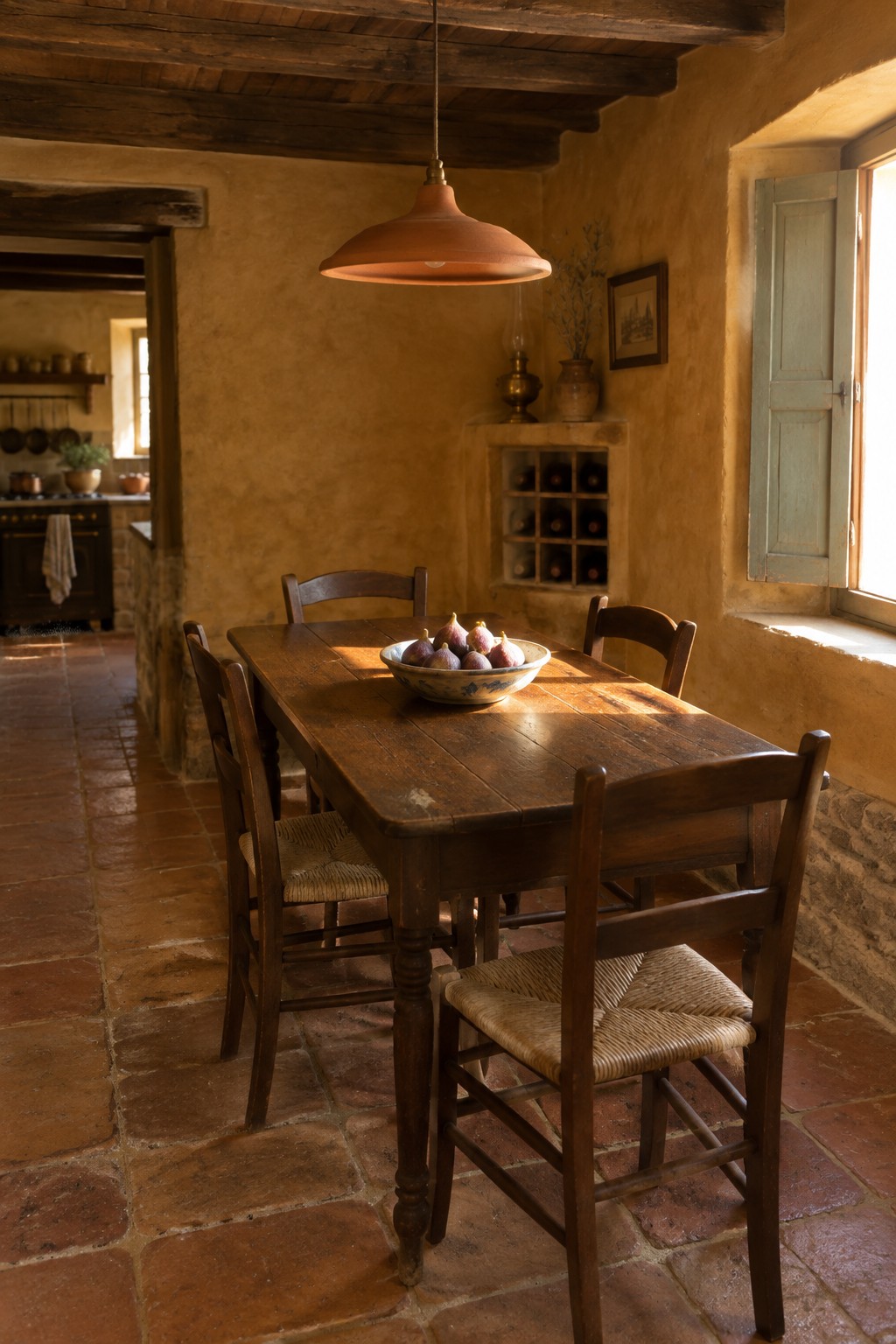
A wide but shallow pendant gives enough coverage over a dining table without needing a lot of vertical room. The broad shade spreads light evenly while the low profile keeps the fixture from feeling heavy or out of scale in rooms where ceilings sit lower than average.
Hang it so the bottom sits just above head height when people are seated. This works especially well in older homes with wood tables and simple finishes, where you want focused light on the surface without crowding the space above.
Use a Woven Pendant Light
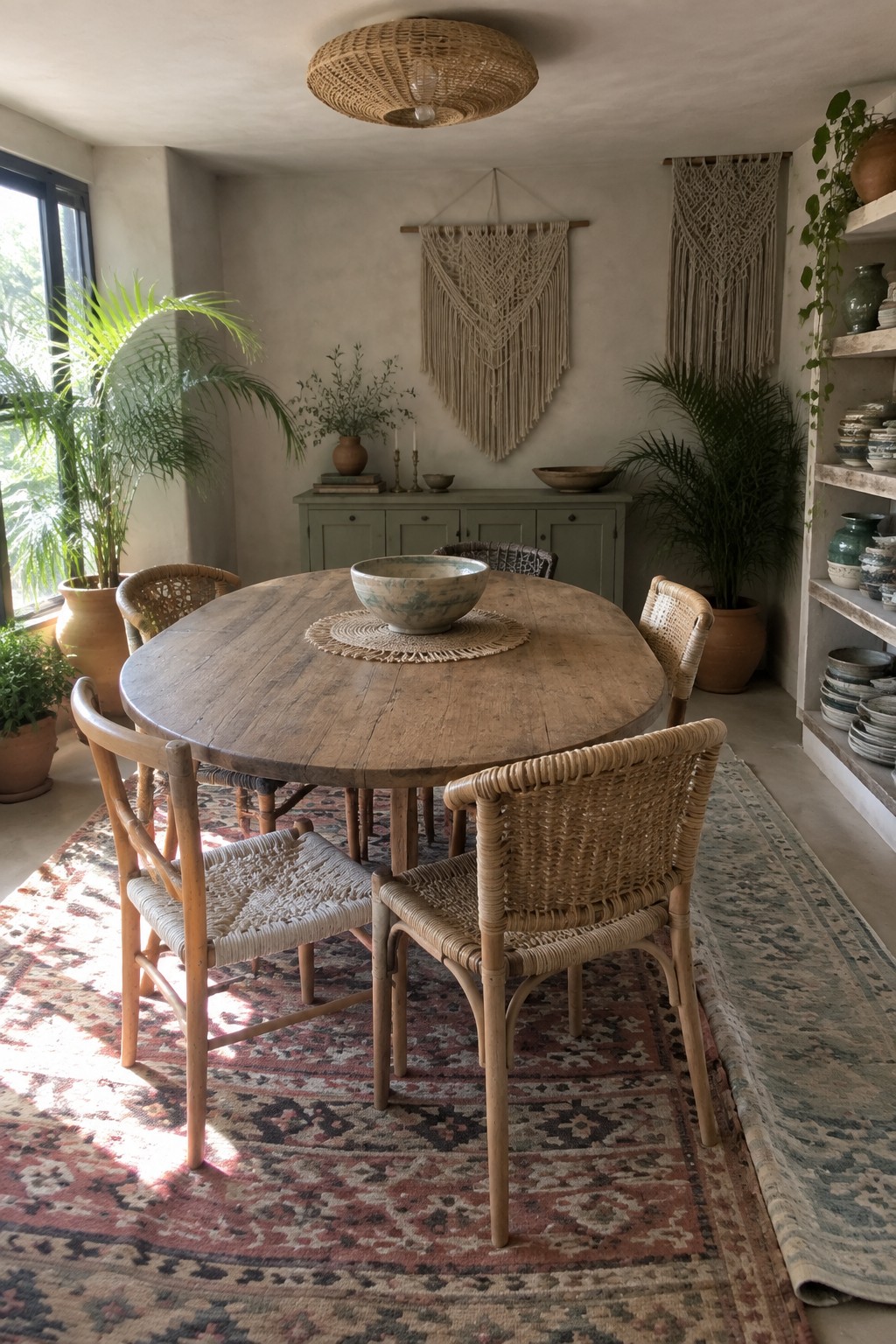
A woven pendant works well in dining rooms with lower ceilings because it spreads light across the table without hanging down too far. The natural material adds texture that fits with wood furniture and simple finishes.
This type of fixture suits homes that already lean toward natural tones and woven details. Keep the shape wide and fairly shallow so it stays out of the way during meals and does not feel heavy in the space.
Choose a Shallow Drum Chandelier
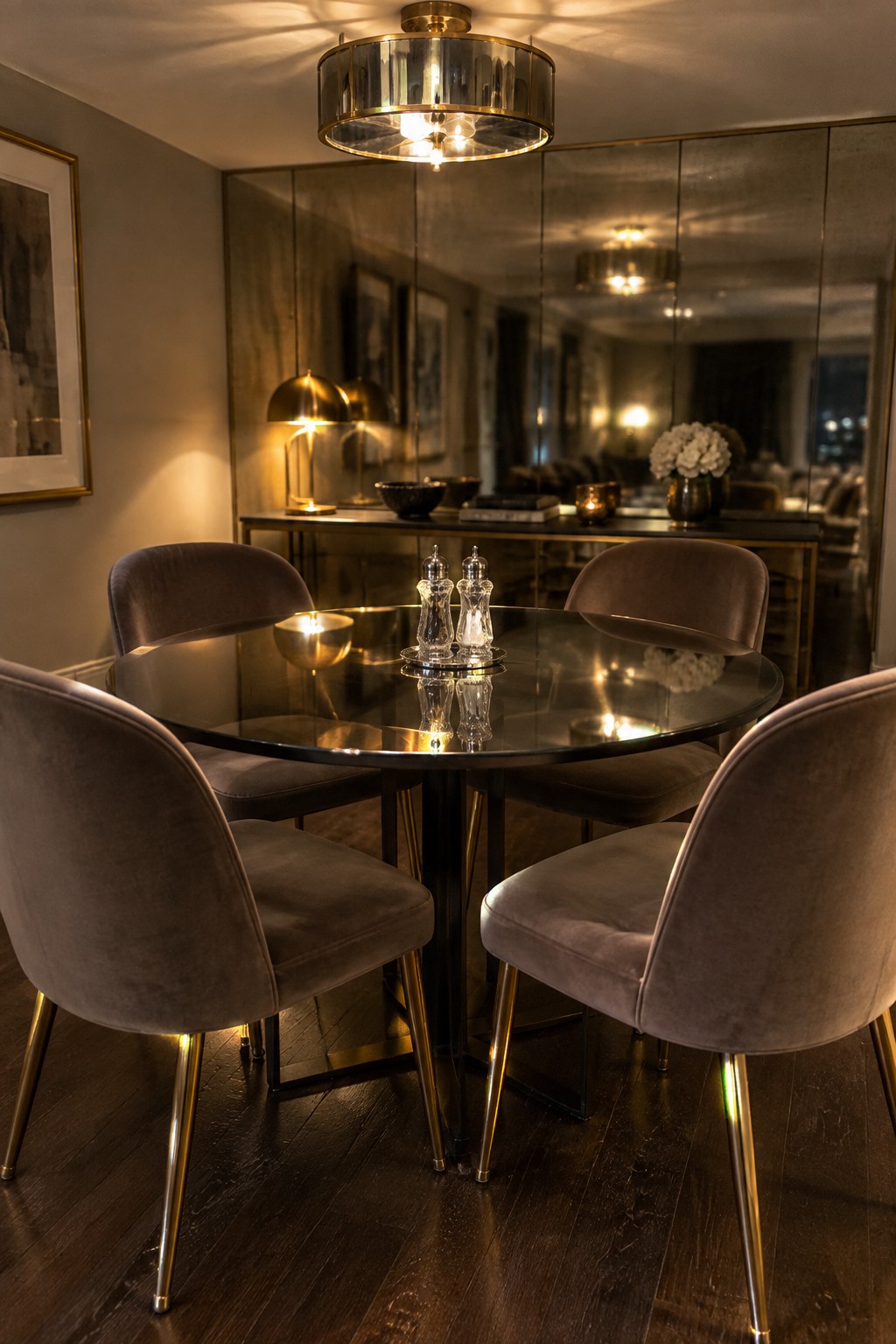
Low ceilings often rule out big hanging lights, but a shallow drum fixture can still give a dining area some presence without dropping too low. The key is keeping the height minimal while letting the width spread the light across the table.
This works best in homes where the ceiling sits around eight feet or lower. Stick to fixtures that stay under ten inches tall and match the table diameter so the whole setup feels balanced rather than cramped.
Use a Flush Mount Ceiling Light
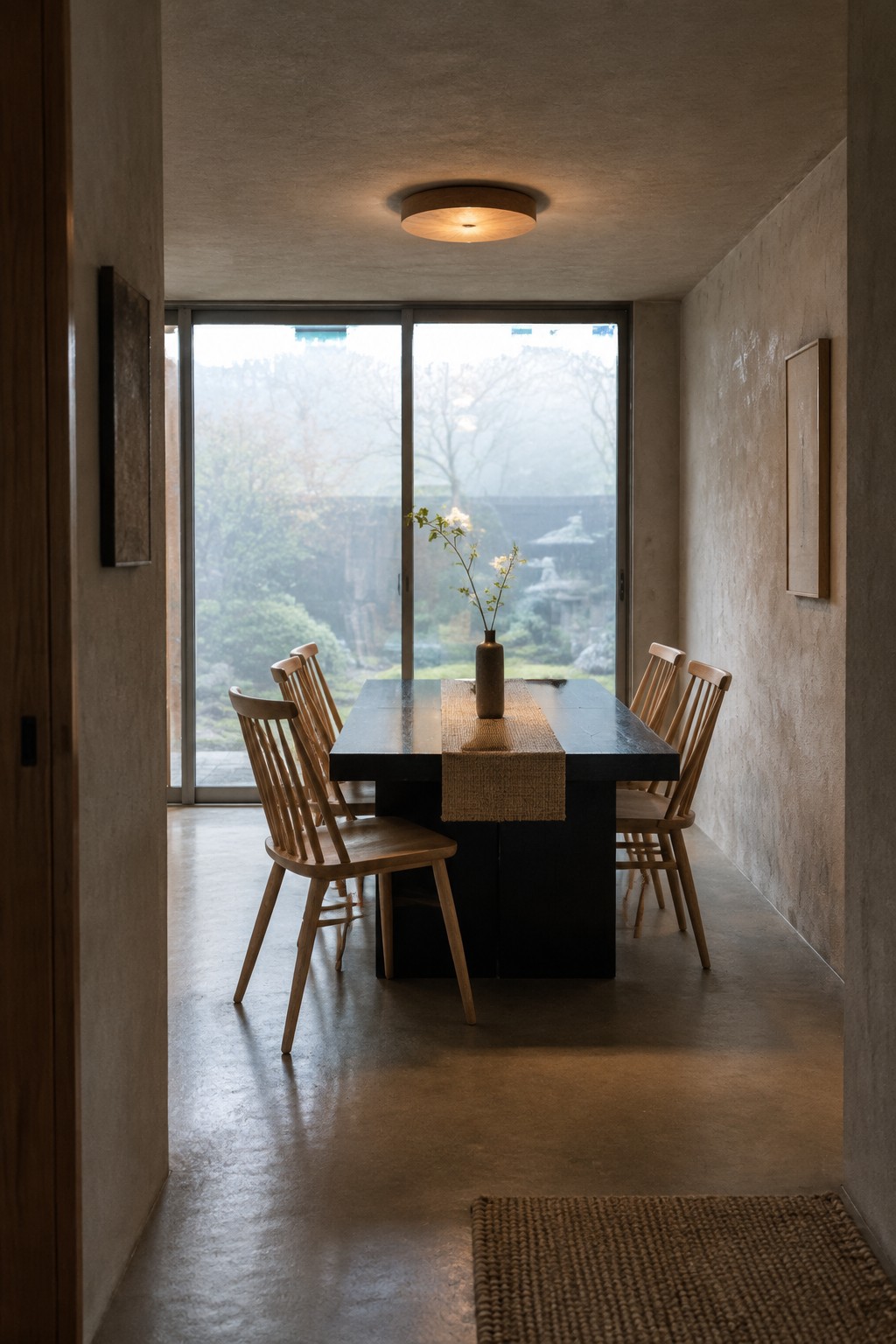
A flush mount keeps the ceiling line clean and avoids the visual weight that comes with anything that drops down. In rooms where the ceiling already sits lower, this choice prevents the light from feeling like it crowds the table or interrupts the flow of the space.
It works best in dining areas that get plenty of daylight from nearby windows, since the fixture only needs to handle evening use. Look for a simple round or shallow shape in a natural material so it blends rather than stands out, and keep the finish close to the ceiling color if you want the whole room to feel even taller.
Use Small Flush Mount Lights Over the Table
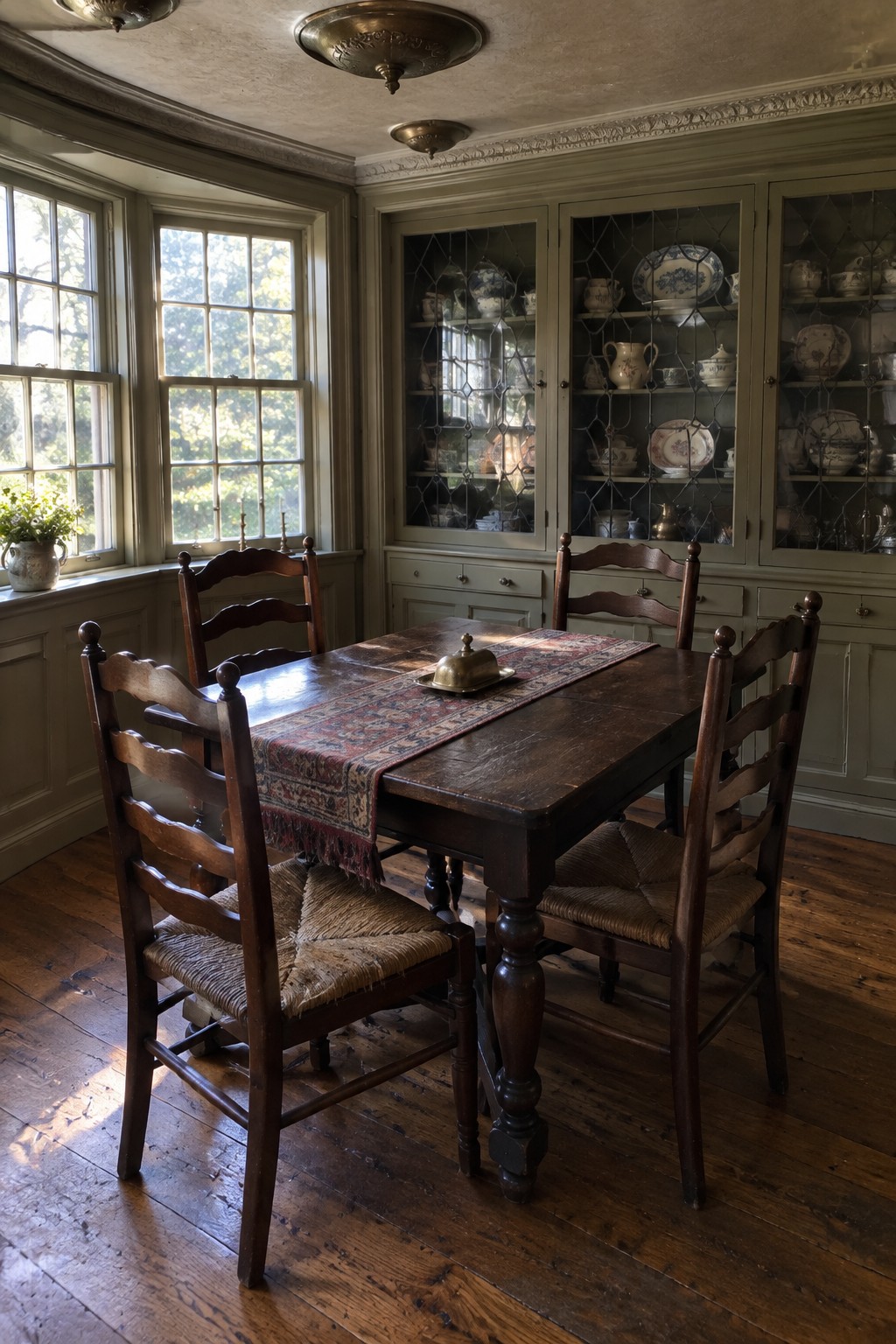
Many older dining rooms have ceilings that sit a little lower than modern ones, and a big hanging fixture can quickly start to feel in the way. Small flush mount lights give enough light for meals without taking up vertical space or casting shadows across the table.
Place two or three of them in a row above the center of the table, and keep the finish simple so they blend with the ceiling. This approach works especially well in homes with wood trim and built-in cabinetry, where you want the focus to stay on the furniture rather than the lighting.
Small Mesh Lights for Low Ceilings
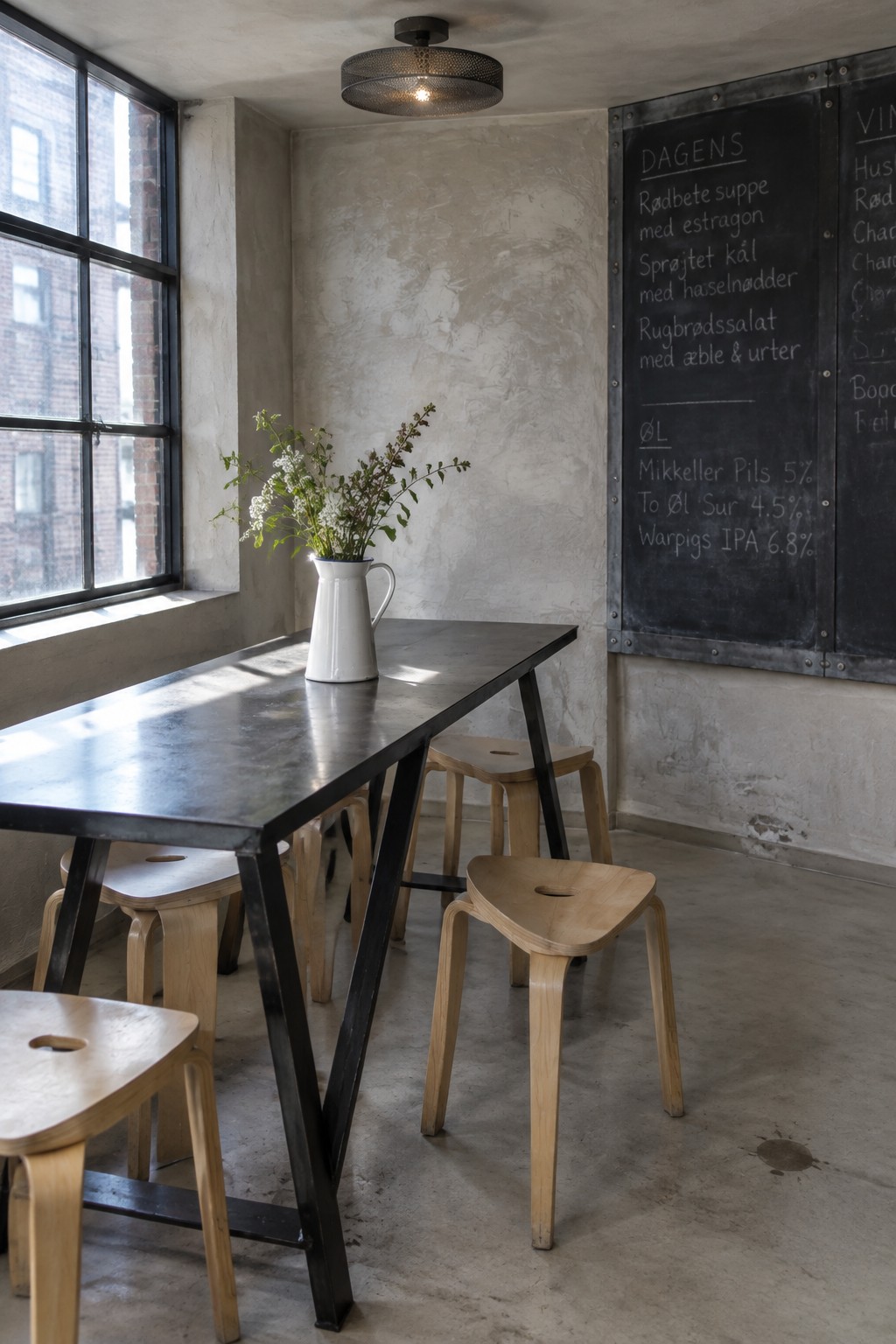
A compact mesh ceiling light can be a good choice when ceiling height is limited. It spreads a soft, even glow across the table without dropping low or filling the space visually.
This works well in simple dining setups where you want light that stays out of the way. It suits homes that lean toward clean lines and practical fixtures rather than anything ornate or large.
Keep the Light Fixture Small
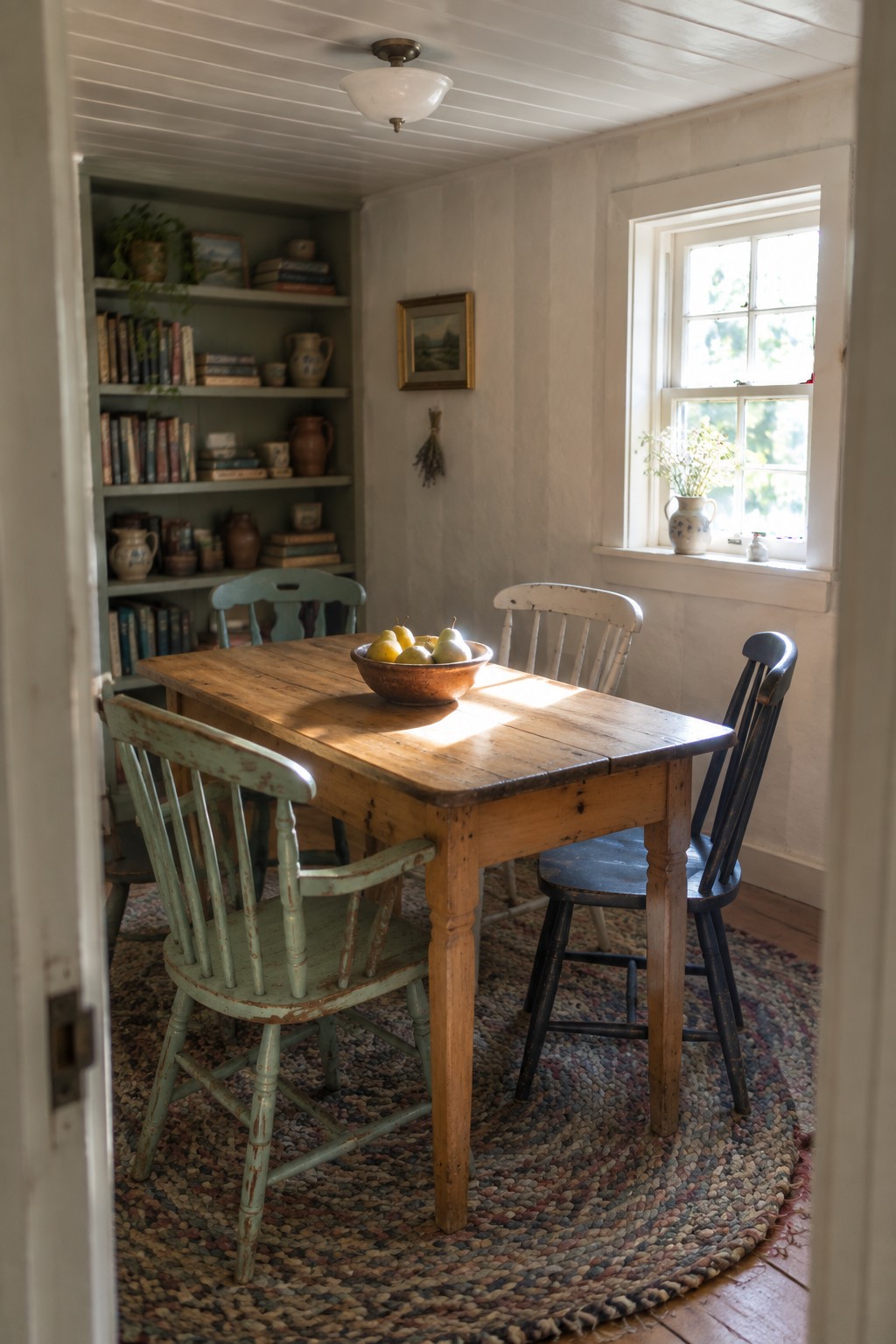
A small ceiling light works well in dining rooms where the ceiling sits low. It gives enough light for meals without hanging down into the space or making the room feel crowded. Many older homes have this same limit, and a simple fixture avoids the problem of oversized pieces that dominate the table.
This approach suits cottages, capes, and any dining area with standard eight-foot ceilings. Look for a shallow glass or metal shade that sits close to the ceiling, and keep the diameter under twelve inches so it stays in scale with the table below.
Flush Mount Lights Keep Ceilings Clear
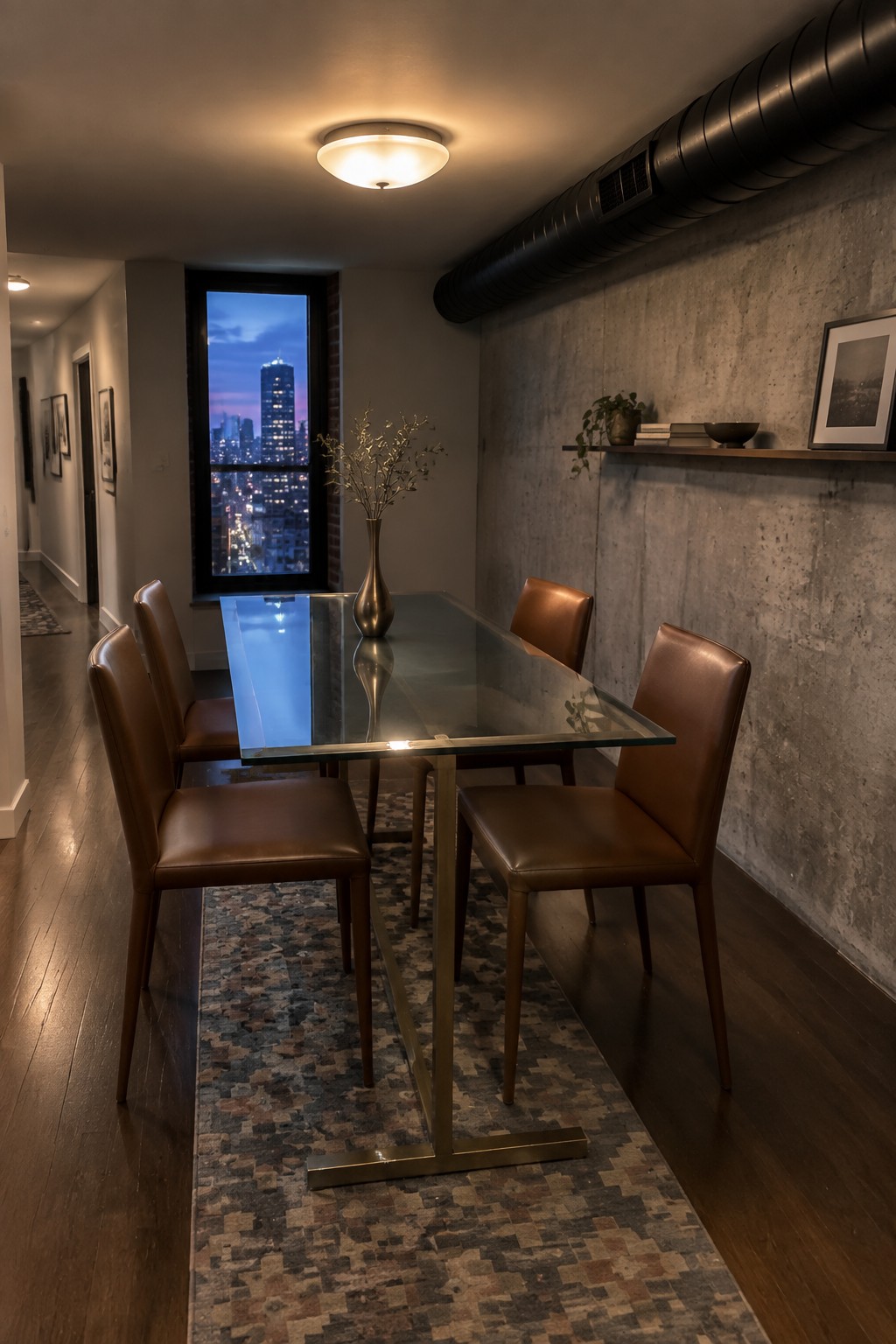
A flush mount light sits right against the ceiling and still gives a dining room enough brightness without taking up visual space. This works especially well when the ceiling height is limited and a hanging fixture would feel too heavy or get in the way.
Place one centered over the table in a smaller room or apartment dining area. It pairs nicely with a reflective tabletop that helps bounce light around, and it leaves the rest of the room open for other simple touches like wall art or a narrow shelf.
Recessed Lights Keep Low Ceilings Bright And Open
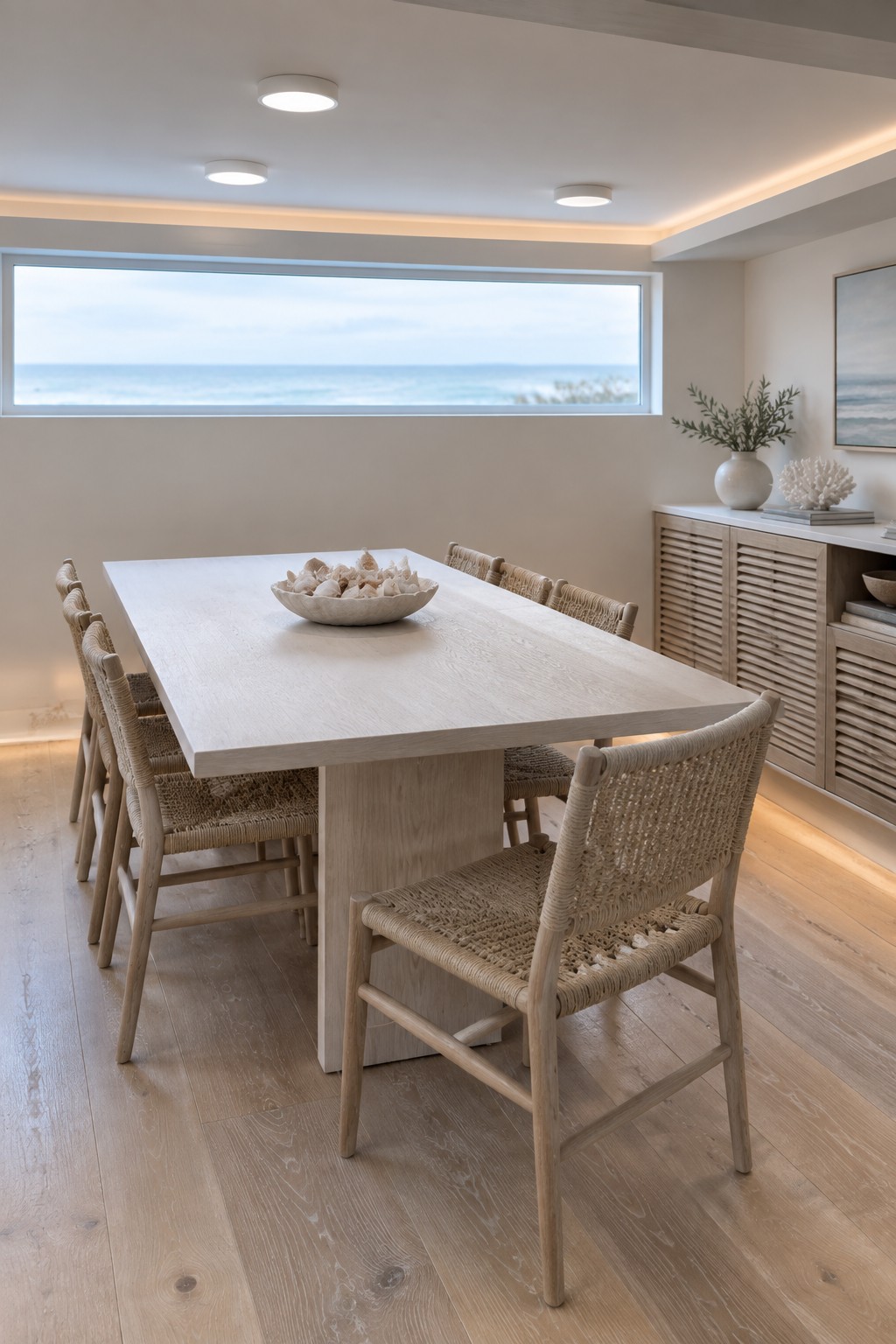
Low ceilings often rule out hanging fixtures in dining rooms. Small recessed lights placed across the ceiling, combined with a soft glow along the edges, give steady light without lowering the room any further.
This setup works especially well in homes near the water or in any space that already gets good natural light from a large window. Keep the fixtures simple and even, and add a hidden strip along the perimeter so the whole ceiling feels lifted rather than pressed down.
Multiple Small Ceiling Lights For Low Ceilings
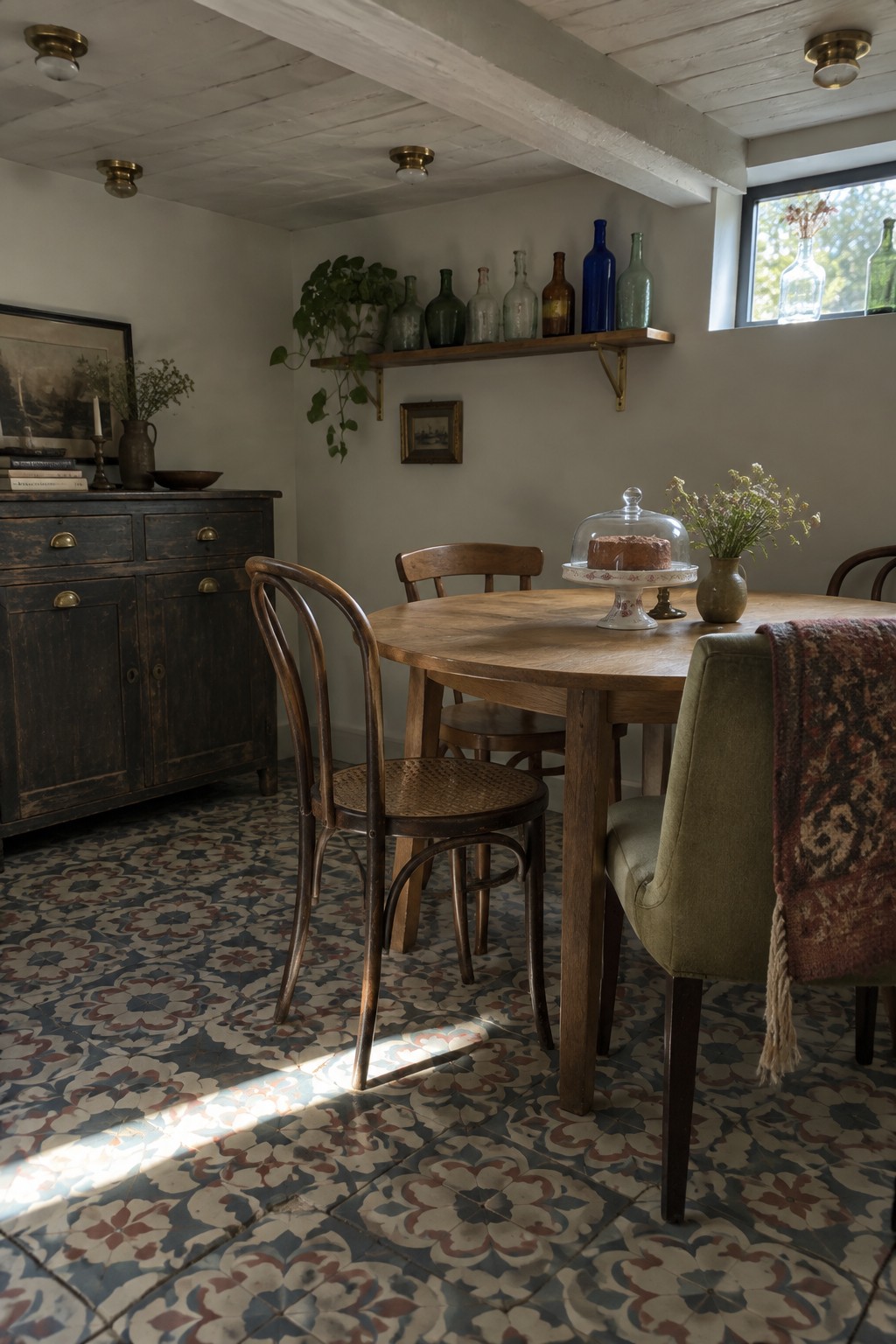
In dining rooms with low ceilings, one large fixture can quickly feel too heavy and cut the space down. Several small lights spread across the ceiling give enough light without crowding the room or drawing the eye upward.
This setup works especially well in older homes or any space where you want the table to stay the main focus. Keep the fixtures simple in shape and finish, and space them so the light falls evenly over the seating area rather than clustering in the center.
Add Wall Sconces To Light Low Ceiling Dining Rooms
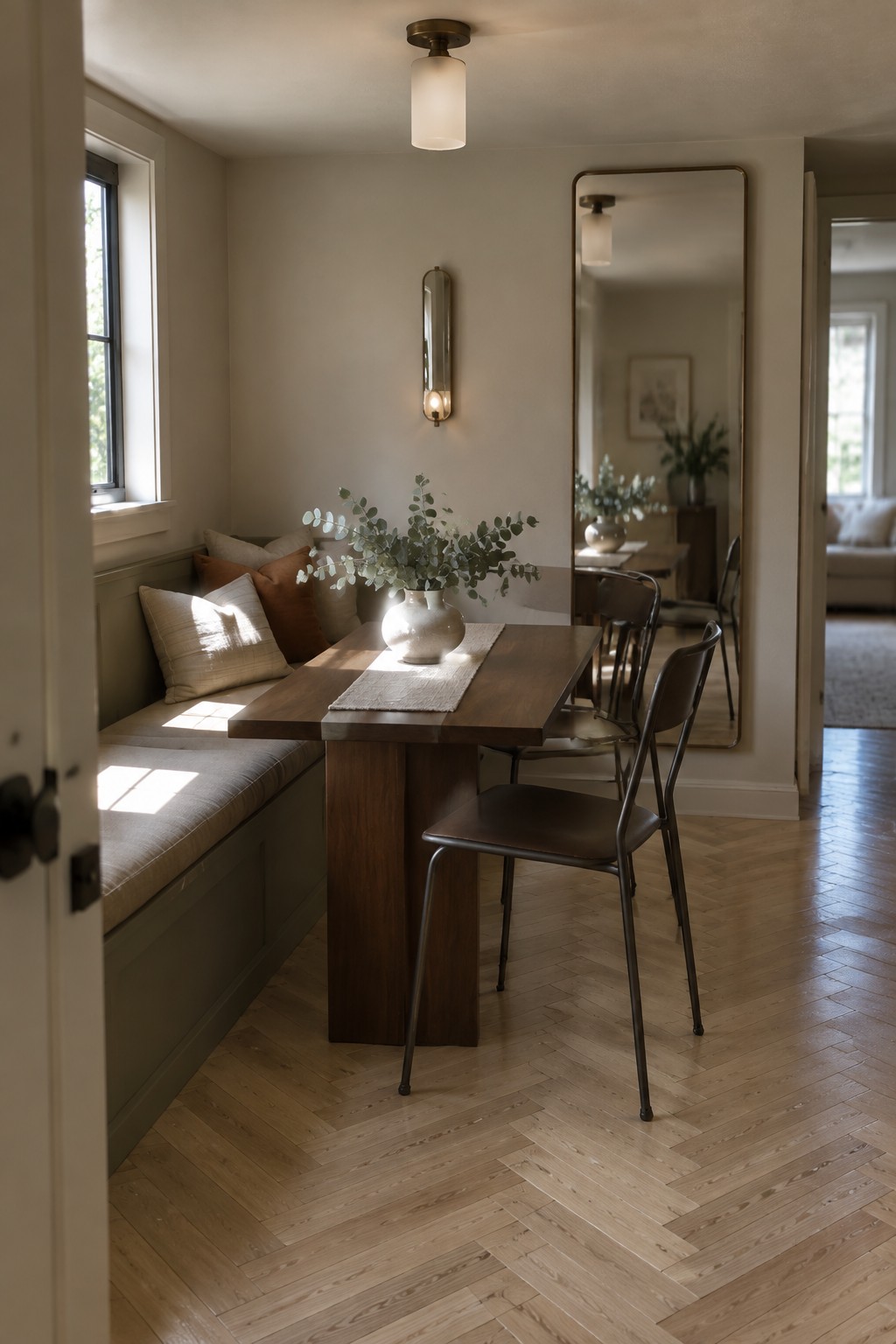
Low ceilings often rule out big chandeliers or long pendants in a dining space. A slim wall sconce placed above the table area gives useful light without taking up any vertical room or making the ceiling feel lower.
This approach works well in older homes or smaller dining rooms where you need brightness but want to keep things simple. Pair the sconce with a small ceiling fixture and let natural light from a nearby window help during the day.
Frequently Asked Questions
Q: How low can I hang a light without it getting in the way? A: Aim for the bottom of the fixture to sit at least 30 inches above the table. Sit in the chairs yourself after hanging it to check clearance for elbows and heads. This height keeps the space open while still lighting plates well.
Q: What stops these fixtures from shining right in my eyes? A: Choose shades that point light straight down instead of outward. Shift the bulbs slightly during installation so they miss the main seats. A simple tweak like this cuts glare fast.
Q: Should I add more than one light if the room feels dark? A: Two smaller fixtures spaced along the table give even coverage without crowding the ceiling. Place them over the center of each half so every chair gets light. This setup avoids dark corners at meals.
