


When ceilings sit lower than average the living room can start to feel closed in if the light only comes from one direction.
Adding layers from different heights and angles tends to lift the sense of space without any major changes.
I tried mixing a couple of sconces with a table lamp in a similar room and the difference showed up right away in how comfortable it felt to sit there in the evening.
Small swaps matter here.
It helps to look at what already works in the room and build from there rather than starting over with everything new.
Built-In Shelf Lights For Layered Brightness
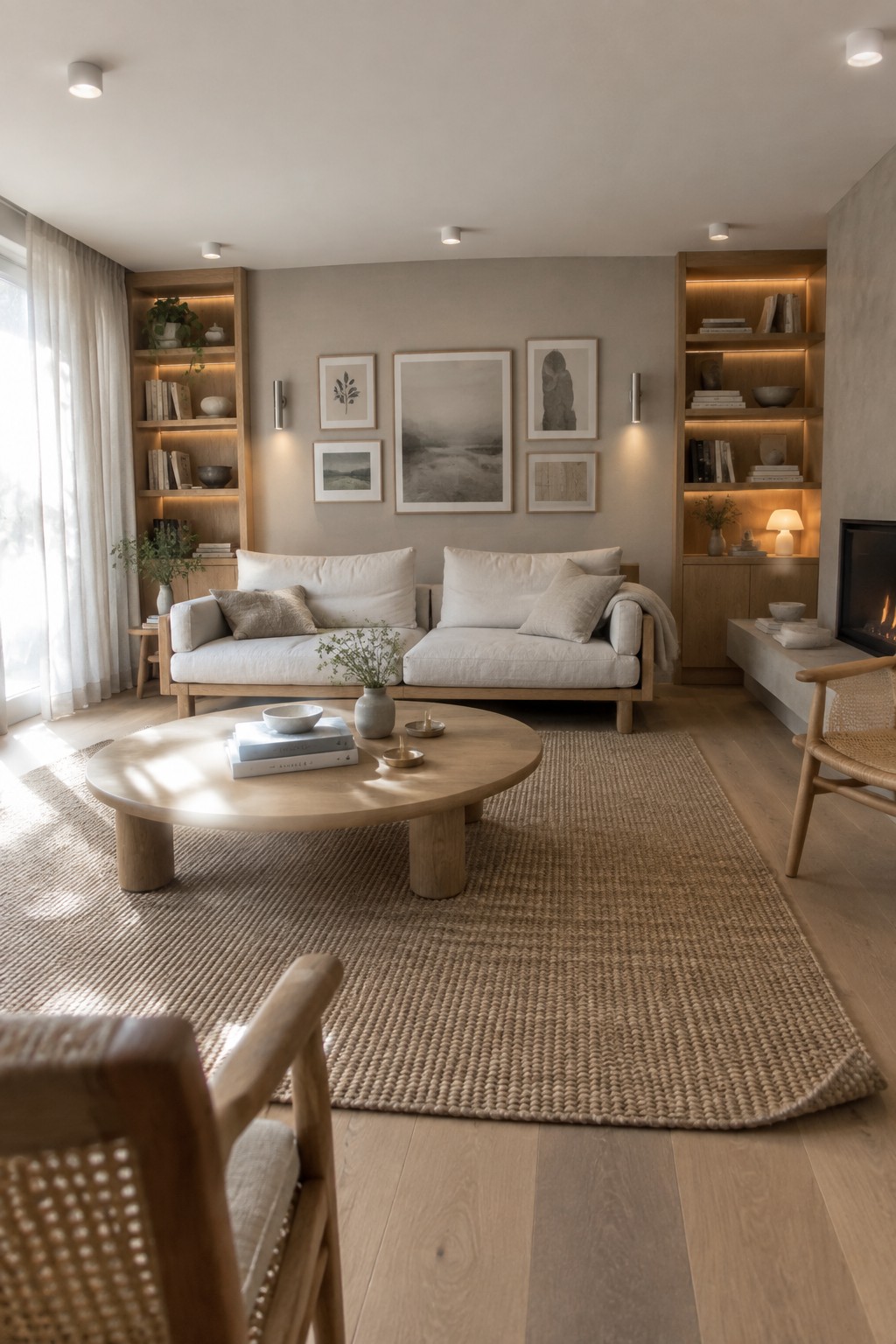
Built-in lighting inside the shelves gives this living room a steady, even glow that ceiling fixtures alone cannot provide. The lights sit behind the shelves and wash the wall softly, which helps the whole space feel brighter without needing more overhead sources.
This setup works best in rooms with lower ceilings where one strong light can feel harsh. Add a couple of wall sconces for balance and keep the overall palette light so the glow spreads further. It suits smaller living rooms that need practical light without looking overdone.
Layer Lighting Sources to Open Up Low Ceilings

A single overhead light often leaves low ceilings feeling flat and closed in. Adding a few different sources spreads the light more evenly and makes the room feel taller without any structural changes.
This works especially well in smaller living rooms or older homes. Place a central fixture overhead and add wall sconces on one or two walls to fill in the corners and keep the space from going dim at night.
Layer A Wide Shallow Pendant With A Floor Lamp
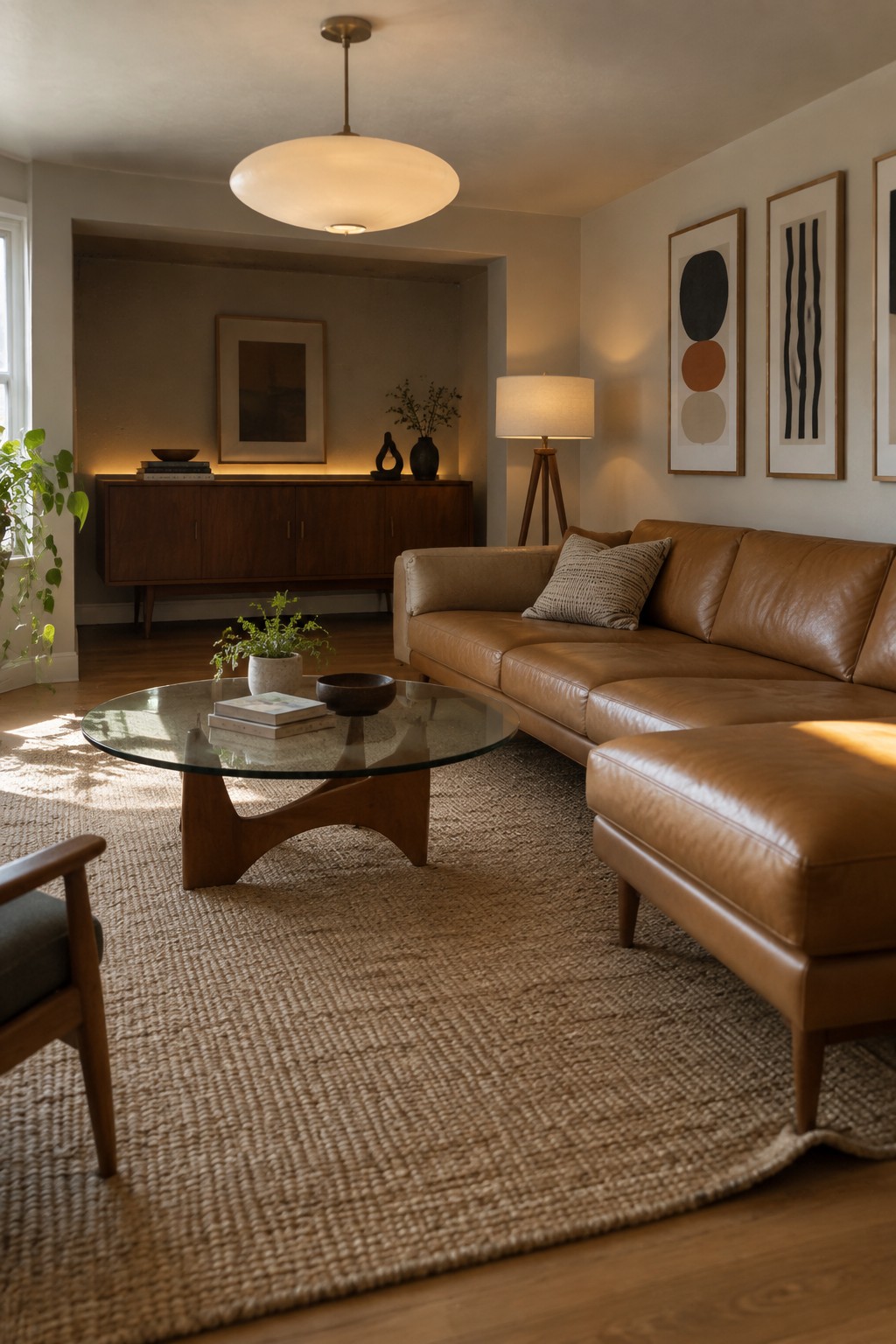
A wide, shallow pendant works well in living rooms with lower ceilings because it spreads light across a bigger area without dropping down too far. The one in this room sits high enough to keep the space open while still giving a strong base layer of light. Pairing it with a floor lamp adds a second source that fills in shadows and makes the room feel brighter overall.
This setup suits smaller or older homes where ceilings sit around eight feet. Keep the pendant simple in shape and finish so it does not feel heavy, then add one or two lower sources like a tripod lamp near seating. Avoid anything that hangs too low or blocks the natural light coming from windows.
Layer A Woven Pendant With Other Lights

A large woven pendant can help spread light more evenly across a living room without relying on a single harsh source. In spaces where ceilings sit a bit lower, this kind of fixture adds warmth and texture while still letting light reach the corners.
Pair it with recessed ceiling lights and a table lamp or two so you can adjust the mood throughout the day. This setup works especially well in coastal or casual homes where you want brightness without a heavy or formal look.
Layer Recessed Lights With A Floor Lamp
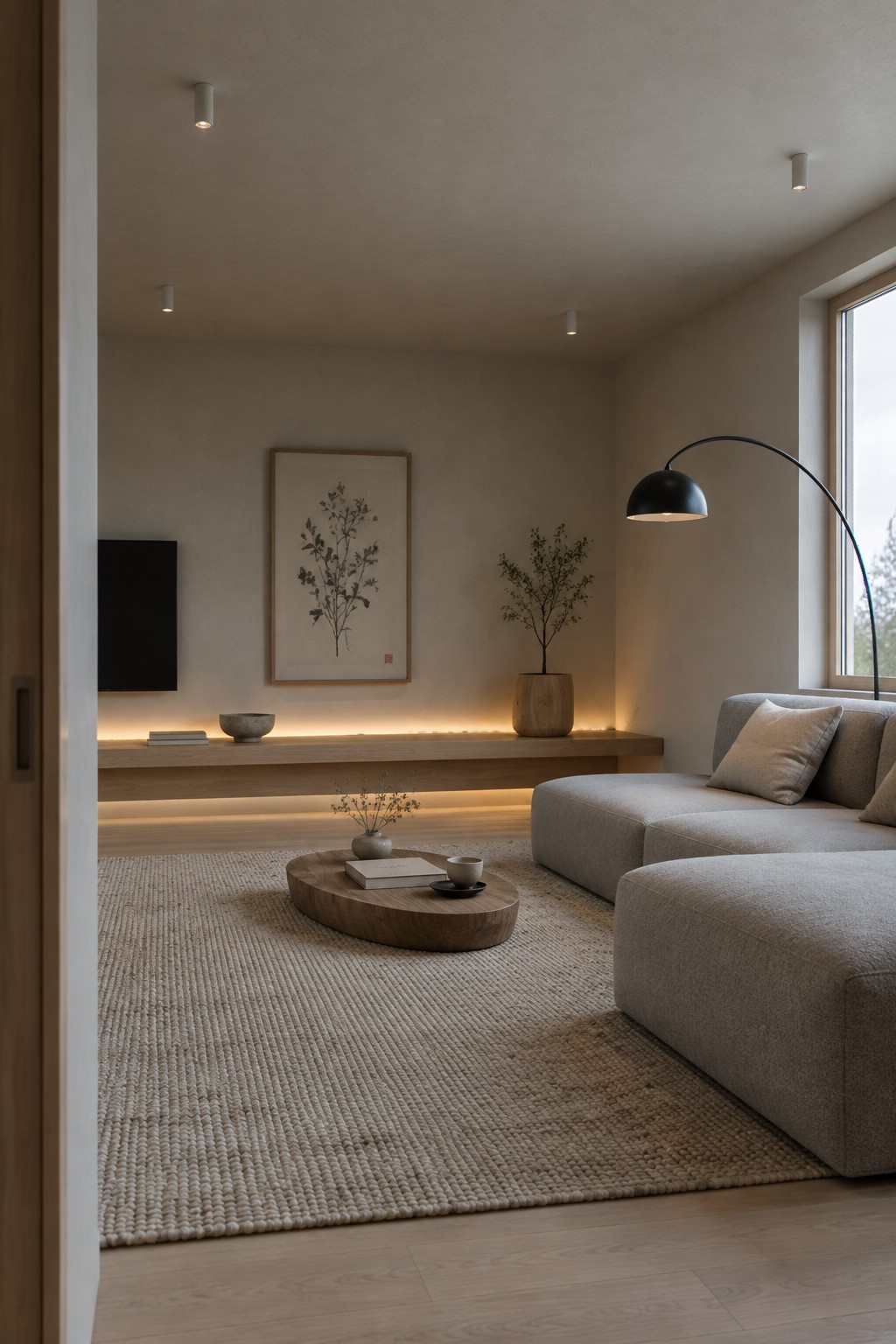
Low ceiling living rooms often look flat with just one row of recessed lights. Adding a tall floor lamp gives you a second source that reaches the seating area and softens the shadows the ceiling lights leave behind.
This setup works best in simple rooms where you already have some built-in lighting like a glowing shelf or base lights. Keep the floor lamp in a corner or behind the sofa so it does not block the path, and choose a shade that directs light downward rather than straight up into the low ceiling.
Layered Lighting for Low Ceilings
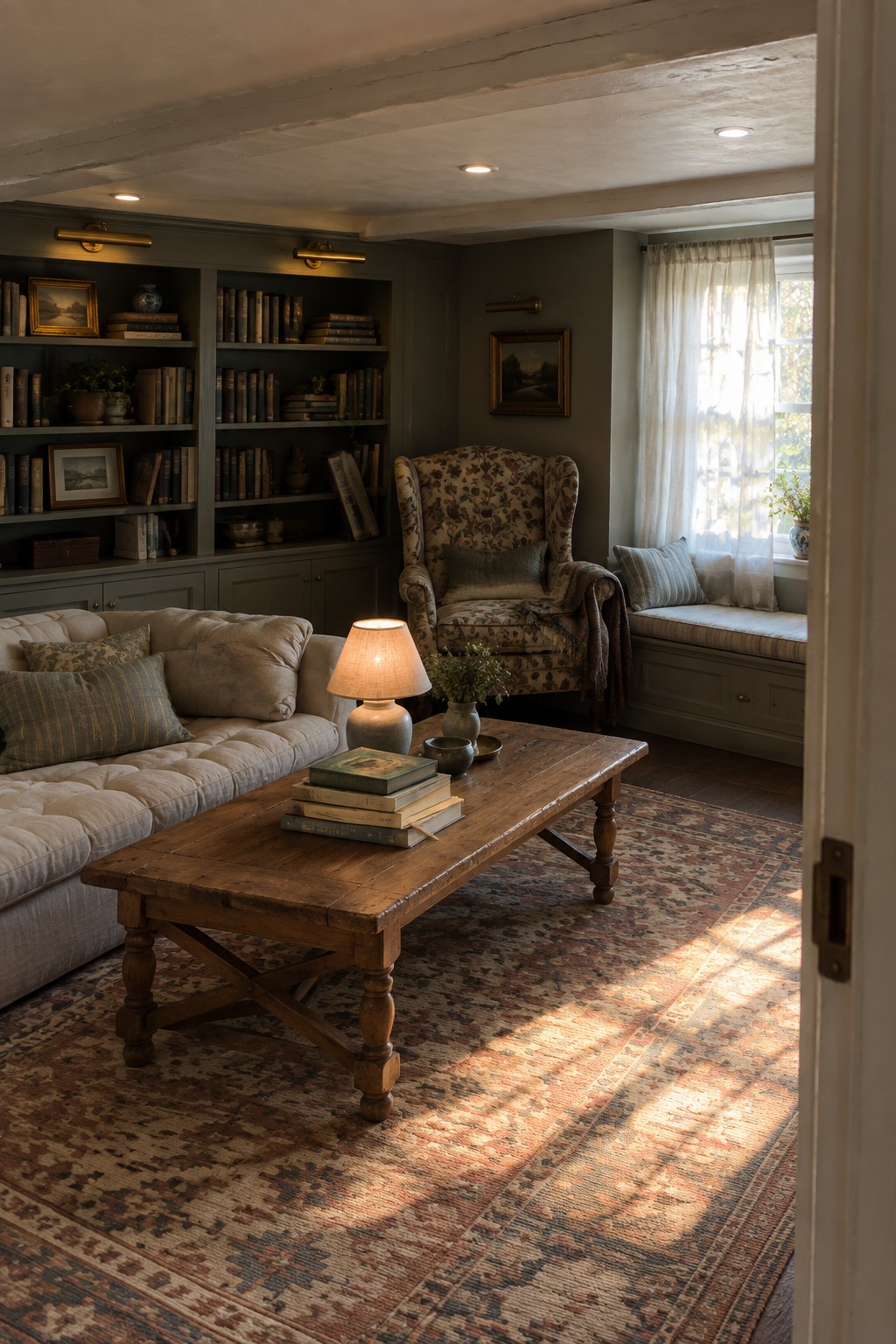
One way to brighten a low ceiling living room is to use several light sources instead of depending on the ceiling alone. A few wall sconces above the shelves and a table lamp on the coffee table add warmth and keep the room from feeling flat or dim even when the ceiling sits low.
This setup works well in older homes where the ceiling height limits how much light a single fixture can provide. Keep the ceiling lights on a dimmer for general use, then turn on the lower lamps in the evening to create a softer, more usable space without adding visual weight overhead.
Layer Light From Different Heights In Low Ceilings

One way to brighten a living room with low ceilings is to use light at several heights instead of depending on one main fixture. A large woven pendant handles the center while wall sconces and smaller lamps add light lower down so the space feels more open overall.
This works best in older homes or smaller rooms where ceilings sit lower than average. Add sconces on the walls and lamps on side tables or consoles so light fills the room from multiple directions rather than coming straight down from above.
Layer Track Lighting With Wall Sconces
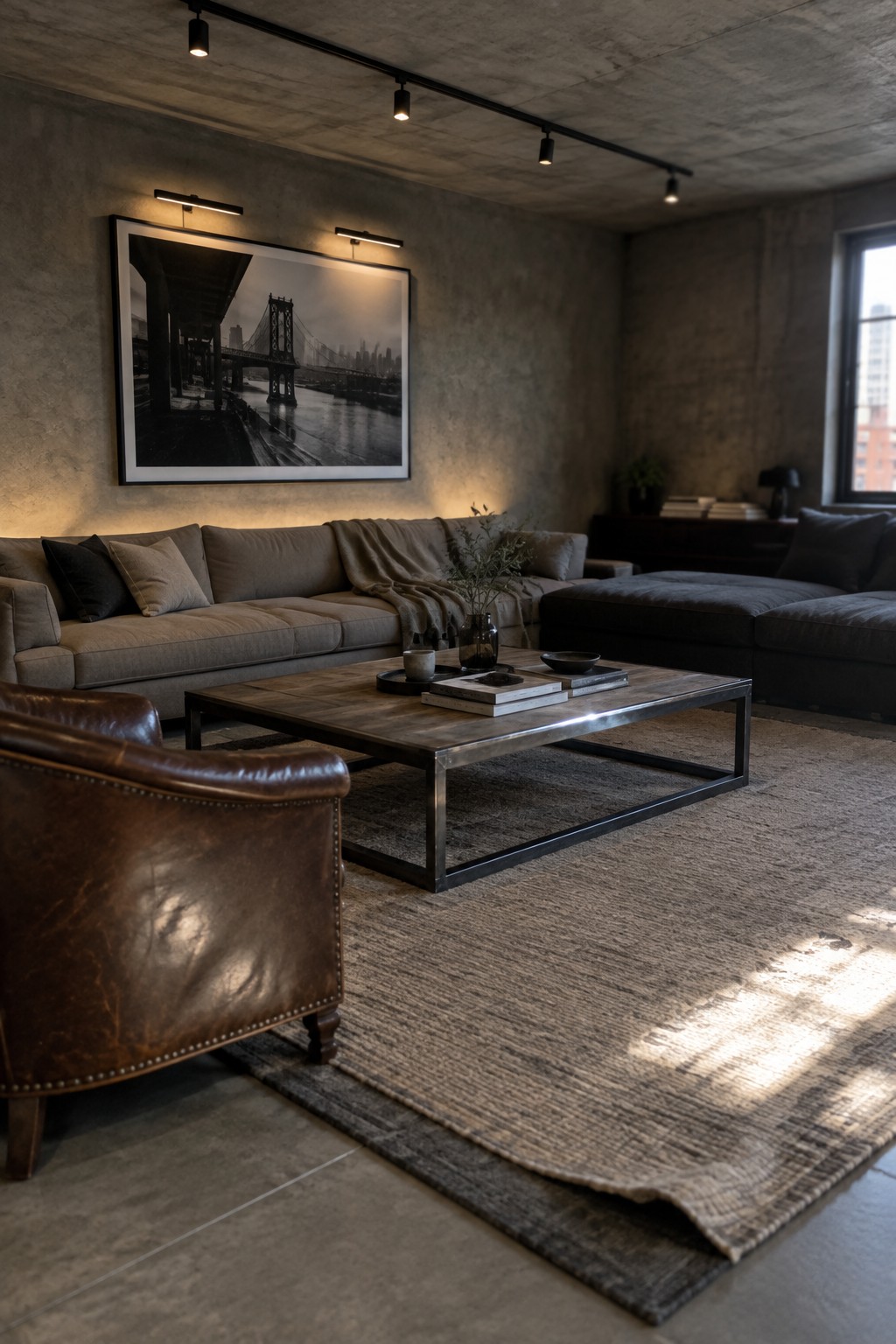
In a low ceiling room, a single row of overhead lights often leaves the space feeling flat and dim. Adding wall sconces creates a second layer that lifts the brightness without drawing attention downward.
This works well in industrial or modern interiors where the ceiling height cannot change. Mount the sconces above seating or large artwork so the light spreads across the walls and softens the overall feel.
Light Up Built-In Shelves From Within
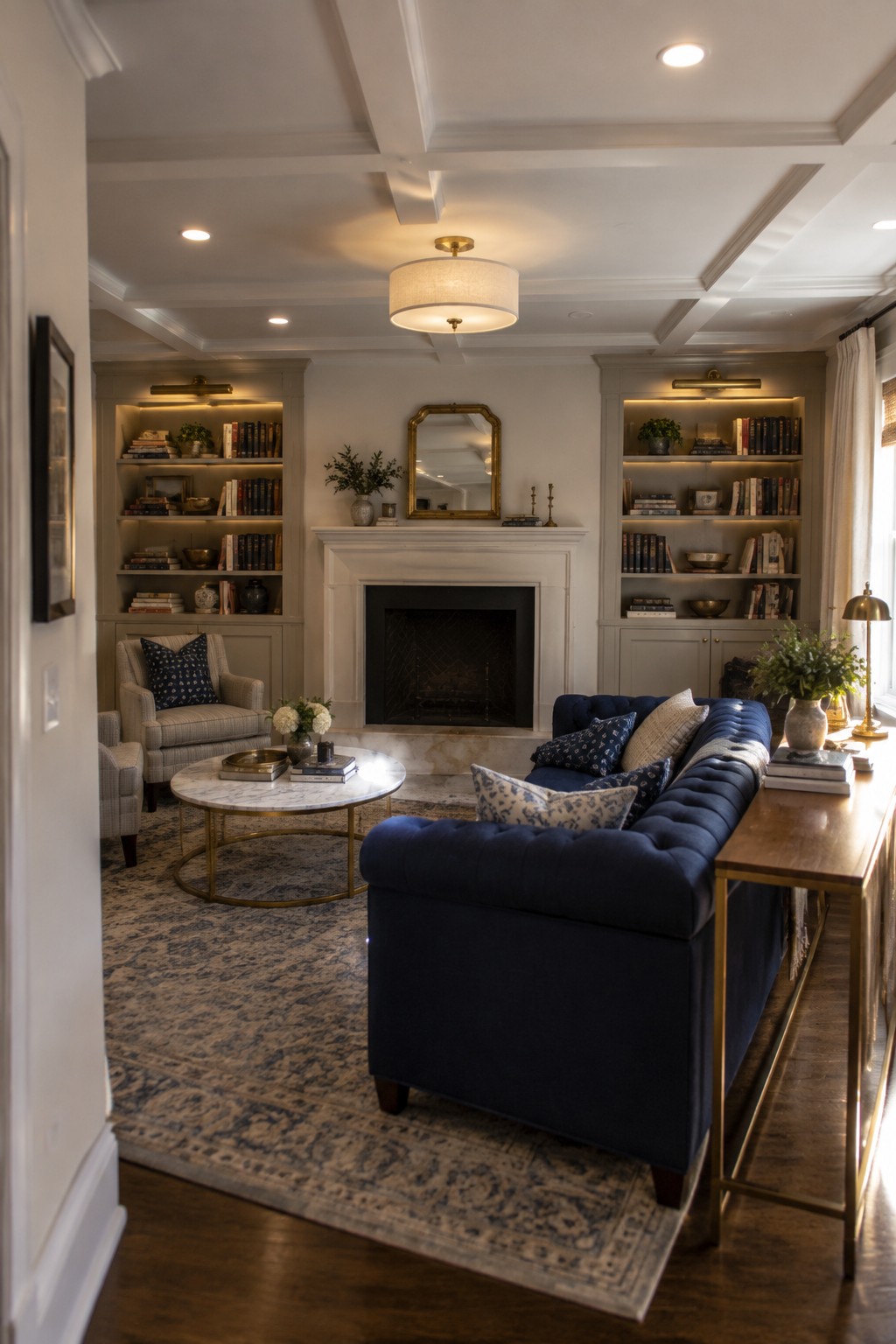
Built-in shelves can do more than hold books. When you add lighting inside them, they help lift the whole room and keep a low ceiling from feeling heavy. The soft glow from the shelves works with your ceiling fixtures and lamps to spread light evenly instead of leaving dark corners.
This approach works best in living rooms that already have or can add cabinetry around a fireplace or along a wall. Keep the shelf lights on a dimmer so you can adjust them through the day, and pair them with a simple overhead fixture and one or two table lamps. It suits older homes or any space where you want the architecture to feel useful rather than just decorative.
Layer Your Lighting to Brighten Low Ceiling Rooms
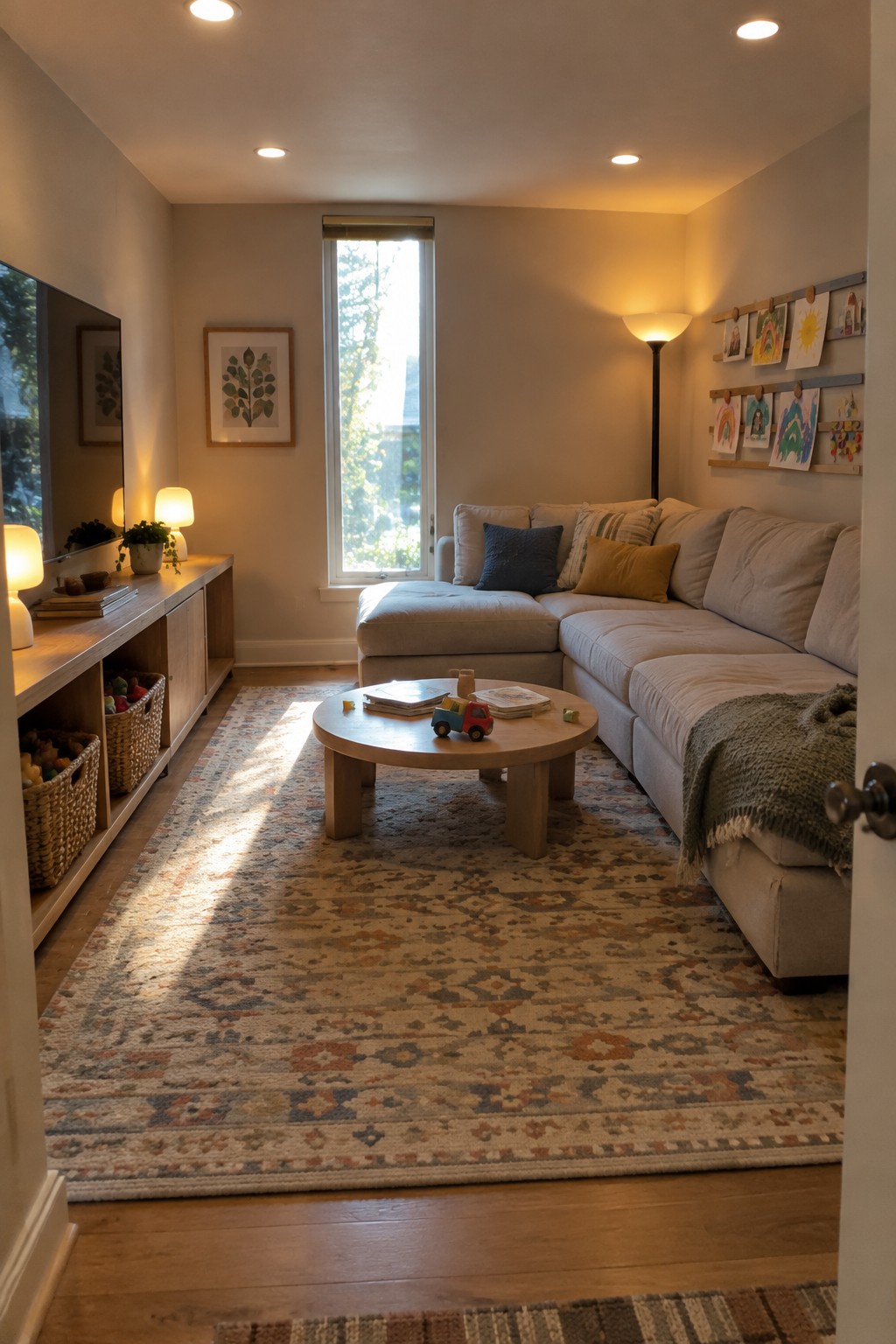
In a living room with a low ceiling, a single overhead light often leaves the space feeling flat. Layering several light sources helps spread brightness more evenly and keeps the room from feeling closed in.
Place a tall floor lamp in one corner and smaller lamps on side surfaces near seating. This mix works well in smaller homes where you want the room to feel open during the day without adding more fixtures to the ceiling.
Layer Picture Lights With Recessed Spots
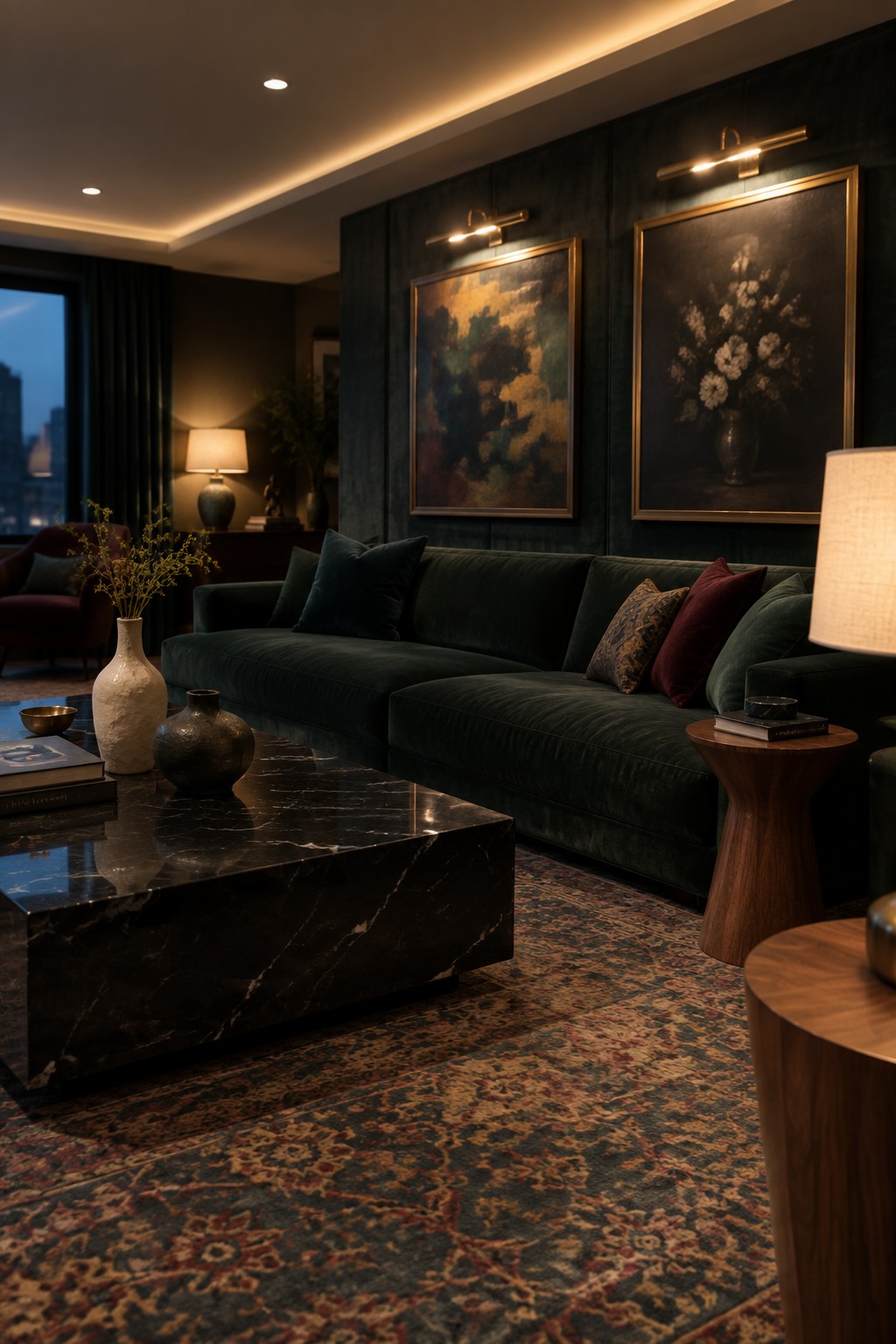
One way to lift a low ceiling is to combine recessed ceiling lights with dedicated picture lights over the art. The extra layer keeps the room from feeling flat and gives the eye somewhere to travel upward instead of stopping at the ceiling line.
This approach works especially well in darker living rooms where you want brightness without adding more fixtures on the floor. Place the picture lights on dimmers so you can adjust them separately from the overheads, and keep the ceiling spots slightly cooler in tone for contrast.
Layer Floor Lamps With Recessed Lights In Low Ceiling Rooms
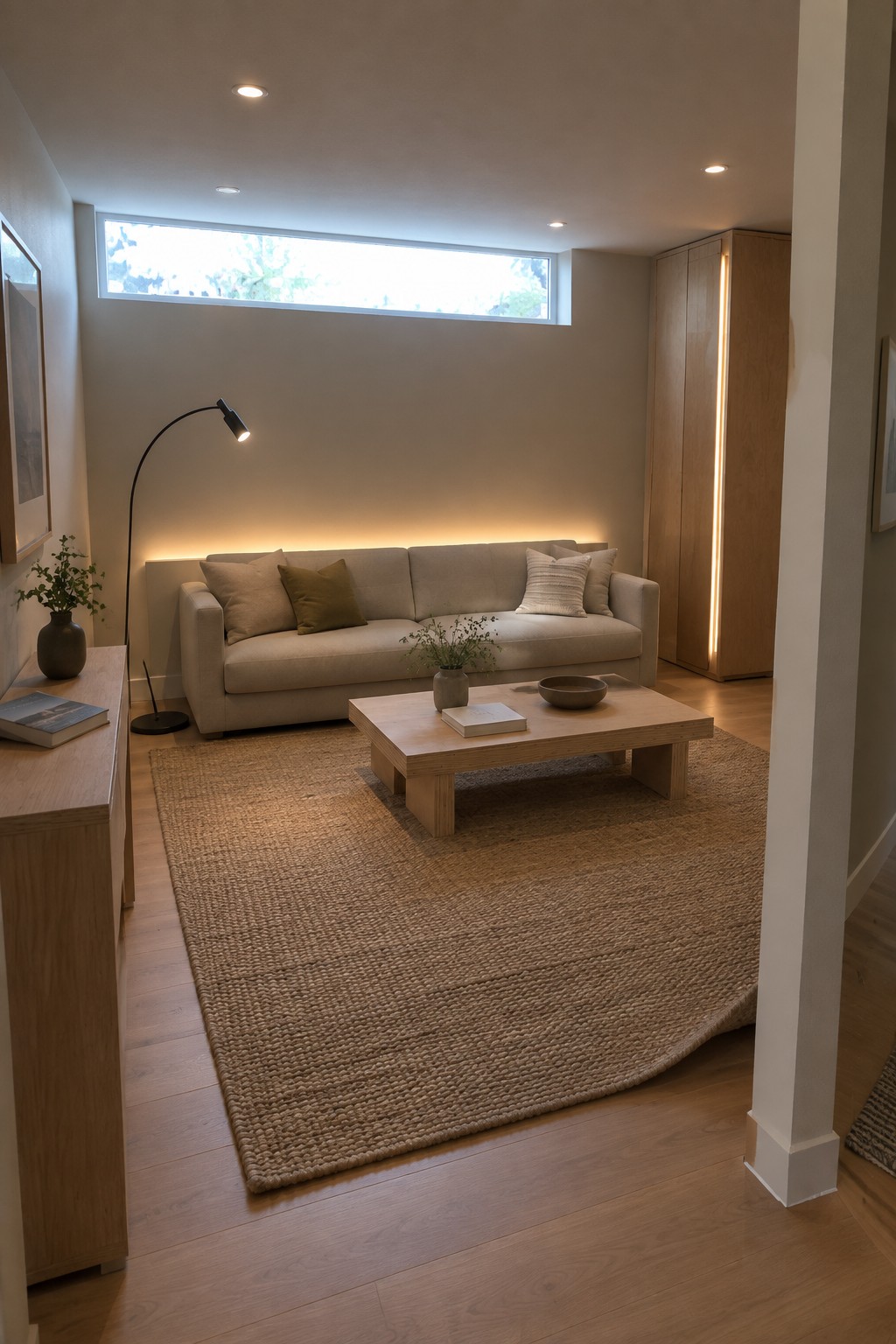
One simple way to brighten a low ceiling living room is to layer a few different light sources instead of depending on one main fixture. A floor lamp placed beside the sofa adds light at a lower level while recessed ceiling spots handle the overall glow, and this mix keeps the space from feeling flat or dim.
This setup works best in smaller rooms where a single overhead light can make the ceiling feel even lower. Keep the floor lamp on a dimmer so you can adjust it through the day, and use the recessed lights for general brightness when needed.
Layer Wall Sconces With A Simple Ceiling Light
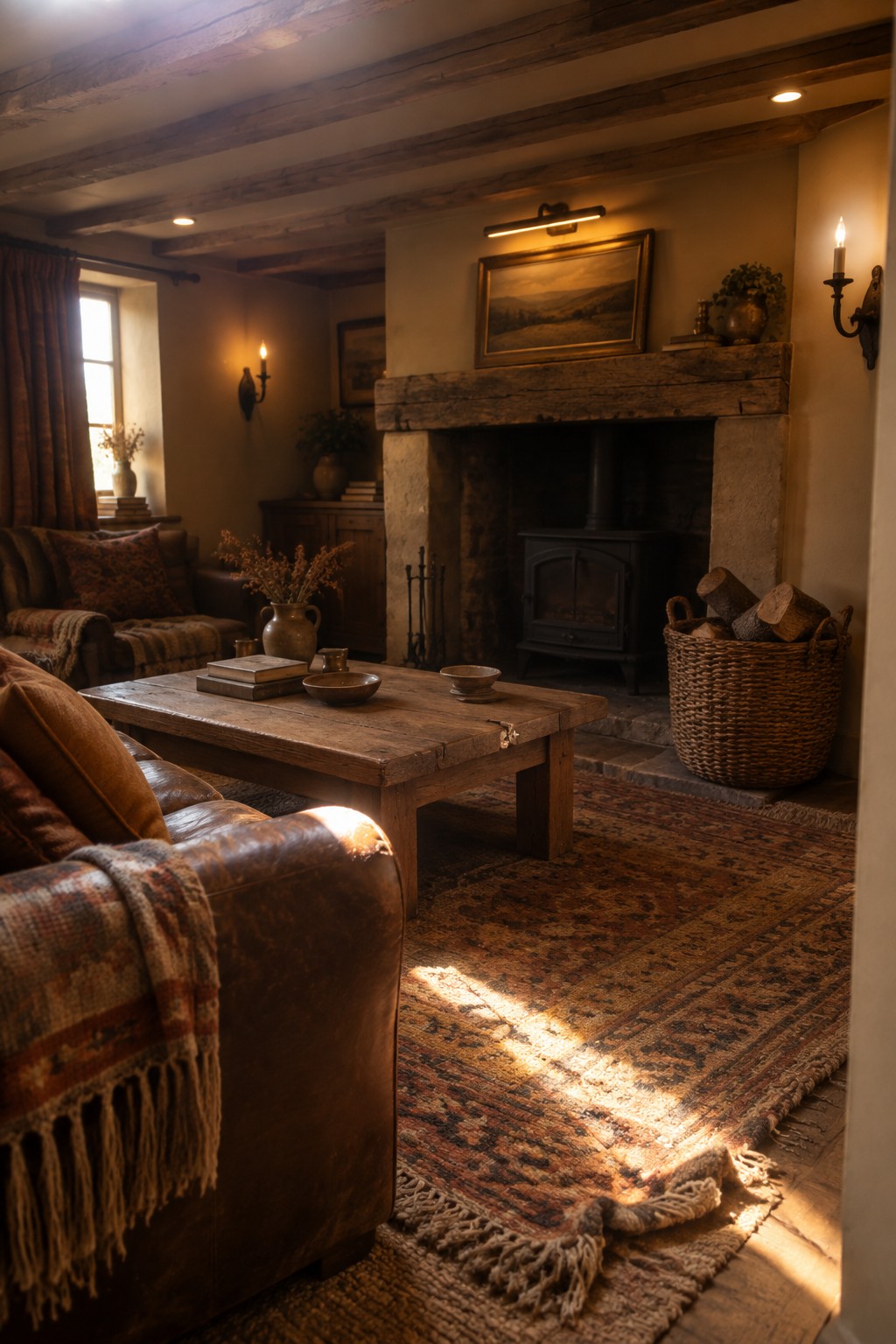
Low ceiling rooms often feel smaller when all the light comes from one spot overhead. Adding wall sconces spreads the light around the edges and lifts the space without any structural changes.
This works especially well in older homes with beams or tight proportions. Keep the ceiling fixture basic and let the sconces handle the softer side glow. Skip anything too bulky that sits low and crowds the height.
Layer Wall Sconces With Table Lamps
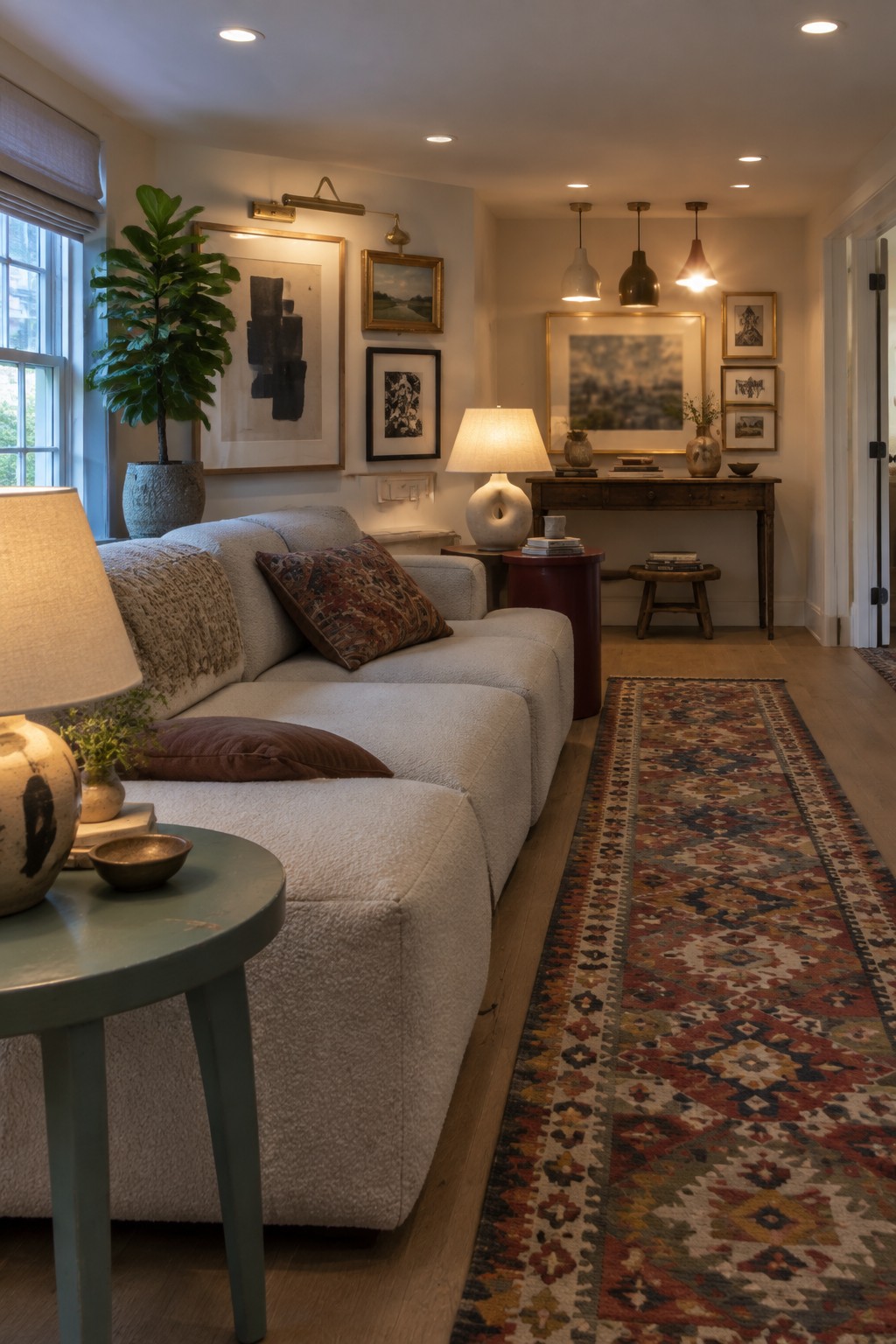
One simple way to brighten a living room is to layer light from different heights instead of relying on a single overhead source. Wall sconces above the art and a few table lamps around the seating help spread light more evenly across the room.
This works especially well in spaces with lower ceilings where one big fixture can feel too harsh. Try adding sconces on one wall and lamps on side tables or consoles so you can turn on just what you need at different times of day.
Layer Pendant Lights With Recessed Spots Over Low Ceilings

One simple way to brighten a low ceiling living room is to use more than one kind of overhead light. A small cluster of pendants gives the room a focal point while recessed spots around the edges fill in the rest of the space and keep it from feeling flat.
This mix works especially well in rooms with windows that already bring in some daylight. It suits older homes or cottages where the ceiling height is fixed and you want light that feels even without adding bulk.
Layer Ceiling Lights With Wall And Table Lamps
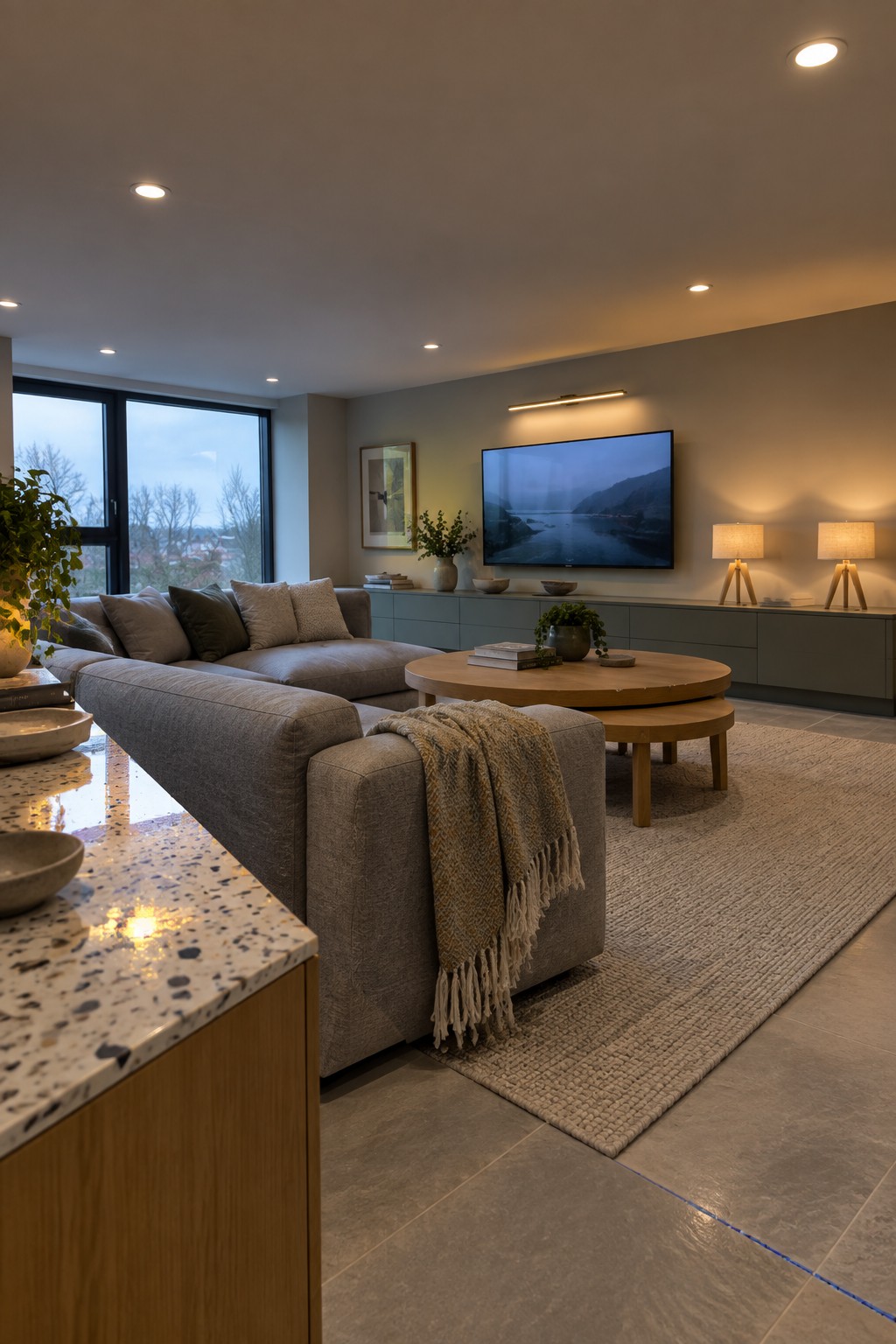
Low ceilings often leave living rooms feeling flat when you rely on one type of light. Adding a mix of sources changes that. Here the room uses recessed ceiling spots for overall brightness, a slim linear light above the TV for focused wall lighting, and a pair of table lamps on the console to warm up the seating area.
This approach works well in most open living spaces where you want even light without glare. Place the wall light at eye level or slightly above the screen, keep the lamps at different heights, and make sure the ceiling fixtures sit on a dimmer so you can adjust the balance through the day. It suits smaller or average-height rooms best and avoids the harsh single-source look that makes low ceilings feel lower.
Layer Recessed Lights With A Perimeter Glow
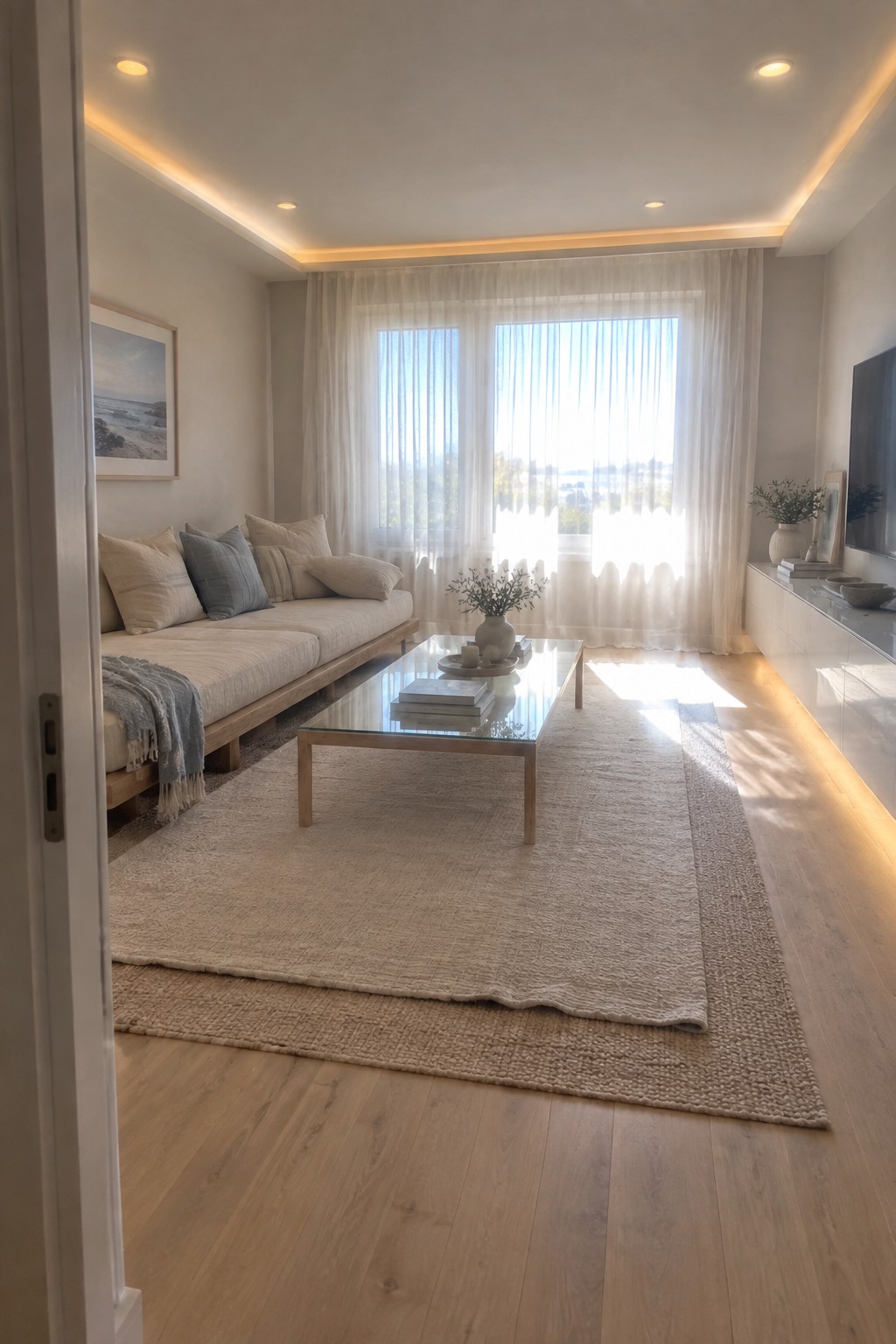
Low ceilings often make living rooms feel darker than they need to be. Adding recessed spots across the middle and a continuous glow along the edges gives light from more than one direction so the room stays bright without any single fixture doing too much.
This setup works best in smaller homes or apartments where you cannot change the ceiling height. Keep the perimeter light on a separate switch so you can adjust the mood without turning everything on at once.
Layer Lighting From Different Heights
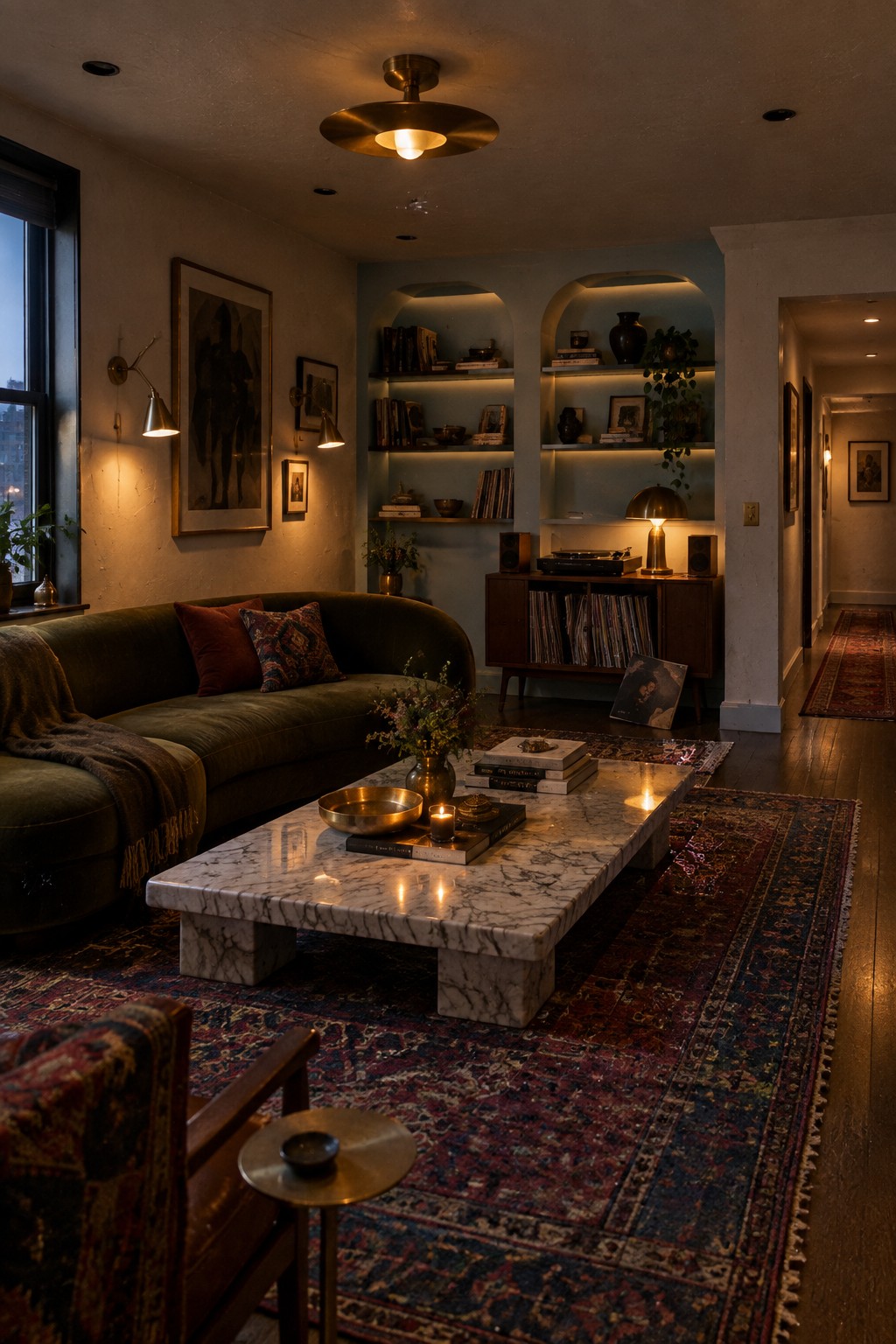
Layering light works especially well in rooms with low ceilings because it spreads brightness without creating one harsh overhead glare. Instead of depending on a single fixture, you get a softer overall glow that makes the space feel taller and more comfortable. The mix of wall sconces and lit built-in shelves in this room shows how even small additions at different levels can change the feel.
Place one light source near the ceiling, another at eye level on the walls, and a third on tables or shelves. This approach suits older homes or apartments where ceilings sit lower than modern builds. Keep the sources on dimmers so you can adjust the balance through the evening without over-brightening any one area.
Layer Table Lamps With Recessed Lights For Even Brightness
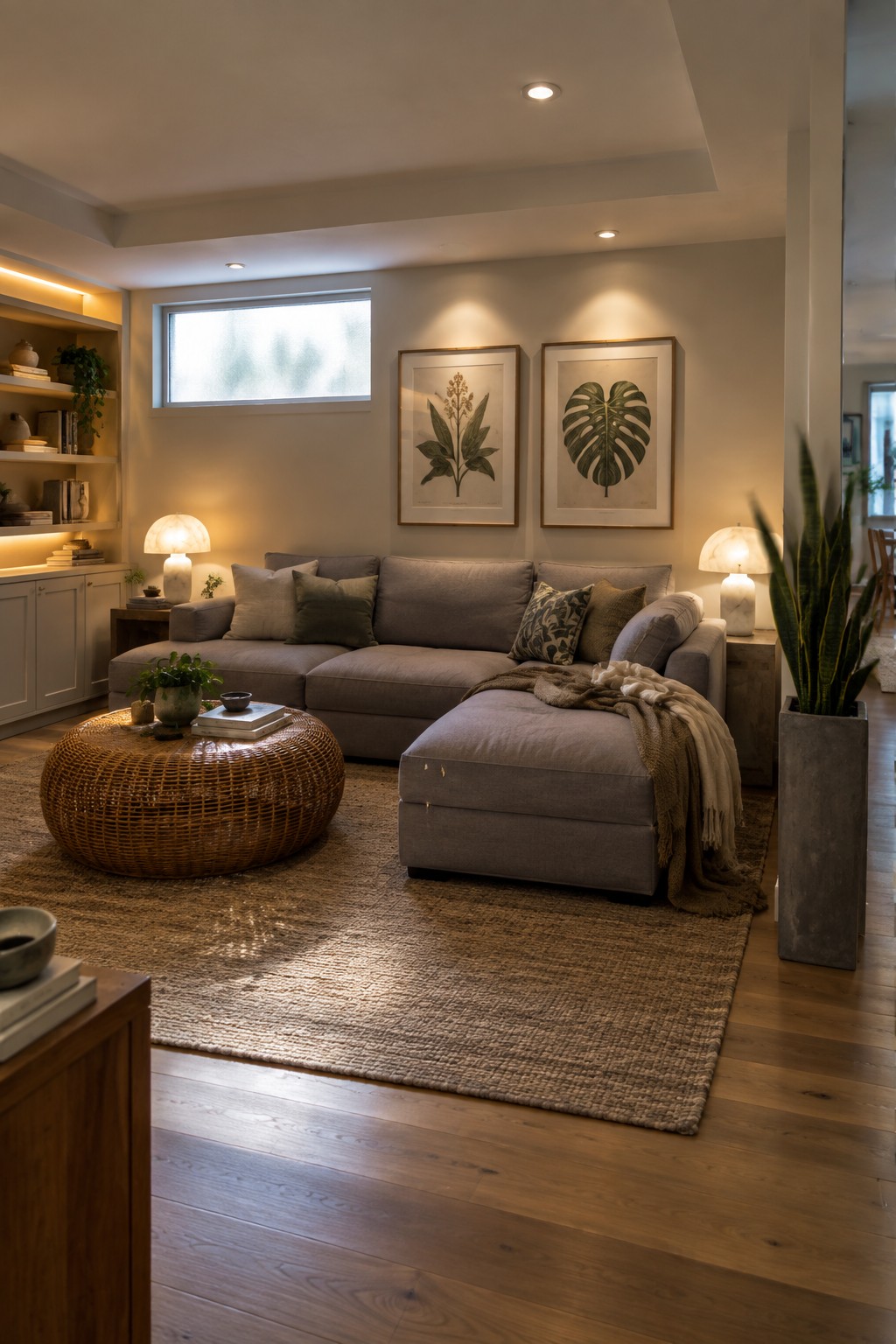
Low ceilings often make living rooms feel darker than they need to be when everything comes from one overhead source. Adding table lamps at seating height spreads the light more evenly and keeps the room from feeling flat or closed in.
This works best in simple, neutral spaces where you want steady light for reading or relaxing without adding more fixtures. Try placing one lamp on each side table and using warm bulbs so the glow reaches the middle of the room without harsh spots.
Layer Wall Sconces And Floor Lamps With Ceiling Lights
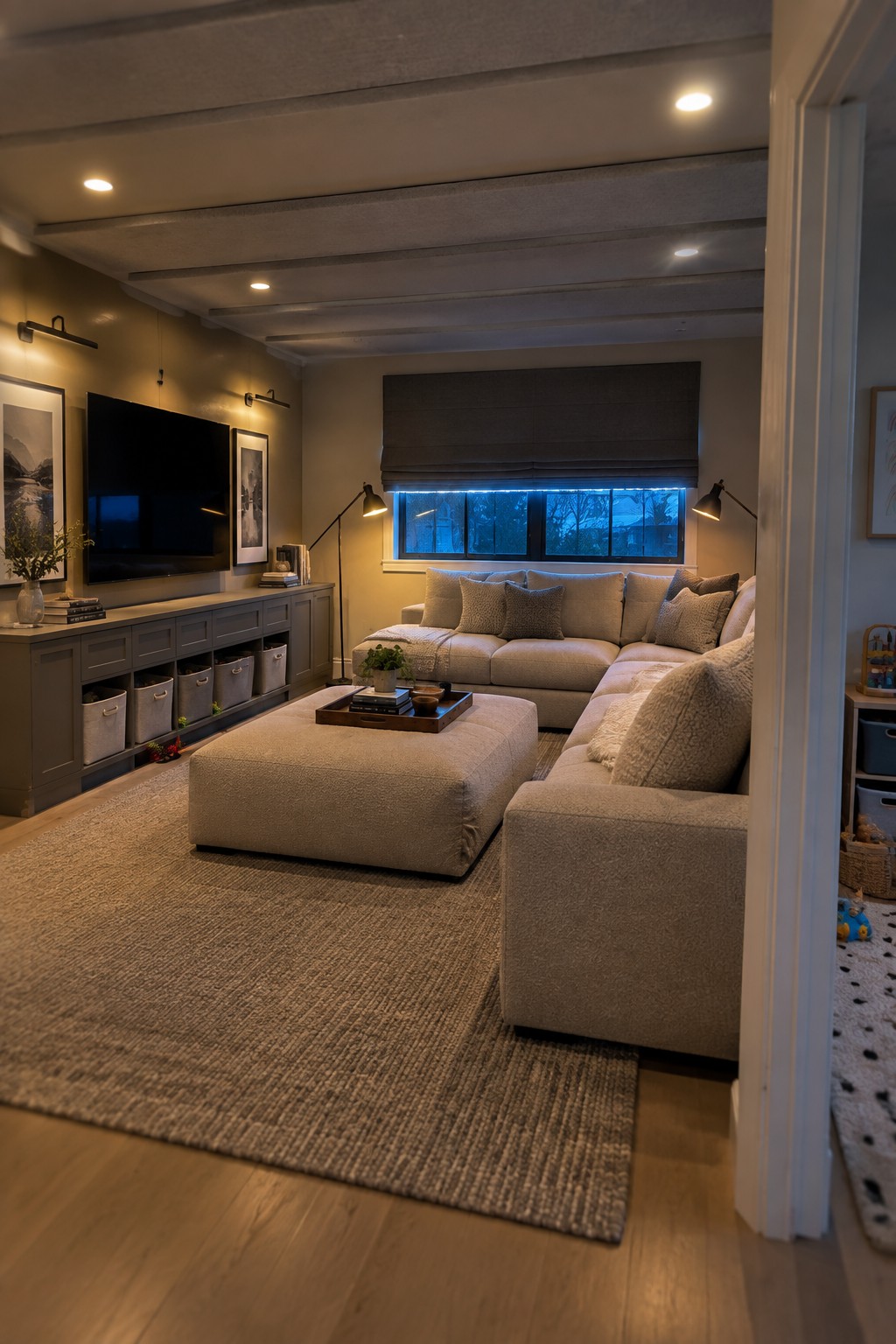
Low ceilings often make living rooms feel darker than they need to be. Adding light from more than one direction helps open the space up without raising the ceiling itself. Wall sconces and floor lamps work especially well because they push light sideways and upward instead of just straight down.
This approach suits smaller or older homes where the ceiling height stays fixed. Place one or two sconces on the longest wall and add a tall floor lamp near a seating area. The goal is even coverage rather than one bright spot in the middle of the room.
Layer Overhead Lights And Table Lamps
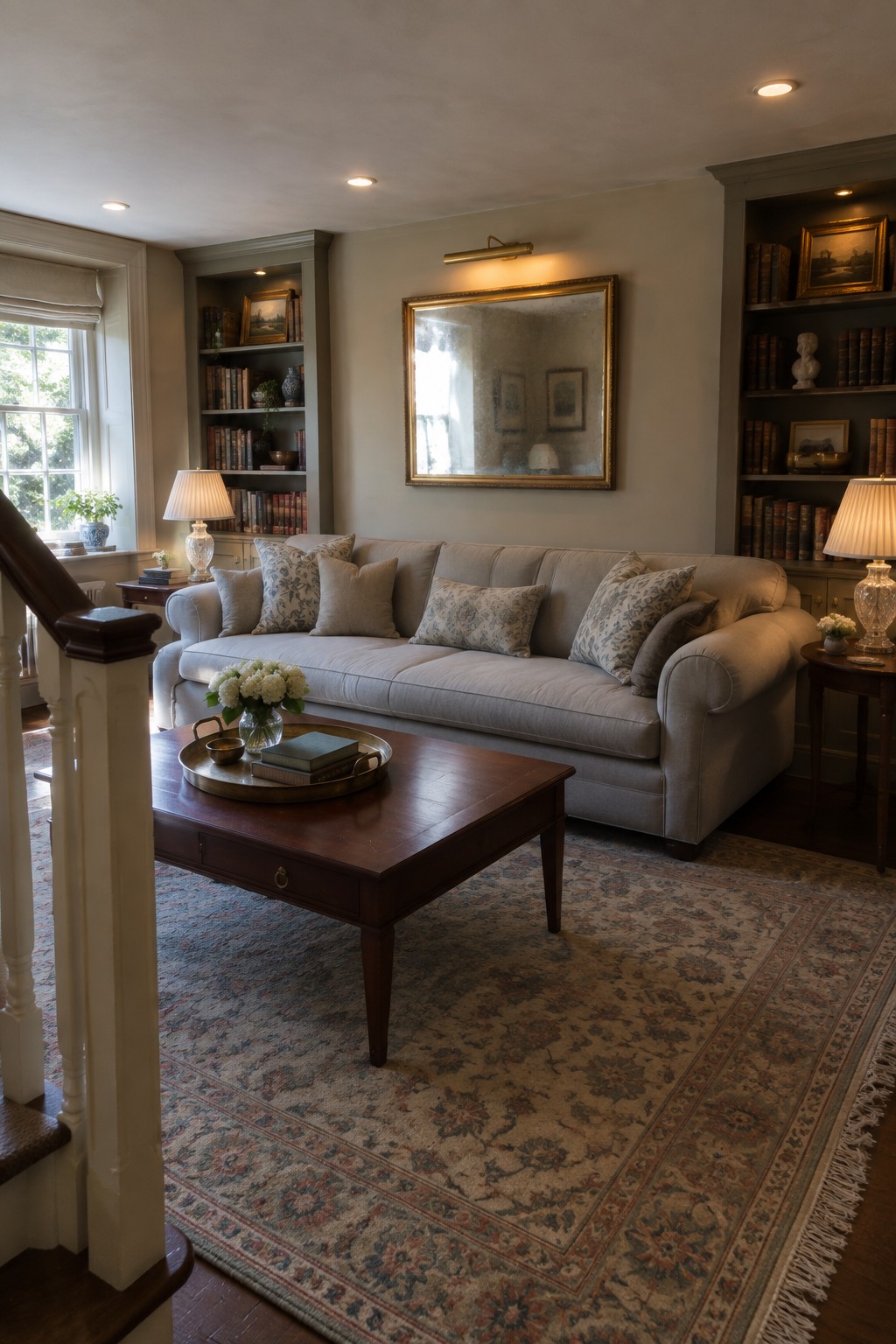
Many low ceiling living rooms stay dim when they depend on a single overhead source. Adding table lamps at seating height spreads light more evenly and softens the flat look that often comes with recessed fixtures alone.
This mix suits older homes or any room where the ceiling sits lower than eight feet. Keep the lamps simple with light-colored shades and place them near the main seating area so the two types of light overlap without competing.
Wall Sconces Pair Well With Linear Ceiling Lights
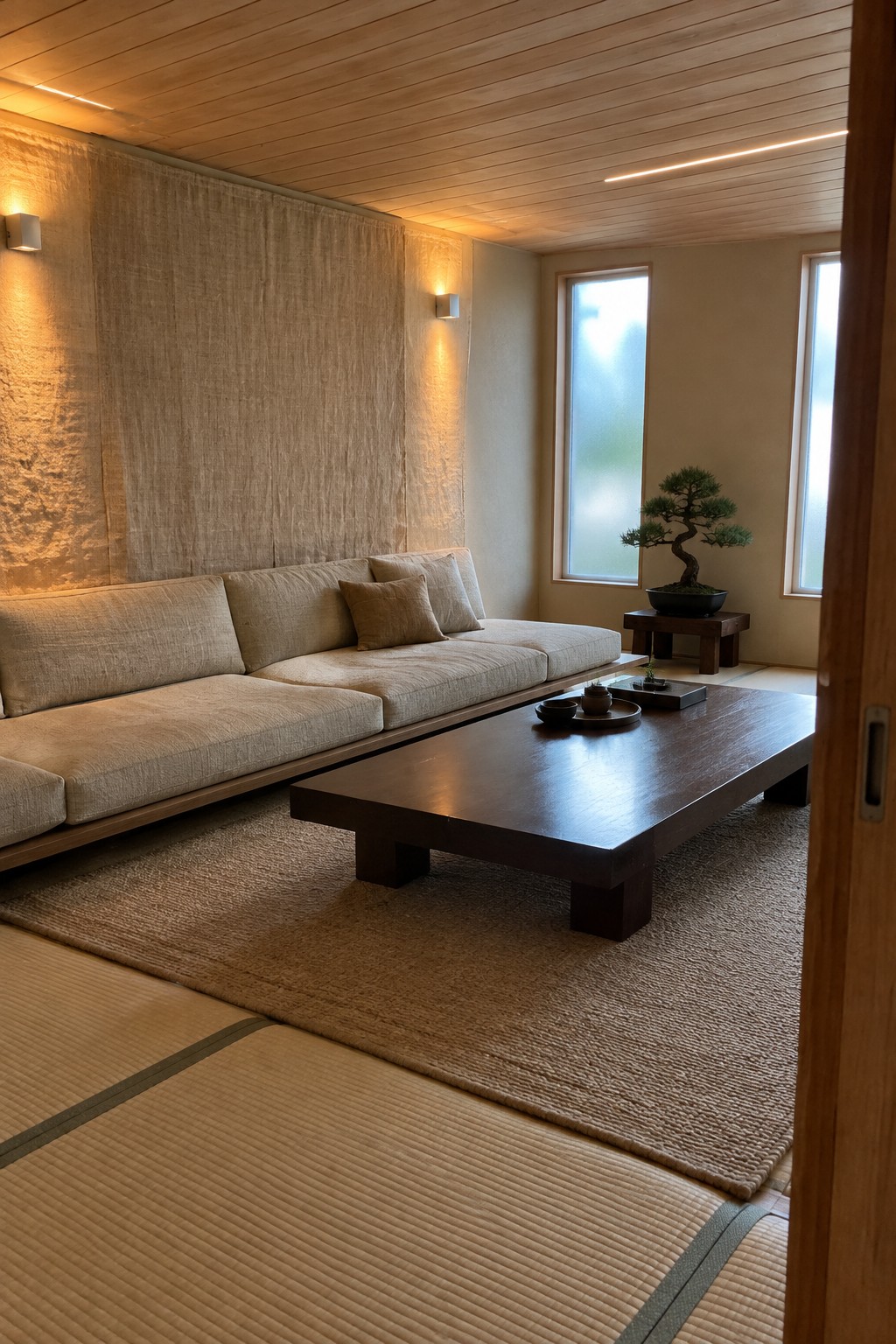
Low ceilings can feel closed in fast, but adding light from the sides changes that. Wall sconces throw a soft glow upward and across the room without taking up any headroom. When you run a simple linear fixture along the ceiling too, the two layers work together to spread light more evenly and keep the space from feeling dim or heavy.
This setup suits rooms with plain ceilings and textured walls where you want brightness without adding bulk. Keep the sconces at eye level or slightly higher and choose warm bulbs so the light stays soft. Avoid overcrowding the ceiling with too many fixtures, or the whole effect starts to feel busy.
Layer Table Lamps With Wall Sconces
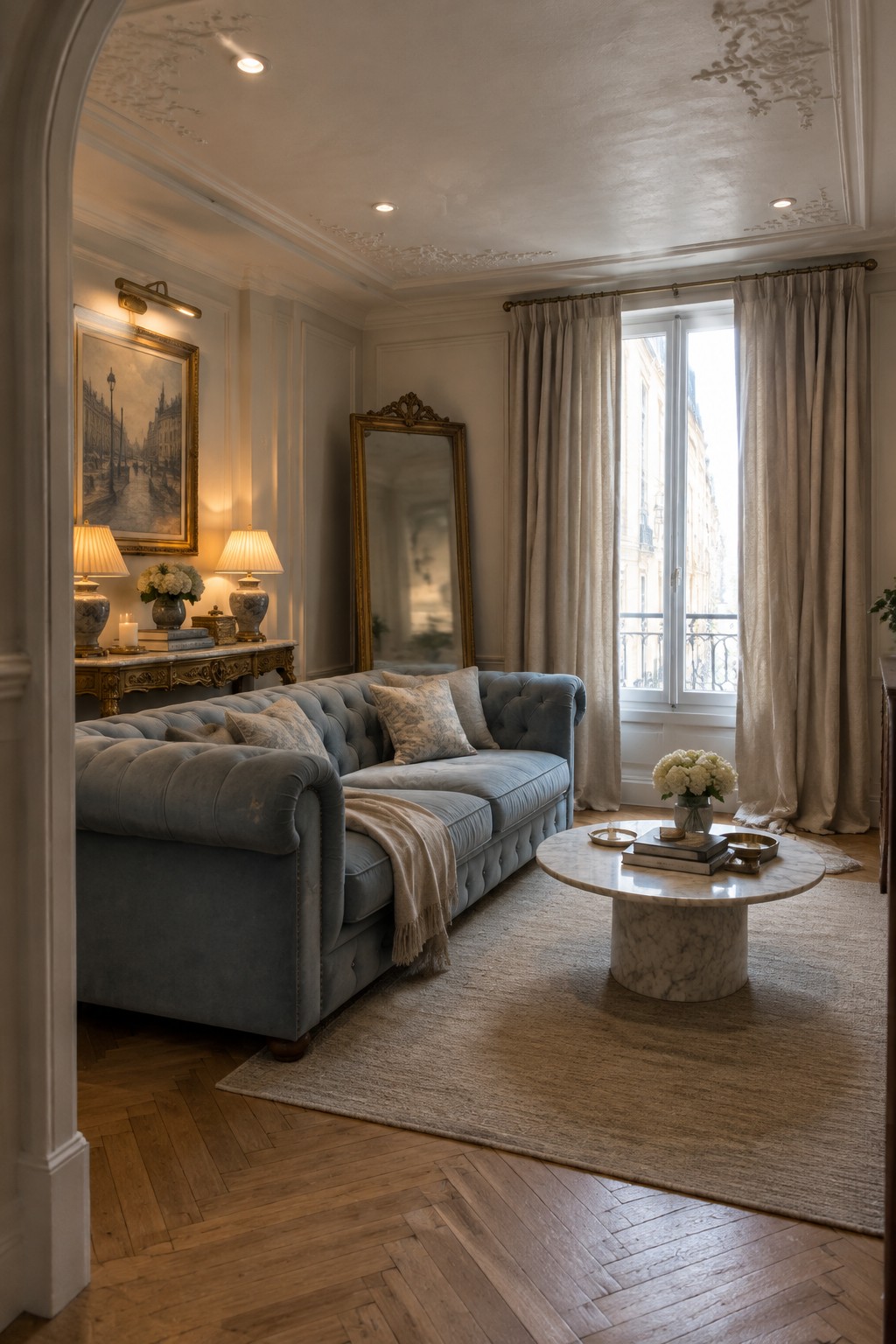
Layering light sources helps a low ceiling feel less heavy. Table lamps and wall sconces add light at different heights, which spreads brightness more evenly than a single overhead fixture can manage. The mix keeps the room from feeling flat while still giving enough light for everyday use.
Place lamps on side tables or consoles first, then add one or two wall sconces above eye level. This setup works especially well in older homes where ceilings sit lower and natural light may be limited. Keep the lampshades light in tone so they do not block too much of the glow.
Frequently Asked Questions
Q: How do I add layers without the lights feeling stacked right on top of each other? A: Place wall sconces at different heights first to pull light sideways across the room. Add floor lamps next so the glow comes from below eye level. This spreads brightness out instead of pushing it straight down from the ceiling.
Q: Do I need to replace my existing ceiling fixtures or can I work around them? A: Keep the ceiling fixtures if they sit flush and use them as one thin layer. Build the rest with lamps and sconces that sit lower on the walls. The mix keeps the room bright while the low fixtures stay out of the way.
Q: What happens if one layer ends up too bright at night? A: Swap in warmer bulbs for the side lights and leave the overhead ones cooler. Turn off the top layer after dinner and rely on the lower lights instead. The room stays usable without the glare.
