

Ever found yourself in a situation where you’ve checked your car battery, and everything seems fine, but your car just won’t start? Frustrating, right? You’re not alone. It’s a common issue that many drivers face. But fret not, because in this article, we’ve got your back. We’re here to unravel the mystery behind why your battery might be playing hard to get, even when it looks A-OK.
Imagine being all set to hit the road, only to be met with silence when you turn the key. It’s a scenario that can throw a wrench in your plans and leave you scratching your head. But fear not, dear reader, as we’re about to shed light on why your seemingly healthy battery might be causing you this headache. By the end of this article, you’ll be armed with the knowledge to tackle this issue head-on and get back on the road with confidence.
Common Reasons for a Good Battery Not Starting the Car
If you’re experiencing the frustration of a car that won’t start despite having a good battery, several common reasons could be causing the issue. Here are some factors to consider:
- Faulty Starter: The starter motor is essential for igniting the engine. A malfunctioning starter can prevent your car from starting.
- Ignition Switch Problems: Issues with the ignition switch, such as wear and tear, can disrupt the starting process, even with a healthy battery.
- Fuel System Issues: A clogged fuel filter or a failing fuel pump can lead to insufficient fuel delivery to the engine, preventing it from starting.
- Faulty Spark Plugs: Worn-out or damaged spark plugs may not produce the spark needed to ignite the fuel in the engine cylinders.
- Engine Control Unit (ECU) Problems: If the ECU, which controls various engine functions, malfunctions, it can impact the starting process.
- Broken Timing Belt: A broken timing belt can disrupt the engine’s operation, leading to starting issues.
- Poor Connection: Loose or corroded battery connections can impede the flow of electricity from the battery to the starter, causing starting problems.
- Security System Malfunction: In some cases, a faulty security system or immobilizer can prevent the car from starting, even with a good battery.
Keep these factors in mind when troubleshooting why your car isn’t starting, despite the battery being in good condition.
Understanding the Role of the Starter Motor
When your car’s engine refuses to spring to life, the starter motor often holds the key to solving the mystery. This crucial component is responsible for initiating the engine’s operation by turning the crankshaft until the combustion process begins. Without a functional starter motor, your car may exhibit symptoms like a clicking noise when you turn the key or complete silence upon ignition.
Signs of a Faulty Starter Motor:
- Clicking Noise: If you hear a rapid clicking noise when you turn the key, it might indicate a worn-out starter motor.
- No Cranking Sound: In some cases, a faulty starter may result in complete silence when you attempt to start the car.
- Intermittent Starting: Your car may start occasionally, only to fail unpredictably in subsequent attempts.
- Check Connections: Ensure that all connections to the starter motor are secure and free of corrosion.
- Test the Battery: A weak or dead battery can sometimes mimic starter motor issues. Have your battery tested to rule out this possibility.
- Inspect for Damage: Look for visible signs of wear or damage on the starter motor, such as frayed wires or a burnt smell.
- Seek Professional Help: If you are unable to diagnose the issue yourself, consider consulting a mechanic for a thorough inspection.
Understanding the signs and symptoms of a faulty starter motor is vital in diagnosing why your car may not start, even with a seemingly good battery. By addressing starter motor issues promptly, you can get back on the road with confidence.
Recommended Products

[Vehicle Fitment]: Compatible with Lexus ES300 2002-2003, ES330 2004-2006, ES350 2007-2018, NX200t 2015-2017, RX330 2004-2006, RX350 2007-2015; Compatible with Pontiac Vibe 2009-2010; Compatible with Scion tC 2005-2016, xB 2008-2015; Compatible with Toyota Avalon 2005-2018, Camry 2002-2017, Corolla 2009-2010, Highlander 2004-2019, Matrix 2009-2013, RAV4 2006-2018, Sienna 2004-2016, Solara 2002-2008, Venza 2009-2015

[Replacement Part Numbers] 10465384, 10465459, 10465519, 10465542, 106481, 1-06481, 106491, 1-06491, 12563764, 12563881, 12570255, 12572136, 12577949, 12579131, 12593764, 1457048, 19136230, 19136240, 3231062, 323-1062, 3231396, 323-1396, 3231429, 323-1429, 3231447, 323-1447, 3231626, 323-1626, 3361921, 336-1921, 3361921A, 336-1921A, 3361931, 336-1931, 41012228, 410-12228, 41012260, 410-12260, 6481, 6491, 6491N, 8000058, 8104654590, 89017714, 9000833, 9000847, 9000859, 9000868, 9000901

[Vehicle Fitment]: Compatible with Honda Fit 2015-2020 L4 1.5L---only fits L4 1.5L L15B1 engine Petrol DOHC Naturally Aspirated
Exploring the Significance of the Ignition Switch
When your car won’t start, and the battery checks out fine, another component to consider is the ignition switch. This often-overlooked part plays a crucial role in the starting process. If the ignition switch is faulty, it can prevent power from reaching the starter motor, leading to similar symptoms as a problematic starter motor.
Signs of a Faulty Ignition Switch:
- No Response: Turning the key but no response from the engine.
- Electrical Issues: Issues with dash lights, power windows, or other electrical components.
- Stalling: Your car might stall unexpectedly while driving.
- Check for Power: Use a multimeter to test for power coming from the switch.
- Inspect for Damage: Look for visible signs of wear, corrosion, or loose connections.
- Professional Help: If you are unsure, it’s best to seek help from a mechanic.
By understanding the importance of the ignition switch and recognizing its symptoms, you can diagnose starting issues more effectively and tackle them with confidence.
The Impact of Faulty Spark Plugs on Starting Issues
When your car battery checks out fine, but your car still won’t start, faulty spark plugs could be playing a role. The spark plugs are vital components of your car’s ignition system, responsible for igniting the air-fuel mixture to kickstart the engine.
Symptoms of Faulty Spark Plugs
If you’re experiencing starting problems despite a healthy battery, watch out for these signs that could indicate faulty spark plugs:
- Hard starts: You may notice that your car is becoming more difficult to start.
- Misfiring: Your engine might misfire, leading to rough idling or a noticeable lack of power.
- Poor fuel economy: Faulty spark plugs can cause your fuel consumption to increase.
- Engine surging: Your car may surge or hesitate during acceleration.
Checking and Replacing Spark Plugs
To diagnose and address issues with your spark plugs, here’s what you can do:
- Inspect spark plugs: Check for signs of wear, such as carbon deposits, erosion, or cracks.
- Replace if needed: If your spark plugs show significant wear and tear, consider replacing them.
- Proper installation: Ensure that the new spark plugs are installed correctly to avoid future starting problems.
Keep in mind that regular maintenance of your spark plugs is crucial for ensuring optimal engine performance. If you’re not comfortable inspecting or replacing spark plugs yourself, don’t hesitate to seek professional assistance.
Steps to Troubleshoot and Resolve the Problem
If your car’s battery checks out fine but your vehicle still refuses to start, it can be frustrating. Here are some steps to help you troubleshoot and resolve the issue:
- Check the Spark Plugs: Start by examining the spark plugs. Worn-out or faulty spark plugs can prevent your car from starting smoothly. A quick visual inspection can reveal any signs of damage, corrosion, or wear.
- Inspect the Fuel System: Ensure there’s an adequate supply of fuel in your car. A clogged fuel filter or a faulty fuel pump can hinder the delivery of fuel to the engine, causing starting issues.
- Test the Ignition System: Your ignition system plays a vital role in starting the engine. Faulty components like the ignition coil or ignition switch can disrupt the starting process. Perform a thorough check to rule out ignition problems.
- Battery Voltage: Even if the battery seems fine, check its voltage to ensure it’s within the recommended range. A low battery voltage can still cause starting difficulties.
- Professional Assistance: If troubleshooting on your own doesn’t resolve the issue, don’t hesitate to seek professional help. Mechanics have the expertise and tools to diagnose complex starting problems accurately.
Keep calm and methodically follow these steps to get to the root of the issue and get your car back on the road.
Recommended Products

Engine Spark Plug Tester: Spark plug ignition tester can quickly diagnose ignition and engine problems and defects, troubleshooting spark plug connections, contact points, damaged cables wait. This is a practical diagnostic tool for any engine with spark plugs

The Ram-Pro Engine Spark Tester Probe is a must have diagnostic tool for any engine with a spark plug, & can quickly and easily diagnose ignition/engine outboard motor issues or a fault in the fuel delivery system
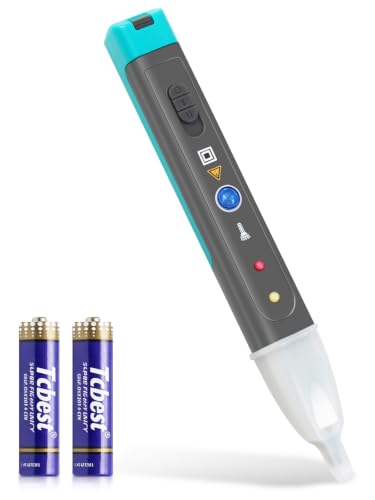
[INSTANT NON-INVASIVE ENGINE DIAGNOSIS] Pinpoint engine misfires, rough idling, hard starts, and ignition coil failures without removing parts. This ignition coil tester detects electromagnetic signals in seconds—saving technicians and DIYers hours of teardown time and costly diagnostic fees
Conclusion
Ensuring your car’s battery is in good condition is a crucial step in troubleshooting starting issues. However, if your car still won’t start despite a healthy battery, exploring other potential causes such as fuel system blockages or ignition system faults is essential. Remember to monitor the battery voltage regularly, as even seemingly normal levels can lead to starting troubles. If your DIY efforts hit a dead end, don’t hesitate to seek professional help. By methodically examining these different components, you can identify and resolve the underlying reasons behind your car’s starting woes.
Frequently Asked Questions
Q: What should I do if my car has starting issues beyond the spark plugs?
A: Check the fuel system for clogs and pump problems, and inspect the ignition system for faulty parts like the ignition coil.
Q: Why should I monitor the battery voltage even if it seems okay?
A: Low voltage can still cause starting problems, so monitoring battery voltage is crucial.
Q: What should I do if DIY troubleshooting doesn’t fix the car starting issue?
A: Seek professional assistance to pinpoint and address the root cause of the problem effectively.
Q: Why is it important to methodically follow troubleshooting steps?
A: Methodically following steps helps in identifying and resolving the car’s starting problem accurately.
