

Signs of a Battery Problem
- Dim lights or electronics can indicate a battery issue, especially if they flicker when you try to start your car.
- Slow engine crank when turning the key is a common sign of a weak or dying battery.
- Clicking sound when you turn the key but the engine doesn’t start may signal a lack of power from the battery.
| Key Signs of a Battery Problem |
|---|
| Dim lights or electronics |
| Slow engine crank |
| Clicking sound |
Common Reasons for a Car Not Starting Due to the Battery
If your car won’t start, the battery could be the culprit. Understanding the common reasons for this issue can help you diagnose and solve the problem quickly.
- Old Battery: As batteries age, their ability to hold a charge diminishes. If you haven’t replaced your battery in several years, it might be time for a new one.
- Corroded Terminals: Corrosion on the battery terminals can prevent a proper connection, leading to starting issues. Cleaning the terminals regularly can help avoid this.
- Parasitic Drain: Leaving electronics or lights on when the engine is off can drain the battery over time. Make sure to turn everything off when you park.
- Extreme Temperatures: Cold weather can reduce the battery’s effectiveness, while heat can cause fluids to evaporate. Both situations can impact starting.
- Faulty Alternator: If the alternator isn’t charging the battery properly, it can lead to repeated start-up problems. Getting the alternator checked is crucial.
- Loose or Damaged Cables: Cables connecting the battery to the engine can degrade over time. Inspect them for wear and tear regularly.
Knowing these common reasons can assist you in keeping your vehicle’s battery healthy and ensuring that starting issues become a thing of the past.
How to Test if the Battery is the Issue
If you’re stuck with a car that won’t start, it’s essential to figure out if the battery is the culprit. Here’s how you can test it:
- Check the Lights: Turn on your headlights. If they are dim or don’t turn on at all, it could indicate a weak or dead battery.
- Listen for Clicking Noises: When you try to start the car and hear rapid clicking sounds, it often points to a lack of power from the battery.
- Use a Multimeter: If you have one available, use a multimeter to measure the voltage of your car battery. A healthy battery should typically read around 12.6 volts or higher.
Remember, proper maintenance and timely checks can save you from the hassle of dealing with a dead battery. Keep these testing methods in mind to quickly determine if your battery is the reason behind your car’s starting issues.
Recommended Products

Accurately Test Full Features: Accurately measures AC/DC voltage, DC current, resistance, continuity test, diode and batteries.
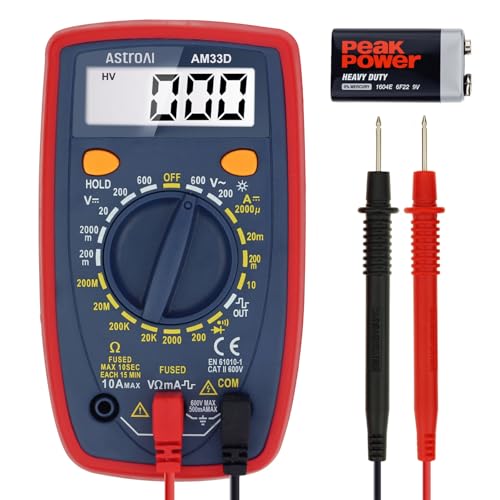
Additional Tips - The following incorrect operations may cause the multimeter not to show results: Firstly, the plugs of test leads are not fully inserted or not inserted into the correct sockets. Secondly, the manual rotary switch is not placed in the correct position. In addition, this meter can not test all AC Current and below 100mV AC Voltage. Please check the user manual carefully before measurement.

✅【Car Battery Tester】 BR502 can test all 6V/12V/24V 100-2000CCA batteries including regular flooded, AGM flat plate, AGM spiral, or gel batteries, compatible with cars, SUVs, Pickups, Boats, Motorcycles and etc. Provide overall analysis of batteries’ health and help you know its status in advance before it dies.
Steps to Take When Dealing with a Dead Battery
When you’re faced with a dead battery and your car won’t start, stay calm and follow these steps:
- Check the Connections:
- Make sure the battery terminals are clean, tight, and free of corrosion.
- Tighten any loose connections to ensure a good electrical connection.
- Jump-Start the Battery:
- Use jumper cables and another vehicle to jump-start your car.
- Connect the cables properly to the positive and negative terminals.
- Try Starting the Engine:
- Once the battery has been jump-started, attempt to start the engine.
- Let the donor vehicle run for a few minutes to charge your battery.
- Drive the Vehicle:
- Take a short drive to allow the alternator to recharge the battery.
- This helps prevent future starting issues.
- Consider Battery Replacement:
- If your battery continues to have problems starting your car, it may need to be replaced.
- Consult a professional to determine the best course of action.
Remember, regular maintenance and checks can help prevent unexpected battery issues and keep your car running smoothly.
Recommended Products
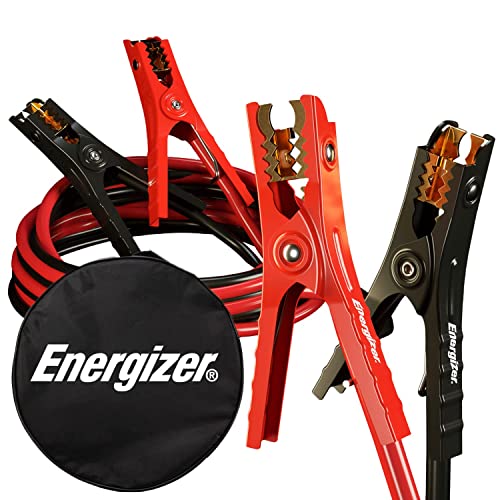
ENERGIZER 16 FEET JUMPER CABLES - 6 Gauge, 16 FT booster battery jumper cables for jump starting a dead or weak battery. Ideal for trucks, SUVs, full-size cars, mid-size cars and small/compact cars

HIGH-PERFORMANCE JUMP STARTING - The car jumper starter portable pack has a 45C high-rate lithium battery that can start 6.0 L gas/3.0 L diesel engines and other 12 V vehicles like motorcycles, cars, SUVs, pickups, or lawnmowers.This jump starter's powerful 1500 A peak suit current quickly starts low-voltage and fully-drained batteries, And suitable as a Father's Day gift for your dad.

POWERFUL CAR BATTERY JUMP STARTER: The ET03 car battery jump starter can easily jump-start all 12V common vehicles with up to 8.0L gas and 7.0L diesel engines in seconds with its peak current reaching 4000 amps. Supports 50 jump starts at most on a single charge and suitable for lawnmowers, motorcycles, passenger cars, trucks, and even boats, etc.
Preventative Measures for Avoiding Battery Issues
When it comes to avoiding battery issues, a proactive approach can save you from the hassle of dealing with a dead car battery. Here are some preventative measures you can take to keep your battery in optimal condition:
- Regular Maintenance: Just like other parts of your car, your battery needs care. Make sure to clean any corrosion off the terminals and keep them tight.
- Ensure Proper Connections: Loose or dirty connections can lead to starting issues. Periodically inspect your battery to ensure all connections are secure.
- Avoid Short Trips: Short trips without giving your battery time to recharge can drain its power. Combine short errands into one trip to help your battery stay charged.
- Use a Battery Charger: If your vehicle sits parked for extended periods, consider using a trickle charger to keep the battery from losing charge.
- Extreme Temperatures: Cold weather can be harsh on batteries. If you live in a cold climate, consider a battery heater to keep it in good condition.
By incorporating these preventative measures into your routine maintenance, you can extend the life of your battery and reduce the chances of being stranded with a car that won’t start.
Conclusion
Remember, taking care of your car’s battery is essential for preventing starting issues. By following simple maintenance tips like checking connections, avoiding short trips, and using a battery charger when needed, you can extend the lifespan of your battery. Don’t forget to consider battery heaters if you live in a cold climate. Incorporating these practices into your routine can help you avoid the frustration of a dead battery and keep your car running smoothly. Stay proactive and give your battery the attention it deserves to ensure a hassle-free driving experience.
Frequently Asked Questions
What are some preventative measures to avoid car battery issues?
Regular maintenance, checking connections, avoiding short trips, using a battery charger for parked cars, and considering battery heaters in cold climates can help prevent car battery problems.
How can I prolong my car battery’s life?
By following preventative measures like regular maintenance, ensuring proper connections, avoiding short trips, using a battery charger for parked vehicles, and considering battery heaters in cold climates, you can extend your car battery’s life.
What should I do to avoid experiencing starting problems with my car?
To prevent starting problems, it is advisable to maintain your car battery regularly, ensure connections are secure, avoid short trips, use a battery charger for parked vehicles, and consider battery heaters in cold weather. Taking these steps can help reduce the risk of starting issues.
