

Are you worried about your solar panel overcharging your battery? It’s a common concern for anyone using solar energy. Overcharging can damage your battery and reduce its lifespan, leaving you frustrated and out of pocket.
Key Takeaways
- Understand Solar Charging: Familiarize yourself with how solar panels convert sunlight into electricity and the role of charge controllers in regulating voltage to prevent battery overcharging.
- Recognize Overcharging Risks: Be aware that overcharging can lead to heat buildup, gas emission, and reduced battery capacity, which can result in costly replacements and low efficiency.
- Identify Signs of Overcharging: Look for physical symptoms like bulging or leaking batteries, unusual heat, and performance issues such as reduced runtime or quick discharges, indicating potential overcharging.
- Utilize Charge Controllers: Implement quality charge controllers (PWM or MPPT) to manage solar energy transfer and avoid overcharging by ensuring proper voltage and current regulation.
- Choose the Right Battery Type: Select batteries like AGM or Lithium-Ion, which are more resilient to overcharging, and match them appropriately with your charge controller to enhance safety and performance.
- Perform Regular Maintenance: Monitor battery voltage and inspect wiring and connections regularly to ensure proper system function and minimize the risk of overcharging.
Understanding Solar Panel Charging
Solar panels convert sunlight into electricity, which can then charge batteries. Understanding this process is crucial to prevent overcharging and to ensure the longevity of your batteries.
Recommended Products
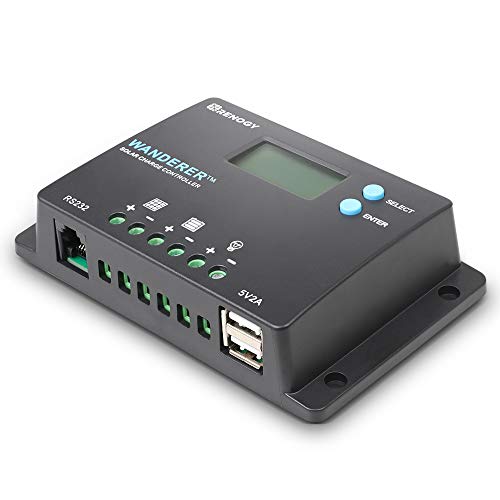
𝐒𝐦𝐚𝐫𝐭 𝟒-𝐒𝐭𝐚𝐠𝐞 12V/24V Solar Charge Controller: Renogy charge controller 𝐦𝐚𝐱𝐢𝐦𝐢𝐳𝐞𝐬 𝐁𝐚𝐭𝐭𝐞𝐫𝐲 𝐋𝐢𝐟𝐞 & 𝐒𝐨𝐥𝐚𝐫 𝐄𝐟𝐟𝐢𝐜𝐢𝐞𝐧𝐜𝐲, this advanced pwm solar charge controller utilizes intelligent 4-stage charging (Bulk/Boost/ Float/Equalization) to optimize power delivery for AGM, Gel, Flooded and Lithium batteries. RV solar charge controller prevents overcharging and gas buildup while 𝐚𝐜𝐡𝐢𝐞𝐯𝐢𝐧𝐠 𝟑𝟎% 𝐥𝐨𝐧𝐠𝐞𝐫 𝐛𝐚𝐭𝐭𝐞𝐫𝐲 𝐥𝐢𝐟𝐞𝐬𝐩𝐚𝐧 compared to basic charge controllers.
![[Upgraded] 30A Solar Charge Controller, 12V/ 24V Solar Panel Regulator with Adjustable LCD Display Dual USB Port Timer Setting PWM Auto Parameter](https://m.media-amazon.com/images/I/41opvkWthjL._SL500_.jpg)
【UPGRADED SOLAR CONTROLLER】This solar charge controller helps you manage the working of solar panels and batteries in solar systems automatically with the build-in industrial microcontroller. You don't need to reset it when the battery runs out cause it will memorize various parameters set by the user

【High Quality Solar Charge Controller】 Our Solar Controller Mppt technology is to detect the maximum charging current,not the boost type or the automatic charging of the solar panel voltage. Compared with normal solar charge controller, this controller could increase efficiency by 10%-30%.
How Solar Panels Charge Batteries
Solar panels produce direct current (DC) electricity when exposed to sunlight. This electricity flows into charge controllers and then to batteries. The charge controller regulates voltage and current to prevent overcharging.
- Direct Current Flow: Electricity flows from panels to the controller and then to the batteries.
- Voltage Regulation: Charge controllers adjust the output voltage based on battery levels.
- Charging Stages: Charging progresses through three stages: bulk charge, absorption charge, and float charge.
By understanding these stages, you can better manage battery charging and avoid potential issues like overcharging.
The Risks of Overcharging Batteries
Overcharging batteries creates several risks, such as damage or reduced efficiency. This deterioration can lead to costly replacements and compromised energy systems.
- Heat Buildup: Excess voltage generates heat, which can damage battery components.
- Gas Emission: Overcharging can cause water loss in lead-acid batteries due to gas emissions.
- Capacity Loss: Continual overcharging reduces the overall capacity and effectiveness of batteries.
Knowing the risks allows you to take preventive measures to maintain battery health and optimize your solar energy system.
Signs of Overcharging a Battery
Overcharging a battery can lead to significant issues. It’s crucial to identify the signs early to prevent damage.
Physical Symptoms to Look For
Look for bulging or leaking on the battery casing. These changes indicate excessive pressure and heat buildup. Signs of corrosion around terminals also suggest overcharging. Unusual heat near the battery suggests it’s working harder than necessary, which can cause further issues.
Performance Issues
Monitor the battery’s ability to hold a charge. If it discharges quickly, overcharging might be the issue. Reduced runtime during solar panel use often signals an unhealthy battery. Additionally, strange noises or fizzing sounds can indicate excessive gas buildup from overcharging. Increased charging time compared to previous durations can also signal that the battery struggles due to overcharging.
Strategies to Prevent Overcharging
Preventing battery overcharging ensures longevity and optimal performance. Here are key strategies to keep your battery safe while using solar energy.
Recommended Products

With battery holder, the batteried are not included. Please purchase separately if you need.
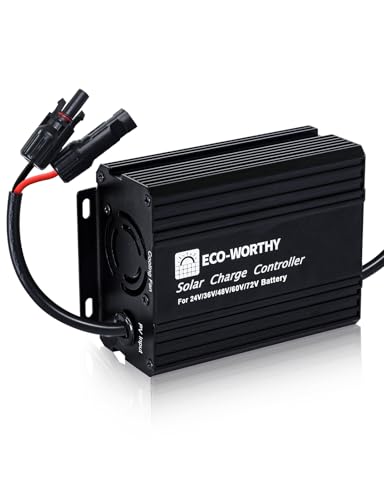
【Boost Charging】Boosts the voltage of 12 V or 24 V solar panels to charge 24/36/48/60/72 V batteries in Golf Cart, Electric Vehicles, and Solar System Kit; No need to add additional solar panels or change the connection of solar panels

Compatible only with 𝐁𝐓𝟐 𝐁𝐥𝐮𝐞𝐭𝐨𝐨𝐭𝐡 𝐦𝐨𝐝𝐮𝐥𝐞(sold separately)!
Using Charge Controllers
Using charge controllers is essential for preventing overcharging. These devices manage how solar energy is transferred to batteries. Charge controllers typically come in two types: PWM (Pulse Width Modulation) and MPPT (Maximum Power Point Tracking).
- PWM Controllers: These are less expensive and work well with smaller systems. They charge batteries in three stages: bulk, absorption, and float. This gradual process prevents excessive charging.
- MPPT Controllers: These are more efficient and work best in larger systems. They convert excess voltage into additional current, optimizing battery charging and minimizing overcharge risks.
Choosing a quality charge controller designed for your battery type and solar panel system size helps maintain a safe charging process and extends battery life.
Selecting the Right Battery Type
Selecting the right battery type significantly affects your system’s resilience against overcharging. Different batteries respond to charging differently.
- Absorbent Glass Mat (AGM): AGM batteries are tolerant of a wide voltage range, making them suitable for solar setups. They handle overcharging better than some other types.
- Lithium-Ion: Lithium-ion batteries offer excellent efficiency and charge retention. They come with built-in management systems that prevent overcharging automatically.
- Flooded Lead-Acid: These batteries are the most common but require careful monitoring. They can tolerate some overcharging, but excessive heat and gas emission can lead to damage.
- Gel Batteries: Gel batteries are sealed and offer good resistance to overcharging. They charge slowly and are often used in stationary applications.
Make sure to match your battery choice with your charge controller to optimize performance and avoid any risks of overcharging.
Regular Maintenance Practices
Regular maintenance practices help prevent solar panel overcharging and ensure the longevity of your batteries. Following these steps keeps your system running smoothly and efficiently.
Recommended Products

★ 9 Measurement Functions.One interface displays nine parameters including Voltage(0-200V), Current(0-100A), Power(0-60000W), Impedance(0-1000Ω), Internal Resistance(0-999mΩ), Capacity(0-1000AH), SOC, Energy (0-9999kWh) and Running time(0-999h).
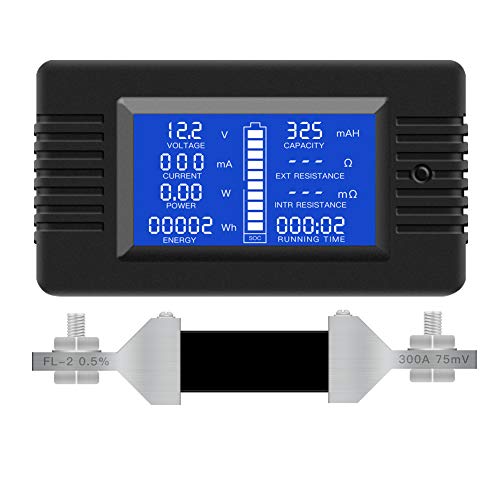
9-in-1 Comprehensive Monitoring: Instantly monitor all vital electrical parameters: Voltage, Current, Power, Impedance, Internal Resistance, Capacity, Accumulated Energy (kWh), Running Time, and Battery Level (10-segment SOC bar). Perfect for keeping track of your battery health in real-time

【7 Modes Display Monitor】 DROK USB Tester is equipped with digital color LED display screen, which can be switched between 7 display modes. This multimeter can be used to measure voltage, current, power, capacity. Through the 7 modes, you can clearly see the voltage, current, capacity and power during charging. Only 1 button to switch the display mode, simple and handy.
Monitoring Battery Voltage
Monitoring battery voltage regularly prevents overcharging. Use a multimeter or a battery monitor to check voltage levels. Aim for the following ranges based on battery type:
- AGM Batteries: 12.7 to 13.0 volts
- Lithium-Ion Batteries: 13.0 to 14.6 volts
- Flooded Lead-Acid Batteries: 12.4 to 12.8 volts
If voltage readings exceed the recommended levels, consider adjustments to your charge controller or investigate potential issues with your system. Regularly tracking these numbers helps you spot problems early before they escalate.
Ensuring Proper Wiring and Connections
Proper wiring and connections play a critical role in preventing overcharging. Inspect all wiring for damage or wear at least every six months. Check that connections are tight and free from corrosion. Follow these tips:
- Use the Right Gauge Wire: Ensure wire gauge matches your system’s current to reduce heat and resistance.
- Check Connectors: Ensure all connectors are secure and corrosion-free to maintain a solid electrical connection.
- Inspect Junction Boxes: Look for any signs of moisture or damage that could compromise performance.
Good wiring practices enhance system efficiency and minimize risks of overcharging, protecting your investment in solar energy.
Conclusion
Keeping your solar panel from overcharging your battery is essential for maintaining its health and longevity. By understanding the charging process and using the right charge controller, you can effectively manage the energy flow and protect your investment.
Regular monitoring and maintenance will help you catch any early signs of overcharging before they lead to bigger issues. Remember to choose the right battery type and ensure your wiring is in good condition.
With these strategies in place you’ll enjoy a more efficient solar energy system and extend the life of your batteries. Embrace the power of the sun while keeping your setup safe and reliable.
Frequently Asked Questions
What is solar panel overcharging?
Overcharging occurs when a solar panel supplies more electrical energy to a battery than it can handle, leading to excess voltage. This condition can damage the battery, shortening its lifespan and leading to costly replacements.
How do charge controllers help prevent overcharging?
Charge controllers manage the flow of electricity from solar panels to batteries, preventing overcharging by regulating voltage and current. They operate in three stages: bulk charge, absorption charge, and float charge, ensuring batteries receive just the right amount of charge.
What are the signs of battery overcharging?
Signs of overcharging include bulging or leaking battery casings, corrosion around terminals, unusual heat from the battery, inability to hold a charge, reduced runtime, strange noises, and longer charging times. Early detection is key to preventing damage.
What types of charge controllers are available?
There are two main types of charge controllers: PWM (Pulse Width Modulation) and MPPT (Maximum Power Point Tracking). PWM controllers are cost-effective for smaller systems, while MPPT controllers offer better efficiency for larger setups.
How can I maintain my solar energy system to avoid overcharging?
Regular maintenance includes monitoring battery voltage with a multimeter, inspecting wiring and connections twice a year, and selecting appropriate charge controllers and battery types. These practices enhance efficiency and minimize overcharging risks.
What types of batteries are best for solar systems?
Choosing the right battery type is essential for preventing overcharging. Options include Absorbent Glass Mat (AGM), Lithium-Ion, Flooded Lead-Acid, and Gel batteries. Each type has unique characteristics affecting how it responds to charging and how resilient it is against overcharging.
